

Quick Answer
Austin spent several years as the hottest market in the country, and the staging norms that worked during that run don't quite fit the current cycle. Listings sit a little longer, buyers shop more carefully, and the photo set carries more weight in the decision than it did at the peak. The neighborhoods drive the staging approach more than they used to. South Congress and the central core want character-aware staging that respects the mix of bungalows, 1940s cottages, and newer infills. Zilker and Barton Hills have a specific mid-century and transitional housing stock that deserves period-appropriate furniture. East Austin mixes rehabbed early-twentieth-century homes with new construction, and a single staging template across that range flattens both. Westlake sits at the top of the metro's price band with custom homes on larger lots that want serious, considered staging. Cedar Park, Leander, and the northern suburbs serve family buyers relocating in from out of state and need functional, practical staging that answers family-home questions directly. AI virtual staging has become standard across Austin listing teams because the neighborhood diversity would otherwise require multiple physical stagers working in parallel, and the metro's photo-first buyer habits reward the speed and flexibility of virtual staging.
Key Takeaways
- 1Austin median home price: $525,000
- 2Average days on market: 55
- 3Virtual staging costs $0.10/photo vs $2,000-$5,000 for physical staging
- 4Staged homes sell 30-50% faster according to NAR
Home Staging in Austin
Virtual & Physical
Austin's tech-driven economy brings design-savvy buyers who expect modern, well-staged listings. The market has cooled from its 2022 peak, making professional presentation more important than ever. Virtual staging helps Austin agents compete for tech workers with high aesthetic standards.
Austin Market Snapshot
The Austin real estate market has a median home price of $525,000 with homes averaging 55 days on market. In this competitive environment, staged homes sell faster and for more money. Virtual staging from $0.10 per image gives Austin agents the edge.
Austin Real Estate Market Stats
Why Stage Your Home in Austin?
With a median home price of $525,000, Austin homeowners have significant equity at stake. Staging your home can add 1-5% to the sale price — that's potentially thousands of dollars more at closing. In a market averaging 55 days on market, staging helps your listing sell faster and stand out from the competition.
Virtual Staging vs Physical Staging in Austin
Physical Staging in Austin
- Cost: $2,000-$5,000+
- Timeline: 1-2 weeks
- Real furniture for showings and open houses
- Monthly rental fees ($500-$1,500/month)
Virtual Staging
Recommended- Cost: $0.10 per image
- Timeline: Under 60 seconds
- Unlimited styles — try modern, coastal, luxury, and more
- No monthly fees — pay per image, cancel anytime
Top Neighborhoods in Austin
Home staging is especially impactful in Austin's most competitive neighborhoods.
How Virtual Staging Works
1. Upload Photo
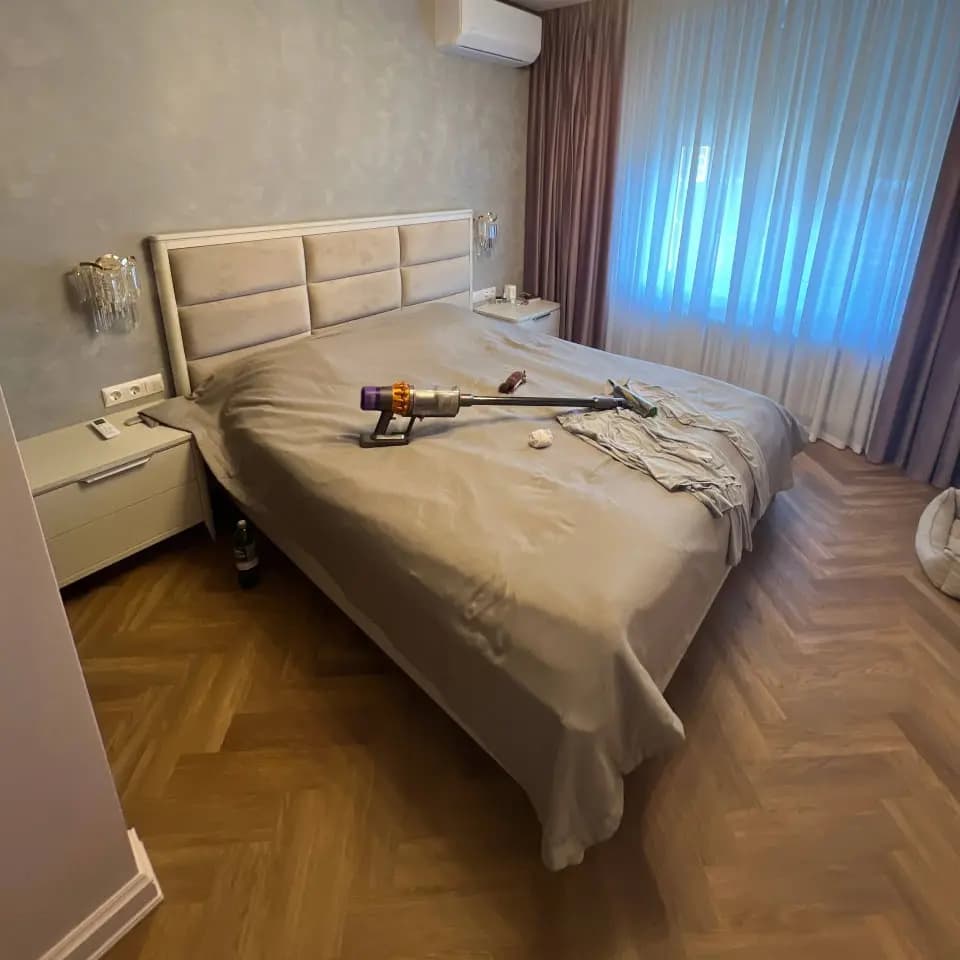
Upload an empty room photo from your Austin listing directly in your browser.
2. AI Stages It
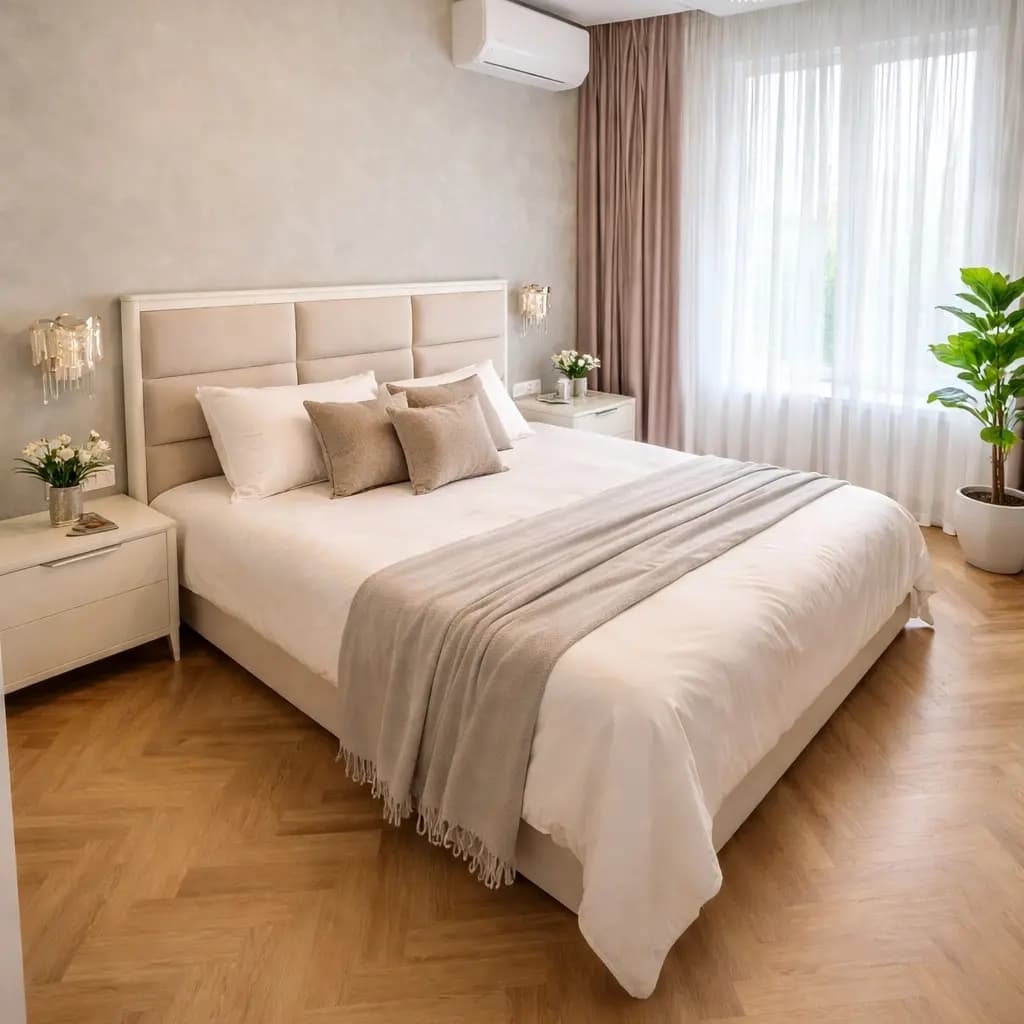
Choose from 11 design styles. Our AI adds realistic furniture and decor in under 60 seconds.
3. Download & List
Download high-resolution staged photos ready for MLS, Zillow, Realtor.com, and social media.
Virtual Staging in Austin
### Staging for a cooled-off Austin market
During the peak, listings sold fast enough that staging quality was almost optional. That's no longer true. The current Austin buyer is more patient, more price-sensitive, and more willing to wait for the right listing. The photo set does the first round of filtering before a buyer even contacts an agent. A staged photo set that's specific, honest, and matched to the house produces saved listings, shared listings, and showings. A generic or rushed staging pass gets skipped, and the listing just accumulates days on market. The practical shift most listing teams in the city have made is toward staging that reads as considered rather than flashy, and that respects the architecture rather than imposing a generic look. Westlake buyers, Zilker buyers, and Cedar Park buyers are all different, and the staging has to recognize that.
### Central-core character versus suburban practicality
South Congress, Travis Heights, Clarksville, and East Austin bungalows and cottages want staging that respects the architecture. Medium-scale furniture, warm wood tones, period-appropriate silhouettes, and art that wouldn't feel wrong in the house's original era. The oversized modern sectional in a 1940s cottage living room is the single most common failure mode in this market. Zilker and Barton Hills mid-centuries want true mid-century furniture: teak, walnut, clean lines, and restrained art. Westlake customs want heavier, more considered staging with scale matched to the larger rooms and higher ceilings. Cedar Park, Leander, Round Rock, and the northern suburbs want family-functional staging that answers relocation-buyer questions directly: a real family room, a proper home office, a primary bedroom with a reading area, and a dining table that actually seats six. The rule that works across these submarkets is to match the staging vocabulary to the house's architectural era and the buyer's life stage, rather than applying a single Austin template to every listing. The listing teams handling inventory across South Congress, Westlake, and Cedar Park in the same month have largely converged on maintaining three distinct render recipes, one per submarket, because that's what the photo sets need to look right at open-house time.
Home Staging Tips for Austin
Stage the covered patio with a real dining setup
Austin outdoor living runs roughly March through November and buyers factor it in. A staged covered patio with a dining table, chairs, and a shade reference usually lifts listings more than another interior bedroom render, especially in South Austin and Zilker.
Match furniture to the house's actual era
A 1940s Travis Heights bungalow and a 2022 South Congress infill both sit in the same market but want different furniture. Period-appropriate staging on the bungalow and cleaner contemporary staging on the new build reads honest. A single template applied to both underperforms.
Render a real home office
Relocation buyers moving into Austin continue to expect a functional home office in the photo set. A rendered office with a real desk, task lighting, and a proper chair answers the remote-work question in one image. A spare room with a laptop on the nightstand doesn't.
Keep Westlake staging weighted and considered
Westlake customs sit at a price point where underserved staging damages the listing. Heavier sofas, larger dining tables, classic art, and drapery match the scale of the architecture. Lightweight contemporary furniture at this price tier reads as undersized and mismatched.
Preserve mature oak trees in the exterior frame
Austin's tree canopy, especially in Travis Heights, Zilker, and West Austin, is part of the listing's value. Don't retouch mature oaks out of exterior shots or over-brighten the frame to lose their shade. The tree coverage sells the neighborhood's character.
More Austin Resources
Stage Your Austin Listing Today
Transform empty rooms into stunning staged photos. Starting from $0.10 per image.
Austin Home Staging FAQ
How much does home staging cost in Austin?
Physical home staging in Austin costs $2,000-$5,000 for a standard home, with luxury properties in areas like South Congress or Zilker costing $5,000-$15,000. Virtual staging with Agent Lens is just $0.10 per image — ideal for Austin's competitive market where professional photos are essential.
Is home staging worth it in Austin's market?
Absolutely. With a median home price of $525,000 and homes spending an average of 55 days on market, staged homes in Austin sell 30-50% faster. At $525,000, even a 1% price increase from staging means thousands more at closing.
How does virtual staging work for Austin listings?
Virtual staging uses AI to add realistic furniture and decor to photos of empty rooms. Upload your Austin listing photos, choose a style (modern, coastal, farmhouse, etc.), and receive professionally staged images in under 60 seconds. Perfect for MLS listings and online marketing.
What staging styles are popular in Austin?
Austin buyers respond well to modern, contemporary, and transitional staging styles. In neighborhoods like South Congress and Zilker, luxury and coastal styles also perform strongly. Virtual staging lets you try multiple styles to see what resonates with Austin buyers.
Should I stage my Austin home before listing?
Yes. In Austin's market (median price $525,000, avg 55 days on market), staged homes consistently outperform non-staged listings. With 97% of buyers starting online, professional listing photos are your first showing. Virtual staging delivers professional results for $0.10/image.