

Quick Answer
Austin real-estate photography sits at an unusual intersection of Hill Country geology and rapid architectural turnover. A 1940s Travis Heights bungalow with longleaf pine floors and a screened sleeping porch shares the same MLS feed as a glass-walled contemporary in Tarrytown and a four-story new build in East Austin's Holly neighborhood. The city's lot topography also shapes the photo plan in ways most U.S. markets do not experience — properties in Westlake, Barton Hills, and parts of South Lamar sit on dramatic limestone ledges, and capturing the actual relationship between a house and its bluff matters as much as the interior frames. AgentLens treats Austin as a layered city: the photography needs to acknowledge live oaks framing a Hyde Park porch, cedar elm shadows across a Bouldin Creek backyard, and the specific terracotta of caliche soil visible through a Mueller patio door. AI virtual staging is layered on top of those raw frames without flattening that geographic specificity. Buyers relocating from California or New York scan Austin listings expecting either Texas regional honesty or a clean Scandinavian modern register, and the staging has to deliver one or the other with conviction rather than splitting the difference into a generic look that reads as neither.
Local Photography Insight
Austin's defining photographic challenge is the combination of intense direct sun and aggressive tree canopy. Hyde Park, Travis Heights, and parts of Allandale sit under mature live oaks and pecans, which means living rooms can be dim even at noon while the front yard is fully lit. Photographers shooting AgentLens listings in those zip codes typically use seven-bracket exposures rather than five to hold both the dappled shade exterior and the dim interior in a single frame. RESA's 2024 staging study reinforced what Austin agents already know: buyers spend longer on listings where the photo set tells one coherent story across rooms. That coherence in Austin means choosing a vocabulary — warm Texas Hill Country honesty (oak, leather, wool, ceramic) or East Austin contemporary (matte black, walnut, bouclé, brass) — and holding it across every staged frame. Mixing the two looks unintentional and signals an agent who has not decided what story the house tells.
Real Estate Photography
in Austin
Everything Austin agents need to know about professional listing photography — types, costs, tips, and how virtual staging completes the package.
Why Professional Photography Matters in Austin
In Austin's market, where the median home price is $525,000, first impressions happen online. Professional real estate photography is no longer optional — it is the single most impactful marketing investment an agent can make.
Sell 32% Faster
Listings with professional photography sell 32% faster than those with amateur or smartphone photos. In a market like Austin, that can mean weeks less on market.
118% More Online Views
Professionally photographed homes receive 118% more views on portals like Zillow, Realtor.com, and Redfin — critical in a market with $525,000 median prices.
Austin Real Estate Market & Photography Trends
### Light, Trees, and the Austin Bracketing Problem
The live oak canopy in Old West Austin, Hyde Park, and Rosedale is dense enough that interior frames typically need at least seven bracketed exposures to hold dynamic range from front-window highlights to back-bedroom shadows. AgentLens recommends shooting between 9:30 a.m. and 11:00 a.m. or 4:00 p.m. and 5:30 p.m. depending on lot orientation, with the camera at f/8, ISO 400, and a tripod-mounted 16–35mm lens. Properties on the eastern side of Lamar Boulevard in neighborhoods like Cherrywood and Chestnut have less mature tree cover and can handle a slightly later afternoon shoot. South Austin lots in Bouldin Creek, Zilker, and Galindo often sit at unusual elevations relative to the street, which means front-elevation drone work needs careful flight planning to avoid clipping power lines and oak branches. Once raw frames are processed, our pipeline preserves the actual canopy shadow pattern across the floor — a detail that gets lost when AI staging engines flatten the source lighting and re-render generic furniture into a synthetic frame. Keeping the leaf-shadow detail is what makes a Hyde Park porch shot feel real rather than rendered.
### Vocabulary by Neighborhood
Austin staging vocabulary should follow the home's bones and the buyer demographic actually shopping that zip code. A Travis Heights 1940s bungalow with longleaf pine floors, a brick fireplace, and a screened porch photographs best with a low-slung leather sofa, a wool flatweave rug in oatmeal, a vintage steamer trunk as coffee table, and brass library lamps. A Holly neighborhood new build with polished concrete floors and floor-to-ceiling glass needs a sectional in cream bouclé, a walnut Noguchi-style table, and one large fiddle-leaf fig to break the loft height. Tarrytown traditionals deserve a more formal register — navy upholstery, mahogany, cane chairs, and oriental rugs in muted tones — while Mueller new construction responds to clean Scandinavian-leaning vocabulary with white oak, linen, and ceramic accents. East Austin in the Govalle and Holly neighborhoods often photographs strongest with a slightly more eclectic register: rattan, vintage Mexican textiles, a single mid-century credenza. Across all these zip codes, AgentLens keeps each room to three to five anchor pieces and resists the temptation to fill empty floor space with catalog clutter.
Types of Real Estate Photography in Austin
Interior HDR
Wide-angle, exposure-blended shots of every room. The foundation of any listing photo package.
Exterior / Curb Appeal
Front elevation, backyard, landscaping, and street-level shots that create strong first impressions.
Aerial / Drone
Bird's-eye views showcasing lot size, roof condition, and proximity to amenities in Austin.
Twilight Photography
Golden-hour or dusk shots that make homes glow. Popular for luxury listings in neighborhoods like South Congress.
Virtual Tour / Video
360-degree tours and cinematic walkthroughs let remote buyers explore properties before visiting.
Virtual Staging
AI-powered staging adds furniture to empty rooms for $0.10/image — the perfect add-on after photography.
Average Real Estate Photography Costs in Austin
Pricing varies by property size, number of shots, and add-ons. Here is what Austin agents typically pay in 2026.
| Service | Typical Cost | Includes |
|---|---|---|
| Basic Package | $150-$350 | 25-35 HDR interior & exterior photos |
| Premium Package | $350-$700 | 40+ photos, twilight shots, aerial |
| Drone Add-On | $100-$250 | 5-10 aerial shots, FAA-licensed pilot |
| Twilight Add-On | $100-$200 | 3-5 golden-hour exterior shots |
| 3D Virtual Tour | $150-$400 | Matterport or equivalent 360 walkthrough |
| Virtual Staging | $0.10/image | AI-furnished rooms, unlimited styles, 60-second delivery |
Virtual Staging: The Perfect Complement
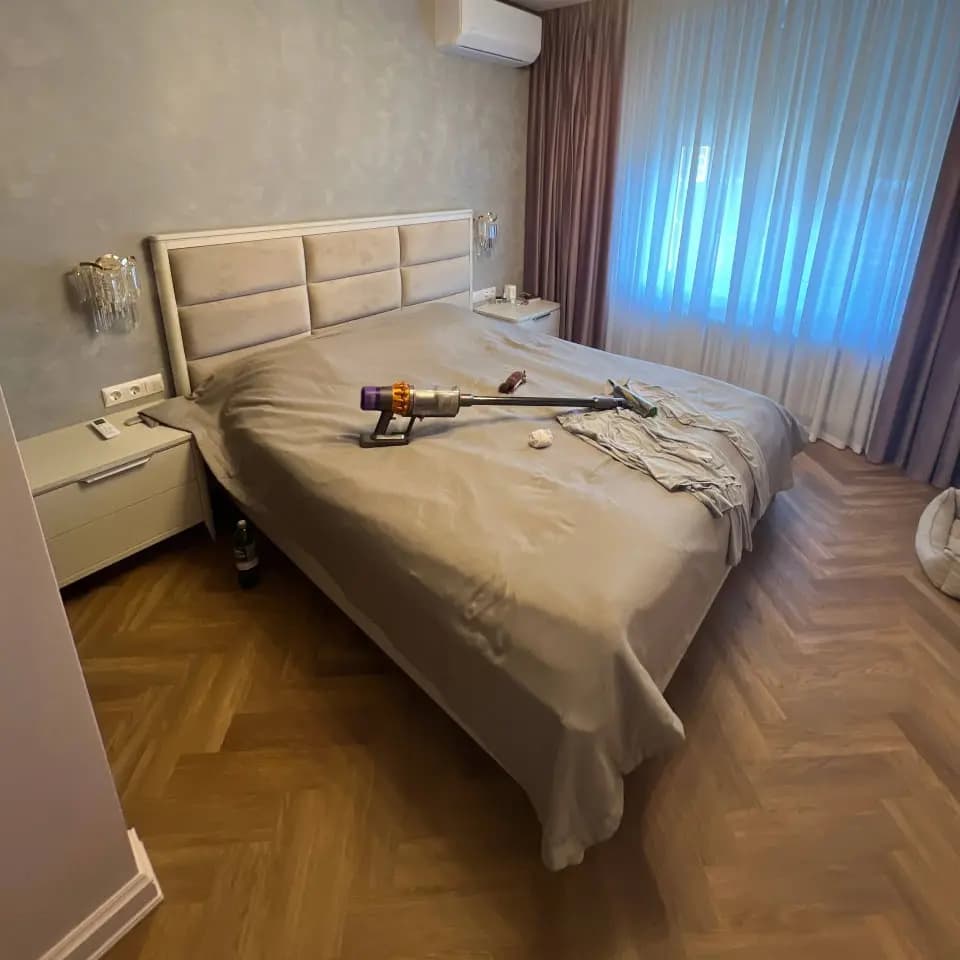
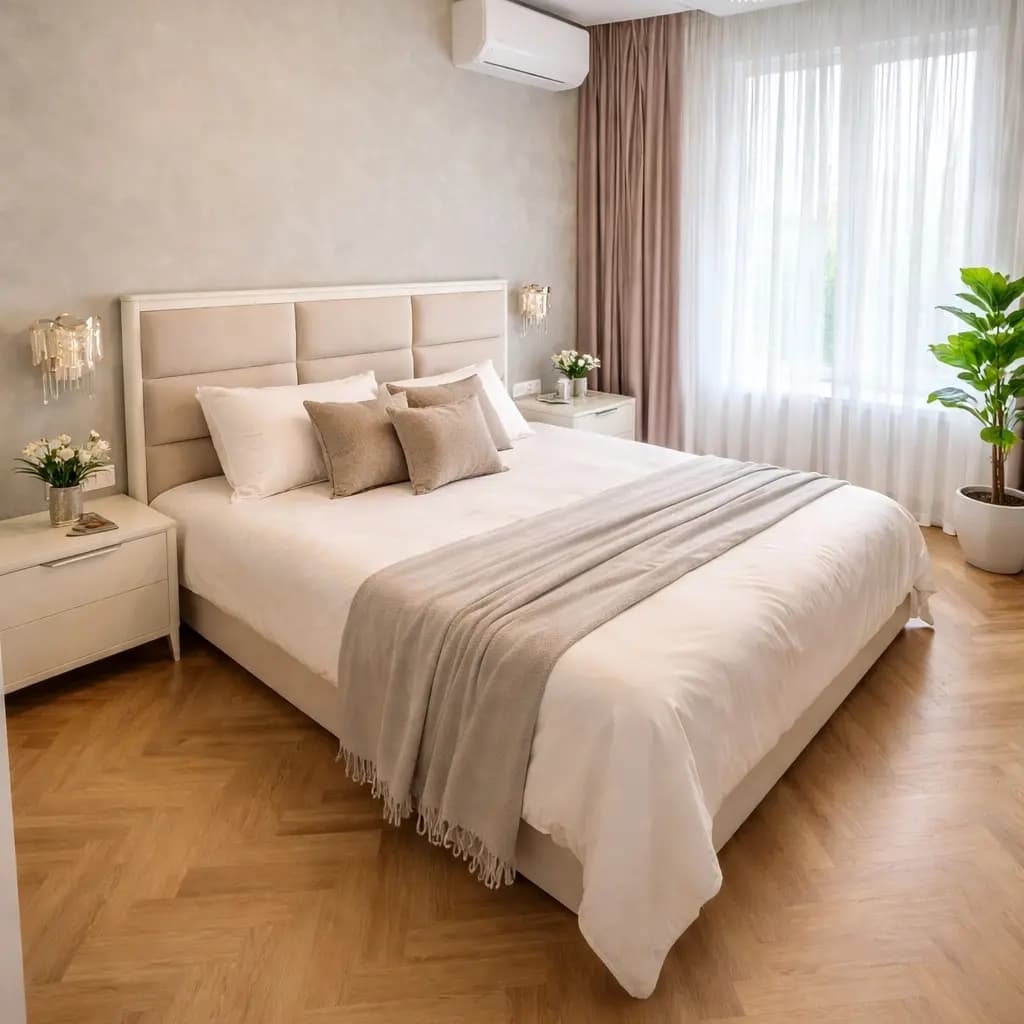
After your Austin photographer delivers stunning HDR photos, virtual staging transforms empty rooms into beautifully furnished spaces for just $0.10 per image. No furniture rental, no scheduling, no monthly fees. Upload your empty-room photos, choose from 11 design styles, and download MLS-ready staged images in under 60 seconds. It is the highest-ROI add-on to any photography package.
Top Neighborhoods for Photography in Austin
Professional photography is especially impactful in Austin's most competitive neighborhoods.
Photography Tips for Austin Properties
Use seven-bracket exposures for any Hyde Park or
Use seven-bracket exposures for any Hyde Park or Travis Heights interior shoot; mature live oak canopy creates a dynamic-range problem that five frames rarely solve.
Schedule front-elevation drone work in Bouldin Creek and
Schedule front-elevation drone work in Bouldin Creek and Zilker during the 4:00 to 5:30 p.m. window when low sun rakes across limestone retaining walls and reveals the topographic relationship between house and lot.
Match staging vocabulary to the home's era: longleaf
Match staging vocabulary to the home's era: longleaf pine and brick bungalows want leather and wool, while Holly and Mueller new builds want cream bouclé and walnut.
Preserve the actual canopy shadow pattern across interior
Preserve the actual canopy shadow pattern across interior floors — leaf-dappled light is a signature of Austin's older neighborhoods and AI staging that erases it produces synthetic-looking results.
In Tarrytown and Pemberton Heights, lean into the
In Tarrytown and Pemberton Heights, lean into the formal traditional register (navy, mahogany, cane, oriental rugs) rather than forcing the East Austin contemporary look that does not match the buyer demographic shopping those zip codes.
DIY Photography Tips for Austin Agents
If you photograph listings yourself, these tips will dramatically improve your results.
Shoot During Golden Hour
Schedule exterior shots for early morning or late afternoon. In Austin, this light flatters architecture and landscaping beautifully.
Use a Wide-Angle Lens
A 10-22mm wide-angle lens makes rooms look spacious. Avoid fish-eye distortion by keeping the camera level and centered.
Declutter Every Room
Remove personal items, excess furniture, and countertop clutter before shooting. Clean spaces photograph significantly better.
Turn On All Lights
Open blinds, turn on every light, and replace dim bulbs. Bright, warm rooms are more inviting and photograph better.
Stage Digitally After
Empty rooms? Use virtual staging at $0.10/image to add furniture digitally. No scheduling, no furniture rental, MLS-ready in 60 seconds.
More Austin Resources
Complete Your Austin Listing Photos
Add virtual staging to your professional photos. Starting from $0.10 per image.
Austin Real Estate Photography FAQ
How much does real estate photography cost in Austin?
Professional real estate photography in Austin typically costs $150-$350 per session for a standard residential listing. Premium packages with drone, twilight, and virtual tour add-ons can run $500-$1,000+. Many Austin agents find that pairing professional photos with virtual staging at $0.10/image delivers the best ROI.
What types of real estate photography are available in Austin?
Austin photographers offer interior and exterior HDR photography, aerial/drone shots, twilight photography, 3D virtual tours, and video walkthroughs. The most popular package for Austin listings includes 25-40 HDR interior and exterior shots. Drone photography is especially effective for properties in neighborhoods like South Congress and Zilker.
Should I use drone photography for my Austin listing?
Drone photography is highly recommended for Austin properties with notable exterior features, large lots, waterfront views, or desirable locations. Aerial shots showcase the property's proximity to amenities and provide neighborhood context. In Austin, drone add-ons typically cost $100-$250 on top of the base photography package.
Is professional photography worth it for Austin listings?
Absolutely. With a median home price of $525,000 in Austin, professional photography delivers exceptional ROI. Listings with professional photos sell 32% faster and receive 118% more online views. At $525,000, even a small percentage increase in sale price far exceeds the $150-$350 investment.
How does virtual staging work with real estate photography?
After your Austin photographer delivers the final images, you can enhance empty rooms with virtual staging. Upload any photo to Agent Lens, choose a design style, and receive a professionally staged image in under 60 seconds for just $0.10. It is the perfect complement to professional photography — no furniture rental needed.