

Quick Answer
Providence is one of the most architecturally dense cities in the country for its size, and that density rewards photographers who can read style and respond to it. The East Side holds Federal, Greek Revival, Italianate, Victorian and early twentieth century inventory layered along the same blocks, and Brown University and RISD give the neighborhood a particular cultural register that buyers are specifically purchasing. College Hill, Fox Point, Wayland Square and Blackstone Boulevard each have their own visual codes. The West Side around Federal Hill and Armory District holds different inventory entirely, with brick triple-deckers, Victorian rowhouses, and adapted industrial spaces. The neighborhoods around Roger Williams Park trend toward early twentieth century single-family with deeper lots. Out toward Edgewood and the East Bay, the housing stock shifts again. The buyer pool blends university-affiliated relocators, healthcare professionals, returning natives, and a meaningful flow of Boston commuters who can no longer afford the Boston market. Each cohort reads photographs through a different filter. A College Hill historic-property buyer wants architectural literacy. A Federal Hill buyer wants neighborhood character. A Boston commuter wants commute logistics and value. Photography that addresses these distinctions outperforms generic listing photography by a wide margin.
Local Photography Insight
College Hill homes on streets like Benefit, Power and Brown reward period-aware composition with attention to the cobblestone sidewalks, gas-style streetlamps, and the way the homes step up the hill. Federal Hill and the Armory District want photography that honors the brick triple-decker and Victorian rowhouse vocabulary, with attention to the front-stoop relationship to the street. Wayland Square is more residential and trends toward early twentieth century single-family that wants traditional symmetrical composition. Blackstone Boulevard is the carriage-trade address with substantial estates that need the boulevard itself as compositional context. Fox Point near the river holds Portuguese-American working-class inventory that has gentrified significantly and now trades on architectural authenticity. The downtown jewelry district lofts demand industrial-aware photography that respects exposed brick, timber framing and large factory windows. Edgewood across the city line in Cranston and the East Bay communities of Barrington and Bristol shift the brief toward water views and traditional New England residential composition. Match the visual language to each submarket.
Real Estate Photography
in Providence
Everything Providence agents need to know about professional listing photography — types, costs, tips, and how virtual staging completes the package.
Why Professional Photography Matters in Providence
In Providence's market, where the median home price is $365,000, first impressions happen online. Professional real estate photography is no longer optional — it is the single most impactful marketing investment an agent can make.
Sell 32% Faster
Listings with professional photography sell 32% faster than those with amateur or smartphone photos. In a market like Providence, that can mean weeks less on market.
118% More Online Views
Professionally photographed homes receive 118% more views on portals like Zillow, Realtor.com, and Redfin — critical in a market with $365,000 median prices.
Providence Real Estate Market & Photography Trends
### Reading historic East Side inventory
The East Side is layered with architectural styles built across two centuries, and photography needs to read which style the home actually represents. A Federal townhouse on Benefit Street wants symmetrical exterior composition with attention to the fanlight, the cornice and the period door. A Greek Revival on Power Street wants emphasis on the columned entry and the proportional clarity. An Italianate on Hope Street wants different treatment again, with attention to bracketed eaves and tall narrow windows. Treating all of them with the same template produces listings that look generic in a market where buyers are actively seeking authenticity. Camera heights matter intensely in these older homes. Twelve-foot ceilings in Federal parlors demand higher camera positions that capture the cornice and ceiling plaster in the same frame as the room. Compact Victorian carriage houses demand the opposite. Sequence the rooms in the photography to mirror the actual entry experience, because period homes were designed as architectural processions and that procession is part of the value.
### Composition for triple-deckers and adapted industrial space
The Federal Hill, Armory and Olneyville neighborhoods hold significant triple-decker inventory, and these homes have specific photographic requirements. The exterior frame needs to communicate the three-story scale, the porch stack, and the relationship to the street. Often the property is owner-occupied on one floor with rental units above, and the photography needs to be honest about that without making the listing feel like a commercial multifamily. The Jewelry District lofts and similar adapted industrial spaces in the West Side demand industrial-aware photography that respects exposed brick, timber framing, polished concrete and large factory windows. Don't dress these spaces with traditional residential staging; the buyer reading those photos is specifically rejecting traditional residential aesthetics. Use furniture that matches the industrial vocabulary, lighting that emphasizes the architectural elements rather than hiding them, and frames that preserve the loft scale rather than trying to subdivide the space visually. For waterfront homes on Narragansett Bay in Edgewood or out in Barrington and Bristol, the brief shifts again toward water views, dock relationships and traditional New England residential composition. Drone work earns its keep on these properties. For the East Side and downtown, drones add less because the value is street-level and contextual.
Types of Real Estate Photography in Providence
Interior HDR
Wide-angle, exposure-blended shots of every room. The foundation of any listing photo package.
Exterior / Curb Appeal
Front elevation, backyard, landscaping, and street-level shots that create strong first impressions.
Aerial / Drone
Bird's-eye views showcasing lot size, roof condition, and proximity to amenities in Providence.
Twilight Photography
Golden-hour or dusk shots that make homes glow. Popular for luxury listings in neighborhoods like East Side.
Virtual Tour / Video
360-degree tours and cinematic walkthroughs let remote buyers explore properties before visiting.
Virtual Staging
AI-powered staging adds furniture to empty rooms for $0.10/image — the perfect add-on after photography.
Average Real Estate Photography Costs in Providence
Pricing varies by property size, number of shots, and add-ons. Here is what Providence agents typically pay in 2026.
| Service | Typical Cost | Includes |
|---|---|---|
| Basic Package | $150-$350 | 25-35 HDR interior & exterior photos |
| Premium Package | $350-$700 | 40+ photos, twilight shots, aerial |
| Drone Add-On | $100-$250 | 5-10 aerial shots, FAA-licensed pilot |
| Twilight Add-On | $100-$200 | 3-5 golden-hour exterior shots |
| 3D Virtual Tour | $150-$400 | Matterport or equivalent 360 walkthrough |
| Virtual Staging | $0.10/image | AI-furnished rooms, unlimited styles, 60-second delivery |
Virtual Staging: The Perfect Complement
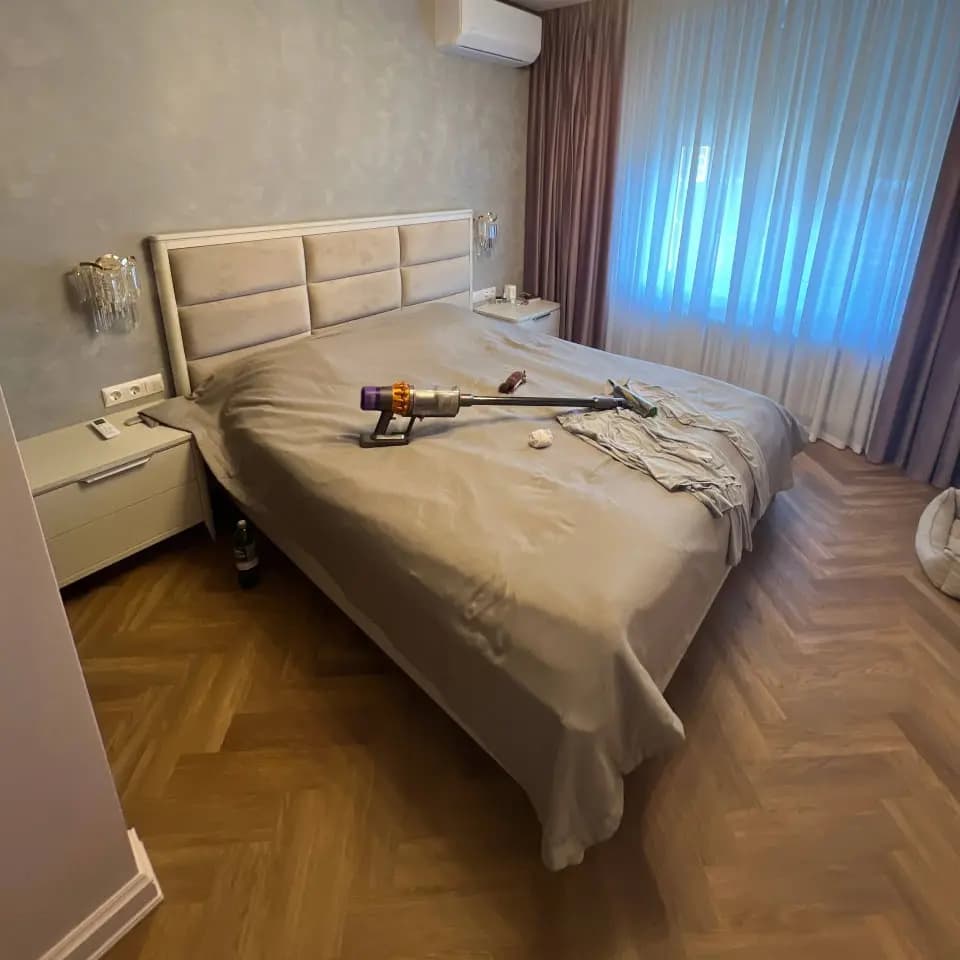
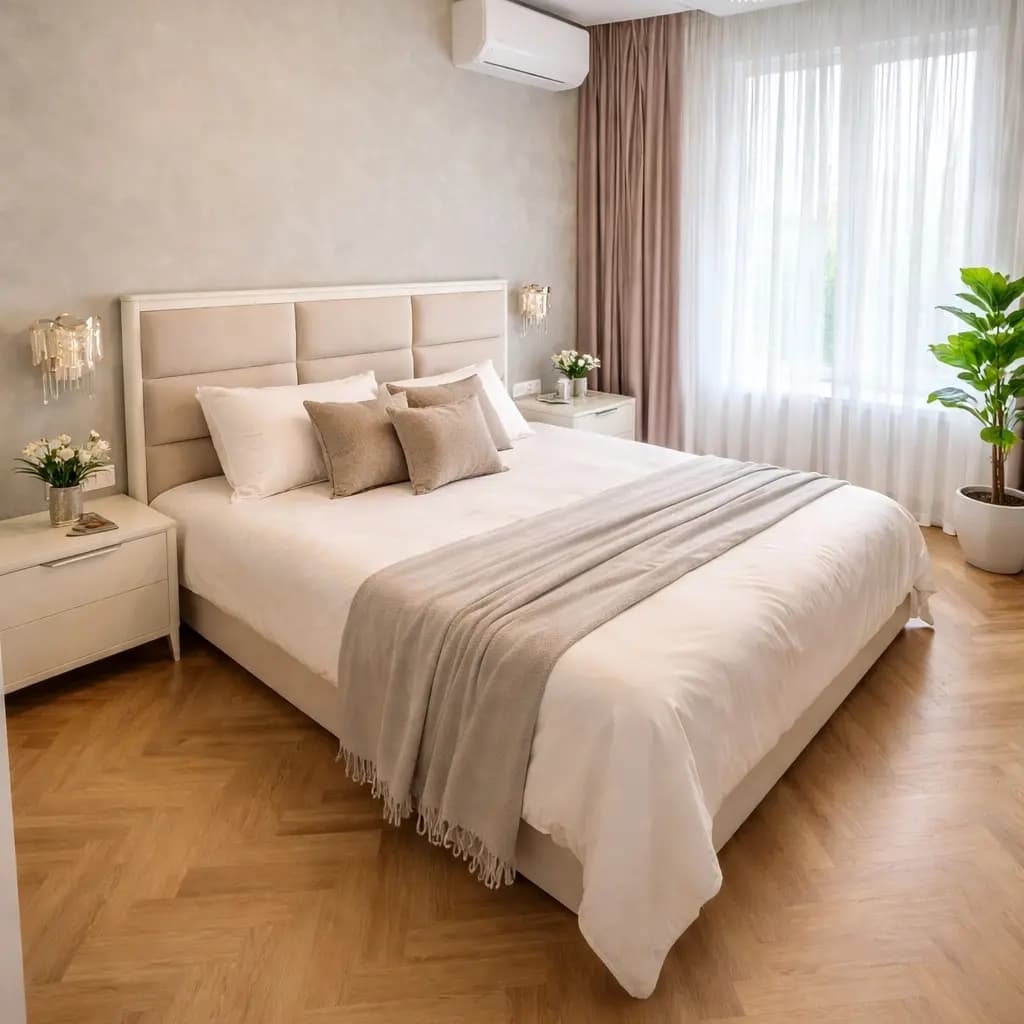
After your Providence photographer delivers stunning HDR photos, virtual staging transforms empty rooms into beautifully furnished spaces for just $0.10 per image. No furniture rental, no scheduling, no monthly fees. Upload your empty-room photos, choose from 11 design styles, and download MLS-ready staged images in under 60 seconds. It is the highest-ROI add-on to any photography package.
Top Neighborhoods for Photography in Providence
Professional photography is especially impactful in Providence's most competitive neighborhoods.
Photography Tips for Providence Properties
Read the architectural style first
Before composing the first frame, identify the architectural style and respond to it. Federal, Greek Revival, Italianate, Victorian and twentieth century inventory each demand different camera heights, framing, and detail emphasis. Generic templates produce generic listings in a market that pays a premium for authenticity.
Capture cobblestone and gaslamp context
On Benefit Street and similar College Hill blocks, the streetscape itself is part of the value. Compose at least one exterior frame that includes the cobblestone sidewalk and period streetlamps. That orientation is what distinguishes these listings from comparable inventory elsewhere.
Respect the triple-decker vocabulary
Federal Hill and Armory triple-deckers want exterior compositions that communicate the three-story scale, the porch stack, and the street relationship. Treat them as the urban building type they are rather than awkwardly framing them as if they were single-family homes from the suburbs.
Match staging to loft architecture
Jewelry District and West Side adapted industrial space demands industrial-vocabulary staging. Steel, concrete, leather, vintage lighting. Traditional residential furniture in these spaces reads as wrong and undercuts the listing's appeal to the buyer who actually wants this aesthetic.
Plan around New England seasons
Late September through October is the strongest exterior photography window. The fall color in the East Side is exceptional and dramatically improves architectural photography. Early spring is the weakest window. Mid-winter with snow can work for traditional Federal and Colonial inventory but rarely for industrial or contemporary spaces.
DIY Photography Tips for Providence Agents
If you photograph listings yourself, these tips will dramatically improve your results.
Shoot During Golden Hour
Schedule exterior shots for early morning or late afternoon. In Providence, this light flatters architecture and landscaping beautifully.
Use a Wide-Angle Lens
A 10-22mm wide-angle lens makes rooms look spacious. Avoid fish-eye distortion by keeping the camera level and centered.
Declutter Every Room
Remove personal items, excess furniture, and countertop clutter before shooting. Clean spaces photograph significantly better.
Turn On All Lights
Open blinds, turn on every light, and replace dim bulbs. Bright, warm rooms are more inviting and photograph better.
Stage Digitally After
Empty rooms? Use virtual staging at $0.10/image to add furniture digitally. No scheduling, no furniture rental, MLS-ready in 60 seconds.
More Providence Resources
Complete Your Providence Listing Photos
Add virtual staging to your professional photos. Starting from $0.10 per image.
Providence Real Estate Photography FAQ
How much does real estate photography cost in Providence?
Professional real estate photography in Providence typically costs $150-$350 per session for a standard residential listing. Premium packages with drone, twilight, and virtual tour add-ons can run $500-$1,000+. Many Providence agents find that pairing professional photos with virtual staging at $0.10/image delivers the best ROI.
What types of real estate photography are available in Providence?
Providence photographers offer interior and exterior HDR photography, aerial/drone shots, twilight photography, 3D virtual tours, and video walkthroughs. The most popular package for Providence listings includes 25-40 HDR interior and exterior shots. Drone photography is especially effective for properties in neighborhoods like East Side and Federal Hill.
Should I use drone photography for my Providence listing?
Drone photography is highly recommended for Providence properties with notable exterior features, large lots, waterfront views, or desirable locations. Aerial shots showcase the property's proximity to amenities and provide neighborhood context. In Providence, drone add-ons typically cost $100-$250 on top of the base photography package.
Is professional photography worth it for Providence listings?
Absolutely. With a median home price of $365,000 in Providence, professional photography delivers exceptional ROI. Listings with professional photos sell 32% faster and receive 118% more online views. At $365,000, even a small percentage increase in sale price far exceeds the $150-$350 investment.
How does virtual staging work with real estate photography?
After your Providence photographer delivers the final images, you can enhance empty rooms with virtual staging. Upload any photo to Agent Lens, choose a design style, and receive a professionally staged image in under 60 seconds for just $0.10. It is the perfect complement to professional photography — no furniture rental needed.