

Quick Answer
Miami listings have a different job than listings almost anywhere else. A large share of the buyer pool is international, a lot of offers come in sight-unseen, and a meaningful number of the closings are cash. That changes what the photo set has to prove. It's not enough to show the room is livable. The photos have to sell the building, the light, and the neighborhood to someone deciding from Bogotá, São Paulo, or Buenos Aires. Brickell high-rises, South Beach oceanfront condos, Coral Gables Mediterranean homes, Coconut Grove mid-centuries, and Wynwood lofts are five different products under one city name, and each of them pulls in a different slice of the international buyer pool. Virtual staging is useful here because it lets an agent render the same unit in two distinct palettes for two distinct audiences: a cleaner, lighter tropical-modern look for the US second-home buyer, and a slightly warmer, more saturated look that reads better to Latin American buyers used to European-influenced finishes. The shared constraint across all of them is the light. Miami's afternoon sun is harder and whiter than agents from northern markets expect, and any staging that doesn't anticipate it ends up looking washed out in the delivered photographs.
Key Takeaways
- 1Miami median home price: $590,000
- 2Average days on market: 54
- 3Virtual staging costs $0.10/photo vs $2,000-$5,000 for physical staging
- 4Staged homes sell 30-50% faster according to NAR
Home Staging in Miami
Virtual & Physical
Miami's international buyer pool and luxury condo market make professional staging essential. Coastal and modern styles dominate Miami listings, and staged properties capture attention from global investors browsing online. Virtual staging helps Miami agents appeal to buyers who may never visit in person before offering.
Miami Market Snapshot
The Miami real estate market has a median home price of $590,000 with homes averaging 54 days on market. In this competitive environment, staged homes sell faster and for more money. Virtual staging from $0.10 per image gives Miami agents the edge.
Miami Real Estate Market Stats
Why Stage Your Home in Miami?
With a median home price of $590,000, Miami homeowners have significant equity at stake. Staging your home can add 1-5% to the sale price — that's potentially thousands of dollars more at closing. In a market averaging 54 days on market, staging helps your listing sell faster and stand out from the competition.
Virtual Staging vs Physical Staging in Miami
Physical Staging in Miami
- Cost: $2,000-$5,000+
- Timeline: 1-2 weeks
- Real furniture for showings and open houses
- Monthly rental fees ($500-$1,500/month)
Virtual Staging
Recommended- Cost: $0.10 per image
- Timeline: Under 60 seconds
- Unlimited styles — try modern, coastal, luxury, and more
- No monthly fees — pay per image, cancel anytime
Top Neighborhoods in Miami
Home staging is especially impactful in Miami's most competitive neighborhoods.
How Virtual Staging Works
1. Upload Photo
Upload an empty room photo from your Miami listing directly in your browser.
2. AI Stages It
Choose from 11 design styles. Our AI adds realistic furniture and decor in under 60 seconds.
3. Download & List
Download high-resolution staged photos ready for MLS, Zillow, Realtor.com, and social media.
Virtual Staging in Miami
### Staging for the sight-unseen buyer
The defining feature of Miami deal flow is the sight-unseen offer. A buyer in Medellín or Manhattan sees the listing on Tuesday, runs a video tour on Wednesday, and signs by Friday. That buyer's entire relationship with the property is the photo set and the agent's answers on a Zoom call. Virtual staging under those conditions has to be forensic. Scale must be accurate. Light has to match the time of day the video tour will run. The staged balcony has to be believable enough that when the buyer's local rep walks the unit, nothing in the rendering contradicts what they see. That's a tighter standard than most US markets require, and it's why the Miami listings that close fast tend to have fewer rooms staged, but each one staged more carefully.
### Different buildings, different furniture language
Brickell glass towers are a different staging problem from South Beach oceanfront condos, and both are different from a Coral Gables single-family. In a Brickell new-build, the palette should be light, the furniture low-profile, and the materials modern. The goal is to not compete with the view or the skyline. In a South Beach condo from the 1990s or early 2000s, the building itself usually has strong Art Deco or MiMo details in the common areas, and the in-unit staging should lean slightly warmer, with more saturated textiles and a softer seating profile. Coral Gables Mediterranean Revival homes punish modernist staging. A white bouclé sofa in a room with red clay tile and wrought iron chandeliers looks rented. The fix is darker wood, heavier upholstery, and art that nods to the period without being literal. Coconut Grove mid-centuries want teak, rattan, and lighter linens. Wynwood lofts are the only submarket where bolder, more editorial staging routinely outperforms the safe choice, because that buyer is shopping for a design statement anyway. The underlying principle is that each of these Miami submarkets has its own buyer pool, its own price tier, and its own furniture language, and the listings that close fastest are the ones where the agent chose the render recipe specifically for the address instead of pulling from a default template. Virtual staging makes that specificity affordable at scale.
Home Staging Tips for Miami
Render the balcony as a real room
In Miami condos, the balcony is a meaningful part of the livable square footage. Stage it with a small dining set or a pair of lounge chairs and a side table. An empty balcony in a render reads as wasted space to a buyer who would use it daily.
Shoot and render at the right time of day
Brickell and Edgewater units with an east-facing balcony photograph best in morning light. South Beach units with a west-facing view photograph best at late afternoon or twilight. Match the virtual staging render's implied lighting to the actual shoot time so the result looks coherent.
Use a lighter palette for US buyers, warmer for international
A two-version render pays for itself on units being marketed to both audiences. The US domestic buyer responds better to pale oak, off-white upholstery, and coastal textures. Latin American buyers often respond to richer woods, warmer whites, and more formal dining setups.
Stage Coral Gables homes period-appropriately
Mediterranean Revival single-family homes should be staged with darker wood, wrought iron, and terra cotta or saturated textile accents. Generic modernist staging makes the house look like a short-term rental. Respect the tile and the ironwork the house already has.
Clean up amenity-area photos the same way
In high-rise listings, the pool deck, lobby, and gym photos need the same attention as the unit. Remove clutter, render empty loungers with neatly placed towels where allowed, and make sure the amenity set sells the lifestyle the list price implies.
More Miami Resources
Stage Your Miami Listing Today
Transform empty rooms into stunning staged photos. Starting from $0.10 per image.
Miami Home Staging FAQ
How much does home staging cost in Miami?
Physical home staging in Miami costs $2,000-$5,000 for a standard home, with luxury properties in areas like Brickell or Coral Gables costing $5,000-$15,000. Virtual staging with Agent Lens is just $0.10 per image — ideal for Miami's competitive market where professional photos are essential.
Is home staging worth it in Miami's market?
Absolutely. With a median home price of $590,000 and homes spending an average of 54 days on market, staged homes in Miami sell 30-50% faster. At $590,000, even a 1% price increase from staging means thousands more at closing.
How does virtual staging work for Miami listings?
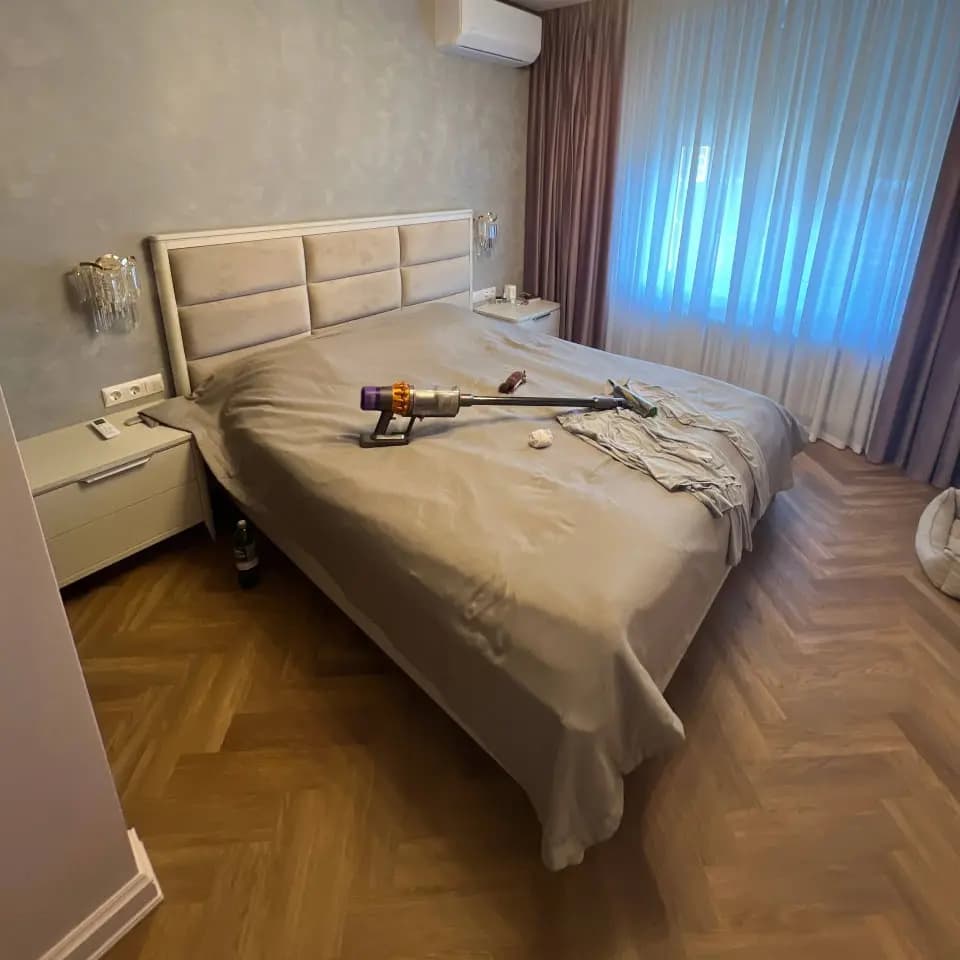
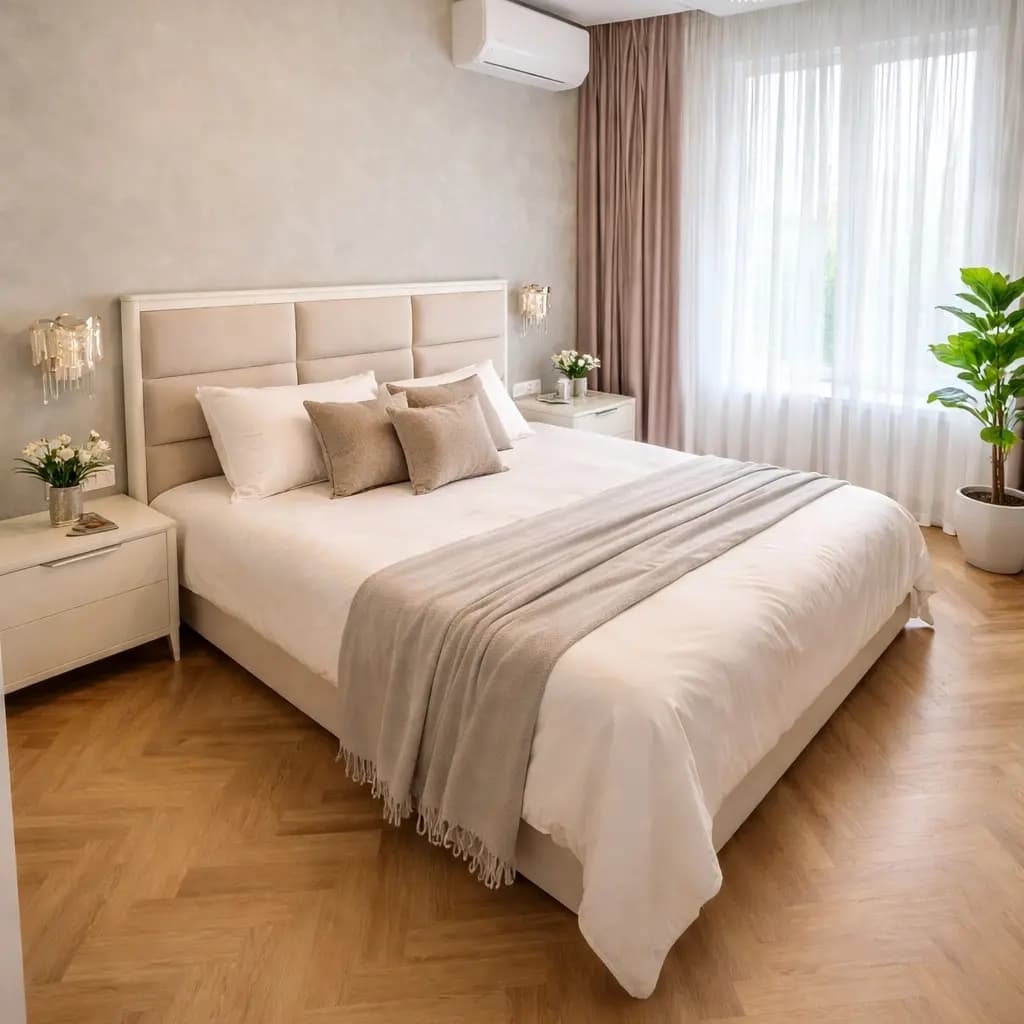
Virtual staging uses AI to add realistic furniture and decor to photos of empty rooms. Upload your Miami listing photos, choose a style (modern, coastal, farmhouse, etc.), and receive professionally staged images in under 60 seconds. Perfect for MLS listings and online marketing.
What staging styles are popular in Miami?
Miami buyers respond well to modern, contemporary, and transitional staging styles. In neighborhoods like Brickell and Coral Gables, luxury and coastal styles also perform strongly. Virtual staging lets you try multiple styles to see what resonates with Miami buyers.
Should I stage my Miami home before listing?
Yes. In Miami's market (median price $590,000, avg 54 days on market), staged homes consistently outperform non-staged listings. With 97% of buyers starting online, professional listing photos are your first showing. Virtual staging delivers professional results for $0.10/image.