

Quick Answer
Selling a home in Miami means selling into a market where international buyers, domestic relocators from the Northeast, and local move-up families compete for the same inventory through different financing channels. A Coral Gables Mediterranean Revival with barrel-tile roof and arched loggias signals different value to a Buenos Aires cash buyer than to a Connecticut family arriving with a mortgage commitment letter, and your listing presentation has to speak to both. Brickell condos move on a different clock than Coconut Grove single-families, which move differently than Pinecrest estates with banyan canopies and pool-deck cabanas. Hurricane-season listings carry insurance and roof-age questions that off-season listings sidestep. Virtual staging earns particular weight in Miami because the climate punishes physical staging furniture: humidity, salt air, and frequent showings degrade rented pieces quickly, and turnover between renters and sale-prep can leave units empty for weeks. AgentLens lets agents present a Sunny Isles oceanfront condo with rattan and bouclé furnishings, a Little Havana bungalow as a young-couple starter home with mid-century pieces, or a Doral townhouse as a corporate-relocation-ready furnished comp without a single moving truck. Buyer attention on Zillow and Realtor.com here lives or dies on the first three photos.
Key Takeaways
- 1Median price: $590,000
- 2Days on market: 54
- 3Best time to sell: March-April
- 4Average commission: 5-6%
Local Market Insight
Miami buyers read neighborhoods by waterfront access, school zone, and association rules. Coral Gables enforces strict architectural review boards that limit exterior changes, so staging here should celebrate original Mediterranean elements: pecky cypress ceilings, terra-cotta floors, wrought-iron stair rails. Coconut Grove buyers expect tropical hardwood, indoor-outdoor flow, and a covered porch staged as an outdoor living room with teak loungers. Pinecrest and Palmetto Bay families prioritize pool-and-yard staging, since lot sizes here justify the premium over closer-in neighborhoods. Brickell and Edgewater high-rise buyers want to see a furnished balcony with a small dining set, because outdoor square footage on the 30th floor sells the lifestyle. Wynwood and Little Havana sellers face buyers looking for character: original Dade County pine, tongue-and-groove ceilings, and casement windows that should be staged around, not hidden. Key Biscayne and Bal Harbour ultra-luxury listings need staging that acknowledges hurricane-rated impact glass and elevator-access primary suites. Aventura townhouse buyers tend to be downsizers from larger homes and respond to staging that defines a formal dining room rather than open-concept ambiguity.
How to Sell Your Home in Miami, FL
Your complete 2026 guide to selling a house in Miami, Florida. From pricing strategy to closing day — everything you need to sell fast and for top dollar.
8 Steps to Sell Your Miami Home
Step 1: Price It Right
Work with a local agent to run a comparative market analysis (CMA). Overpricing leads to stale listings; underpricing leaves money on the table. The right price attracts multiple offers and creates urgency.
Step 2: Hire a Local Agent
Choose a listing agent with proven sales in your neighborhood. A great agent handles pricing strategy, marketing, negotiations, and paperwork so you can focus on your move.
Step 3: Prepare & Stage Your Home
Declutter every room, deep-clean surfaces, fix minor repairs, and stage key spaces. Staged homes sell 30-50% faster. Virtual staging at $0.10/image is a cost-effective alternative to physical staging.
Step 4: Professional Photography
Invest in professional photos and a 3D virtual tour. Listings with high-quality photography receive 118% more views online. First impressions happen on-screen before any showing.
Step 5: List on MLS & Market
Your agent lists on the MLS which syndicates to Zillow, Realtor.com, and Redfin. Supplement with social media ads, email blasts, and targeted digital marketing for maximum exposure.
Step 6: Host Open Houses
Schedule open houses for the first two weekends after listing. A well-staged home with fresh flowers and good lighting creates an emotional connection that drives offers.
Step 7: Negotiate Offers
Review each offer on price, contingencies, financing type, and closing timeline. Your agent will help you counter-offer strategically. In competitive markets, multiple offers let you choose the strongest buyer.
Step 8: Close the Deal
Accept an offer, navigate the inspection and appraisal, clear any contingencies, and sign closing documents. Your agent and title company coordinate everything through a smooth closing day.
Stage Your Miami Listing
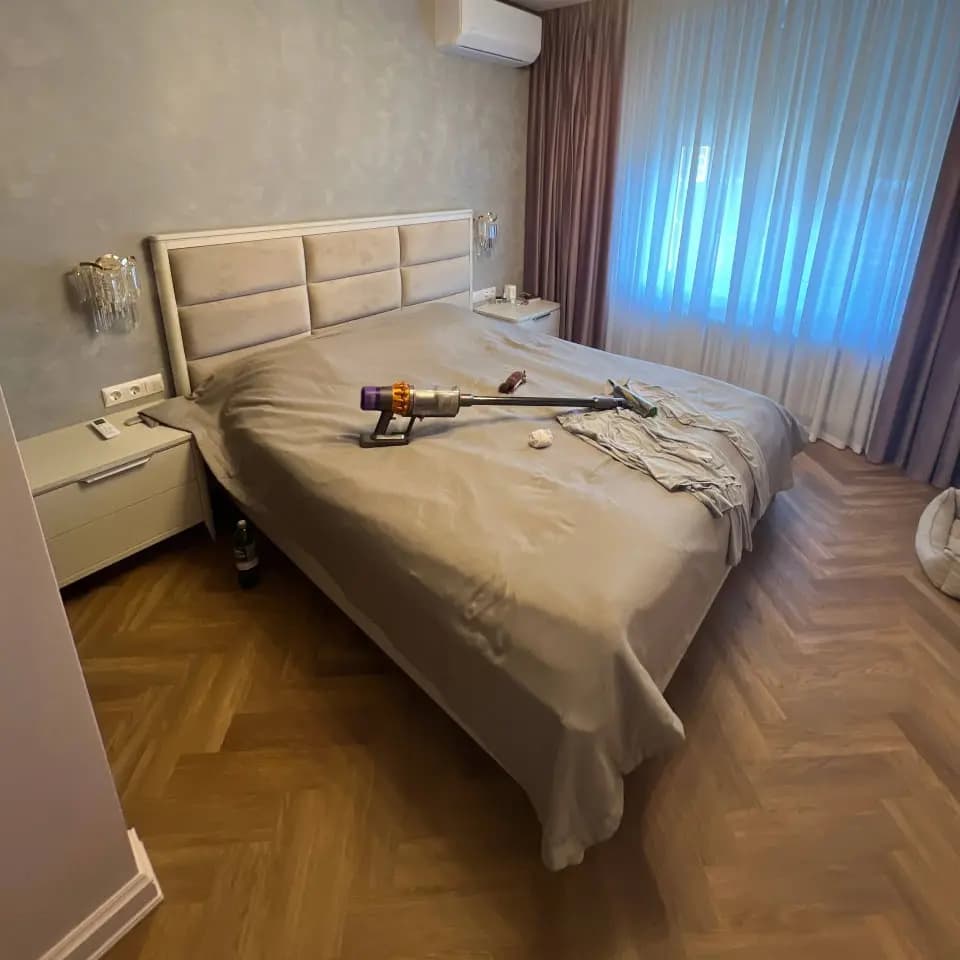
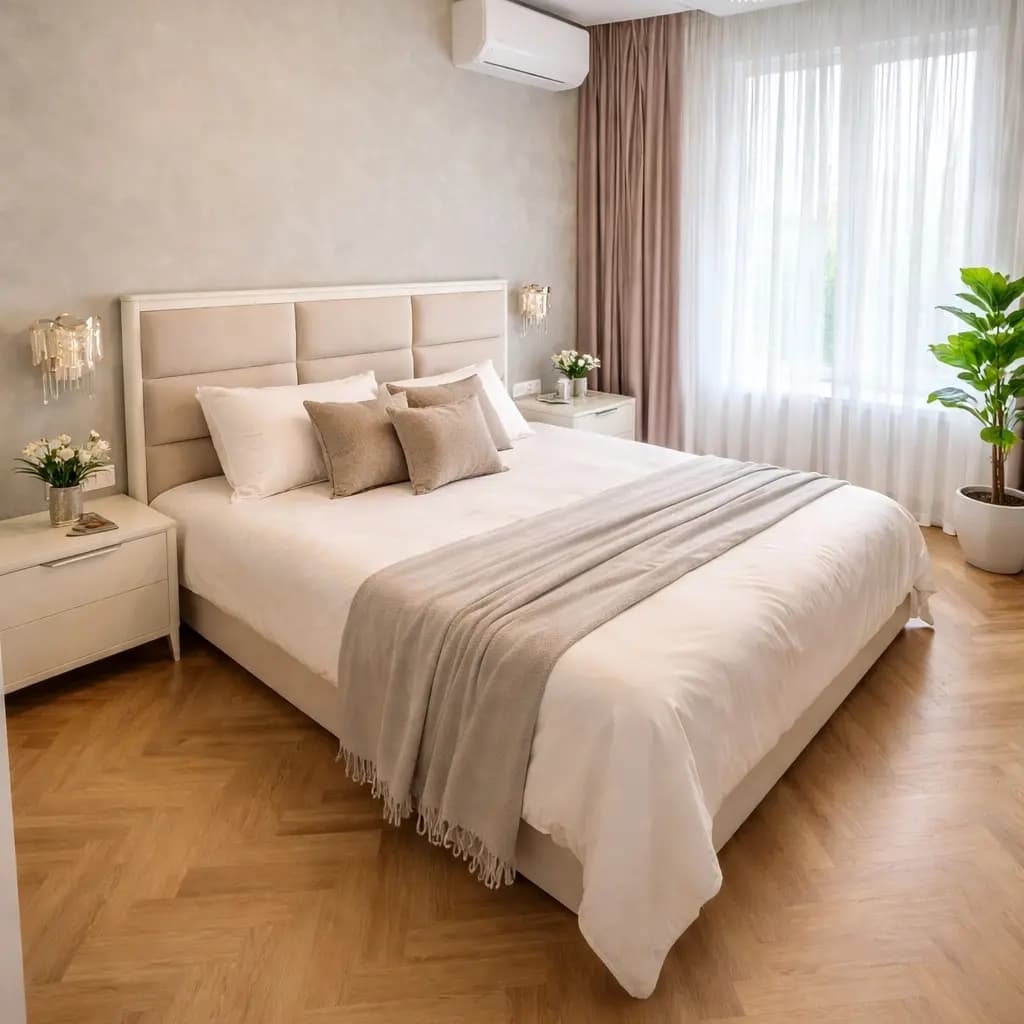
Staged homes in Miami sell faster and for more money. Virtual staging with Agent Lens costs just $0.10 per image — a fraction of the $2,000-$5,000 physical staging cost. Upload your listing photos and get photo-realistic staged images in under 60 seconds.
Local Tips for Selling in Miami
Hot Neighborhoods
Buyers are actively searching in these Miami neighborhoods. If your home is in or near these areas, emphasize location in your listing.
Timing Your Sale
In Miami, the best months to list are March-April. During this window, buyer activity peaks and homes typically sell closer to or above asking price. Plan your preparation 4-6 weeks before listing.
Miami Housing Market Overview
### Hurricane disclosures and roof age set the tone
Miami sellers cannot ignore wind-mitigation reports, four-point inspections, and roof age documentation. Insurance carriers in South Florida price coverage based on roof age, opening protection, and Wind Mitigation Form findings, and buyers' agents now request this paperwork early in the process. A roof installed before 2010 with three layers of shingles will trigger insurance quotes that scare off buyers before they tour. Sellers who commission a wind-mitigation inspection and a four-point report before listing remove a major friction point. Staging the home well is wasted effort if the insurance file makes the property uninsurable for the buyer's lender. Pair a clean inspection report with strong listing photography, and you compress days on market meaningfully.
### International buyers, FIRPTA, and association documents
Miami's foreign-buyer share remains higher than almost any other U.S. metro, which shapes how sellers prepare. Foreign sellers face FIRPTA withholding at closing unless they obtain a withholding certificate from the IRS in advance. Domestic sellers should still expect that a meaningful portion of buyer interest will come from Argentina, Brazil, Colombia, Venezuela, and Mexico, which means listing descriptions and signage benefit from Spanish-language versions and association documents need to be available digitally for review across time zones. Condo associations in Miami-Dade have tightened reserve-study and structural-inspection requirements after the 2021 Surfside collapse, and buyers now request the milestone inspection report and full reserve study before submitting offers on any building over thirty years old. Townhouse and single-family sellers in HOA communities should compile association financials, rules, and any pending special assessments into a single PDF for buyer review. On the staging side, AgentLens handles the warm tropical palette that resonates with Miami buyers: bleached oak floors paired with rattan armchairs, off-white linen sofas, and accent ceramics in coral and ocean-blue. For oceanfront condos, staging the primary bedroom with a low platform bed and sheer drapery preserves sightlines to the water, which is the actual product being sold. For inland Doral and Kendall homes, staging family rooms with sectional seating and a clearly defined kids' play corner addresses the relocating-family buyer pool driving demand from out of state.
Cost of Selling a Home in Miami
Top Selling Tips for Miami
Schedule exterior photography in early-morning golden hour to
Schedule exterior photography in early-morning golden hour to avoid harsh midday glare on white stucco facades and to capture palm-tree shadows that flatter Coral Gables and Coconut Grove curb appeal.
Stage covered patios and lanais as fully furnished
Stage covered patios and lanais as fully furnished outdoor rooms with dining table, lounge seating, and a ceiling fan visible; Miami buyers price outdoor square footage almost equally to interior.
For waterfront listings, stage a dock or seawall
For waterfront listings, stage a dock or seawall with a kayak, two Adirondack chairs, and a coiled hose to communicate that the water access is usable, not just legal.
Avoid heavy dark-wood European furniture in staging; it
Avoid heavy dark-wood European furniture in staging; it dates the listing and conflicts with the indoor-outdoor coastal aesthetic Miami buyers expect from Brickell to Key Biscayne.
Pre-order the wind-mitigation inspection, four-point inspection, and roof-age
Pre-order the wind-mitigation inspection, four-point inspection, and roof-age certification before listing day so your agent can attach them to the MLS supplements within forty-eight hours of going live.
Frequently Asked Questions About Selling in Miami
How much does it cost to sell a house in Miami?
The total cost of selling a house in Miami, FL typically ranges from 8-10% of the sale price. This includes agent commissions (5-6%), closing costs, title insurance, and transfer taxes. On a $590,000 home, expect to pay roughly $53,100 in total selling costs.
How long does it take to sell a house in Miami?
Homes in Miami currently spend an average of 54 days on market before going under contract. Add another 30-45 days for closing, meaning the entire process takes roughly 84-99 days from listing to keys. Pricing correctly and staging well can significantly reduce time on market.
When is the best time to sell a house in Miami?
The best months to sell a house in Miami, FL are March-April. During this window, buyer demand peaks, inventory competition is manageable, and homes tend to sell faster and closer to asking price. However, well-priced and staged homes attract buyers year-round.
Do I need a realtor to sell in Miami?
While you can sell FSBO (For Sale By Owner) in Miami, homes sold with an agent typically net 6-10% more after commissions. A local Miami agent brings MLS access, professional marketing, negotiation expertise, and knowledge of neighborhoods like Brickell and Coral Gables. Most sellers find the higher net proceeds justify the 5-6% commission.
Should I stage my home before selling in Miami?
Absolutely. Staged homes in Miami sell 30-50% faster and for 1-5% more than non-staged properties. With a median price of $590,000, even a 1% increase means thousands more at closing. Virtual staging with Agent Lens costs just $0.10/image and delivers photo-realistic results in seconds — a fraction of the $2,000-$5,000 physical staging cost.
More Resources for Miami
Stage Your Miami Listing with AI
Sell faster in Miami's $590,000 market — virtual staging from $0.10/image
Selling Guides for Other Cities
Explore home selling guides for markets across the United States.