

Quick Answer
St. Louis sellers prepare listings for a market split between historic city neighborhoods and post-war county suburbs, each with its own architectural vocabulary. The city's Central West End offers brick Renaissance Revival mansions, Lafayette Square holds Second Empire townhouses with mansard roofs, Tower Grove South features Gingerbread Victorians, and the Hill maintains tightly packed brick bungalows. County suburbs like Kirkwood, Webster Groves, and Clayton mix Tudor Revival, Colonial, and mid-century homes. This range means a single staging template fails most listings; a Lafayette Square parlor needs different furniture than a Chesterfield ranch. Virtual staging through AgentLens lets agents match style to neighborhood without coordinating multiple physical staging vendors. The St. Louis market also moves on photo quality because buyers relocating from out of state, particularly Chicago and Texas, evaluate properties online before booking trips. A well-staged primary bedroom and living room can convert an out-of-town buyer into a serious showing request, while empty rooms in older brick homes often read as deferred maintenance even when the property is move-in ready. AgentLens helps sellers cross that perception gap quickly.
Key Takeaways
- 1Median price: $215,000
- 2Days on market: 43
- 3Best time to sell: May-June
- 4Average commission: 5-6%
Local Market Insight
St. Louis brick architecture is the defining staging variable. The city's red brick buildings, particularly in Tower Grove, Benton Park, and Soulard, have heavy material presence that staging must balance rather than fight. Choose furniture with warm wood tones and textured upholstery that complements brick rather than oversized white sectionals that look out of place. Lafayette Square buyers expect period-aware staging: tufted velvet sofas, oriental rugs, and ornate mirrors that respect the Second Empire architecture. Central West End homes near Forest Park often have grand entryways with marble or tile floors; staging should leave these clear and use the dining room and parlor as the primary furnished rooms. The Hill's brick bungalows are smaller, so stage with scaled-down pieces and avoid sectionals. In the county, Kirkwood and Webster Groves Tudors expect traditional staging, while Clayton condos attract a more contemporary buyer who responds to neutral palettes. Chesterfield and West County buyers expect family rooms with sectionals, dining for six to eight, and primary bedrooms with king beds.
How to Sell Your Home in St. Louis, MO
Your complete 2026 guide to selling a house in St. Louis, Missouri. From pricing strategy to closing day — everything you need to sell fast and for top dollar.
8 Steps to Sell Your St. Louis Home
Step 1: Price It Right
Work with a local agent to run a comparative market analysis (CMA). Overpricing leads to stale listings; underpricing leaves money on the table. The right price attracts multiple offers and creates urgency.
Step 2: Hire a Local Agent
Choose a listing agent with proven sales in your neighborhood. A great agent handles pricing strategy, marketing, negotiations, and paperwork so you can focus on your move.
Step 3: Prepare & Stage Your Home
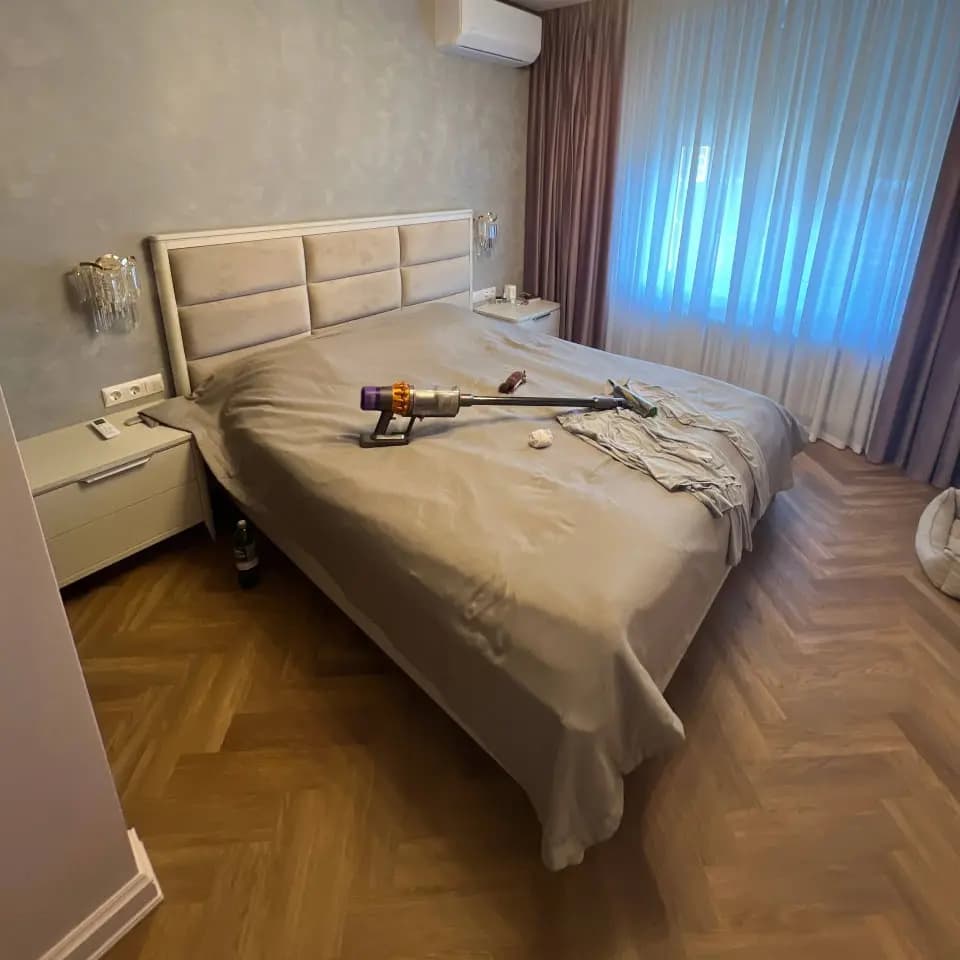
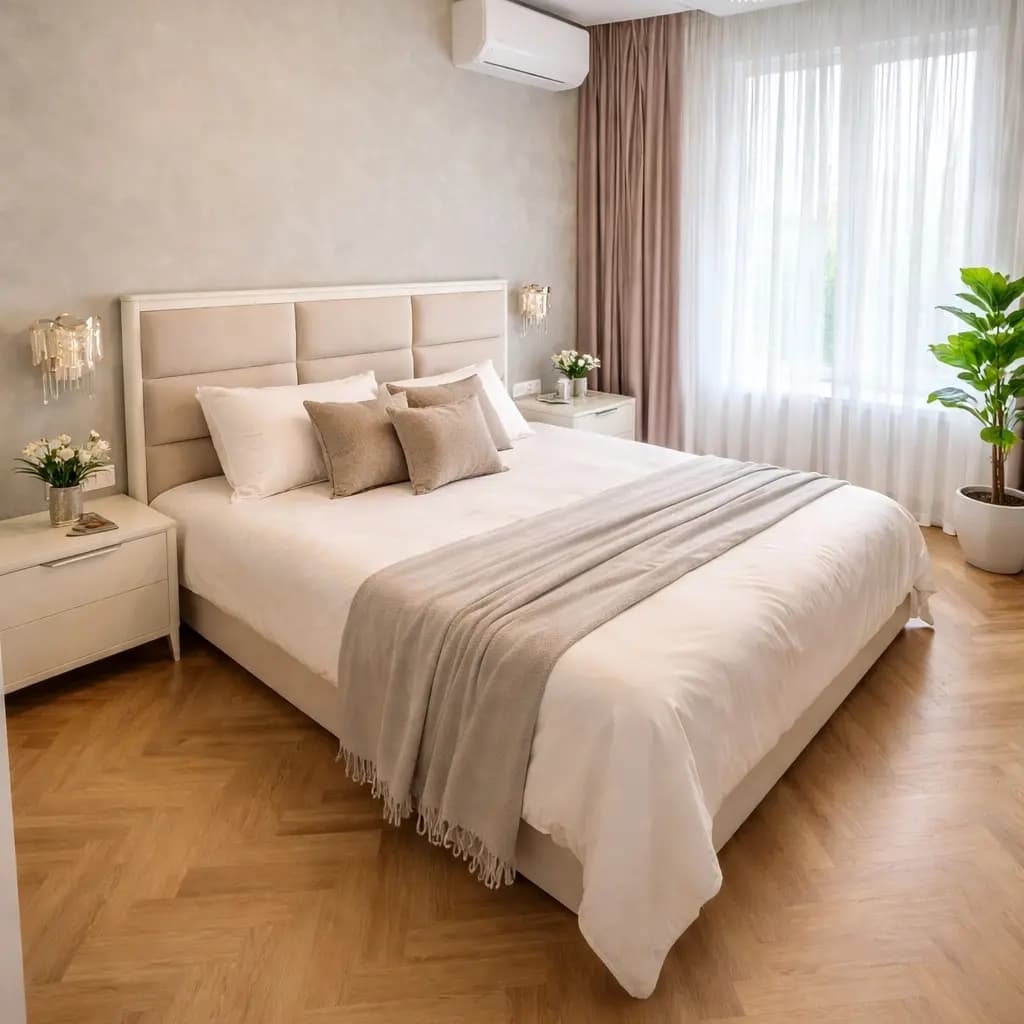
Declutter every room, deep-clean surfaces, fix minor repairs, and stage key spaces. Staged homes sell 30-50% faster. Virtual staging at $0.10/image is a cost-effective alternative to physical staging.
Step 4: Professional Photography
Invest in professional photos and a 3D virtual tour. Listings with high-quality photography receive 118% more views online. First impressions happen on-screen before any showing.
Step 5: List on MLS & Market
Your agent lists on the MLS which syndicates to Zillow, Realtor.com, and Redfin. Supplement with social media ads, email blasts, and targeted digital marketing for maximum exposure.
Step 6: Host Open Houses
Schedule open houses for the first two weekends after listing. A well-staged home with fresh flowers and good lighting creates an emotional connection that drives offers.
Step 7: Negotiate Offers
Review each offer on price, contingencies, financing type, and closing timeline. Your agent will help you counter-offer strategically. In competitive markets, multiple offers let you choose the strongest buyer.
Step 8: Close the Deal
Accept an offer, navigate the inspection and appraisal, clear any contingencies, and sign closing documents. Your agent and title company coordinate everything through a smooth closing day.
Stage Your St. Louis Listing
Staged homes in St. Louis sell faster and for more money. Virtual staging with Agent Lens costs just $0.10 per image — a fraction of the $2,000-$5,000 physical staging cost. Upload your listing photos and get photo-realistic staged images in under 60 seconds.
Local Tips for Selling in St. Louis
Hot Neighborhoods
Buyers are actively searching in these St. Louis neighborhoods. If your home is in or near these areas, emphasize location in your listing.
Timing Your Sale
In St. Louis, the best months to list are May-June. During this window, buyer activity peaks and homes typically sell closer to or above asking price. Plan your preparation 4-6 weeks before listing.
St. Louis Housing Market Overview
### Photographing St. Louis Brick Homes For Virtual Staging
Brick interior walls and exterior brick visible through windows are common in St. Louis, particularly in Soulard, Benton Park, and Tower Grove. Photographers should expose for the brick rather than the windows when shooting, because AgentLens uses the brick texture as a rendering anchor and underexposed walls produce muddy staged results. Use a tripod and bracket exposures so the staging engine has clear reference frames. For Lafayette Square and Compton Heights homes with original plaster walls, capture the wall texture in natural light from a side angle rather than straight-on, which preserves the depth that makes these rooms valuable. Many St. Louis homes have original hardwood floors, often quarter-sawn oak with intricate borders in Central West End mansions; photograph these floors clearly and request that staging not cover the borders with rugs in the primary photo of each room. For ranch homes in Affton, Crestwood, and Mehlville, shoot during midday for even light and avoid wide-angle distortion that makes living rooms look longer than they are.
### Matching Furniture To St. Louis Neighborhoods
Staging style should follow neighborhood expectations precisely. Lafayette Square and Compton Heights call for traditional formal staging: a Victorian-influenced parlor set, a dining room with carved wood furniture, and bedrooms with four-poster or sleigh beds. Central West End mansion staging works best with a transitional approach that respects the architecture without feeling like a museum: a tailored sofa, a pair of club chairs, and contemporary art that contrasts the period detail. Tower Grove South and Tower Grove East attract younger buyers who respond to mid-century walnut, warm whites, and woven textiles. The Hill and Bevo Mill bungalows are tight on space, so stage with a small loveseat, two accent chairs, and a compact dining set rather than a full sectional. Kirkwood and Webster Groves family homes need traditional staging with a navy or hunter green palette, leather chairs, and full dining rooms. Clayton and Ladue luxury condos do better with a contemporary palette: cream sofa, marble-look coffee table, and gallery-style art. AgentLens lets agents test multiple styles per room before publishing, which is particularly useful for inherited properties where the seller is uncertain which buyer profile to target.
Cost of Selling a Home in St. Louis
Top Selling Tips for St. Louis
For Lafayette Square and Compton Heights listings, request
For Lafayette Square and Compton Heights listings, request period-aware staging with tufted upholstery and ornate accents. Buyers in these neighborhoods reject contemporary furniture that clashes with Victorian architecture.
Keep original hardwood floor borders visible in Central
Keep original hardwood floor borders visible in Central West End and Skinker-DeBaliviere photos. AgentLens can position rugs to highlight rather than cover these features.
Stage smaller rooms in The Hill, Soulard, and
Stage smaller rooms in The Hill, Soulard, and Benton Park with scaled-down furniture. Oversized pieces make these brick row homes look cramped on phone screens.
For Kirkwood, Webster Groves, and Ladue family homes,
For Kirkwood, Webster Groves, and Ladue family homes, render formal dining rooms set for eight. Family buyers in these areas evaluate homes for holiday hosting.
In ranch homes throughout Affton, Crestwood, and South
In ranch homes throughout Affton, Crestwood, and South County, stage the basement family room when finished. Suburban St. Louis buyers expect this space and want to see it furnished.
Frequently Asked Questions About Selling in St. Louis
How much does it cost to sell a house in St. Louis?
The total cost of selling a house in St. Louis, MO typically ranges from 8-10% of the sale price. This includes agent commissions (5-6%), closing costs, title insurance, and transfer taxes. On a $215,000 home, expect to pay roughly $19,350 in total selling costs.
How long does it take to sell a house in St. Louis?
Homes in St. Louis currently spend an average of 43 days on market before going under contract. Add another 30-45 days for closing, meaning the entire process takes roughly 73-88 days from listing to keys. Pricing correctly and staging well can significantly reduce time on market.
When is the best time to sell a house in St. Louis?
The best months to sell a house in St. Louis, MO are May-June. During this window, buyer demand peaks, inventory competition is manageable, and homes tend to sell faster and closer to asking price. However, well-priced and staged homes attract buyers year-round.
Do I need a realtor to sell in St. Louis?
While you can sell FSBO (For Sale By Owner) in St. Louis, homes sold with an agent typically net 6-10% more after commissions. A local St. Louis agent brings MLS access, professional marketing, negotiation expertise, and knowledge of neighborhoods like Central West End and Clayton. Most sellers find the higher net proceeds justify the 5-6% commission.
Should I stage my home before selling in St. Louis?
Absolutely. Staged homes in St. Louis sell 30-50% faster and for 1-5% more than non-staged properties. With a median price of $215,000, even a 1% increase means thousands more at closing. Virtual staging with Agent Lens costs just $0.10/image and delivers photo-realistic results in seconds — a fraction of the $2,000-$5,000 physical staging cost.
More Resources for St. Louis
Stage Your St. Louis Listing with AI
Sell faster in St. Louis's $215,000 market — virtual staging from $0.10/image
Selling Guides for Other Cities
Explore home selling guides for markets across the United States.