

Quick Answer
Washington DC sellers operate in a market shaped by row architecture, federal worker schedules, and a buyer pool that rotates with administration cycles. The District's housing stock concentrates in narrow rowhouses across Capitol Hill, Logan Circle, Shaw, Bloomingdale, and Petworth, with detached homes appearing mainly in Chevy Chase DC, Forest Hills, and Palisades. Condo inventory dominates the West End, Penn Quarter, NoMa, and Navy Yard. Each segment carries different staging expectations: a Capitol Hill Federal-style rowhouse expects traditional furniture with antique-style accents, while a Navy Yard condo expects contemporary minimalism. Virtual staging fits DC's compressed listing timelines because federal hiring cycles and congressional recesses push sellers to launch listings in narrow windows, often in early spring and late summer. AgentLens lets DC agents prepare staged photos within a day of the photo shoot and adjust styling for different buyer profiles, including Hill staff, lobbyists, government professionals, and military families relocating to the Pentagon or Joint Base Anacostia-Bolling. The District's buyer pool also includes a meaningful share of international and foreign service relocations, which respond to staging that signals Western traditional or transitional style rather than overly trendy choices.
Key Takeaways
- 1Median price: $645,000
- 2Days on market: 36
- 3Best time to sell: May-June
- 4Average commission: 5-6%
Local Market Insight
DC rowhouse staging is its own discipline. Capitol Hill Federal rowhouses, Logan Circle Victorians, Shaw Italianates, and Bloomingdale Wardman rowhouses all share a narrow footprint that punishes oversized furniture. Stage these homes with slim-arm sofas, single accent chairs rather than pairs, and round dining tables that work with the typical 12-to-14-foot room width. Capitol Hill near Eastern Market expects traditional staging with brass lamps, leather club chairs, and dark wood; this neighborhood attracts congressional staff and committee professionals who furnish in this register. Logan Circle and Dupont Circle skew toward transitional styling: tailored sofas, curated art, and mixed metals. Shaw and U Street attract a younger buyer who responds to mid-century modern and warm whites. Petworth and Brookland buyers want move-in ready presentation with neutral palettes and clear room functions. For Chevy Chase DC and Forest Hills detached homes, stage formal dining rooms, family rooms, and primary suites in traditional or transitional style. Navy Yard and Wharf condos expect contemporary minimalism with a clear view path to any river or city outlook.
How to Sell Your Home in Washington, DC
Your complete 2026 guide to selling a house in Washington, District of Columbia. From pricing strategy to closing day — everything you need to sell fast and for top dollar.
8 Steps to Sell Your Washington Home
Step 1: Price It Right
Work with a local agent to run a comparative market analysis (CMA). Overpricing leads to stale listings; underpricing leaves money on the table. The right price attracts multiple offers and creates urgency.
Step 2: Hire a Local Agent
Choose a listing agent with proven sales in your neighborhood. A great agent handles pricing strategy, marketing, negotiations, and paperwork so you can focus on your move.
Step 3: Prepare & Stage Your Home
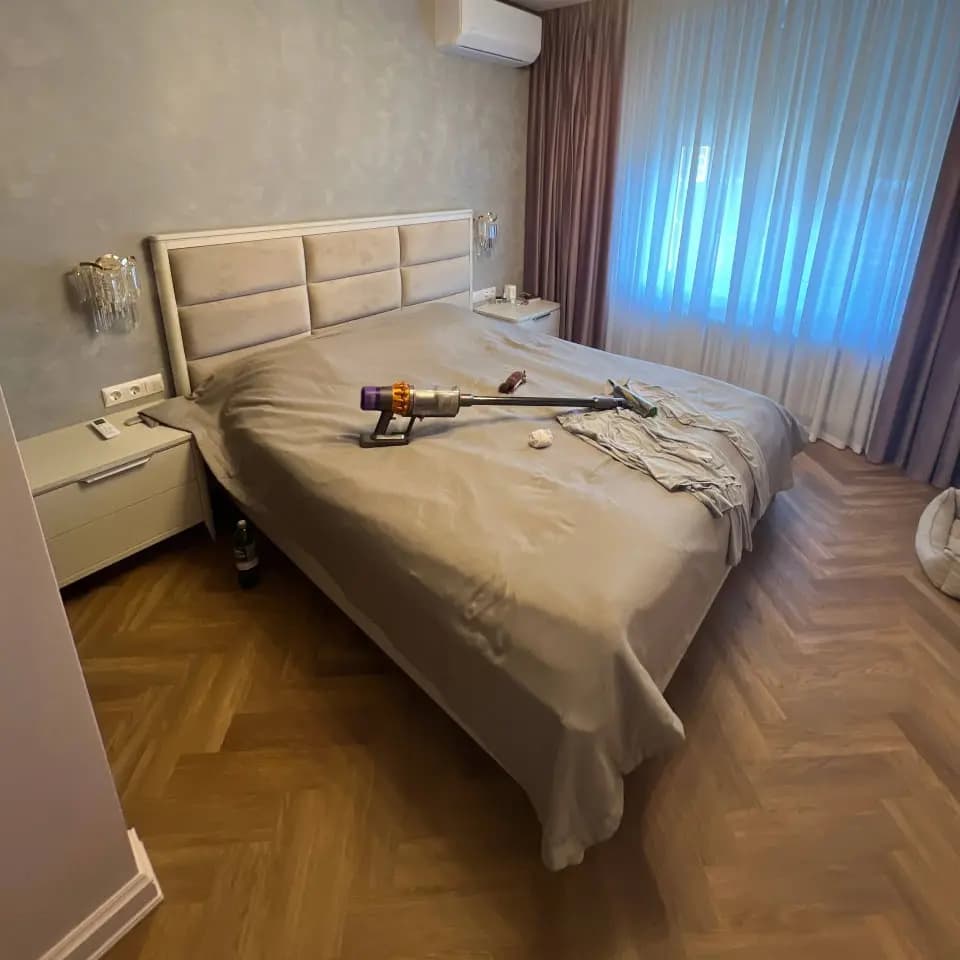
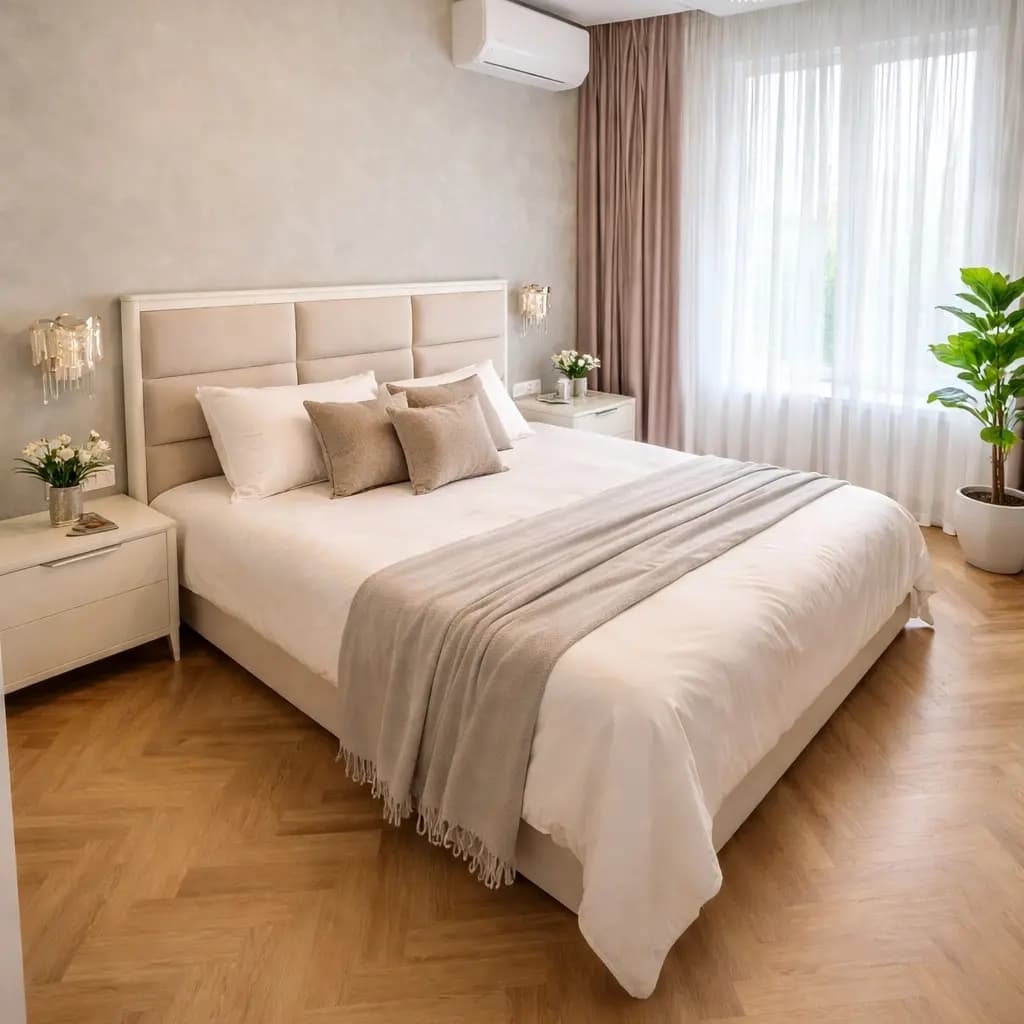
Declutter every room, deep-clean surfaces, fix minor repairs, and stage key spaces. Staged homes sell 30-50% faster. Virtual staging at $0.10/image is a cost-effective alternative to physical staging.
Step 4: Professional Photography
Invest in professional photos and a 3D virtual tour. Listings with high-quality photography receive 118% more views online. First impressions happen on-screen before any showing.
Step 5: List on MLS & Market
Your agent lists on the MLS which syndicates to Zillow, Realtor.com, and Redfin. Supplement with social media ads, email blasts, and targeted digital marketing for maximum exposure.
Step 6: Host Open Houses
Schedule open houses for the first two weekends after listing. A well-staged home with fresh flowers and good lighting creates an emotional connection that drives offers.
Step 7: Negotiate Offers
Review each offer on price, contingencies, financing type, and closing timeline. Your agent will help you counter-offer strategically. In competitive markets, multiple offers let you choose the strongest buyer.
Step 8: Close the Deal
Accept an offer, navigate the inspection and appraisal, clear any contingencies, and sign closing documents. Your agent and title company coordinate everything through a smooth closing day.
Stage Your Washington Listing
Staged homes in Washington sell faster and for more money. Virtual staging with Agent Lens costs just $0.10 per image — a fraction of the $2,000-$5,000 physical staging cost. Upload your listing photos and get photo-realistic staged images in under 60 seconds.
Local Tips for Selling in Washington
Hot Neighborhoods
Buyers are actively searching in these Washington neighborhoods. If your home is in or near these areas, emphasize location in your listing.
Timing Your Sale
In Washington, the best months to list are May-June. During this window, buyer activity peaks and homes typically sell closer to or above asking price. Plan your preparation 4-6 weeks before listing.
Washington Housing Market Overview
### DC Rowhouse Photo Strategy For Virtual Staging
DC rowhouses present specific photographic challenges that affect staging quality. Most rowhouses are oriented north-south with windows only at the front and back, which means middle rooms (typically dining rooms) receive limited natural light. Schedule shoots for midday in spring or summer when sun reaches deeper into the floor plate. Use a tripod and exposure bracketing so AgentLens has clean reference frames for the AI to process. Capitol Hill and Logan Circle rowhouses often have original details: marble fireplaces, plaster medallions, original pine or oak floors, and pocket doors. Capture these details in dedicated frames so the staging engine preserves them. Shaw and Bloomingdale rowhouses commonly have exposed brick on one wall after renovation; photograph straight-on to give the AI a clean texture reference. For Chevy Chase DC and Forest Hills detached homes, shoot from corners to capture room proportions accurately, particularly in living rooms with bay windows where wide-angle distortion can mislead buyers about scale.
### Furniture Style By DC Neighborhood
Match staging style to the neighborhood buyer profile rather than to a generic DC template. Capitol Hill near Eastern Market and Lincoln Park calls for traditional staging: a Chesterfield sofa, leather club chair, oriental rug, dark wood dining set, and brass library lamps. The buyer pool here includes congressional staff, committee professionals, and academic families who furnish in this register. Logan Circle, Dupont Circle, and Mount Vernon Triangle do better with transitional staging: tailored sofas in neutral linens, curated mixed-period art, walnut accent tables, and minimal but intentional accessories. Shaw, U Street, and Bloomingdale attract a younger professional buyer responsive to mid-century walnut, warm whites, woven rugs, and Scandinavian-influenced lighting. Petworth, Park View, and Brookland favor move-in ready neutrals: cream sofa, oak coffee table, soft area rug, and bedrooms staged with clear function (queen bed, two nightstands, dresser). For Navy Yard, Wharf, and Penn Quarter condos, render contemporary minimalism with a low-profile sofa, marble-look coffee table, abstract art, and a clear sight line from entry to view windows. Chevy Chase DC, Forest Hills, and Palisades detached homes need full traditional staging including formal dining rooms set for eight, family rooms with sectionals, and primary suites with king beds. AgentLens lets agents preview multiple styles before committing to a final listing presentation.
Cost of Selling a Home in Washington
Top Selling Tips for Washington
For Capitol Hill, Logan Circle, and Shaw rowhouses,
For Capitol Hill, Logan Circle, and Shaw rowhouses, stage with slim-arm furniture sized to 14-foot room widths. Oversized sectionals make narrow rowhouses look cramped on phone screens.
Render at least one bedroom as a home
Render at least one bedroom as a home office in Petworth, Bloomingdale, and Park View listings. Federal worker buyers prioritize remote-work space.
Keep original details visible in Capitol Hill Federal
Keep original details visible in Capitol Hill Federal rowhouses and Logan Circle Victorians. Marble fireplaces, plaster medallions, and pocket doors are valued features.
Stage Navy Yard, Wharf, and Penn Quarter condos
Stage Navy Yard, Wharf, and Penn Quarter condos with a clear view path from entry to any river or city window. Buyers in these units pay for the outlook.
For Chevy Chase DC, Forest Hills, and Palisades
For Chevy Chase DC, Forest Hills, and Palisades detached homes, render formal dining rooms set for eight. Family buyers in these neighborhoods evaluate for entertaining capacity.
Frequently Asked Questions About Selling in Washington
How much does it cost to sell a house in Washington?
The total cost of selling a house in Washington, DC typically ranges from 8-10% of the sale price. This includes agent commissions (5-6%), closing costs, title insurance, and transfer taxes. On a $645,000 home, expect to pay roughly $58,050 in total selling costs.
How long does it take to sell a house in Washington?
Homes in Washington currently spend an average of 36 days on market before going under contract. Add another 30-45 days for closing, meaning the entire process takes roughly 66-81 days from listing to keys. Pricing correctly and staging well can significantly reduce time on market.
When is the best time to sell a house in Washington?
The best months to sell a house in Washington, DC are May-June. During this window, buyer demand peaks, inventory competition is manageable, and homes tend to sell faster and closer to asking price. However, well-priced and staged homes attract buyers year-round.
Do I need a realtor to sell in Washington?
While you can sell FSBO (For Sale By Owner) in Washington, homes sold with an agent typically net 6-10% more after commissions. A local Washington agent brings MLS access, professional marketing, negotiation expertise, and knowledge of neighborhoods like Georgetown and Capitol Hill. Most sellers find the higher net proceeds justify the 5-6% commission.
Should I stage my home before selling in Washington?
Absolutely. Staged homes in Washington sell 30-50% faster and for 1-5% more than non-staged properties. With a median price of $645,000, even a 1% increase means thousands more at closing. Virtual staging with Agent Lens costs just $0.10/image and delivers photo-realistic results in seconds — a fraction of the $2,000-$5,000 physical staging cost.
More Resources for Washington
Stage Your Washington Listing with AI
Sell faster in Washington's $645,000 market — virtual staging from $0.10/image
Selling Guides for Other Cities
Explore home selling guides for markets across the United States.