

Quick Answer
Selling a home in Tampa requires reading three distinct buyer pools at once: relocating professionals chasing waterfront access in South Tampa, Hyde Park families hunting for renovated bungalows near Bayshore Boulevard, and out-of-state retirees scanning Westchase or New Tampa for newer construction with screened lanais. Each subgroup judges photographs differently. A 1925 Craftsman in Seminole Heights with original heart-pine floors needs imagery that respects the wood grain rather than masking it under generic gray laminate, while a 2018 Mediterranean Revival in Channelside needs staging that complements travertine and wrought-iron stair rails. Photo presentation drives the first 48 hours of saved searches on Zillow, and Tampa's saturated late-spring inventory means listings without dressed rooms slide below newer competition by day eight. Virtual staging from AgentLens gives Tampa agents a way to fill blank Florida rooms with palm-friendly furniture, coastal sectionals, and rattan accents tuned to MLS photography lighting. The tool reads original room geometry, preserves window views of the Hillsborough River or Tampa Bay, and outputs photorealistic furnished versions ready for the listing within minutes. That speed matters when sellers want their home active before the next Davis Islands open house cycle begins.
Key Takeaways
- 1Median price: $395,000
- 2Days on market: 43
- 3Best time to sell: March-April
- 4Average commission: 5-6%
Local Market Insight
Tampa neighborhoods reward specificity. Davis Islands buyers expect Old Florida details — pecky cypress ceilings, wood-burning fireplaces, and arched doorways — staged with restraint, not nautical kitsch. Hyde Park Village shoppers respond to bungalow-scaled furniture: a 78-inch sofa, a slim Parsons dining table, and brass picture lights against picture-rail molding. South Tampa's Beach Park audience leans into Mediterranean Revival with iron chandeliers, terracotta tile, and saturated jewel tones in dining rooms. Westchase and Carrollwood prefer transitional staging with shaker cabinets, white oak floors, and soft sage accents. Channelside and Water Street condos call for low-profile platform beds, walnut credenzas, and city-view-friendly window treatments that disappear behind sheer linen. Seminole Heights remains the bungalow-renovation belt, where buyers want to see how a 1,400-square-foot home accommodates a remote-work setup, a small dining nook, and a screened back porch with a hanging daybed. Hurricane season also shapes presentation — interior photos taken June through October should avoid storm-shutter shadows, and exterior staging should never digitally remove sandbags or impact windows that buyers actively search for.
How to Sell Your Home in Tampa, FL
Your complete 2026 guide to selling a house in Tampa, Florida. From pricing strategy to closing day — everything you need to sell fast and for top dollar.
8 Steps to Sell Your Tampa Home
Step 1: Price It Right
Work with a local agent to run a comparative market analysis (CMA). Overpricing leads to stale listings; underpricing leaves money on the table. The right price attracts multiple offers and creates urgency.
Step 2: Hire a Local Agent
Choose a listing agent with proven sales in your neighborhood. A great agent handles pricing strategy, marketing, negotiations, and paperwork so you can focus on your move.
Step 3: Prepare & Stage Your Home
Declutter every room, deep-clean surfaces, fix minor repairs, and stage key spaces. Staged homes sell 30-50% faster. Virtual staging at $0.10/image is a cost-effective alternative to physical staging.
Step 4: Professional Photography
Invest in professional photos and a 3D virtual tour. Listings with high-quality photography receive 118% more views online. First impressions happen on-screen before any showing.
Step 5: List on MLS & Market
Your agent lists on the MLS which syndicates to Zillow, Realtor.com, and Redfin. Supplement with social media ads, email blasts, and targeted digital marketing for maximum exposure.
Step 6: Host Open Houses
Schedule open houses for the first two weekends after listing. A well-staged home with fresh flowers and good lighting creates an emotional connection that drives offers.
Step 7: Negotiate Offers
Review each offer on price, contingencies, financing type, and closing timeline. Your agent will help you counter-offer strategically. In competitive markets, multiple offers let you choose the strongest buyer.
Step 8: Close the Deal
Accept an offer, navigate the inspection and appraisal, clear any contingencies, and sign closing documents. Your agent and title company coordinate everything through a smooth closing day.
Stage Your Tampa Listing
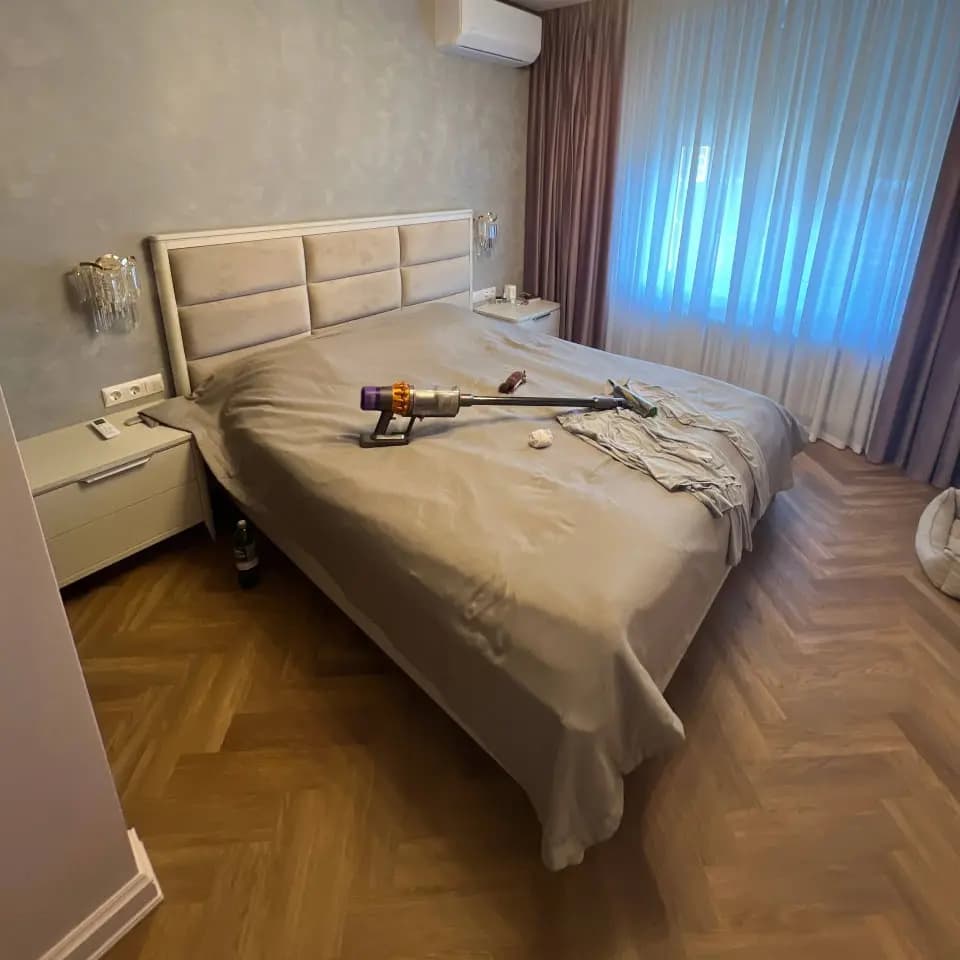
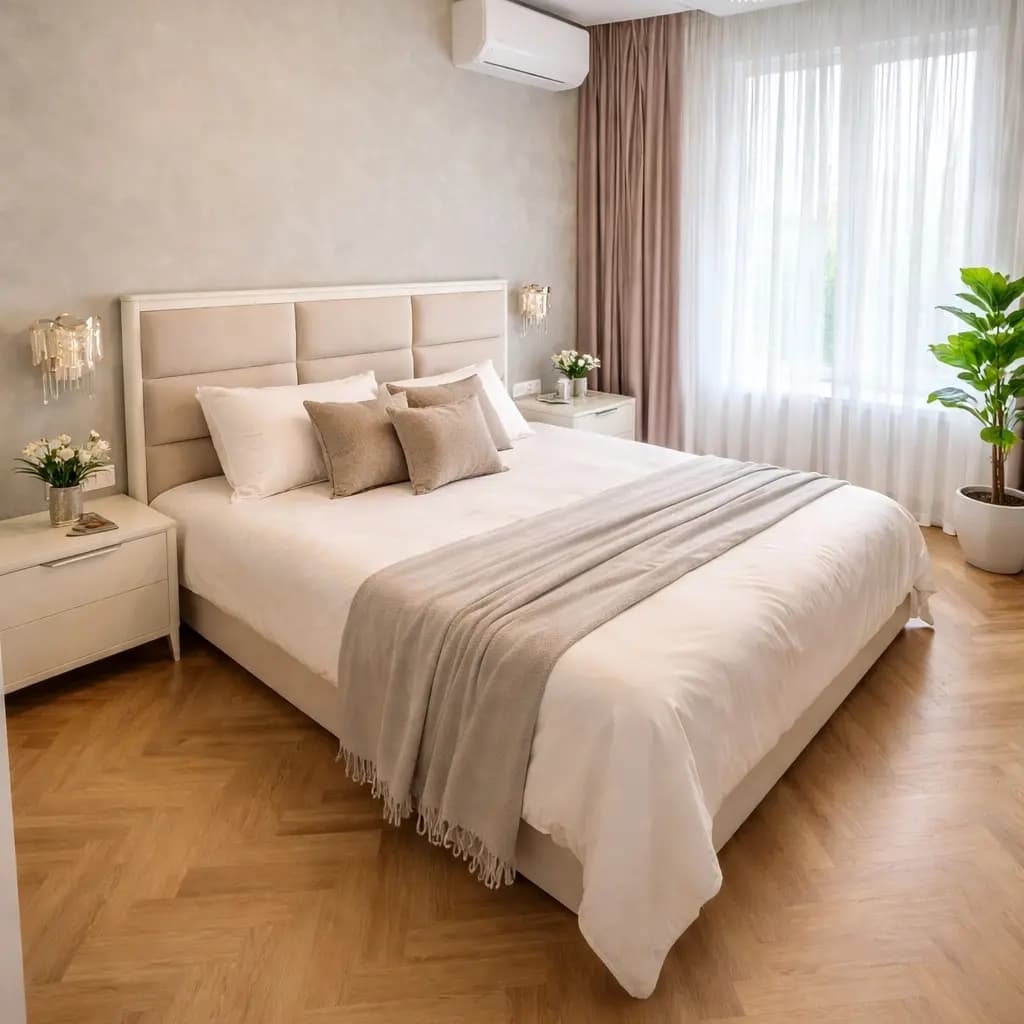
Staged homes in Tampa sell faster and for more money. Virtual staging with Agent Lens costs just $0.10 per image — a fraction of the $2,000-$5,000 physical staging cost. Upload your listing photos and get photo-realistic staged images in under 60 seconds.
Local Tips for Selling in Tampa
Hot Neighborhoods
Buyers are actively searching in these Tampa neighborhoods. If your home is in or near these areas, emphasize location in your listing.
Timing Your Sale
In Tampa, the best months to list are March-April. During this window, buyer activity peaks and homes typically sell closer to or above asking price. Plan your preparation 4-6 weeks before listing.
Tampa Housing Market Overview
### Pricing Strategy and Listing Cadence
Tampa list-price strategy depends heavily on submarket velocity. South Tampa zip codes like 33606 and 33629 still move under 30 days when staging quality is high, while Brandon, Riverview, and Wesley Chapel sit closer to 50 before reductions begin. Pricing slightly under round thresholds — for instance, listing a Hyde Park townhome at 619,000 instead of 625,000 — captures search-filter buyers who cap at common increments. Reductions hurt less when the first photoset already showed staged living rooms, dressed primary bedrooms, and at least one outdoor entertaining area. Agents who relist after two weeks with new virtually staged images often see a renewed click-through spike on Zillow and Realtor.com, particularly when the second set introduces a home office or a flex room previously shown empty.
### Photography, Staging, and Inspection Prep
Tampa light is harsh between 11 a.m. and 3 p.m., so most listing photographers shoot early morning or late afternoon. AgentLens virtual staging compensates for shadow patterns common in west-facing Beach Park living rooms and east-facing Channelside kitchens by rendering furniture under diffuse lighting that matches the original RAW exposure. Empty rooms photographed at 24mm should be staged with appropriately scaled furniture — a king bed in a 12-by-14 primary, a 92-inch sofa in a 16-foot great room — to avoid the doll-furniture effect. Inspection prep in Tampa centers on roof age, four-point insurance documents, polybutylene plumbing in 1980s homes, and wind mitigation reports. Sellers who pre-order a wind mitigation inspection and post it in MLS attachments shorten contract-to-close timelines and reduce renegotiation pressure after the buyer's inspection period.
Cost of Selling a Home in Tampa
Top Selling Tips for Tampa
Shoot exteriors of South Tampa homes during the
Shoot exteriors of South Tampa homes during the golden hour to bring out coral-pink stucco and sago-palm detail without blowing out the sky.
Stage Seminole Heights bungalows with a small home-office
Stage Seminole Heights bungalows with a small home-office nook in the second bedroom — buyers actively search for hybrid-work layouts.
Order a wind mitigation report before listing and
Order a wind mitigation report before listing and attach it in MLS to remove insurance-related friction during the inspection period.
For Channelside high-rises, virtually stage with low-profile furniture
For Channelside high-rises, virtually stage with low-profile furniture so the bay or skyline view remains the dominant focal point.
Replace empty Florida room photos with rattan seating
Replace empty Florida room photos with rattan seating and a sisal rug to convert dead square footage into a buyer-recognized lounge.
Frequently Asked Questions About Selling in Tampa
How much does it cost to sell a house in Tampa?
The total cost of selling a house in Tampa, FL typically ranges from 8-10% of the sale price. This includes agent commissions (5-6%), closing costs, title insurance, and transfer taxes. On a $395,000 home, expect to pay roughly $35,550 in total selling costs.
How long does it take to sell a house in Tampa?
Homes in Tampa currently spend an average of 43 days on market before going under contract. Add another 30-45 days for closing, meaning the entire process takes roughly 73-88 days from listing to keys. Pricing correctly and staging well can significantly reduce time on market.
When is the best time to sell a house in Tampa?
The best months to sell a house in Tampa, FL are March-April. During this window, buyer demand peaks, inventory competition is manageable, and homes tend to sell faster and closer to asking price. However, well-priced and staged homes attract buyers year-round.
Do I need a realtor to sell in Tampa?
While you can sell FSBO (For Sale By Owner) in Tampa, homes sold with an agent typically net 6-10% more after commissions. A local Tampa agent brings MLS access, professional marketing, negotiation expertise, and knowledge of neighborhoods like South Tampa and Hyde Park. Most sellers find the higher net proceeds justify the 5-6% commission.
Should I stage my home before selling in Tampa?
Absolutely. Staged homes in Tampa sell 30-50% faster and for 1-5% more than non-staged properties. With a median price of $395,000, even a 1% increase means thousands more at closing. Virtual staging with Agent Lens costs just $0.10/image and delivers photo-realistic results in seconds — a fraction of the $2,000-$5,000 physical staging cost.
More Resources for Tampa
Stage Your Tampa Listing with AI
Sell faster in Tampa's $395,000 market — virtual staging from $0.10/image
Selling Guides for Other Cities
Explore home selling guides for markets across the United States.