

Quick Answer
Selling a home in Detroit means working with a market that punishes vacancy and rewards documented livability. Buyers crossing Woodward toward Boston-Edison, Indian Village, or the brick four-squares of East English Village arrive having already rejected a dozen listings where sagging porches, peeling paint on bargeboards, or empty rooms suggested neglect. The agents who close in 55 days or fewer are those who treat photography as a forensic exercise: every shot must answer a buyer question before it forms. Virtual staging, when paired with honest condition disclosures, fills that role precisely. It lets a seller present a 1923 Tudor in University District with period-appropriate furnishings instead of a folding chair and a lockbox. It lets a Corktown loft above Michigan Avenue read as a workable home rather than a gutted shell. Detroit buyers, whether returning Michiganders, transplants from Chicago, or investors comparing Bagley to North Rosedale Park, want to see how a kitchen functions, where a sectional fits in a long living room, and whether the dining room can absorb a real table. Staged digital imagery answers those questions without forcing a seller to rent furniture for a property already cleared for showings. The result is a faster path to offers and fewer second-showings driven by spatial confusion.
Key Takeaways
- 1Median price: $85,000
- 2Days on market: 55
- 3Best time to sell: June-July
- 4Average commission: 5-6%
Local Market Insight
Detroit's housing stock varies block by block in ways that out-of-market agents underestimate. A Brush Park brownstone needs different furnishing logic than a Palmer Woods Tudor or a postwar bungalow in Warrendale. Buyers in Indian Village expect to see leaded-glass built-ins flanked by furniture that respects Pewabic-tile fireplaces, while purchasers eyeing a Corktown rowhouse near Roosevelt Park want exposed brick paired with low-profile sectionals and steel-frame dining tables. Lafayette Park co-ops, with their Mies van der Rohe lineage, demand restraint: walnut credenzas, Bertoia-style seating, and nothing that fights the floor-to-ceiling glass. Listings near Eastern Market benefit from staging that nods to industrial proximity without descending into cliche. Property tax reassessments after sale and the city's strict rental certification rules also shape buyer hesitation, so staging that clarifies room function reduces the questions that delay offers. Long winters mean photos taken between November and March often show grey light through bare maples; warm staged interiors counteract that perception. Sellers in Bagley, Sherwood Forest, and Rosedale Park report the strongest response when staged images preserve original woodwork and avoid covering radiators with fabric panels.
How to Sell Your Home in Detroit, MI
Your complete 2026 guide to selling a house in Detroit, Michigan. From pricing strategy to closing day — everything you need to sell fast and for top dollar.
8 Steps to Sell Your Detroit Home
Step 1: Price It Right
Work with a local agent to run a comparative market analysis (CMA). Overpricing leads to stale listings; underpricing leaves money on the table. The right price attracts multiple offers and creates urgency.
Step 2: Hire a Local Agent
Choose a listing agent with proven sales in your neighborhood. A great agent handles pricing strategy, marketing, negotiations, and paperwork so you can focus on your move.
Step 3: Prepare & Stage Your Home
Declutter every room, deep-clean surfaces, fix minor repairs, and stage key spaces. Staged homes sell 30-50% faster. Virtual staging at $0.10/image is a cost-effective alternative to physical staging.
Step 4: Professional Photography
Invest in professional photos and a 3D virtual tour. Listings with high-quality photography receive 118% more views online. First impressions happen on-screen before any showing.
Step 5: List on MLS & Market
Your agent lists on the MLS which syndicates to Zillow, Realtor.com, and Redfin. Supplement with social media ads, email blasts, and targeted digital marketing for maximum exposure.
Step 6: Host Open Houses
Schedule open houses for the first two weekends after listing. A well-staged home with fresh flowers and good lighting creates an emotional connection that drives offers.
Step 7: Negotiate Offers
Review each offer on price, contingencies, financing type, and closing timeline. Your agent will help you counter-offer strategically. In competitive markets, multiple offers let you choose the strongest buyer.
Step 8: Close the Deal
Accept an offer, navigate the inspection and appraisal, clear any contingencies, and sign closing documents. Your agent and title company coordinate everything through a smooth closing day.
Stage Your Detroit Listing
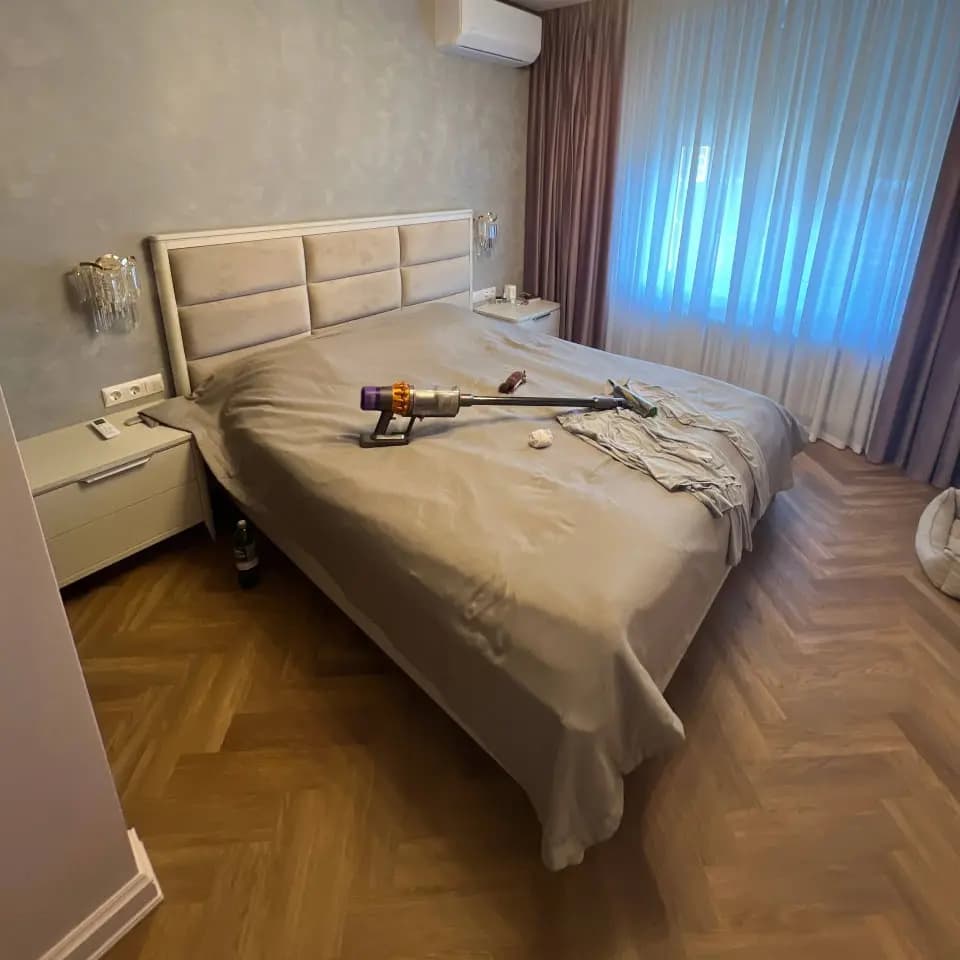
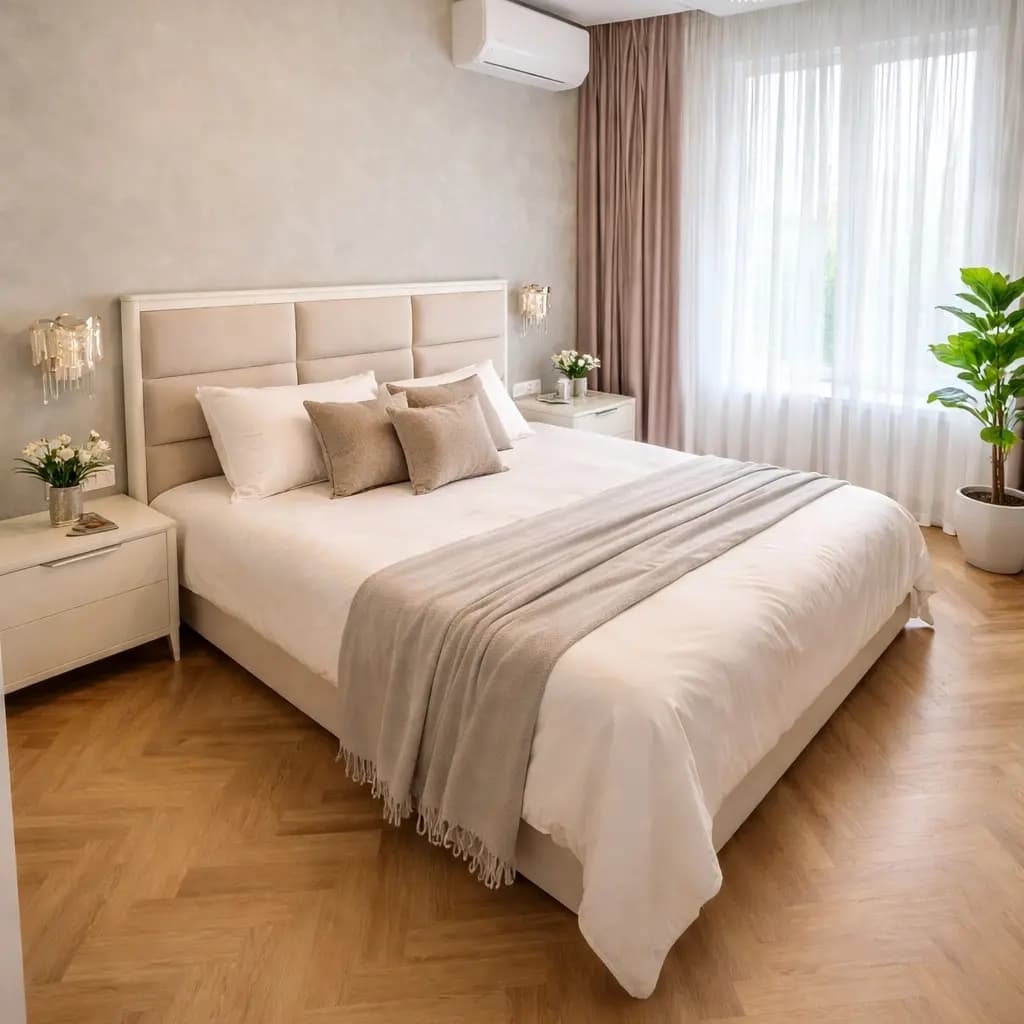
Staged homes in Detroit sell faster and for more money. Virtual staging with Agent Lens costs just $0.10 per image — a fraction of the $2,000-$5,000 physical staging cost. Upload your listing photos and get photo-realistic staged images in under 60 seconds.
Local Tips for Selling in Detroit
Hot Neighborhoods
Buyers are actively searching in these Detroit neighborhoods. If your home is in or near these areas, emphasize location in your listing.
Timing Your Sale
In Detroit, the best months to list are June-July. During this window, buyer activity peaks and homes typically sell closer to or above asking price. Plan your preparation 4-6 weeks before listing.
Detroit Housing Market Overview
### Matching Furnishings to Detroit's Architectural Eras The city's residential fabric runs from 1880s Queen Annes in Woodbridge to 1950s ranches in Pulaski and contemporary infill in Brush Park. Each era carries furnishing expectations buyers absorb subconsciously. A four-square in Boston-Edison with quarter-sawn oak floors and a coffered ceiling reads correctly with a Mission-style sofa, a leather club chair, and a library table near the bay window. Drop a tufted velvet sectional into that room and buyers register dissonance even if they cannot name it. Tudor Revivals in Palmer Woods accept heavier silhouettes: a refectory dining table, wrought-iron sconces above the mantel, and wool rugs in burgundy or forest green. Mid-century brick ranches in Sherwood Forest pair best with low teak credenzas, tapered-leg sofas in mustard or olive, and ceramic table lamps. For Lafayette Park towers and the modernist co-ops south of Gratiot, restraint wins: a Barcelona chair, a glass-topped dining table, and nothing on the walls that competes with the curtain wall.
### Staging Workflow That Survives Detroit Inspections Pair every staged listing with a condition packet. Detroit buyers who lived through the foreclosure decade scrutinize basements, electrical panels, and roof lines, so glossy interior renders without supporting documentation breed suspicion. Provide unstaged comparison photos of the same rooms, a recent sewer scope where applicable, and the certificate of occupancy or rental compliance status. When staging a Hubbard Farms Victorian, leave one photograph of the original kitchen unstaged so buyers see the cabinetry condition. For Grandmont-Rosedale homes with finished attics, stage the main floor digitally but include a raw shot of the upper level so square-footage perceptions match reality. Schedule the photography window for late morning when low-angle winter sun rakes through south-facing windows; this reduces the need for synthetic lighting in renders. Coordinate with the listing agent so MLS remarks reference the virtual staging explicitly, satisfying Michigan disclosure norms and protecting against complaints during the appraisal walkthrough.
Cost of Selling a Home in Detroit
Top Selling Tips for Detroit
Photograph rooms empty before staging so buyers can
Photograph rooms empty before staging so buyers can request unedited comparison images during showings.
Preserve original millwork, plaster medallions, and Pewabic tile
Preserve original millwork, plaster medallions, and Pewabic tile in renders; covering them suggests something is wrong.
For Lafayette Park and Mies-era co-ops, limit furniture
For Lafayette Park and Mies-era co-ops, limit furniture to four pieces per room to honor the architectural intent.
Add a wool throw, ceramic table lamp, and
Add a wool throw, ceramic table lamp, and small reading stack near the fireplace to communicate winter livability.
Disclose virtual staging in MLS remarks and the
Disclose virtual staging in MLS remarks and the first photo caption to comply with Michigan agency expectations.
Frequently Asked Questions About Selling in Detroit
How much does it cost to sell a house in Detroit?
The total cost of selling a house in Detroit, MI typically ranges from 8-10% of the sale price. This includes agent commissions (5-6%), closing costs, title insurance, and transfer taxes. On a $85,000 home, expect to pay roughly $7,650 in total selling costs.
How long does it take to sell a house in Detroit?
Homes in Detroit currently spend an average of 55 days on market before going under contract. Add another 30-45 days for closing, meaning the entire process takes roughly 85-100 days from listing to keys. Pricing correctly and staging well can significantly reduce time on market.
When is the best time to sell a house in Detroit?
The best months to sell a house in Detroit, MI are June-July. During this window, buyer demand peaks, inventory competition is manageable, and homes tend to sell faster and closer to asking price. However, well-priced and staged homes attract buyers year-round.
Do I need a realtor to sell in Detroit?
While you can sell FSBO (For Sale By Owner) in Detroit, homes sold with an agent typically net 6-10% more after commissions. A local Detroit agent brings MLS access, professional marketing, negotiation expertise, and knowledge of neighborhoods like Corktown and Midtown. Most sellers find the higher net proceeds justify the 5-6% commission.
Should I stage my home before selling in Detroit?
Absolutely. Staged homes in Detroit sell 30-50% faster and for 1-5% more than non-staged properties. With a median price of $85,000, even a 1% increase means thousands more at closing. Virtual staging with Agent Lens costs just $0.10/image and delivers photo-realistic results in seconds — a fraction of the $2,000-$5,000 physical staging cost.
More Resources for Detroit
Stage Your Detroit Listing with AI
Sell faster in Detroit's $85,000 market — virtual staging from $0.10/image
Selling Guides for Other Cities
Explore home selling guides for markets across the United States.