

Quick Answer
Madison sellers face a market shaped by two unusual rhythms: the University of Wisconsin academic calendar and the Wisconsin State Capitol legislative cycle. Listings that hit the MLS between late March and the first week of June consistently draw the strongest competing offers, while properties launched in January or mid-August often sit longer than they should. Buyers here include tenured faculty relocating from coastal universities, Epic Systems engineers moving in from Verona, state agency professionals, and retirees downsizing from lake homes on Mendota and Monona. Each group reads listing photos differently. A craftsman bungalow in Marquette near Atwood Avenue needs to communicate walkability and porch life. A 1960s ranch in Westmorland must show practical winter storage and a finished basement. A condo near Capitol Square should highlight Saturday Farmers Market proximity without showing the sidewalk crowd. Virtual staging through AgentLens lets agents present these distinct narratives across a single listing portfolio without coordinating multiple physical staging vendors during a tight Madison spring window. Rooms photographed empty in February can appear furnished and ready for May showings, matching the season buyers expect to see when scrolling Zillow on a Sunday evening from Chicago, Minneapolis, or California.
Key Takeaways
- 1Median price: $365,000
- 2Days on market: 30
- 3Best time to sell: June-July
- 4Average commission: 5-6%
Local Market Insight
The neighborhoods around Lake Wingra, Tenney-Lapham, and Maple Bluff each carry pricing assumptions that experienced Madison agents track closely. Shorewood Hills attracts UW Hospital physicians who want quick access to University Avenue and value preserved 1940s detailing such as plaster archways, oak floors, and original built-in china cabinets. Buyers in Sherman and Maple Bluff often expect lake views or boat access language in the description. Near East Side blocks like Schenk-Atwood respond to staging that suggests a bicycle-commuting household: a clear hallway for a Surly frame, an entry bench, a small home office. On the Far West Side, Junction Ridge and High Point Estates skew toward Epic-employee buyers who want a dedicated remote-work room with strong daylight. Historical districts including Mansion Hill and Third Lake Ridge require staging that respects original moldings rather than covering them with oversized sectionals. AgentLens-generated furniture choices can be tuned per neighborhood, swapping a Stickley-style oak dining set for a Marquette bungalow and a low-profile walnut credenza for a Hill Farms mid-century split-level, which improves perceived fit during the very first scroll on the Madison MLS feed.
How to Sell Your Home in Madison, WI
Your complete 2026 guide to selling a house in Madison, Wisconsin. From pricing strategy to closing day — everything you need to sell fast and for top dollar.
8 Steps to Sell Your Madison Home
Step 1: Price It Right
Work with a local agent to run a comparative market analysis (CMA). Overpricing leads to stale listings; underpricing leaves money on the table. The right price attracts multiple offers and creates urgency.
Step 2: Hire a Local Agent
Choose a listing agent with proven sales in your neighborhood. A great agent handles pricing strategy, marketing, negotiations, and paperwork so you can focus on your move.
Step 3: Prepare & Stage Your Home
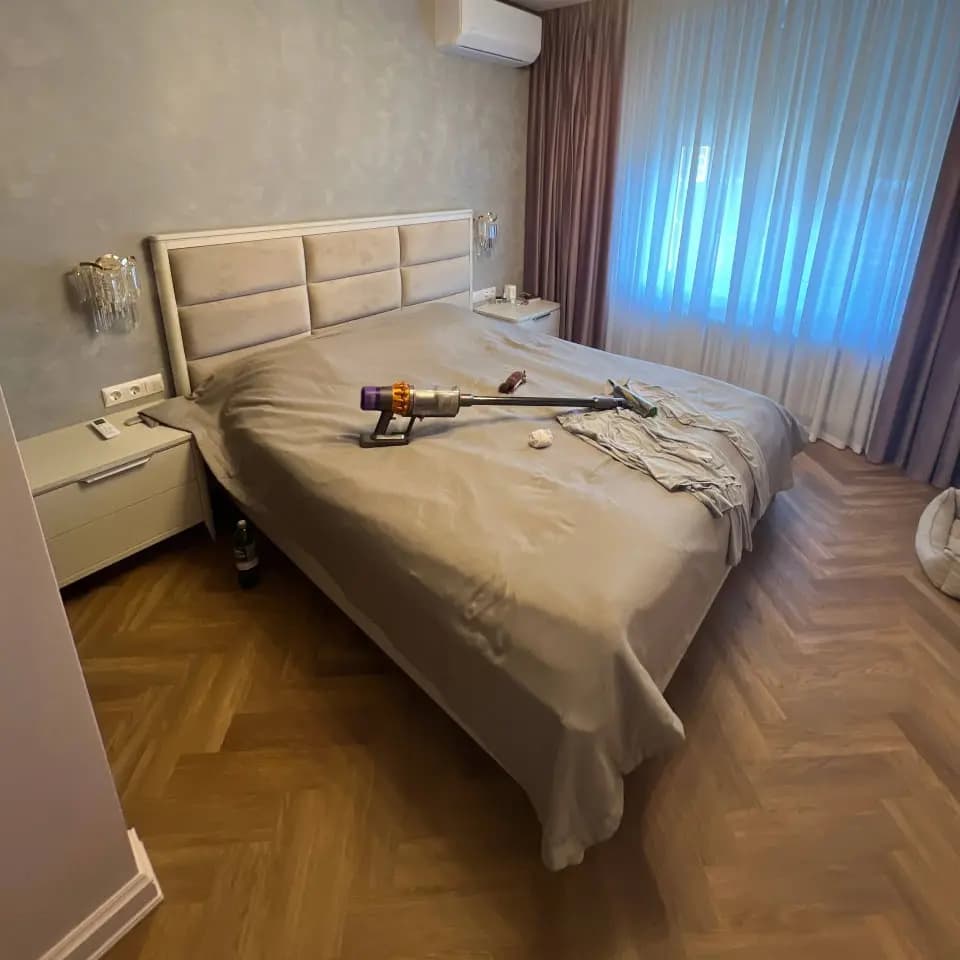
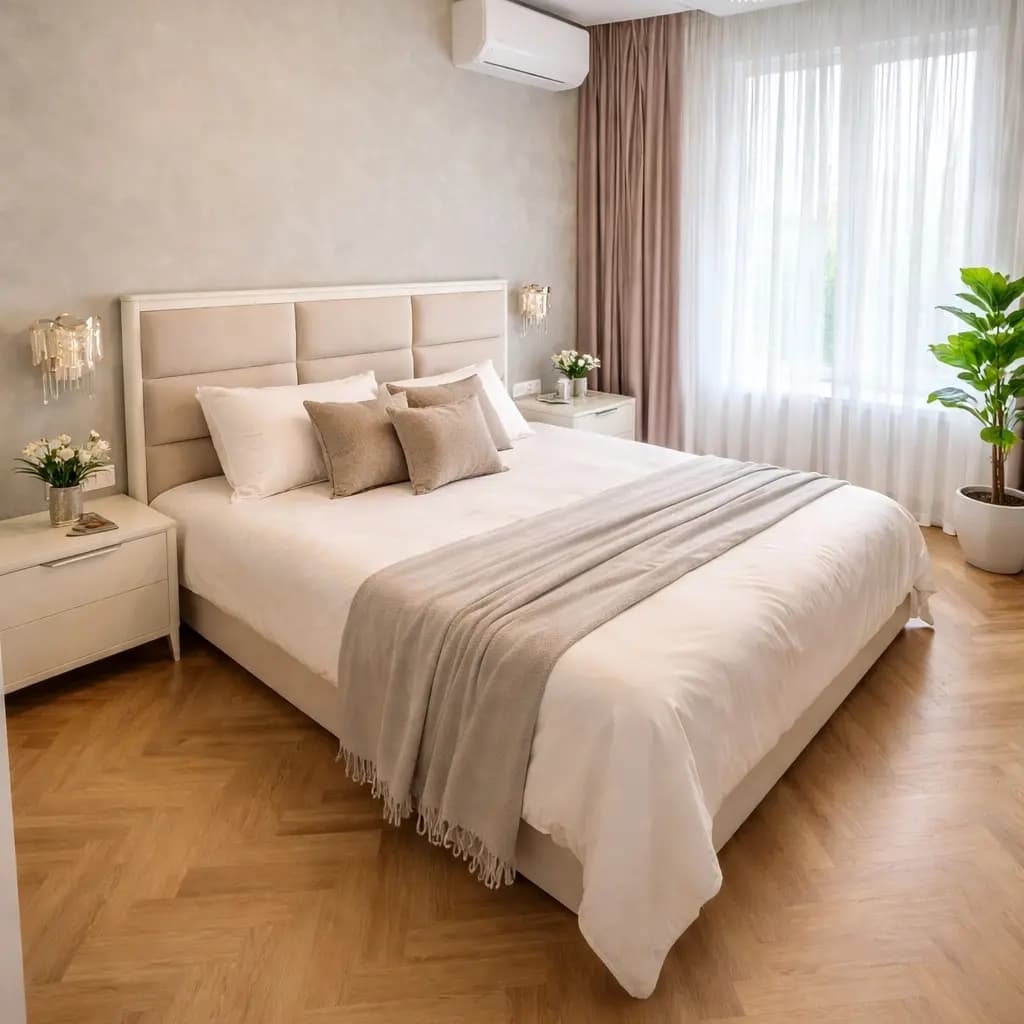
Declutter every room, deep-clean surfaces, fix minor repairs, and stage key spaces. Staged homes sell 30-50% faster. Virtual staging at $0.10/image is a cost-effective alternative to physical staging.
Step 4: Professional Photography
Invest in professional photos and a 3D virtual tour. Listings with high-quality photography receive 118% more views online. First impressions happen on-screen before any showing.
Step 5: List on MLS & Market
Your agent lists on the MLS which syndicates to Zillow, Realtor.com, and Redfin. Supplement with social media ads, email blasts, and targeted digital marketing for maximum exposure.
Step 6: Host Open Houses
Schedule open houses for the first two weekends after listing. A well-staged home with fresh flowers and good lighting creates an emotional connection that drives offers.
Step 7: Negotiate Offers
Review each offer on price, contingencies, financing type, and closing timeline. Your agent will help you counter-offer strategically. In competitive markets, multiple offers let you choose the strongest buyer.
Step 8: Close the Deal
Accept an offer, navigate the inspection and appraisal, clear any contingencies, and sign closing documents. Your agent and title company coordinate everything through a smooth closing day.
Stage Your Madison Listing
Staged homes in Madison sell faster and for more money. Virtual staging with Agent Lens costs just $0.10 per image — a fraction of the $2,000-$5,000 physical staging cost. Upload your listing photos and get photo-realistic staged images in under 60 seconds.
Local Tips for Selling in Madison
Hot Neighborhoods
Buyers are actively searching in these Madison neighborhoods. If your home is in or near these areas, emphasize location in your listing.
Timing Your Sale
In Madison, the best months to list are June-July. During this window, buyer activity peaks and homes typically sell closer to or above asking price. Plan your preparation 4-6 weeks before listing.
Madison Housing Market Overview
Madison rewards sellers who treat the listing as a regional broadcast rather than a local flyer. Most serious offers arrive after relocation buyers have studied photos for several evenings from out of state, often before any in-person showing. That viewing pattern changes how staging should be approached.
### Photographing for the Wisconsin Light Cycle
From November through February, Madison receives short daylight hours and frequent overcast skies, which flattens interior photographs and gives walls a gray cast. Sellers who list during these months often accept dim, cold-toned images that suppress buyer enthusiasm. Virtual staging via AgentLens can correct color temperature and add warm lamp light that mimics late-afternoon June conditions, making a Nakoma colonial or a Glen Oak Hills tudor read as inviting rather than dormant. For exterior shots, agents can preview seasonal landscaping changes so a January listing shows the front garden as it will appear in May, with hostas, hydrangeas, and a tidy mulch bed instead of frozen ground.
### Matching Furniture to Madison Architectural Vocabulary
Madison housing stock includes Prairie School influences, Frank Lloyd Wright-adjacent ranches, postwar Cape Cods in Westmorland, 1990s neotraditionals in Middleton, and contemporary builds in the Grandview Commons area. Generic gray-and-greige staging dilutes these character signals. AgentLens lets agents specify period-appropriate pieces: a Stickley sideboard for a 1915 Marquette bungalow, a Knoll Saarinen tulip table for a Sunset Village ranch, a Room and Board sofa in walnut for a Tenney-Lapham flat. Color choices matter equally. UW Madison alumni buyers respond well to red and white accents in moderation but reject heavy red-themed rooms. Capitol-area condos look stronger with deep blue, brass, and cream rather than industrial gray. Avoiding seasonal cliches like cheese imagery or Badger memorabilia keeps the listing professional and lets the architecture lead the buyer narrative across Realtor.com, Redfin, and Zillow.
Cost of Selling a Home in Madison
Top Selling Tips for Madison
Stage the basement as a finished family room
Stage the basement as a finished family room rather than storage, because Madison buyers from warmer states often misunderstand below-grade square footage and need visual reassurance about light and ceiling height.
Show the mudroom or back entry with a
Show the mudroom or back entry with a boot tray, wool runner, and coat hooks loaded for winter, signaling that the home handles Wisconsin weather without a major addition.
Avoid staging a bedroom as a Packers or
Avoid staging a bedroom as a Packers or Badgers shrine; serious relocation buyers from outside the Midwest can read this as overly personal and skip the photo set.
Include a clearly defined home office with a
Include a clearly defined home office with a closed-back chair and a wired-look desk lamp, since Epic and state-agency buyers screen for remote-work readiness on the first scroll.
For homes within walking distance of a Metro
For homes within walking distance of a Metro Transit route to UW or Capitol Square, stage an entry vignette with a tote and weather-appropriate outerwear to make the commute lifestyle feel concrete.
Frequently Asked Questions About Selling in Madison
How much does it cost to sell a house in Madison?
The total cost of selling a house in Madison, WI typically ranges from 8-10% of the sale price. This includes agent commissions (5-6%), closing costs, title insurance, and transfer taxes. On a $365,000 home, expect to pay roughly $32,850 in total selling costs.
How long does it take to sell a house in Madison?
Homes in Madison currently spend an average of 30 days on market before going under contract. Add another 30-45 days for closing, meaning the entire process takes roughly 60-75 days from listing to keys. Pricing correctly and staging well can significantly reduce time on market.
When is the best time to sell a house in Madison?
The best months to sell a house in Madison, WI are June-July. During this window, buyer demand peaks, inventory competition is manageable, and homes tend to sell faster and closer to asking price. However, well-priced and staged homes attract buyers year-round.
Do I need a realtor to sell in Madison?
While you can sell FSBO (For Sale By Owner) in Madison, homes sold with an agent typically net 6-10% more after commissions. A local Madison agent brings MLS access, professional marketing, negotiation expertise, and knowledge of neighborhoods like Atwood and Willy Street. Most sellers find the higher net proceeds justify the 5-6% commission.
Should I stage my home before selling in Madison?
Absolutely. Staged homes in Madison sell 30-50% faster and for 1-5% more than non-staged properties. With a median price of $365,000, even a 1% increase means thousands more at closing. Virtual staging with Agent Lens costs just $0.10/image and delivers photo-realistic results in seconds — a fraction of the $2,000-$5,000 physical staging cost.
More Resources for Madison
Stage Your Madison Listing with AI
Sell faster in Madison's $365,000 market — virtual staging from $0.10/image
Selling Guides for Other Cities
Explore home selling guides for markets across the United States.