

Quick Answer
Selling a home in San Antonio runs on a different rhythm than the rest of Texas. The market lacks the in-state migration premium that drives Austin and the corporate relocation engine that powers Dallas and Houston, which means a San Antonio listing sells primarily to local move-up buyers, military families rotating through Joint Base San Antonio, and a steady stream of retirees from the Midwest who chose the Hill Country over Florida or Arizona. Each of those buyer pools reads listing photos through a different lens. Local move-up buyers compare floor plans across a tight set of neighborhoods and want to see how the home flows. Military families on PCS orders shop fast because they often have weeks rather than months to find a home, and they care most about the rooms photographing accurately because they may be making the offer sight unseen from a base on the East Coast or overseas. Retirees from the Midwest want single-story layouts, low-maintenance yards, and covered outdoor space that reads as comfortable for nine months of the year. The San Antonio listings that sell within the first month do three things consistently: they lead the photo set with the room that actually represents the home's character rather than the default front elevation, they use furniture and color choices that respect the South Texas architectural vocabulary, and they price against tight comp sets.
Key Takeaways
- 1Median price: $280,000
- 2Days on market: 52
- 3Best time to sell: May-June
- 4Average commission: 5-6%
Local Market Insight
San Antonio's neighborhoods carry distinct identities that surprise out-of-area agents. Alamo Heights and Terrell Hills are old-money enclaves with stone bungalows, Spanish Revival cottages, and 1920s craftsman homes that need staging respecting the original wood floors, plaster walls, and tile fireplaces. Stone Oak and the broader 1604 corridor run on newer construction with stucco exteriors, tile roofs, and large kitchens that reward open-concept staging. The King William Historic District near downtown carries Victorian and Italianate architecture that demands period-aware furniture choices, and a generic modern staging package will fight the building rather than support it. Military buyers attached to JBSA, including Lackland, Randolph, and Fort Sam Houston, gravitate toward Schertz, Cibolo, Universal City, and parts of New Braunfels because of school quality and base proximity. Retirees often choose the Dominion, the Hills of Stone Oak, or smaller Hill Country towns like Boerne and Bulverde just outside the city for the larger lots and quieter setting. Days on market runs longer than the Texas Triangle average because the buyer pool is smaller and more discriminating, which means staging quality and pricing accuracy matter more here than in markets where corporate relocation traffic carries weak listings.
How to Sell Your Home in San Antonio, TX
Your complete 2026 guide to selling a house in San Antonio, Texas. From pricing strategy to closing day — everything you need to sell fast and for top dollar.
8 Steps to Sell Your San Antonio Home
Step 1: Price It Right
Work with a local agent to run a comparative market analysis (CMA). Overpricing leads to stale listings; underpricing leaves money on the table. The right price attracts multiple offers and creates urgency.
Step 2: Hire a Local Agent
Choose a listing agent with proven sales in your neighborhood. A great agent handles pricing strategy, marketing, negotiations, and paperwork so you can focus on your move.
Step 3: Prepare & Stage Your Home
Declutter every room, deep-clean surfaces, fix minor repairs, and stage key spaces. Staged homes sell 30-50% faster. Virtual staging at $0.10/image is a cost-effective alternative to physical staging.
Step 4: Professional Photography
Invest in professional photos and a 3D virtual tour. Listings with high-quality photography receive 118% more views online. First impressions happen on-screen before any showing.
Step 5: List on MLS & Market
Your agent lists on the MLS which syndicates to Zillow, Realtor.com, and Redfin. Supplement with social media ads, email blasts, and targeted digital marketing for maximum exposure.
Step 6: Host Open Houses
Schedule open houses for the first two weekends after listing. A well-staged home with fresh flowers and good lighting creates an emotional connection that drives offers.
Step 7: Negotiate Offers
Review each offer on price, contingencies, financing type, and closing timeline. Your agent will help you counter-offer strategically. In competitive markets, multiple offers let you choose the strongest buyer.
Step 8: Close the Deal
Accept an offer, navigate the inspection and appraisal, clear any contingencies, and sign closing documents. Your agent and title company coordinate everything through a smooth closing day.
Stage Your San Antonio Listing
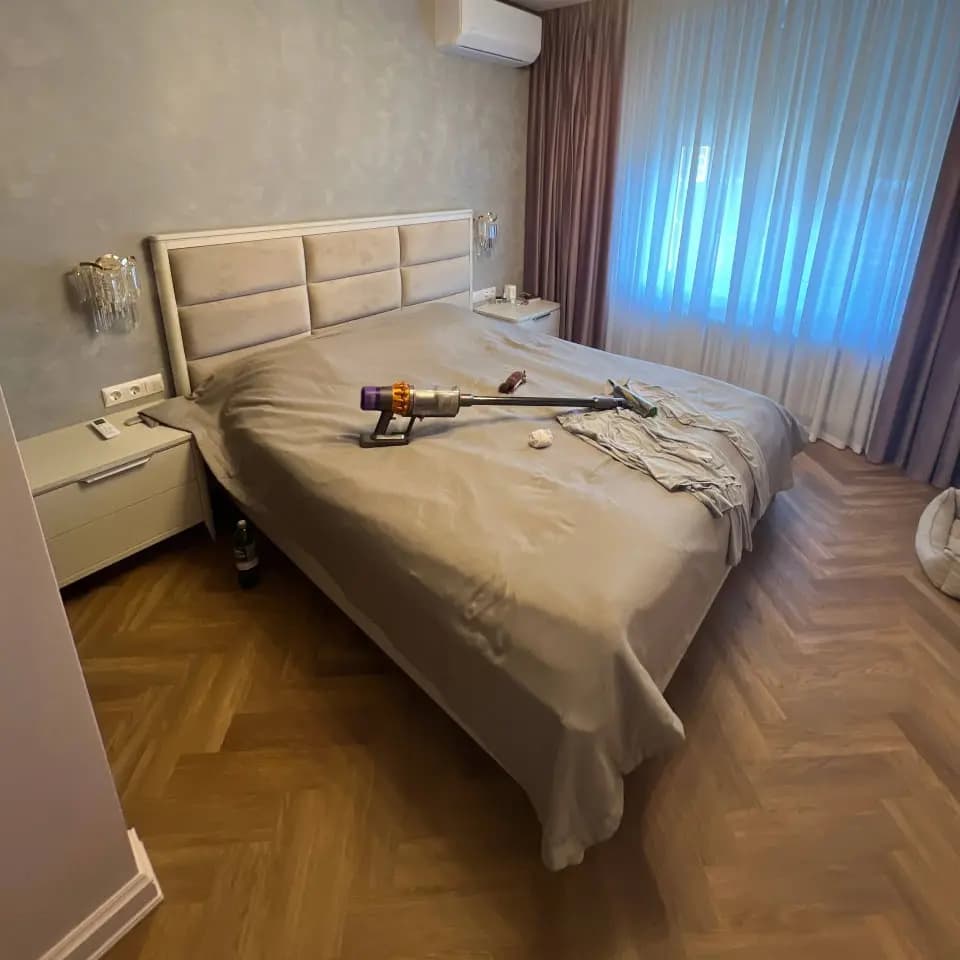
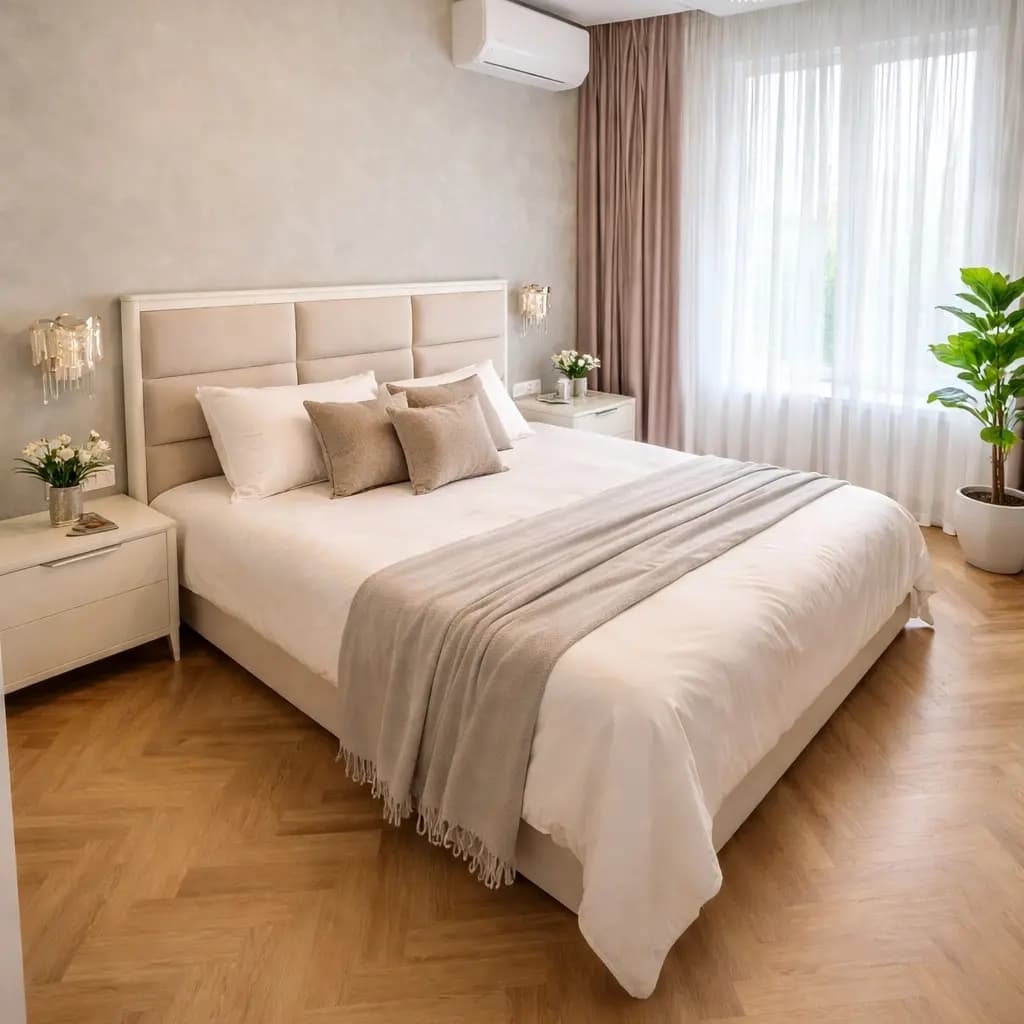
Staged homes in San Antonio sell faster and for more money. Virtual staging with Agent Lens costs just $0.10 per image — a fraction of the $2,000-$5,000 physical staging cost. Upload your listing photos and get photo-realistic staged images in under 60 seconds.
Local Tips for Selling in San Antonio
Hot Neighborhoods
Buyers are actively searching in these San Antonio neighborhoods. If your home is in or near these areas, emphasize location in your listing.
Timing Your Sale
In San Antonio, the best months to list are May-June. During this window, buyer activity peaks and homes typically sell closer to or above asking price. Plan your preparation 4-6 weeks before listing.
San Antonio Housing Market Overview
### Reading the buyer pool before the listing goes live
The first decision a San Antonio listing agent should make is which buyer pool the home actually serves. A Stone Oak two-story with a pool serves a local move-up family or a relocating tech worker from out of state. An Alamo Heights bungalow serves a buyer who values the school district and the historic architecture. A single-story in Schertz with a fenced yard and easy base access serves a military family with twelve weeks before the husband or wife reports for duty. The staging vocabulary should match the buyer pool. AgentLens lets you render the same source photos with different furniture profiles, and a thoughtful agent will prepare two render sets when the home could plausibly serve two pools. The relocation military buyer responds well to clean, neutral staging that lets them imagine their own furniture moving in. The local move-up family responds to warmer, more lived-in staging that signals the home is move-in ready. Picking one render direction and committing to it across the entire photo set produces stronger results than a hybrid approach that tries to please both pools.
### Pricing, timing, and the inspection conversation
Price San Antonio homes against a six-comp set drawn from the same school feeder pattern, not the broader zip code. SABOR-area agents pull comps tighter than DFW or Houston norms because the school boundaries change buyer demand more sharply here than they do further north. For timing, the spring market runs February through May and accounts for the largest share of annual transactions. Late summer through fall produces military relocation traffic tied to the PCS season, and listings that hit the market in late June through early August catch that wave directly. Winter listings move slower except for the retirement-focused properties in Boerne and the Dominion, which see steady traffic from snowbird shoppers comparing San Antonio against Phoenix and Tampa. On the inspection side, foundation issues are the most common deal-killer in San Antonio because the clay soil shifts dramatically with seasonal moisture cycles. A listing agent should review the home for visible foundation cracks, slab settling, and door-frame distortion before the photo shoot rather than after the inspection report comes back. Honest disclosure on known foundation work, including transferable warranties, signals seller confidence and shortens negotiation cycles materially.
Cost of Selling a Home in San Antonio
Top Selling Tips for San Antonio
Lead with the room that defines the house
The front elevation should not be photo one. For an Alamo Heights bungalow, lead with the original tile fireplace and built-ins. For a Stone Oak two-story, lead with the great room and kitchen sightline. The first image should answer the question of why this home is different from the other six on the buyer's tour list.
Address the foundation conversation upfront
San Antonio's clay soil makes foundation work common. List any prior foundation repair with the transferable warranty front and center in the disclosure, and walk the home before the photo shoot to identify visible settling that should be repaired before listing. Honest framing here shortens negotiations and reduces the risk of a deal collapsing during the inspection period.
Match staging to the home's era
King William Victorians need period-respectful furniture with warm wood and patterned textiles. Stone Oak stucco homes need clean modern Texas styling with leather, linen, and warm neutrals. Generic farmhouse staging fits neither and reads as imported. AgentLens lets you pick the furniture profile that matches the architecture rather than forcing one look across every property.
List during the PCS window for military buyers
Military relocation traffic peaks from late June through early August as families on PCS orders search for housing near JBSA. Listings in Schertz, Cibolo, and Universal City that hit the MLS during this window benefit from a buyer pool that is shopping fast and ready to make decisions on photos alone if the home presents accurately.
Render the covered patio as a real outdoor room
South Texas weather supports outdoor living from October through May. A staged covered patio with a dining table, ceiling fan, and seating area communicates functional living square footage. Buyers from cooler climates read this as a major lifestyle upgrade and price it into their offer accordingly.
Frequently Asked Questions About Selling in San Antonio
How much does it cost to sell a house in San Antonio?
The total cost of selling a house in San Antonio, TX typically ranges from 8-10% of the sale price. This includes agent commissions (5-6%), closing costs, title insurance, and transfer taxes. On a $280,000 home, expect to pay roughly $25,200 in total selling costs.
How long does it take to sell a house in San Antonio?
Homes in San Antonio currently spend an average of 52 days on market before going under contract. Add another 30-45 days for closing, meaning the entire process takes roughly 82-97 days from listing to keys. Pricing correctly and staging well can significantly reduce time on market.
When is the best time to sell a house in San Antonio?
The best months to sell a house in San Antonio, TX are May-June. During this window, buyer demand peaks, inventory competition is manageable, and homes tend to sell faster and closer to asking price. However, well-priced and staged homes attract buyers year-round.
Do I need a realtor to sell in San Antonio?
While you can sell FSBO (For Sale By Owner) in San Antonio, homes sold with an agent typically net 6-10% more after commissions. A local San Antonio agent brings MLS access, professional marketing, negotiation expertise, and knowledge of neighborhoods like Alamo Heights and Stone Oak. Most sellers find the higher net proceeds justify the 5-6% commission.
Should I stage my home before selling in San Antonio?
Absolutely. Staged homes in San Antonio sell 30-50% faster and for 1-5% more than non-staged properties. With a median price of $280,000, even a 1% increase means thousands more at closing. Virtual staging with Agent Lens costs just $0.10/image and delivers photo-realistic results in seconds — a fraction of the $2,000-$5,000 physical staging cost.
More Resources for San Antonio
Stage Your San Antonio Listing with AI
Sell faster in San Antonio's $280,000 market — virtual staging from $0.10/image
Selling Guides for Other Cities
Explore home selling guides for markets across the United States.