

Quick Answer
San Antonio is a long-tail market where listings sit longer than in Austin or Dallas, and the photo set has to do more work because the buyer has time to comparison-shop. The neighborhoods drive the staging choices more than the price point does. Alamo Heights and Terrell Hills carry older, more architecturally distinctive homes with mature oaks and formal interior layouts. King William has Victorians and late-nineteenth-century homes with original woodwork and stained glass. Southtown mixes rehabbed bungalows, newer infill, and loft conversions. Stone Oak is suburban family stock, mostly 2000s and 2010s construction. The Pearl and downtown condos attract empty-nesters and remote-work buyers from the coasts. Each neighborhood wants a different furniture language, and a listing that gets staged generically across all of them leaves money on the table. AI virtual staging is especially useful here because agents often carry a mix of inventory spanning three or four of these neighborhoods in the same quarter, and a tool that can switch furniture vocabulary between renders is faster and cheaper than rotating physical stagers. Buyers in this market tend to be patient, which means the listings that win are the ones that feel considered rather than hurried in the photos.
Key Takeaways
- 1San Antonio median home price: $280,000
- 2Average days on market: 52
- 3Virtual staging costs $0.10/photo vs $2,000-$5,000 for physical staging
- 4Staged homes sell 30-50% faster according to NAR
Home Staging in San Antonio
Virtual & Physical
San Antonio's affordable housing market attracts first-time buyers and military families. Staging helps these buyers visualize their first home purchase, and virtual staging keeps costs low for agents working in this value-conscious market.
San Antonio Market Snapshot
The San Antonio real estate market has a median home price of $280,000 with homes averaging 52 days on market. In this competitive environment, staged homes sell faster and for more money. Virtual staging from $0.10 per image gives San Antonio agents the edge.
San Antonio Real Estate Market Stats
Why Stage Your Home in San Antonio?
With a median home price of $280,000, San Antonio homeowners have significant equity at stake. Staging your home can add 1-5% to the sale price — that's potentially thousands of dollars more at closing. In a market averaging 52 days on market, staging helps your listing sell faster and stand out from the competition.
Virtual Staging vs Physical Staging in San Antonio
Physical Staging in San Antonio
- Cost: $2,000-$5,000+
- Timeline: 1-2 weeks
- Real furniture for showings and open houses
- Monthly rental fees ($500-$1,500/month)
Virtual Staging
Recommended- Cost: $0.10 per image
- Timeline: Under 60 seconds
- Unlimited styles — try modern, coastal, luxury, and more
- No monthly fees — pay per image, cancel anytime
Top Neighborhoods in San Antonio
Home staging is especially impactful in San Antonio's most competitive neighborhoods.
How Virtual Staging Works
1. Upload Photo
Upload an empty room photo from your San Antonio listing directly in your browser.
2. AI Stages It
Choose from 11 design styles. Our AI adds realistic furniture and decor in under 60 seconds.
3. Download & List
Download high-resolution staged photos ready for MLS, Zillow, Realtor.com, and social media.
Virtual Staging in San Antonio
### Historic homes want staging that respects the house
King William Victorians, Monte Vista craftsmans, and Alamo Heights traditionals share a common demand on the staging: do not cover the architecture. Original pine floors, pocket doors, transom windows, stained glass, claw-foot tubs, original tile, and built-in buffets all exist in this housing stock, and buyers paying for those homes are paying for the features. Virtual staging in these houses should be period-aware without being costume. A mid-scale sofa in a muted upholstery, side chairs in a compatible wood, art that wouldn't have looked wrong in the house a century ago, and rugs that anchor without swallowing the floor. The failure mode is oversized modern furniture that blocks sight lines to the stained glass or the original fireplace. Those features are the reason the house is listed where it is.
### Condos, suburbs, and new builds each need their own recipe
The Pearl and downtown condos mostly appeal to empty-nesters, remote-work professionals, and occasional second-home buyers. Staging there reads best when it's adult, curated, and a little editorial. Darker woods, sculptural lamps, considered art, and a home bar or reading nook in any flex space. Stone Oak and the far north suburbs need family-focused staging: a real dining table for six, a family room with a sectional and a media setup, a home office rendered as a functional workspace, a primary bedroom with a reading chair. The buyer in Stone Oak is usually a family moving in from another Texas city or a corporate relocation out of Houston or Dallas. Southtown is the tricky middle. A rehabbed bungalow in Southtown wants a blend of original and contemporary: period-appropriate sofa proportions with a more modern art program, a considered light fixture, and furniture that acknowledges both the age of the house and the demographic of the buyer. No single template works across all three. Running the same render recipe on a King William Victorian, a Stone Oak family home, and a Pearl condo produces three listings that all look subtly wrong. The fix is to treat each property as its own decision rather than as a turn on a carousel of templates.
Home Staging Tips for San Antonio
Honor original pine floors and trim
King William and Monte Vista homes often have 100-plus-year-old long-leaf pine floors and oak or pine trim. Don't render dark rugs or heavy furniture that swallow the floor. Lighter rugs and mid-scale furniture keep the architectural material visible.
Stage Pearl and downtown condos as adult spaces
The condo buyer here is usually an empty-nester or a remote-work professional, not a growing family. Staging should read as curated, sophisticated, and a little editorial. Skip the oversized sectional and stage a reading corner or a home bar in the flex space.
Stage the front porch in Alamo Heights and King William
Deep front porches are architectural features in these neighborhoods, and buyers use them. A pair of rocking chairs or a small conversation grouping on a shaded porch render sells the neighborhood lifestyle more convincingly than another interior living room shot.
Keep Stone Oak and suburban family homes legible
Family buyers in the far north suburbs want the photo set to answer practical questions quickly. A clearly staged family room, a functional home office, and a dining table for six tell the buyer the house works as a family home without forcing them to reinterpret every photo.
Match art and accessories to neighborhood character
Southtown and King William respond to art with a regional or local sensibility, including Texas artists and vintage map prints. Stone Oak and new construction respond to cleaner, more neutral art. Generic mass-market prints reduce the perceived quality of the staging across both submarkets.
More San Antonio Resources
Stage Your San Antonio Listing Today
Transform empty rooms into stunning staged photos. Starting from $0.10 per image.
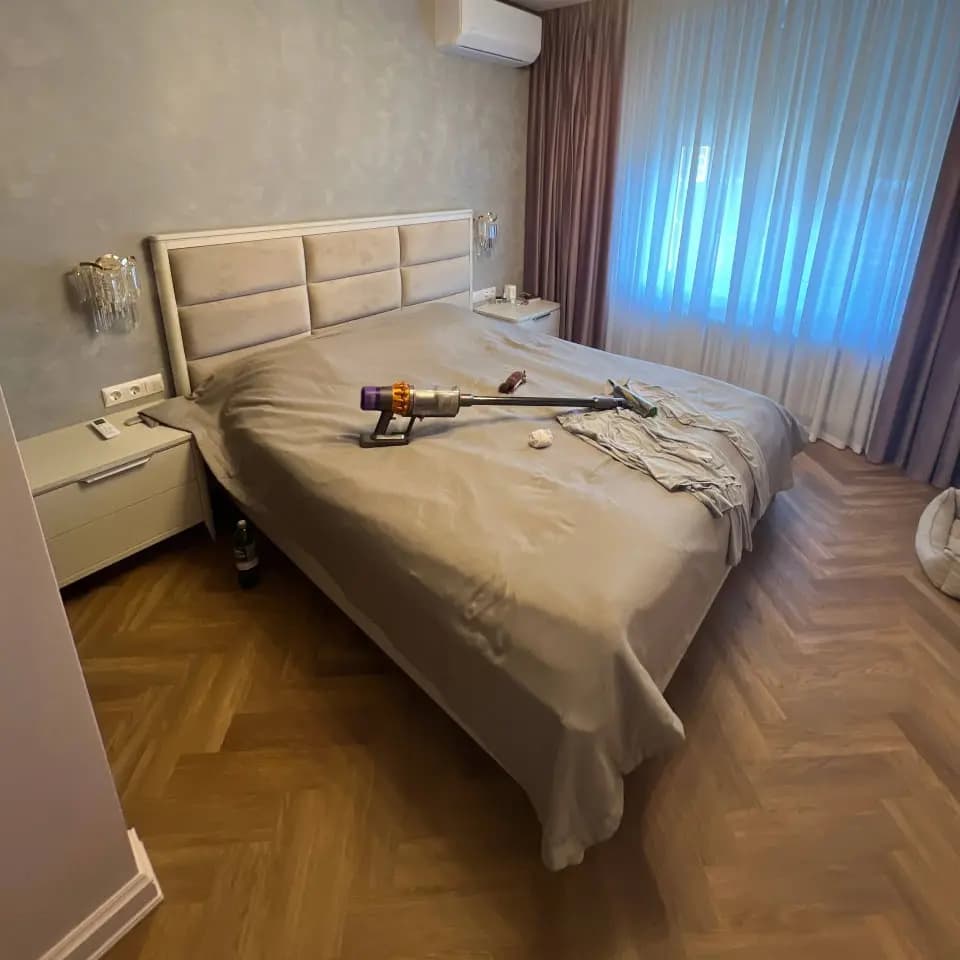
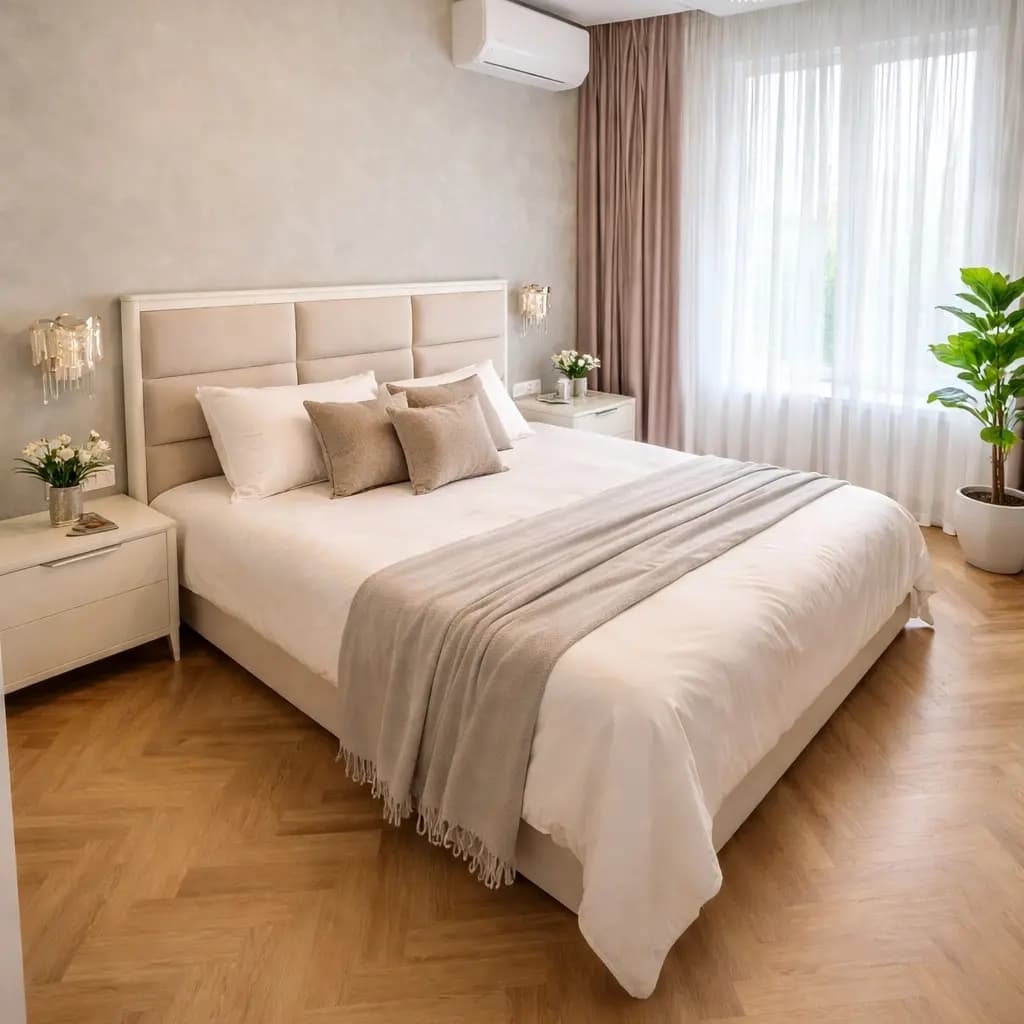
San Antonio Home Staging FAQ
How much does home staging cost in San Antonio?
Physical home staging in San Antonio costs $2,000-$5,000 for a standard home, with luxury properties in areas like Alamo Heights or Stone Oak costing $5,000-$15,000. Virtual staging with Agent Lens is just $0.10 per image — ideal for San Antonio's competitive market where professional photos are essential.
Is home staging worth it in San Antonio's market?
Absolutely. With a median home price of $280,000 and homes spending an average of 52 days on market, staged homes in San Antonio sell 30-50% faster. At $280,000, even a 1% price increase from staging means thousands more at closing.
How does virtual staging work for San Antonio listings?
Virtual staging uses AI to add realistic furniture and decor to photos of empty rooms. Upload your San Antonio listing photos, choose a style (modern, coastal, farmhouse, etc.), and receive professionally staged images in under 60 seconds. Perfect for MLS listings and online marketing.
What staging styles are popular in San Antonio?
San Antonio buyers respond well to modern, contemporary, and transitional staging styles. In neighborhoods like Alamo Heights and Stone Oak, luxury and coastal styles also perform strongly. Virtual staging lets you try multiple styles to see what resonates with San Antonio buyers.
Should I stage my San Antonio home before listing?
Yes. In San Antonio's market (median price $280,000, avg 52 days on market), staged homes consistently outperform non-staged listings. With 97% of buyers starting online, professional listing photos are your first showing. Virtual staging delivers professional results for $0.10/image.