

Quick Answer
San Francisco listings run on a compressed decision window. A well-priced property hits the market midweek, holds an open house the following weekend, and has offers by Tuesday. Staging has to earn attention in that tight cycle, and it has to do so before the buyer has any other information about the unit. The housing stock is unusually stylistically coherent for an American city: Victorians and Edwardians in Pacific Heights and Noe Valley, early-twentieth-century Mediterranean-influenced homes in the Marina District, mid-century apartments in Russian Hill, and newer construction in SoMa and Mission Bay. Each type has its own staging rules, and the buyer pool knows the difference. Pacific Heights buyers paying top of market expect staging that respects original moldings, hardwood floors, and period trim. Noe Valley family buyers want staging that shows the house as a functional home without overwhelming the square footage. Marina District buyers respond to lighter, view-aware staging that acknowledges the proximity to the bay. SoMa and South Beach condo buyers are typically younger professionals in tech and finance who respond to warmer, more curated staging in otherwise cold concrete-and-glass interiors. Virtual staging is now standard across the city because the photo set has to work across multiple building types and buyer pools in the same week's open-house schedule.
Key Takeaways
- 1San Francisco median home price: $1,350,000
- 2Average days on market: 30
- 3Virtual staging costs $0.10/photo vs $2,000-$5,000 for physical staging
- 4Staged homes sell 30-50% faster according to NAR
Home Staging in San Francisco
Virtual & Physical
San Francisco is the most expensive major market in the US with median prices over $1.3M. At these price points, professional staging is non-negotiable — buyers expect flawless presentation. Virtual staging delivers luxury presentation at a fraction of traditional staging costs.
San Francisco Market Snapshot
The San Francisco real estate market has a median home price of $1,350,000 with homes averaging 30 days on market. In this competitive environment, staged homes sell faster and for more money. Virtual staging from $0.10 per image gives San Francisco agents the edge.
San Francisco Real Estate Market Stats
Why Stage Your Home in San Francisco?
With a median home price of $1,350,000, San Francisco homeowners have significant equity at stake. Staging your home can add 1-5% to the sale price — that's potentially thousands of dollars more at closing. In a market averaging 30 days on market, staging helps your listing sell faster and stand out from the competition.
Virtual Staging vs Physical Staging in San Francisco
Physical Staging in San Francisco
- Cost: $2,000-$5,000+
- Timeline: 1-2 weeks
- Real furniture for showings and open houses
- Monthly rental fees ($500-$1,500/month)
Virtual Staging
Recommended- Cost: $0.10 per image
- Timeline: Under 60 seconds
- Unlimited styles — try modern, coastal, luxury, and more
- No monthly fees — pay per image, cancel anytime
Top Neighborhoods in San Francisco
Home staging is especially impactful in San Francisco's most competitive neighborhoods.
How Virtual Staging Works
1. Upload Photo
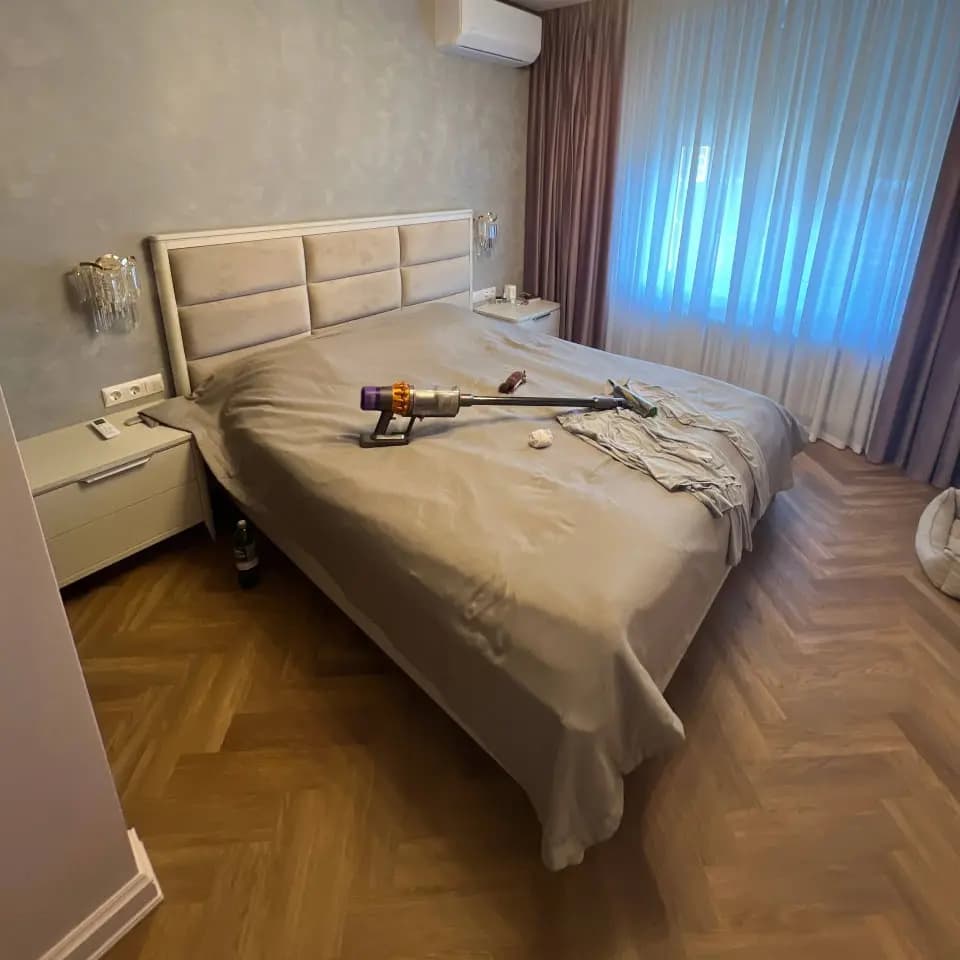
Upload an empty room photo from your San Francisco listing directly in your browser.
2. AI Stages It
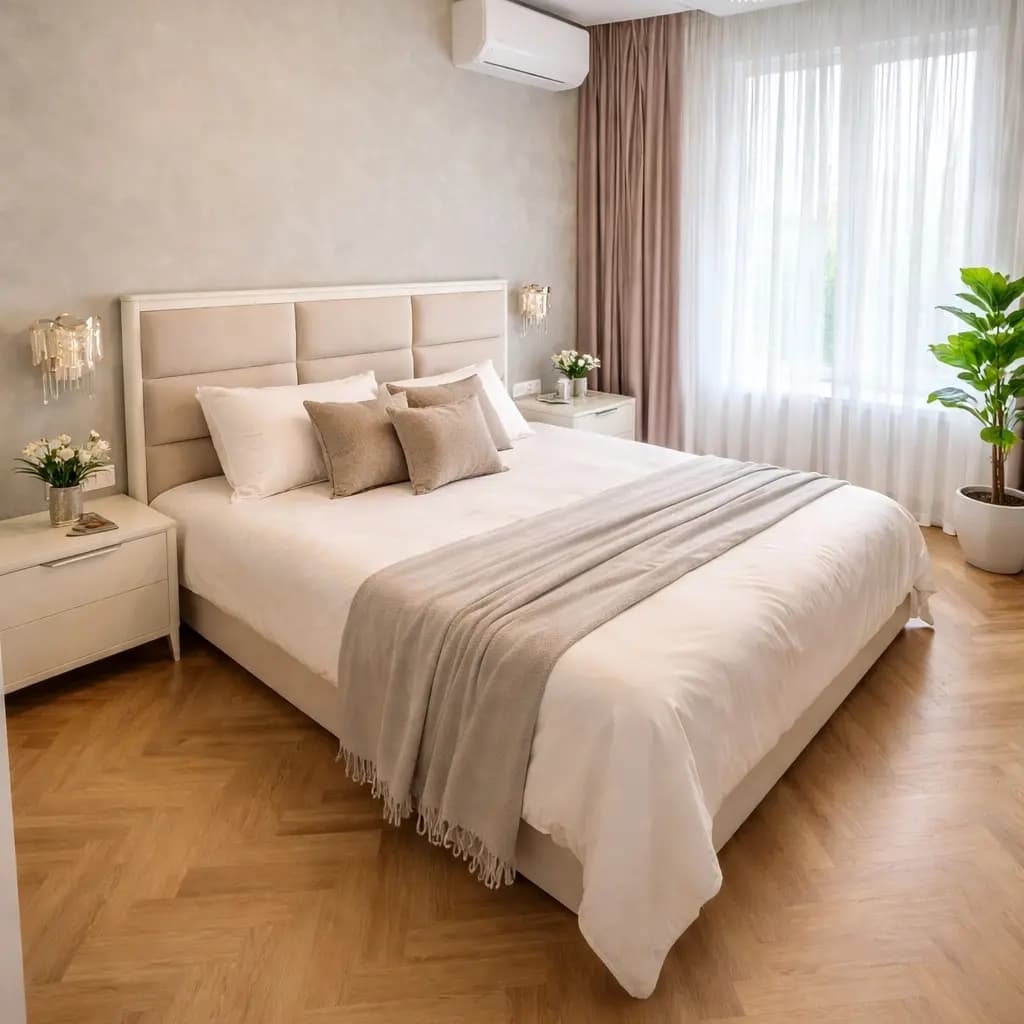
Choose from 11 design styles. Our AI adds realistic furniture and decor in under 60 seconds.
3. Download & List
Download high-resolution staged photos ready for MLS, Zillow, Realtor.com, and social media.
Virtual Staging in San Francisco
### Victorians, Edwardians, and period flats
Pacific Heights, Noe Valley, parts of the Marina, and the Castro carry a significant stock of Victorian and Edwardian single-family homes and flats with original millwork, bay windows, fireplaces with period mantels, and hardwood floors. Staging these interiors well means respecting what the architecture is already giving the listing. Medium-scale sofas, a pair of accent chairs, rugs that expose the original floors, and art that acknowledges the period without being costume. Scale is the most common failure mode. A 96-inch sectional in a 13-foot-wide Victorian parlor compresses the room in photos and makes a potential buyer mentally subtract square footage. A carefully scaled 72- or 78-inch sofa with a single accent chair does the opposite. The second common failure is overcrowded art programs. A period bay window is a focal point on its own, and the staging should frame it rather than compete with it.
### SoMa, Mission Bay, and new construction
The newer-construction condo stock in SoMa, Mission Bay, and parts of Dogpatch has a different problem. Concrete floors, tall windows facing other towers, and open kitchens that dominate the main room produce interiors that photograph cold. Staging has to introduce warmth without looking busy. One warm anchor piece per room, a large low-pile rug to define the living area, considered lamp lighting, and art with enough saturation to register against the otherwise neutral backdrop. Marina District homes sit in between the two worlds. The housing stock there is predominantly 1920s through 1940s Mediterranean-influenced, with stucco exteriors and simpler interior trim than Pacific Heights. Staging should acknowledge the era without being too formal, with warmer upholstery, lighter wood accents, and art that reads California regional. Russian Hill's mid-century apartment stock wants true mid-century furniture. Using the same render package across all of these neighborhoods produces a set of listings that look subtly wrong in each of them. SF buyers at the current price tier have seen enough property photography to read the differences quickly, and the listings that earn open-house attention are the ones where the staging choices feel deliberate rather than defaulted.
Home Staging Tips for San Francisco
Scale furniture to the actual room size
San Francisco Victorian and Edwardian flats rarely support an 85-inch sectional. A 72- or 78-inch sofa with a single armchair reads as more spacious in photos and respects the actual room footprint without forcing a buyer to do mental math.
Respect original moldings and bay windows
Pacific Heights and Noe Valley flats sell on period detail. Don't block bay windows with tall furniture or cover original moldings with oversized art. Frame the architectural features and let them carry the room's character.
Warm up SoMa and Mission Bay condos
New-construction condos photograph cold. Introduce one warm anchor piece per room, use a large low-pile rug to define the living area, and add considered lamp lighting. The unit should read as livable rather than as a rendering for a marketing brochure.
Match staging light to the actual unit
Pacific Heights gets cool bay light. The Mission gets warmer afternoon sun. SoMa often gets limited direct light. Virtual staging should match the real lighting conditions of the unit, not impose a generic studio-light look that contradicts the walkthrough.
Stage Russian Hill mid-century apartments period-appropriately
The mid-century apartment stock in Russian Hill and parts of North Beach wants true mid-century furniture: teak, walnut, clean silhouettes, and restrained art. Contemporary transitional staging reads as mismatched and loses the character that buyers in the neighborhood are paying for.
More San Francisco Resources
Stage Your San Francisco Listing Today
Transform empty rooms into stunning staged photos. Starting from $0.10 per image.
San Francisco Home Staging FAQ
How much does home staging cost in San Francisco?
Physical home staging in San Francisco costs $2,000-$5,000 for a standard home, with luxury properties in areas like Pacific Heights or Noe Valley costing $5,000-$15,000. Virtual staging with Agent Lens is just $0.10 per image — ideal for San Francisco's competitive market where professional photos are essential.
Is home staging worth it in San Francisco's market?
Absolutely. With a median home price of $1,350,000 and homes spending an average of 30 days on market, staged homes in San Francisco sell 30-50% faster. At $1,350,000, even a 1% price increase from staging means thousands more at closing.
How does virtual staging work for San Francisco listings?
Virtual staging uses AI to add realistic furniture and decor to photos of empty rooms. Upload your San Francisco listing photos, choose a style (modern, coastal, farmhouse, etc.), and receive professionally staged images in under 60 seconds. Perfect for MLS listings and online marketing.
What staging styles are popular in San Francisco?
San Francisco buyers respond well to modern, contemporary, and transitional staging styles. In neighborhoods like Pacific Heights and Noe Valley, luxury and coastal styles also perform strongly. Virtual staging lets you try multiple styles to see what resonates with San Francisco buyers.
Should I stage my San Francisco home before listing?
Yes. In San Francisco's market (median price $1,350,000, avg 30 days on market), staged homes consistently outperform non-staged listings. With 97% of buyers starting online, professional listing photos are your first showing. Virtual staging delivers professional results for $0.10/image.