

Quick Answer
New York listings are won and lost in two places: the floor plan graphic and the first interior photo. Buyers in Manhattan and the brownstone belt of Brooklyn are trained to mentally measure a room from a phone screen. A vacant shot of a 12-by-14 living room in a Tribeca loft tells them nothing about whether their sectional fits. A cluttered shot tells them the same thing, loudly. Virtual staging sits in the middle of that problem. Done right, it answers the only question that matters: does my life fit here. Prewar Upper East Side classic sixes, Williamsburg glass-and-steel condos, and Brooklyn Heights limestone townhouses all need different answers. The classic six needs furniture that respects the original moldings and doorways without cramming the room. The new-construction condo needs staging that creates warmth against polished concrete floors and floor-to-ceiling windows. The Brooklyn Heights parlor needs scale that reads grand without making the ceilings look lower than they are. Most listing photos in this city fail because they were staged for a catalog instead of for an NYC buyer pool reading eighty listings a day on StreetEasy. The job is to be memorable in the scroll and plausible in person when they walk the unit.
Key Takeaways
- 1New York median home price: $770,000
- 2Average days on market: 68
- 3Virtual staging costs $0.10/photo vs $2,000-$5,000 for physical staging
- 4Staged homes sell 30-50% faster according to NAR
Home Staging in New York
Virtual & Physical
New York City real estate moves fast and competes globally. With apartments averaging $770K and fierce competition, staged listings stand out in crowded online searches. Virtual staging is especially valuable for NYC's many pre-war and compact apartments where every square foot counts.
New York Market Snapshot
The New York real estate market has a median home price of $770,000 with homes averaging 68 days on market. In this competitive environment, staged homes sell faster and for more money. Virtual staging from $0.10 per image gives New York agents the edge.
New York Real Estate Market Stats
Why Stage Your Home in New York?
With a median home price of $770,000, New York homeowners have significant equity at stake. Staging your home can add 1-5% to the sale price — that's potentially thousands of dollars more at closing. In a market averaging 68 days on market, staging helps your listing sell faster and stand out from the competition.
Virtual Staging vs Physical Staging in New York
Physical Staging in New York
- Cost: $2,000-$5,000+
- Timeline: 1-2 weeks
- Real furniture for showings and open houses
- Monthly rental fees ($500-$1,500/month)
Virtual Staging
Recommended- Cost: $0.10 per image
- Timeline: Under 60 seconds
- Unlimited styles — try modern, coastal, luxury, and more
- No monthly fees — pay per image, cancel anytime
Top Neighborhoods in New York
Home staging is especially impactful in New York's most competitive neighborhoods.
How Virtual Staging Works
1. Upload Photo
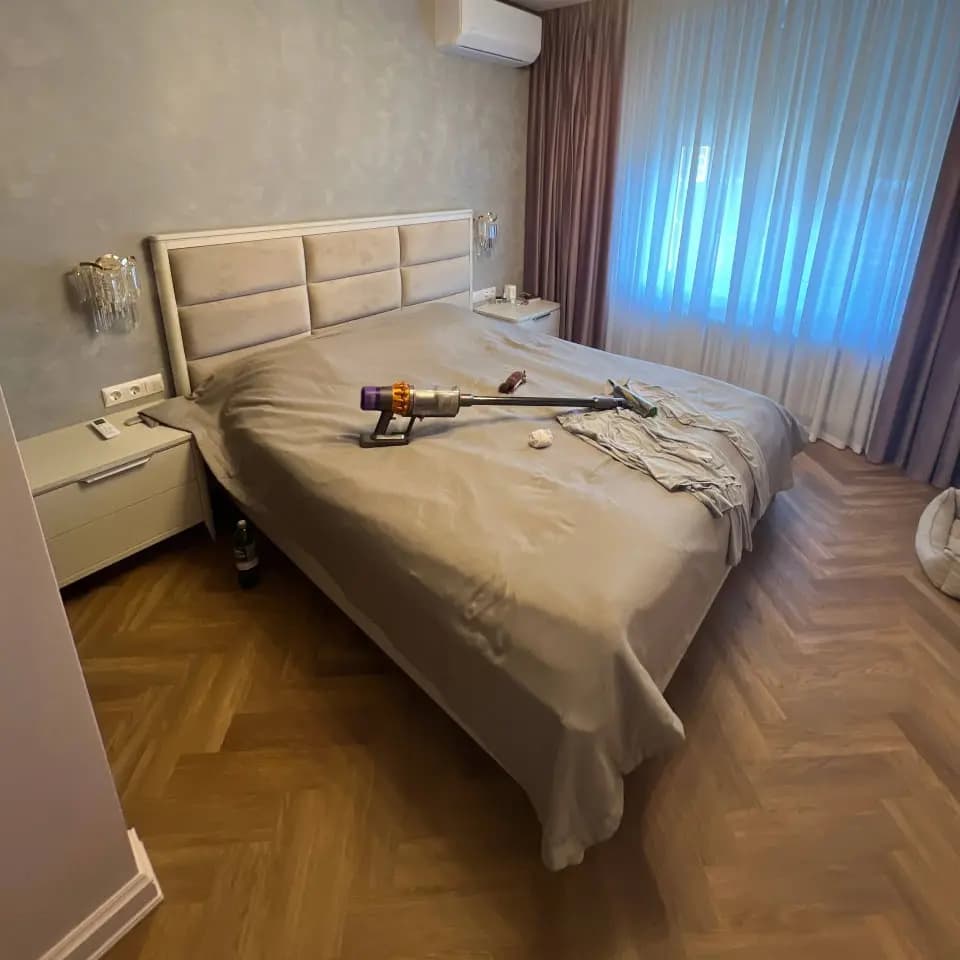
Upload an empty room photo from your New York listing directly in your browser.
2. AI Stages It
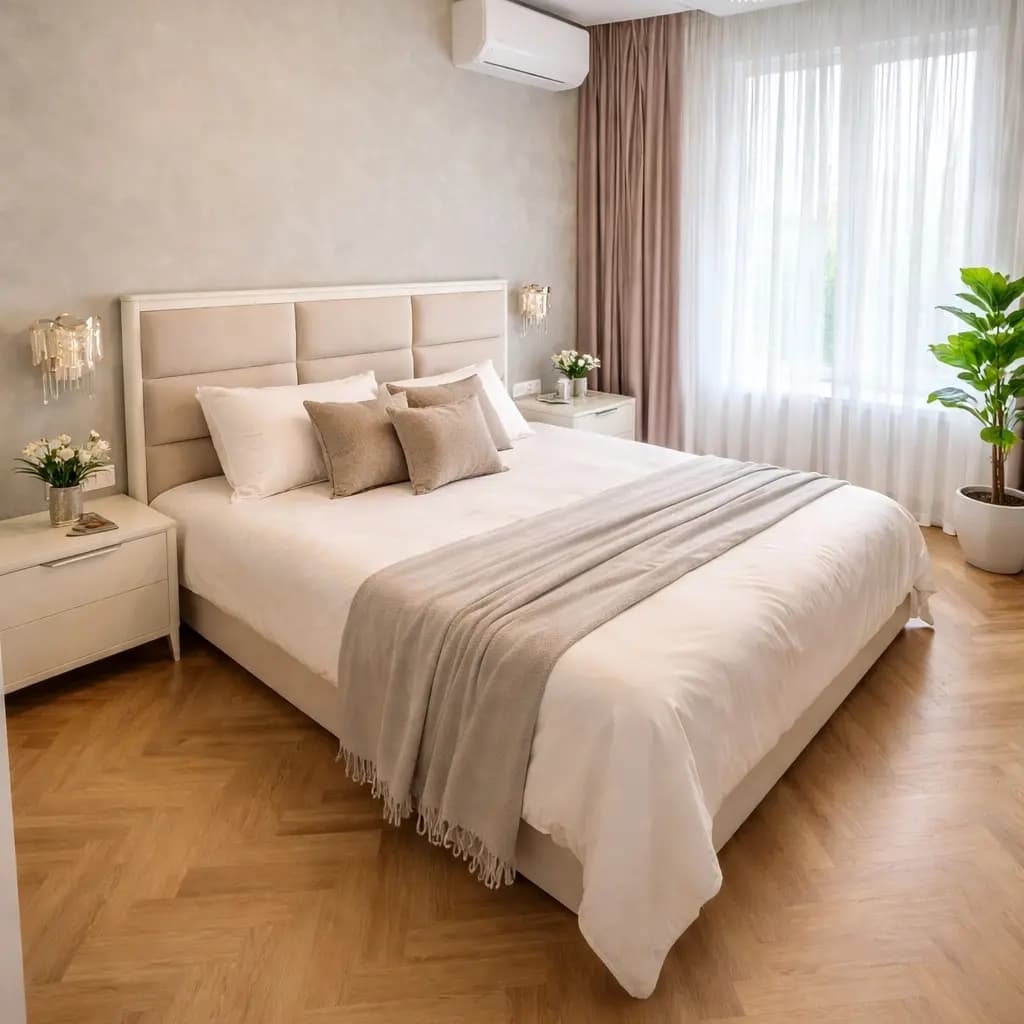
Choose from 11 design styles. Our AI adds realistic furniture and decor in under 60 seconds.
3. Download & List
Download high-resolution staged photos ready for MLS, Zillow, Realtor.com, and social media.
Virtual Staging in New York
### Staging for the StreetEasy scroll
The photo set an NYC agent ships to StreetEasy, Zillow, and the firm's own site is doing two jobs at once. It has to survive the thumbnail view, where a buyer decides in about a second and a half whether to tap in, and then it has to hold up inside the listing page, where the same buyer is zooming into corners looking for hidden problems. AI virtual staging is useful on both fronts because an agent can test compositions cheaply. Render the living room with a sectional and a pair of armchairs, then render it again with one sofa and a reading corner, and see which thumbnail earns more saves. That's not a luxury on a slow listing; that's table stakes in a city where the average buyer has a forty-listing shortlist before they speak to an agent.
### Prewar, postwar, and new construction need different rulebooks
The most common staging mistake in this market is running the same furniture package across three completely different building stocks. A prewar Upper East Side co-op lives or dies on moldings, arched entries, and the layout of the original rooms. Staging that covers the moldings with oversized art or blocks the doorway sight lines is hurting the listing. Postwar rentals-turned-condos in Murray Hill and the East Village have lower ceilings and tighter footprints. Scale down. A loveseat and a slim bookshelf beat a three-seater and a media console. New-construction glass towers in Tribeca, Hudson Yards, and parts of Williamsburg have the opposite problem: the rooms are often oddly proportioned, with one long glass wall and not much else to anchor furniture against. The fix is a large, low-pile rug that defines the seating area, a sofa floated away from the window, and warm textiles to counter the cold floors. Brooklyn Heights and Park Slope townhouses reward staging that honors the parlor floor's original proportions rather than trying to modernize them. A garden-level render often needs separate handling because the light in those rooms is lower and a warmer palette reads better than the same furniture set that worked on the parlor floor above. Working agents in the brownstone belt generally treat each floor as its own staging decision and don't run a single furniture package across an entire townhouse. That's the difference between a listing that sells in three weekends and one that sits through a market cycle.
Home Staging Tips for New York
Shoot and stage the floor plan alongside photos
In this market, buyers open the floor plan graphic before the photos. The staged living room shot should match the furniture arrangement implied by the floor plan, so the two tell the same story. Contradictions between them kill credibility fast.
Respect the prewar moldings
Upper East Side, Upper West Side, and Brooklyn Heights prewar units pay for themselves through original millwork. Virtual staging should never crop out crown moldings, ceiling medallions, or picture rails. Keep tall furniture at least a foot below the ceiling line so the architectural detail stays visible.
Use warm lamp light against hard surfaces
New-construction condos photograph cold. Add table and floor lamps in the render, and turn them on. A warm 2700K glow against a polished concrete floor or a marble kitchen island makes the room feel livable rather than staged for a brochure.
Stage the second bedroom honestly
NYC two-bedrooms routinely have a second bedroom that's barely legal. Don't render a king-sized bed that the room can't actually hold. A full bed, a slim nightstand, and a small desk under the window tells the buyer the truth and avoids the "this photo lied to me" reaction at the showing.
Keep the kitchen empty in renders
Manhattan kitchens are usually small and already featured heavily in the photos. Adding virtually rendered fruit bowls, bottles, or cookbooks almost always looks fake at the scale kitchens actually photograph. Leave counters clean and let the finishes speak.
More New York Resources
Stage Your New York Listing Today
Transform empty rooms into stunning staged photos. Starting from $0.10 per image.
New York Home Staging FAQ
How much does home staging cost in New York?
Physical home staging in New York costs $2,000-$5,000 for a standard home, with luxury properties in areas like Manhattan or Brooklyn Heights costing $5,000-$15,000. Virtual staging with Agent Lens is just $0.10 per image — ideal for New York's competitive market where professional photos are essential.
Is home staging worth it in New York's market?
Absolutely. With a median home price of $770,000 and homes spending an average of 68 days on market, staged homes in New York sell 30-50% faster. At $770,000, even a 1% price increase from staging means thousands more at closing.
How does virtual staging work for New York listings?
Virtual staging uses AI to add realistic furniture and decor to photos of empty rooms. Upload your New York listing photos, choose a style (modern, coastal, farmhouse, etc.), and receive professionally staged images in under 60 seconds. Perfect for MLS listings and online marketing.
What staging styles are popular in New York?
New York buyers respond well to modern, contemporary, and transitional staging styles. In neighborhoods like Manhattan and Brooklyn Heights, luxury and coastal styles also perform strongly. Virtual staging lets you try multiple styles to see what resonates with New York buyers.
Should I stage my New York home before listing?
Yes. In New York's market (median price $770,000, avg 68 days on market), staged homes consistently outperform non-staged listings. With 97% of buyers starting online, professional listing photos are your first showing. Virtual staging delivers professional results for $0.10/image.