

Quick Answer
Selling residential property in New York City means navigating five boroughs that behave like five separate markets, each with its own rhythm of buyer expectations and price sensitivity. A Park Slope brownstone marketed to brownstone-curious families faces different scrutiny than a Long Island City condominium aimed at first-time buyers crossing the East River for square footage. Manhattan co-ops still demand board-package preparation that can stretch closings by sixty to ninety days, while Brooklyn condos and Queens single-families move faster once contracts are signed. Sellers who treat the city as one market frequently mismatch their preparation, photography, and pricing strategy. Virtual staging earns its keep here because the average New York listing sits empty after a tenant or owner departs, and physical staging in a 700-square-foot Upper East Side junior one-bedroom can run higher than a comparable mortgage payment in other regions. Photo-realistic staging through AgentLens lets agents visualize a Tribeca loft as a furnished family workspace, a Harlem prewar as a young-professional rental conversion, or a Forest Hills Tudor as the move-up family home it was built to be. Buyer attention spans on StreetEasy and Zillow are short, and a furnished hero image can be the difference between a saved listing and a forgotten scroll.
Key Takeaways
- 1Median price: $770,000
- 2Days on market: 68
- 3Best time to sell: May-June
- 4Average commission: 5-6%
Local Market Insight
New York buyers research building histories before they research apartments. A 1920s prewar in Washington Heights with original casement windows, herringbone parquet, and a sunken living room reads differently than a 2010s glass tower in Hudson Yards, and your staging needs to match the bones. In Brooklyn, brownstone buyers in Bedford-Stuyvesant and Crown Heights respond to staging that respects original plaster medallions, pier mirrors, and pocket doors rather than covering them with generic gray sectionals. Queens buyers in Astoria and Sunnyside often arrive from Manhattan looking for outdoor space, so staging a backyard or terrace with a teak bistro set and planters carries weight. Co-op boards in older Upper West Side and Murray Hill buildings sometimes restrict open-house furniture deliveries, which makes virtual staging the practical choice for vacant units. The Bronx's Riverdale houses skew toward traditional buyers who want to see formal dining rooms staged with rectangular tables seating six. Staten Island's Todt Hill and Grymes Hill listings need staging that acknowledges suburban-style two-car garages and finished basements, a different visual vocabulary than the rest of the city.
How to Sell Your Home in New York, NY
Your complete 2026 guide to selling a house in New York, New York. From pricing strategy to closing day — everything you need to sell fast and for top dollar.
8 Steps to Sell Your New York Home
Step 1: Price It Right
Work with a local agent to run a comparative market analysis (CMA). Overpricing leads to stale listings; underpricing leaves money on the table. The right price attracts multiple offers and creates urgency.
Step 2: Hire a Local Agent
Choose a listing agent with proven sales in your neighborhood. A great agent handles pricing strategy, marketing, negotiations, and paperwork so you can focus on your move.
Step 3: Prepare & Stage Your Home
Declutter every room, deep-clean surfaces, fix minor repairs, and stage key spaces. Staged homes sell 30-50% faster. Virtual staging at $0.10/image is a cost-effective alternative to physical staging.
Step 4: Professional Photography
Invest in professional photos and a 3D virtual tour. Listings with high-quality photography receive 118% more views online. First impressions happen on-screen before any showing.
Step 5: List on MLS & Market
Your agent lists on the MLS which syndicates to Zillow, Realtor.com, and Redfin. Supplement with social media ads, email blasts, and targeted digital marketing for maximum exposure.
Step 6: Host Open Houses
Schedule open houses for the first two weekends after listing. A well-staged home with fresh flowers and good lighting creates an emotional connection that drives offers.
Step 7: Negotiate Offers
Review each offer on price, contingencies, financing type, and closing timeline. Your agent will help you counter-offer strategically. In competitive markets, multiple offers let you choose the strongest buyer.
Step 8: Close the Deal
Accept an offer, navigate the inspection and appraisal, clear any contingencies, and sign closing documents. Your agent and title company coordinate everything through a smooth closing day.
Stage Your New York Listing
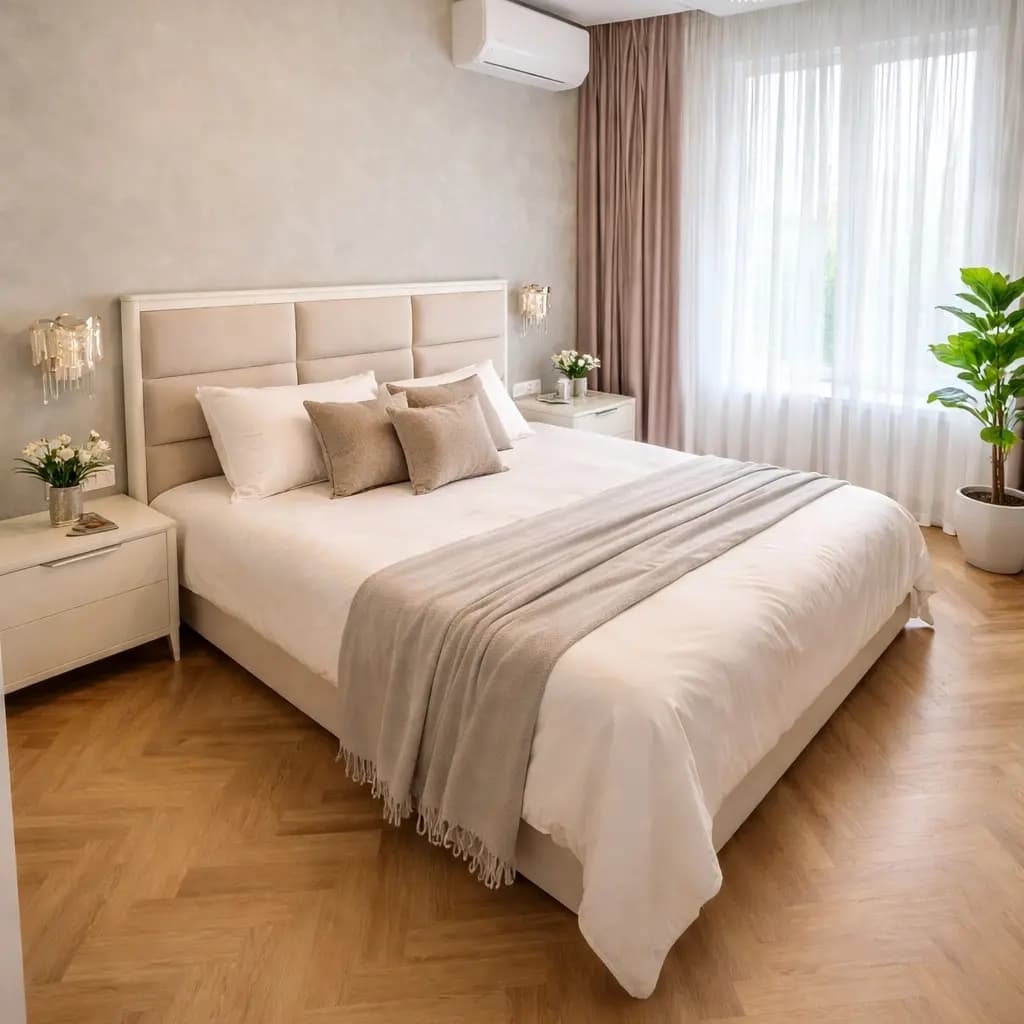
Staged homes in New York sell faster and for more money. Virtual staging with Agent Lens costs just $0.10 per image — a fraction of the $2,000-$5,000 physical staging cost. Upload your listing photos and get photo-realistic staged images in under 60 seconds.
Local Tips for Selling in New York
Hot Neighborhoods
Buyers are actively searching in these New York neighborhoods. If your home is in or near these areas, emphasize location in your listing.
Timing Your Sale
In New York, the best months to list are May-June. During this window, buyer activity peaks and homes typically sell closer to or above asking price. Plan your preparation 4-6 weeks before listing.
New York Housing Market Overview
### Pricing the listing for borough-specific buyer pools
New York pricing strategy collapses when sellers benchmark across borough lines. A Cobble Hill brownstone competes with Carroll Gardens and Boerum Hill, not with Williamsburg condos two miles away. Comparable sales should be filtered by building type, school zone, and subway distance measured in walking minutes rather than straight-line distance. Manhattan co-ops require an additional layer because maintenance charges and flip taxes shape what buyers can carry, and two units priced identically on paper produce very different effective costs. Days on market tend to extend in the city's August slowdown and the late-November holiday window, so listing timing matters as much as the asking number. Sellers who launch in mid-September or early March generally see denser open-house attendance and tighter offer windows.
### Preparing the property and the paperwork
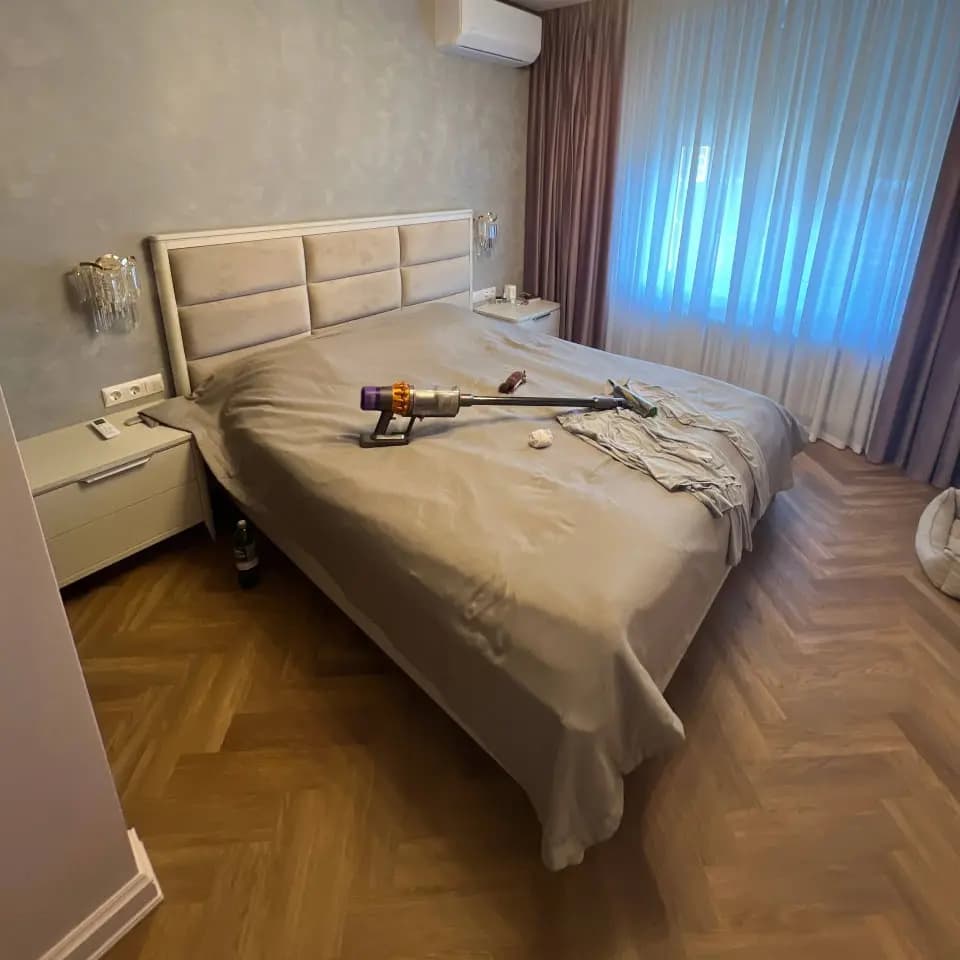
New York sales involve more documents than most U.S. markets. Co-op buyers complete board packages with personal financials, reference letters, and tax returns going back two years; condo buyers face waiver-of-right-of-first-refusal requests; townhouse sellers should have certificates of occupancy, open-permit reports, and DOB violation searches in hand before listing. Staging the property visually is only one half of the preparation. The other half is paper readiness: a clean title report, a landmarks letter where applicable, and a building financial statement for co-ops. Agents who pre-order these documents shorten contract-to-closing by weeks. On the visual side, AgentLens staging removes the awkwardness of empty rooms in listing photos, particularly in the long, narrow railroad layouts common in older East Village and Lower East Side walk-ups, where buyers struggle to imagine furniture placement. Staging a small bedroom with a queen platform bed pushed against the longer wall, a slim nightstand, and a wall-mounted reading sconce signals that the room functions, even at 9-by-11 feet. For larger Riverdale colonials or Staten Island ranches, staging a basement as a media room or home office addresses the work-from-home buyer pool that has reshaped outer-borough demand since 2021.
Cost of Selling a Home in New York
Top Selling Tips for New York
Photograph north-facing Manhattan apartments mid-morning when ambient light
Photograph north-facing Manhattan apartments mid-morning when ambient light is even, then apply virtual staging with warm lamp glows to counter the cool natural cast.
For prewar co-ops with original details, request staging
For prewar co-ops with original details, request staging that uses lower-profile sofas and slim-leg chairs so crown moldings, picture rails, and parquet inlays remain the visual focus.
Brooklyn brownstone listings benefit from staging the parlor
Brooklyn brownstone listings benefit from staging the parlor floor with a single statement piece such as a velvet chesterfield, rather than crowding the space with multiple seating groups.
Queens and Bronx single-family sellers should stage the
Queens and Bronx single-family sellers should stage the basement and finished attic as defined rooms (office, gym, guest suite) rather than leaving them as ambiguous bonus space.
Always stage the smallest bedroom first in a
Always stage the smallest bedroom first in a Manhattan two-bedroom; buyers fixate on whether the second room fits a real bed, and an empty 8-by-10 reads as a closet.
Frequently Asked Questions About Selling in New York
How much does it cost to sell a house in New York?
The total cost of selling a house in New York, NY typically ranges from 8-10% of the sale price. This includes agent commissions (5-6%), closing costs, title insurance, and transfer taxes. On a $770,000 home, expect to pay roughly $69,300 in total selling costs.
How long does it take to sell a house in New York?
Homes in New York currently spend an average of 68 days on market before going under contract. Add another 30-45 days for closing, meaning the entire process takes roughly 98-113 days from listing to keys. Pricing correctly and staging well can significantly reduce time on market.
When is the best time to sell a house in New York?
The best months to sell a house in New York, NY are May-June. During this window, buyer demand peaks, inventory competition is manageable, and homes tend to sell faster and closer to asking price. However, well-priced and staged homes attract buyers year-round.
Do I need a realtor to sell in New York?
While you can sell FSBO (For Sale By Owner) in New York, homes sold with an agent typically net 6-10% more after commissions. A local New York agent brings MLS access, professional marketing, negotiation expertise, and knowledge of neighborhoods like Manhattan and Brooklyn Heights. Most sellers find the higher net proceeds justify the 5-6% commission.
Should I stage my home before selling in New York?
Absolutely. Staged homes in New York sell 30-50% faster and for 1-5% more than non-staged properties. With a median price of $770,000, even a 1% increase means thousands more at closing. Virtual staging with Agent Lens costs just $0.10/image and delivers photo-realistic results in seconds — a fraction of the $2,000-$5,000 physical staging cost.
More Resources for New York
Stage Your New York Listing with AI
Sell faster in New York's $770,000 market — virtual staging from $0.10/image
Selling Guides for Other Cities
Explore home selling guides for markets across the United States.