

Quick Answer
Real-estate photography in New York City pushes against constraints that simply do not exist in other US markets. Manhattan apartment ceilings frequently sit between 8 feet and 8 feet 6 inches in postwar buildings on the Upper East Side and Upper West Side, while prewar Classic Sixes on Park Avenue and West End Avenue offer 9-to-10-foot ceilings but darker layouts with deep interior bedrooms. Brownstone parlor floors in Park Slope, Cobble Hill, and Bedford-Stuyvesant carry 11-foot ceilings but suffer from north-south orientation that leaves middle rooms in shadow most of the day. Loft conversions in Tribeca, NoHo, and DUMBO bring 12-foot ceilings but cast-iron column placement that complicates wide-angle composition. Add the air-rights and view-corridor questions that drive Hudson Yards and Billionaire's Row pricing, and the photographer's job becomes substantially more architectural than in suburban markets. Listings that ignore these realities produce images that distort room proportions, blow out window light, or fail to capture the views that justify pricing. This guide covers the lens, lighting, and scheduling decisions that produce New York real-estate photography buyers and brokers actually trust, including standards for StreetEasy, Compass, and BHS listing platforms where image quality directly affects click-through and showing requests.
Local Photography Insight
New York buyers split sharply by submarket and product type. Prewar buyers on the Upper West Side, Upper East Side, and Central Park West expect images that emphasize original details: herringbone parquet, plaster crown molding, beamed ceilings, and woodburning fireplaces with original mantels. Postwar condo buyers in Yorkville, Murray Hill, and Battery Park City respond to bright, modern images that minimize the lower ceilings and emphasize newer kitchens and primary bath finishes. Brooklyn brownstone buyers in Park Slope, Carroll Gardens, Clinton Hill, and Bedford-Stuyvesant prioritize parlor floor light, original plaster ceiling medallions, and rear yard or garden views that justify the parlor-plus-garden duplex premium. Tribeca and SoHo loft buyers expect wide horizontal framing that captures cast-iron columns, exposed brick, and original wood ceilings. Long Island City and Williamsburg waterfront buyers come for skyline views, so any river-facing window must be photographed at twilight to capture both the Manhattan skyline and the apartment interior simultaneously through proper exposure blending.
Real Estate Photography
in New York
Everything New York agents need to know about professional listing photography — types, costs, tips, and how virtual staging completes the package.
Why Professional Photography Matters in New York
In New York's market, where the median home price is $770,000, first impressions happen online. Professional real estate photography is no longer optional — it is the single most impactful marketing investment an agent can make.
Sell 32% Faster
Listings with professional photography sell 32% faster than those with amateur or smartphone photos. In a market like New York, that can mean weeks less on market.
118% More Online Views
Professionally photographed homes receive 118% more views on portals like Zillow, Realtor.com, and Redfin — critical in a market with $770,000 median prices.
New York Real Estate Market & Photography Trends
### Equipment and Technique for Tight Manhattan Layouts
New York apartment photography fails most often because photographers default to ultra-wide focal lengths that distort already-small rooms into shapes buyers cannot recognize during in-person showings. For postwar studios and one-bedrooms on the Upper East Side and Yorkville, a 16-35mm lens used between 20 and 24mm produces honest framing that matches buyer perception. Tilt-shift lenses, particularly a 17mm or 24mm tilt-shift, become essential in prewar apartments where straight verticals matter for capturing tall windows along West End Avenue and Riverside Drive. Tribeca and SoHo lofts with cast-iron columns require careful column placement in compositions, since columns running through the center of a frame visually divide the room and make it appear smaller. Brownstone parlor floors photograph best with the photographer positioned in the rear parlor shooting toward the front bay window, which uses the ceiling height and natural light from the south or west elevation effectively.
### Light, Views, and Scheduling Around Building Realities
New York photography scheduling has to account for sun orientation, view-corridor blockages, and building access rules that don't exist elsewhere. South-facing apartments in Lincoln Square and Hudson Yards photograph best between 10 a.m. and 2 p.m. when sun fills living rooms without harsh window blowout. North-facing apartments throughout the Upper East Side benefit from cloudy days that produce soft, diffuse light without contrast issues. East-facing units in Battery Park City and Roosevelt Island work best in early morning, while west-facing apartments along Riverside Boulevard need late afternoon shoots to capture Hudson River light. Twilight is non-negotiable for any apartment with skyline views: a 30-to-45-minute window after sunset captures both interior warmth and exterior city lights. Most condo and co-op buildings restrict shoots to weekdays between 9 a.m. and 5 p.m. with advance management notification, so photographers must coordinate with the listing broker, building staff, and resident manager well in advance. Drone photography is severely restricted across NYC airspace given LaGuardia and Newark Class B coverage, so most listings rely on rooftop or terrace captures instead. Final image processing should preserve original architectural details rather than smooth them, since prewar character is the primary value driver in many submarkets.
Types of Real Estate Photography in New York
Interior HDR
Wide-angle, exposure-blended shots of every room. The foundation of any listing photo package.
Exterior / Curb Appeal
Front elevation, backyard, landscaping, and street-level shots that create strong first impressions.
Aerial / Drone
Bird's-eye views showcasing lot size, roof condition, and proximity to amenities in New York.
Twilight Photography
Golden-hour or dusk shots that make homes glow. Popular for luxury listings in neighborhoods like Manhattan.
Virtual Tour / Video
360-degree tours and cinematic walkthroughs let remote buyers explore properties before visiting.
Virtual Staging
AI-powered staging adds furniture to empty rooms for $0.10/image — the perfect add-on after photography.
Average Real Estate Photography Costs in New York
Pricing varies by property size, number of shots, and add-ons. Here is what New York agents typically pay in 2026.
| Service | Typical Cost | Includes |
|---|---|---|
| Basic Package | $200-$500 | 25-35 HDR interior & exterior photos |
| Premium Package | $350-$700 | 40+ photos, twilight shots, aerial |
| Drone Add-On | $100-$250 | 5-10 aerial shots, FAA-licensed pilot |
| Twilight Add-On | $100-$200 | 3-5 golden-hour exterior shots |
| 3D Virtual Tour | $150-$400 | Matterport or equivalent 360 walkthrough |
| Virtual Staging | $0.10/image | AI-furnished rooms, unlimited styles, 60-second delivery |
Virtual Staging: The Perfect Complement
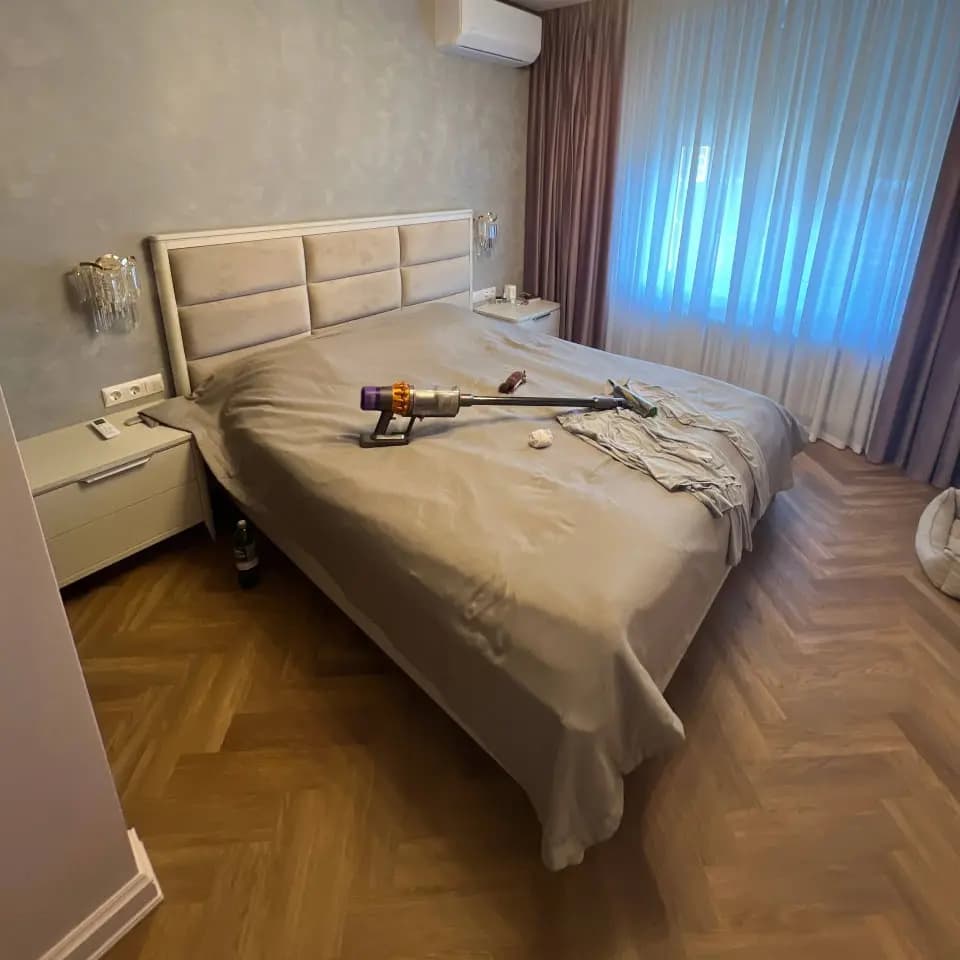
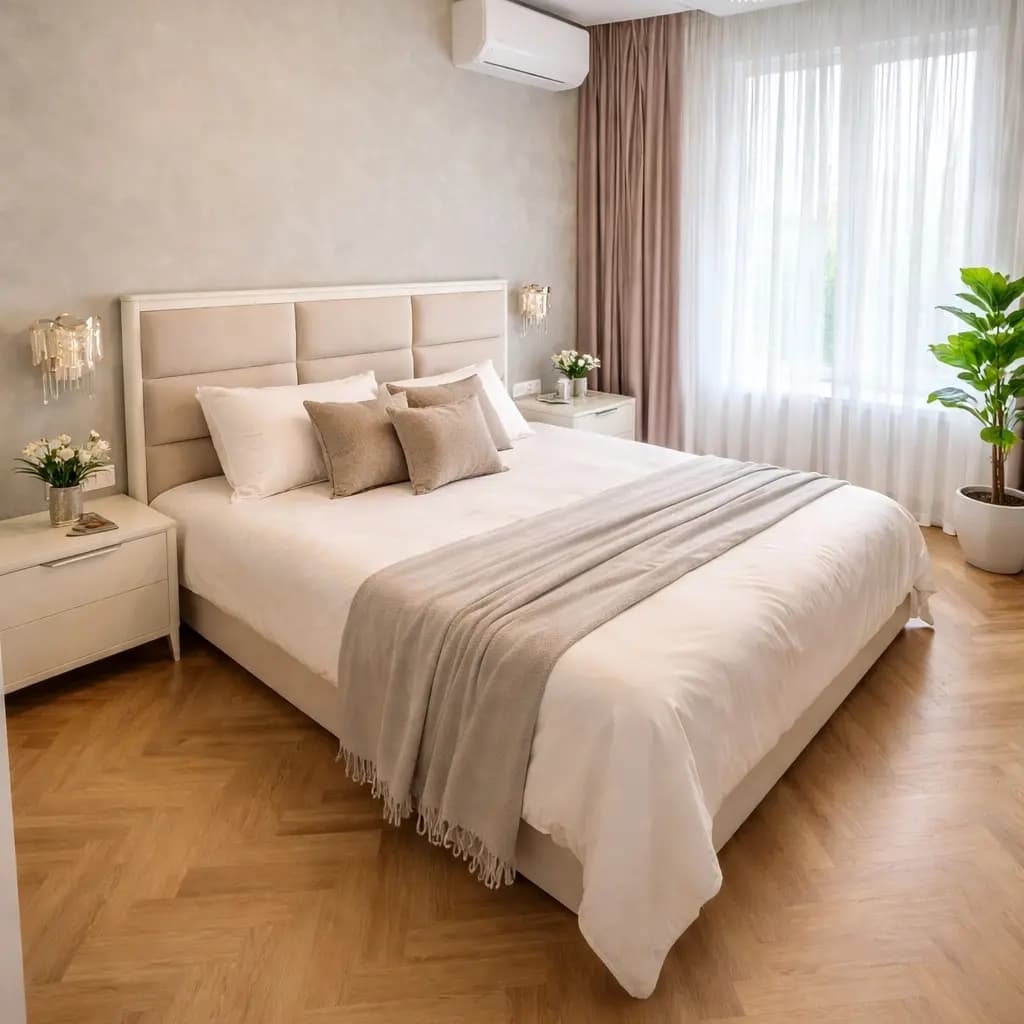
After your New York photographer delivers stunning HDR photos, virtual staging transforms empty rooms into beautifully furnished spaces for just $0.10 per image. No furniture rental, no scheduling, no monthly fees. Upload your empty-room photos, choose from 11 design styles, and download MLS-ready staged images in under 60 seconds. It is the highest-ROI add-on to any photography package.
Top Neighborhoods for Photography in New York
Professional photography is especially impactful in New York's most competitive neighborhoods.
Photography Tips for New York Properties
Use a 17mm or 24mm tilt-shift lens for
Use a 17mm or 24mm tilt-shift lens for prewar apartments to keep tall casement windows along West End Avenue or Riverside Drive perfectly vertical.
Schedule shoots in south-facing Hudson Yards and Lincoln
Schedule shoots in south-facing Hudson Yards and Lincoln Square apartments between 10 a.m. and 2 p.m. to maximize natural fill light without window blowout.
For Tribeca and SoHo lofts, frame compositions so
For Tribeca and SoHo lofts, frame compositions so cast-iron columns sit at one-third points rather than dividing the room visually down the center.
Brownstone parlor floors photograph strongest with the camera
Brownstone parlor floors photograph strongest with the camera in the rear parlor shooting toward front bay windows, using south or west light through original glass.
Twilight photography is mandatory for any apartment with
Twilight photography is mandatory for any apartment with skyline views in LIC, Williamsburg, or Battery Park City; daytime shots alone undersell the view premium.
DIY Photography Tips for New York Agents
If you photograph listings yourself, these tips will dramatically improve your results.
Shoot During Golden Hour
Schedule exterior shots for early morning or late afternoon. In New York, this light flatters architecture and landscaping beautifully.
Use a Wide-Angle Lens
A 10-22mm wide-angle lens makes rooms look spacious. Avoid fish-eye distortion by keeping the camera level and centered.
Declutter Every Room
Remove personal items, excess furniture, and countertop clutter before shooting. Clean spaces photograph significantly better.
Turn On All Lights
Open blinds, turn on every light, and replace dim bulbs. Bright, warm rooms are more inviting and photograph better.
Stage Digitally After
Empty rooms? Use virtual staging at $0.10/image to add furniture digitally. No scheduling, no furniture rental, MLS-ready in 60 seconds.
More New York Resources
Complete Your New York Listing Photos
Add virtual staging to your professional photos. Starting from $0.10 per image.
New York Real Estate Photography FAQ
How much does real estate photography cost in New York?
Professional real estate photography in New York typically costs $200-$500 per session for a standard residential listing. Premium packages with drone, twilight, and virtual tour add-ons can run $500-$1,000+. Many New York agents find that pairing professional photos with virtual staging at $0.10/image delivers the best ROI.
What types of real estate photography are available in New York?
New York photographers offer interior and exterior HDR photography, aerial/drone shots, twilight photography, 3D virtual tours, and video walkthroughs. The most popular package for New York listings includes 25-40 HDR interior and exterior shots. Drone photography is especially effective for properties in neighborhoods like Manhattan and Brooklyn Heights.
Should I use drone photography for my New York listing?
Drone photography is highly recommended for New York properties with notable exterior features, large lots, waterfront views, or desirable locations. Aerial shots showcase the property's proximity to amenities and provide neighborhood context. In New York, drone add-ons typically cost $100-$250 on top of the base photography package.
Is professional photography worth it for New York listings?
Absolutely. With a median home price of $770,000 in New York, professional photography delivers exceptional ROI. Listings with professional photos sell 32% faster and receive 118% more online views. At $770,000, even a small percentage increase in sale price far exceeds the $200-$500 investment.
How does virtual staging work with real estate photography?
After your New York photographer delivers the final images, you can enhance empty rooms with virtual staging. Upload any photo to Agent Lens, choose a design style, and receive a professionally staged image in under 60 seconds for just $0.10. It is the perfect complement to professional photography — no furniture rental needed.