

Quick Answer
Richmond listings work in a market with deep architectural tradition that the local buyer pool reads with unusual fluency. The Fan and Museum District carry block after block of late-Victorian and Edwardian rowhouses with original interior detail. Church Hill delivers Federal and Greek Revival inventory with historical weight that can be either an asset or a constraint depending on the staging approach. Carytown and the surrounding blocks run from prewar bungalow to mid-century cottage. Short Pump and the Far West End deliver newer master-planned inventory where staging is doing the differentiation work between near-identical floor plans. Buyers here are largely local move-up families, government and academic relocators tied to the state capitol and VCU, and a meaningful share of remote workers who chose Richmond for its specific quality-of-life pitch. Each audience reads photos differently, but they all reject staging that misrepresents the home or fights the architecture. Vacant rooms cost showings here because buyers form opinions from a small set of high-quality images and the architectural inventory deserves furniture that respects it. Virtual staging works because it gives the listing agent the ability to match furniture to neighborhood and architectural era within hours, ship the listing live the same week, and revise once if the early click-through pattern points to a different staging recipe than the agent first chose.
Key Takeaways
- 1Richmond median home price: $350,000
- 2Average days on market: 32
- 3Virtual staging costs $0.10/photo vs $2,000-$5,000 for physical staging
- 4Staged homes sell 30-50% faster according to NAR
Home Staging in Richmond
Virtual & Physical
Richmond's historic charm and growing economy blend tradition with modern appeal. The city's mix of colonial homes and contemporary builds creates diverse staging needs. Virtual staging adapts instantly to traditional or modern styles for any Richmond property.
Richmond Market Snapshot
The Richmond real estate market has a median home price of $350,000 with homes averaging 32 days on market. In this competitive environment, staged homes sell faster and for more money. Virtual staging from $0.10 per image gives Richmond agents the edge.
Richmond Real Estate Market Stats
Why Stage Your Home in Richmond?
With a median home price of $350,000, Richmond homeowners have significant equity at stake. Staging your home can add 1-5% to the sale price — that's potentially thousands of dollars more at closing. In a market averaging 32 days on market, staging helps your listing sell faster and stand out from the competition.
Virtual Staging vs Physical Staging in Richmond
Physical Staging in Richmond
- Cost: $2,000-$5,000+
- Timeline: 1-2 weeks
- Real furniture for showings and open houses
- Monthly rental fees ($500-$1,500/month)
Virtual Staging
Recommended- Cost: $0.10 per image
- Timeline: Under 60 seconds
- Unlimited styles — try modern, coastal, luxury, and more
- No monthly fees — pay per image, cancel anytime
Top Neighborhoods in Richmond
Home staging is especially impactful in Richmond's most competitive neighborhoods.
How Virtual Staging Works
1. Upload Photo
Upload an empty room photo from your Richmond listing directly in your browser.
2. AI Stages It
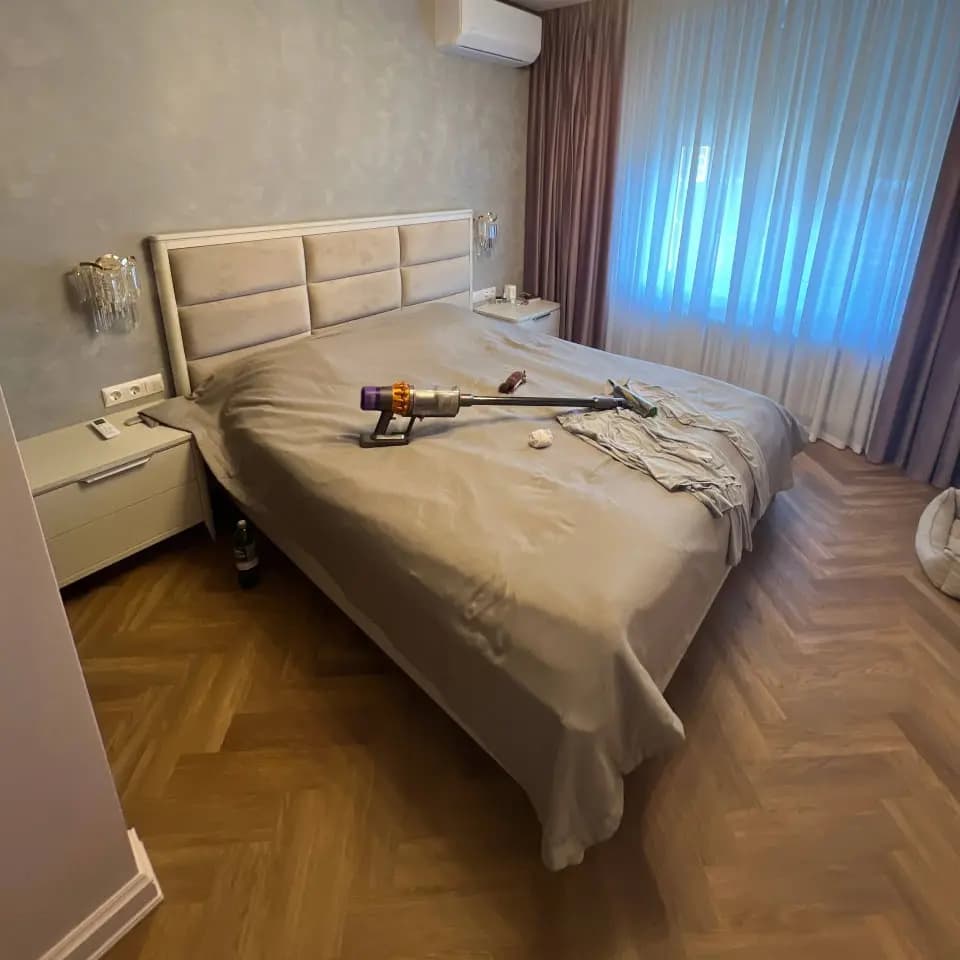
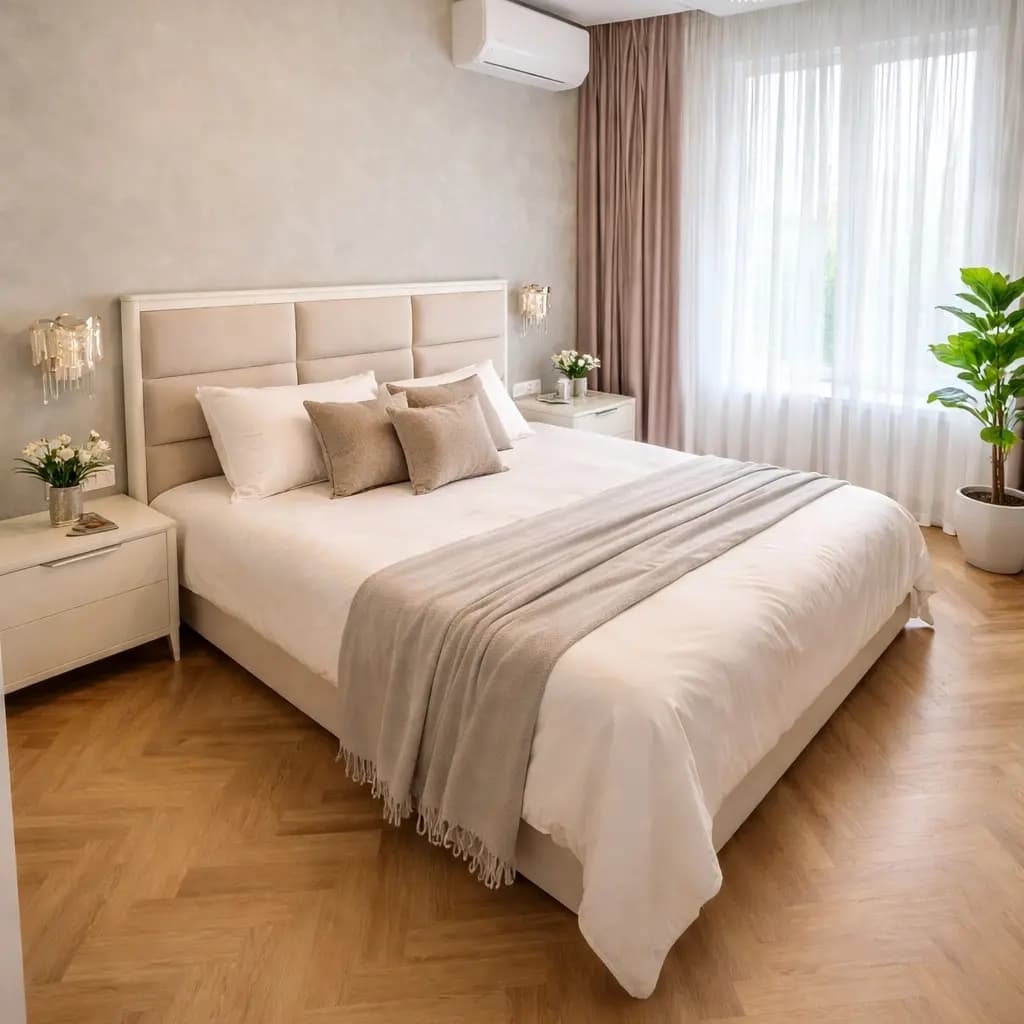
Choose from 11 design styles. Our AI adds realistic furniture and decor in under 60 seconds.
3. Download & List
Download high-resolution staged photos ready for MLS, Zillow, Realtor.com, and social media.
Virtual Staging in Richmond
### Rowhouses, scale, and the original detail problem
Richmond's defining inventory inside the city limits is the rowhouse, and rowhouses are unforgiving of staging mistakes. A Fan two-bedroom with original heart-pine floors, plaster moldings, and a deep but narrow living room cannot carry a ninety-six-inch sectional without losing the walking lane and obscuring the architectural detail that justifies the price. The render that works uses a tailored upholstered sofa around eighty inches, a leather club chair, a hand-knotted rug with subdued pattern, and a coffee table sized to the room rather than the catalog. Church Hill Federal and Greek Revival homes carry similar logic with slightly more formal proportions and rooms scaled for furniture from a different era. The original mantels, fireplace surrounds, and built-in bookcases should stay visible in every interior shot. Museum District homes near the VMFA and the surrounding blocks reward staging that respects the architectural detail and adds warmth without crossing into showroom territory. AI virtual staging earns its place because the same listing agent might handle a Fan rowhouse, a Church Hill Federal, and a Short Pump new build in the same week, and the render packages those properties need have almost nothing in common.
### Carytown, the suburbs, and matching staging to buyer pool
The second discipline is matching staging to the architectural era and the buyer pool the listing actually serves. Carytown and the surrounding blocks have a mix of stock from prewar bungalow to mid-century cottage, and staging needs to be matched to the specific home rather than the ZIP code. A 1920s bungalow on a Carytown side street wants warm, era-appropriate furniture. A 1950s mid-century cottage two blocks over wants walnut accents and clean-lined seating. Short Pump and Glen Allen new construction in Henrico County is heavy on master-planned community homes that share floor plans within the same neighborhood. Staging there is differentiating one home from the near-identical neighbor across the cul-de-sac, which usually means furniture and palette that signal a specific buyer lifestyle rather than generic family-friendly. Render a real home office, family-scale dining, a primary suite that reads as a retreat, and a backyard that signals the lot is usable. Twilight renders work especially well on rowhouses with rooftop access, on James River-adjacent inventory in Stratford Hills and Bon Air, and on higher-end Short Pump inventory with substantial outdoor lighting. Working listing agents render two staging options on properties priced above their submarket median and let the early Zillow saved-listing data inform which version stays in the active set on the Central Virginia Regional MLS.
Home Staging Tips for Richmond
Scale sofas to rowhouse width
Fan, Museum District, and Church Hill living rooms typically cap at twelve to fifteen feet wide. Render a seventy-two to eighty-inch sofa rather than a larger sectional. The walking lane stays clear, original moldings stay visible, and the buyer doesn't immediately wonder where their own furniture would fit.
Honor original heart-pine floors and trim
Fan and Church Hill homes pay for themselves through original heart-pine floors, plaster moldings, mantels, and trim. Virtual staging should never crop those elements out of frame. Rugs should leave a visible border of original floor, and art should respect the picture rails when they survive.
Stage the back patio or rear yard
Most Fan and Museum District rowhouses have a small rear yard that buyers expect to be usable. Render comfortable seating, a small dining setup for two to four, and mature potted plants. The space reads as a private outdoor extension rather than wasted square footage, which is a meaningful driver for the local buyer pool.
Differentiate Short Pump new builds
Henrico County master-planned community homes share floor plans within the same neighborhood. Staging is doing the differentiation work. Render furniture and palette that signal a specific buyer lifestyle, a real home office, family-scale dining, and a backyard that signals usable family space.
Twilight-render river-adjacent inventory
James River-adjacent properties in Stratford Hills, Bon Air, and parts of Westover Hills earn measurable saved-listing lift from a dusk render. Interior lamps lit, soft sky outside, mature trees softening the silhouette. Place the shot in the first three photos rather than burying it later in the set.
More Richmond Resources
Stage Your Richmond Listing Today
Transform empty rooms into stunning staged photos. Starting from $0.10 per image.
Richmond Home Staging FAQ
How much does home staging cost in Richmond?
Physical home staging in Richmond costs $2,000-$5,000 for a standard home, with luxury properties in areas like The Fan or Church Hill costing $5,000-$15,000. Virtual staging with Agent Lens is just $0.10 per image — ideal for Richmond's competitive market where professional photos are essential.
Is home staging worth it in Richmond's market?
Absolutely. With a median home price of $350,000 and homes spending an average of 32 days on market, staged homes in Richmond sell 30-50% faster. At $350,000, even a 1% price increase from staging means thousands more at closing.
How does virtual staging work for Richmond listings?
Virtual staging uses AI to add realistic furniture and decor to photos of empty rooms. Upload your Richmond listing photos, choose a style (modern, coastal, farmhouse, etc.), and receive professionally staged images in under 60 seconds. Perfect for MLS listings and online marketing.
What staging styles are popular in Richmond?
Richmond buyers respond well to modern, contemporary, and transitional staging styles. In neighborhoods like The Fan and Church Hill, luxury and coastal styles also perform strongly. Virtual staging lets you try multiple styles to see what resonates with Richmond buyers.
Should I stage my Richmond home before listing?
Yes. In Richmond's market (median price $350,000, avg 32 days on market), staged homes consistently outperform non-staged listings. With 97% of buyers starting online, professional listing photos are your first showing. Virtual staging delivers professional results for $0.10/image.