

Quick Answer
Minneapolis listings live or die on light. The city sits far enough north that winter shoots end early, and homes photographed in February with overhead halogen and gray sky outside read very differently from the same rooms shot in late June. That seasonality changes the staging calculus more than most agents account for. A vacant Linden Hills bungalow in January looks dim and small. The same room with rendered lamp light, a wool rug, and a midweight upholstered sofa reads warm and lived-in. The local buyer pool is sophisticated about architecture: Prairie School, Tudor Revival, mid-century rambler, post-2000 lake home, Edina traditional, and a steady volume of new-construction North Loop condos. Each format wants its own staging vocabulary. Buyers from the Twin Cities suburbs are comparing the listing to comparable inventory across Hennepin and Ramsey counties, and they walk through three or four homes a Saturday with crisp opinions. Out-of-state relocators are usually corporate transferees from Chicago, Denver, or coastal markets, and they want the listing photo set to confirm that the home delivers Minneapolis's specific quality-of-life pitch. Virtual staging works in this market because it lets a listing agent fix the winter-light problem, match furniture to the architectural era, and tune the render to the buyer pool without booking a stager during the December-to-March stretch.
Key Takeaways
- 1Minneapolis median home price: $340,000
- 2Average days on market: 33
- 3Virtual staging costs $0.10/photo vs $2,000-$5,000 for physical staging
- 4Staged homes sell 30-50% faster according to NAR
Home Staging in Minneapolis
Virtual & Physical
Minneapolis's strong economy and design-forward culture create a market that values well-presented homes. Scandinavian and modern staging styles resonate with Minnesota buyers. The seasonal market makes fast virtual staging essential during the spring selling rush.
Minneapolis Market Snapshot
The Minneapolis real estate market has a median home price of $340,000 with homes averaging 33 days on market. In this competitive environment, staged homes sell faster and for more money. Virtual staging from $0.10 per image gives Minneapolis agents the edge.
Minneapolis Real Estate Market Stats
Why Stage Your Home in Minneapolis?
With a median home price of $340,000, Minneapolis homeowners have significant equity at stake. Staging your home can add 1-5% to the sale price — that's potentially thousands of dollars more at closing. In a market averaging 33 days on market, staging helps your listing sell faster and stand out from the competition.
Virtual Staging vs Physical Staging in Minneapolis
Physical Staging in Minneapolis
- Cost: $2,000-$5,000+
- Timeline: 1-2 weeks
- Real furniture for showings and open houses
- Monthly rental fees ($500-$1,500/month)
Virtual Staging
Recommended- Cost: $0.10 per image
- Timeline: Under 60 seconds
- Unlimited styles — try modern, coastal, luxury, and more
- No monthly fees — pay per image, cancel anytime
Top Neighborhoods in Minneapolis
Home staging is especially impactful in Minneapolis's most competitive neighborhoods.
How Virtual Staging Works
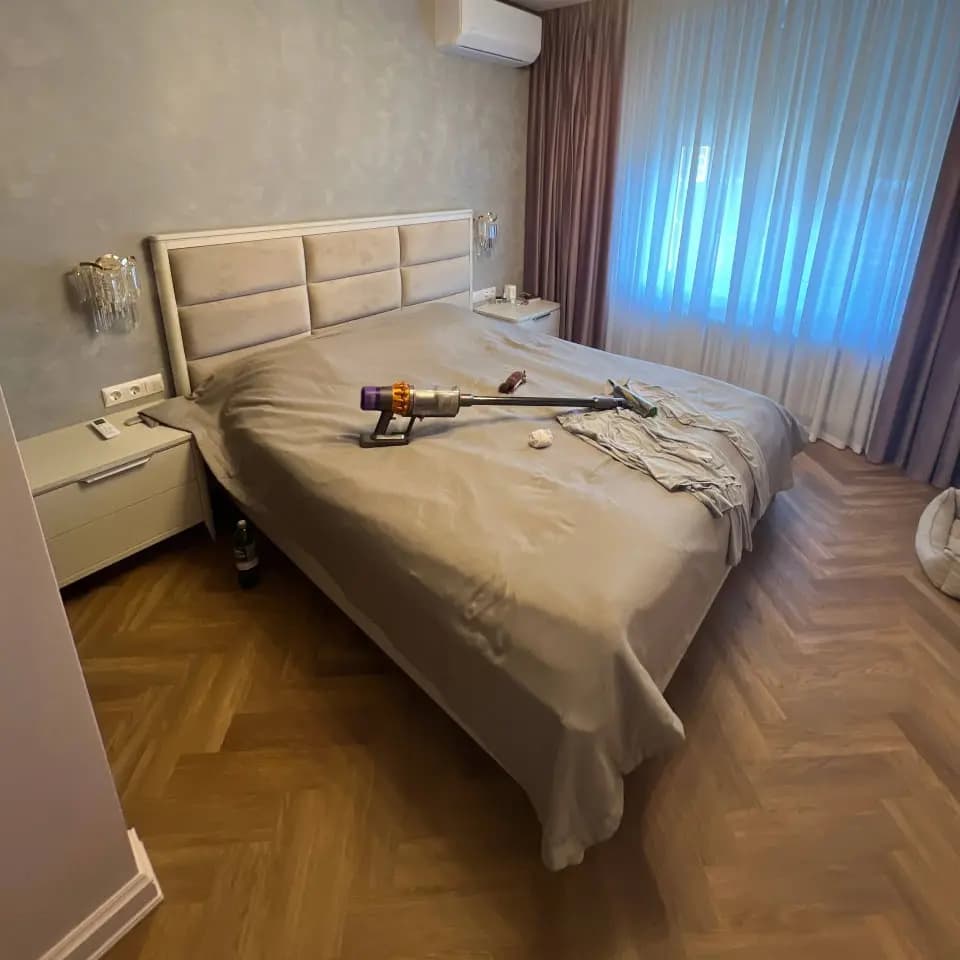
1. Upload Photo
Upload an empty room photo from your Minneapolis listing directly in your browser.
2. AI Stages It
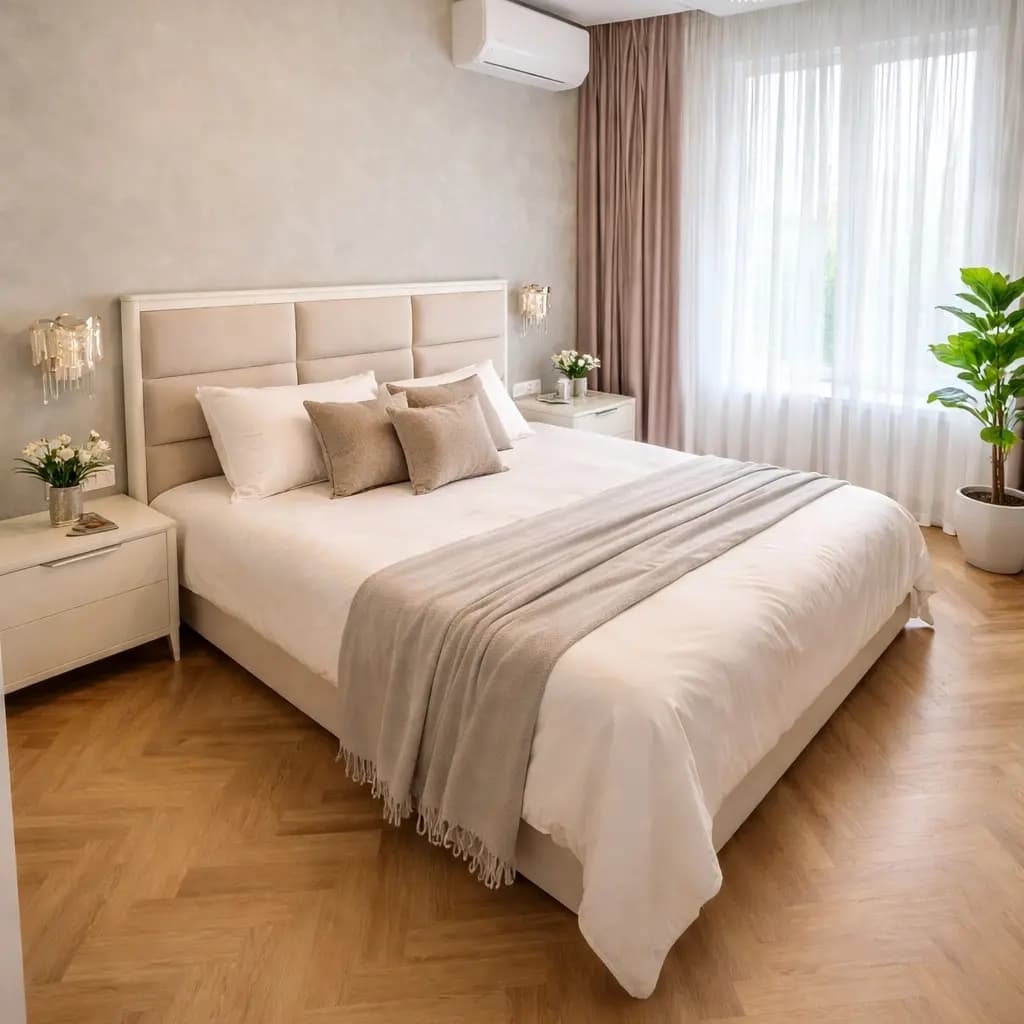
Choose from 11 design styles. Our AI adds realistic furniture and decor in under 60 seconds.
3. Download & List
Download high-resolution staged photos ready for MLS, Zillow, Realtor.com, and social media.
Virtual Staging in Minneapolis
### Solving the winter-light problem with staging
More than half the year, Minneapolis listings are shot under low ambient light with limited golden hour. A vacant living room in a Tangletown bungalow at three in the afternoon in February photographs gray, flat, and uninviting. The same room rendered with a substantial wool rug, a sofa in cognac leather or warm fabric, two lit lamps, and a few bookshelves earns a fundamentally different first reaction in the buyer's scroll. AI virtual staging is particularly valuable in this market because it solves the seasonality problem cheaply. An agent shooting during the dark stretch can render the room as if the furniture and lighting were already there, then revise based on early click-through patterns on Zillow and Redfin. The North Loop and Mill District condos have the opposite issue, with too much hard surface and not enough soft texture. Staging with a wool rug, layered throws, and a mid-tone wood coffee table warms a polished concrete floor without fighting the architectural intent. The light problem and the texture problem are the same problem, and staging is the lever that fixes both.
### Matching furniture to era and neighborhood
The second discipline is era-appropriate staging by neighborhood. A Linden Hills 1920s bungalow with original Douglas fir trim and built-in bookcases wants a tailored upholstered sofa, a leather club chair, a hand-knotted rug with subdued pattern, and art that respects the picture rails. A modern sectional in that room photographs as a flip the buyer doesn't trust. Southwest Minneapolis Tudors and Prairie homes near Lake Harriet and Lake of the Isles need similar restraint, with quarter-sawn oak references and warmer earth tones. Mid-century ramblers in Edina, Richfield, and parts of Bloomington reward walnut, teak, and clean-lined seating. The Uptown area carries a mix of stock from prewar fourplex conversions to new-construction towers, and staging has to be matched to the specific building rather than the ZIP code. North Loop, Mill District, and East Town lofts and condos want the warmth-first approach: warm lamp light, a substantial rug, leather and wool textures, and a single piece of considered art rather than gallery walls. Edina move-up homes priced above the suburb's median respond to slightly more traditional staging, with a tailored sofa, a substantial coffee table, and dining staging that signals family hosting rather than couples-only living. Working listing agents in the Twin Cities often render two furniture options for any property over a million in list price and let the early Zillow data on saves and shares decide which version stays.
Home Staging Tips for Minneapolis
Light the lamps in every winter render
From November through March, Minneapolis interiors photograph cold without staged lighting. Render every table and floor lamp as lit at warm color temperatures around twenty-seven hundred kelvin. The room reads inviting against gray skies, and saved-listing rates on Zillow track the warmth in the photo.
Respect bungalow built-ins
Linden Hills, Tangletown, and Southwest Minneapolis bungalows pay for themselves through original built-in bookcases, window seats, and trim. Virtual staging should highlight rather than crowd these. Slim chairs beside a built-in beat a sectional that swallows it.
Warm up the lofts with rugs and wool
North Loop, Mill District, and East Town conversions photograph cold against polished concrete and exposed brick. A substantial wool rug, a leather sofa, and layered throws shift the room from showroom to home in one revision.
Render the porch or three-season room
Many Twin Cities homes include a screened porch or sunroom that goes dormant in winter. Staging it with comfortable seating, a small dining table, and a few plants tells the buyer the space is usable nine months of the year, which is a real driver in this market.
Match dining to family scale
Edina, Linden Hills, and Southwest Minneapolis buyers prioritize family hosting space. Render a six-seat or eight-seat dining table where the room supports it, rather than a small bistro setup. The listing photographs as a family home rather than a starter property and earns more showings.
More Minneapolis Resources
Stage Your Minneapolis Listing Today
Transform empty rooms into stunning staged photos. Starting from $0.10 per image.
Minneapolis Home Staging FAQ
How much does home staging cost in Minneapolis?
Physical home staging in Minneapolis costs $2,000-$5,000 for a standard home, with luxury properties in areas like Uptown or North Loop costing $5,000-$15,000. Virtual staging with Agent Lens is just $0.10 per image — ideal for Minneapolis's competitive market where professional photos are essential.
Is home staging worth it in Minneapolis's market?
Absolutely. With a median home price of $340,000 and homes spending an average of 33 days on market, staged homes in Minneapolis sell 30-50% faster. At $340,000, even a 1% price increase from staging means thousands more at closing.
How does virtual staging work for Minneapolis listings?
Virtual staging uses AI to add realistic furniture and decor to photos of empty rooms. Upload your Minneapolis listing photos, choose a style (modern, coastal, farmhouse, etc.), and receive professionally staged images in under 60 seconds. Perfect for MLS listings and online marketing.
What staging styles are popular in Minneapolis?
Minneapolis buyers respond well to modern, contemporary, and transitional staging styles. In neighborhoods like Uptown and North Loop, luxury and coastal styles also perform strongly. Virtual staging lets you try multiple styles to see what resonates with Minneapolis buyers.
Should I stage my Minneapolis home before listing?
Yes. In Minneapolis's market (median price $340,000, avg 33 days on market), staged homes consistently outperform non-staged listings. With 97% of buyers starting online, professional listing photos are your first showing. Virtual staging delivers professional results for $0.10/image.