

Quick Answer
Philadelphia listings split into two photo problems before staging even starts. The first is the trinity row in Fishtown or the rehabbed Federal in Northern Liberties, where rooms are narrow, ceilings are average, and the original brick or plaster carries the architectural story. The second is the prewar Center City apartment or the Manayunk Victorian twin, where moldings, transoms, and odd-shaped rooms reward considered furniture more than catalog sets. Buyers scrolling on a phone in University City or commuting back from a King of Prussia office park are giving each thumbnail about a second. Vacant rooms read as small no matter the actual square footage. Cluttered ones read as a problem the buyer doesn't want to inherit. Virtual staging works in this market because the housing stock is so stylistically varied that a single furniture package fails most listings, and an AI tool lets a listing agent rotate furniture by neighborhood without paying a stager to redeliver. Rittenhouse Square buyers want editorial restraint. Fishtown buyers want warmth without preciousness. The job of the staged image is to make the floor plan legible, give the buyer one plausible furniture arrangement, and stop the scroll long enough to earn a saved listing on Zillow or the agent's own site.
Key Takeaways
- 1Philadelphia median home price: $265,000
- 2Average days on market: 50
- 3Virtual staging costs $0.10/photo vs $2,000-$5,000 for physical staging
- 4Staged homes sell 30-50% faster according to NAR
Home Staging in Philadelphia
Virtual & Physical
Philadelphia's historic rowhomes and diverse neighborhoods offer unique staging opportunities. Traditional and transitional styles complement the city's architectural heritage. Virtual staging helps agents show the potential in Philly's many historic properties.
Philadelphia Market Snapshot
The Philadelphia real estate market has a median home price of $265,000 with homes averaging 50 days on market. In this competitive environment, staged homes sell faster and for more money. Virtual staging from $0.10 per image gives Philadelphia agents the edge.
Philadelphia Real Estate Market Stats
Why Stage Your Home in Philadelphia?
With a median home price of $265,000, Philadelphia homeowners have significant equity at stake. Staging your home can add 1-5% to the sale price — that's potentially thousands of dollars more at closing. In a market averaging 50 days on market, staging helps your listing sell faster and stand out from the competition.
Virtual Staging vs Physical Staging in Philadelphia
Physical Staging in Philadelphia
- Cost: $2,000-$5,000+
- Timeline: 1-2 weeks
- Real furniture for showings and open houses
- Monthly rental fees ($500-$1,500/month)
Virtual Staging
Recommended- Cost: $0.10 per image
- Timeline: Under 60 seconds
- Unlimited styles — try modern, coastal, luxury, and more
- No monthly fees — pay per image, cancel anytime
Top Neighborhoods in Philadelphia
Home staging is especially impactful in Philadelphia's most competitive neighborhoods.
How Virtual Staging Works
1. Upload Photo
Upload an empty room photo from your Philadelphia listing directly in your browser.
2. AI Stages It
Choose from 11 design styles. Our AI adds realistic furniture and decor in under 60 seconds.
3. Download & List
Download high-resolution staged photos ready for MLS, Zillow, Realtor.com, and social media.
Virtual Staging in Philadelphia
### Row houses, trinities, and the scale problem
Philadelphia's defining inventory is the row, and rows photograph poorly when they are vacant or staged with oversized furniture. A typical Fishtown two-bedroom rehab has a living room around twelve feet wide opening into a dining area another ten or twelve feet deep. Drop a standard ninety-inch sofa in there and the walking lane disappears. Drop nothing and the buyer cannot read the room at all. The working solution most listing agents have settled into is a smaller-scale upholstered piece, often a seventy-two to eighty-inch sofa in a neutral fabric, paired with a single armchair and a slim console, leaving clear sight lines from the front window through to the kitchen. Trinity layouts in Society Hill or Queen Village need even tighter staging because the rooms stack vertically and each floor reads as its own decision. AI virtual staging earns its keep here because an agent can render two or three furniture options in an afternoon and pick the one that respects the floor plan rather than fighting it.
### Matching staging to the neighborhood, not the trend
The second mistake Philadelphia listings make is running a single furniture package across stylistically incompatible buildings. A Rittenhouse Square prewar apartment, a Northern Liberties new-construction condo, and a Manayunk Victorian twin all need different rulebooks. Rittenhouse buyers are paying for the Square and the prewar bones, so the staging should lean classic without going stuffy: a tailored sofa, a low coffee table, and art that respects the original picture rails if they survive. Northern Liberties and Fishtown new construction needs warmth against the polished concrete floors and exposed duct ceilings that the developers love and buyers tolerate. A wool rug, a leather chair, and warm lamp light at twenty-seven hundred kelvin make those rooms feel like homes rather than showrooms. Manayunk Victorians and East Falls twins reward furniture that honors the original proportions: a slightly taller sofa back, period-appropriate side tables, and rugs with some pattern rather than the flat gray that reads as default. Center City high-rise units in the Symphony House or the new towers along the river need the opposite, with cleaner-lined seating and a single statement piece rather than layered traditional sets. Buyers in this market are local enough to read all of this in a glance, and the listings that close fastest are the ones whose staging signals that the agent understands the neighborhood rather than the catalog.
Home Staging Tips for Philadelphia
Scale the sofa to the row-house width
Most Philadelphia row living rooms cap at twelve to fourteen feet wide. Render a seventy-two to eighty-inch sofa rather than a ninety-six. The walking lane stays clear, the room reads larger in photos, and the buyer doesn't immediately wonder where their own furniture would go.
Keep original millwork visible
Rittenhouse, Society Hill, and Spring Garden prewar units pay for themselves through original moldings, transoms, and mantels. Virtual staging should never crop those details out of frame. Lower the bookshelves, tuck the art under the picture rail, and let the architecture stay in shot.
Warm up new-construction condos
Fishtown and Northern Liberties new builds photograph cold against polished concrete and stainless finishes. Add a wool rug, a leather or boucle accent chair, and warm lamp light in the render. The room shifts from showroom to home in a single revision.
Render twilight shots for waterfront units
Center City high-rises along the Delaware and Schuylkill convert harder on a dusk photo than a midday one. A second render with interior lamps lit and a soft sky outside the window earns more saves on Zillow and Redfin than the same room shot at noon.
Stage the basement honestly
Many Philadelphia rows include a finished basement that the listing wants to call a family room. If the ceiling is under seven feet, render a low-profile sofa and a small media console rather than a full sectional. Honest scale prevents the showing-day disappointment that kills offers.
More Philadelphia Resources
Stage Your Philadelphia Listing Today
Transform empty rooms into stunning staged photos. Starting from $0.10 per image.
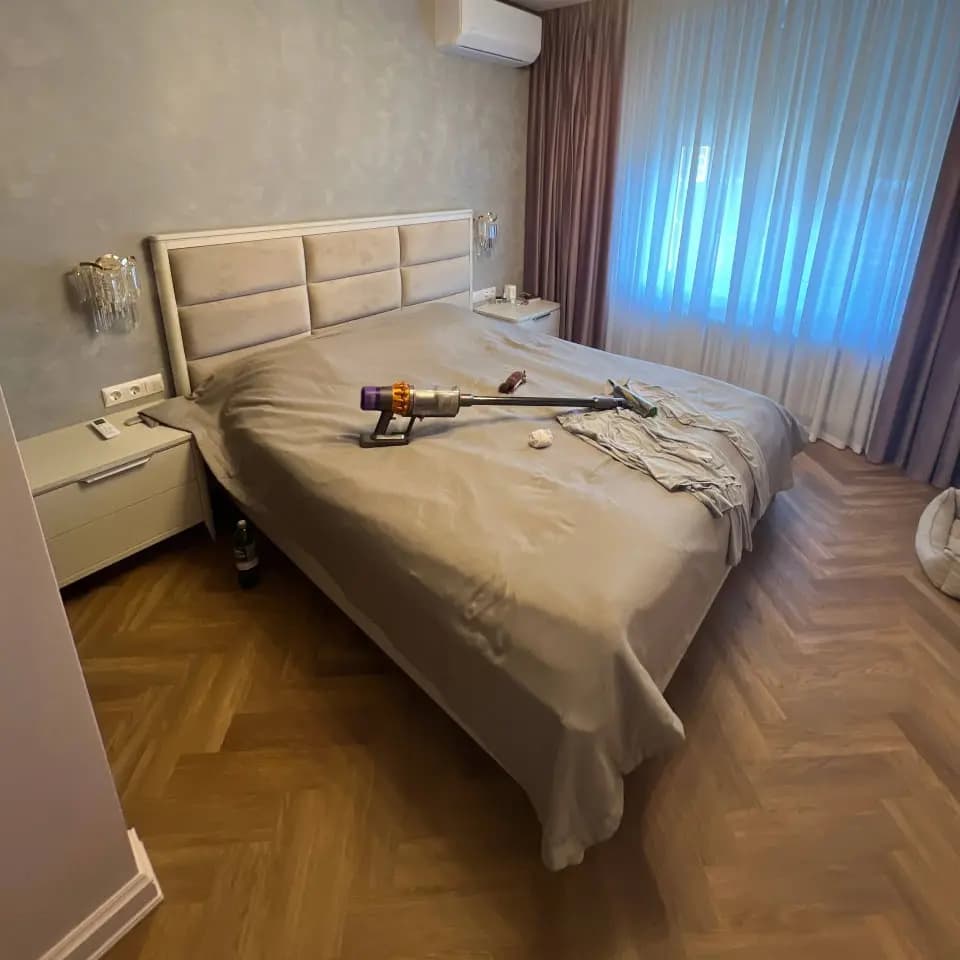
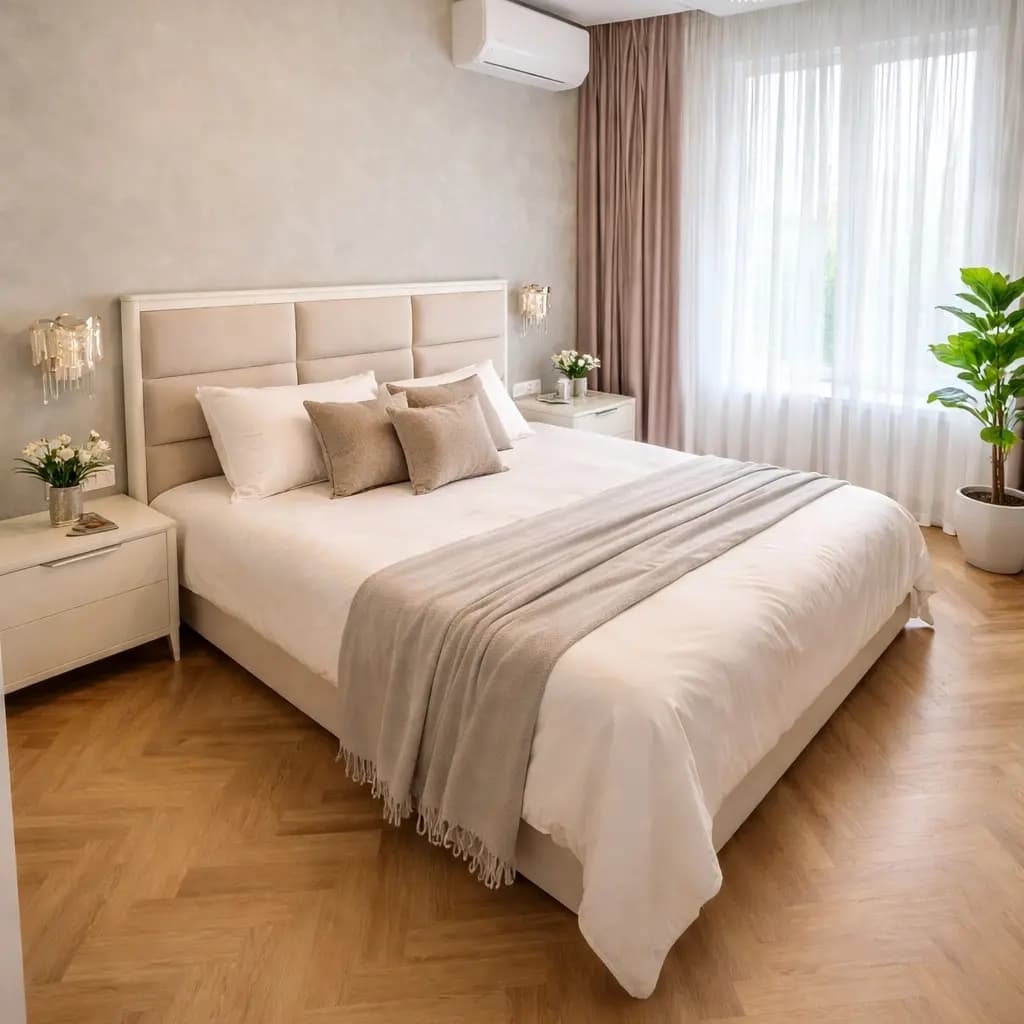
Philadelphia Home Staging FAQ
How much does home staging cost in Philadelphia?
Physical home staging in Philadelphia costs $2,000-$5,000 for a standard home, with luxury properties in areas like Rittenhouse Square or Fishtown costing $5,000-$15,000. Virtual staging with Agent Lens is just $0.10 per image — ideal for Philadelphia's competitive market where professional photos are essential.
Is home staging worth it in Philadelphia's market?
Absolutely. With a median home price of $265,000 and homes spending an average of 50 days on market, staged homes in Philadelphia sell 30-50% faster. At $265,000, even a 1% price increase from staging means thousands more at closing.
How does virtual staging work for Philadelphia listings?
Virtual staging uses AI to add realistic furniture and decor to photos of empty rooms. Upload your Philadelphia listing photos, choose a style (modern, coastal, farmhouse, etc.), and receive professionally staged images in under 60 seconds. Perfect for MLS listings and online marketing.
What staging styles are popular in Philadelphia?
Philadelphia buyers respond well to modern, contemporary, and transitional staging styles. In neighborhoods like Rittenhouse Square and Fishtown, luxury and coastal styles also perform strongly. Virtual staging lets you try multiple styles to see what resonates with Philadelphia buyers.
Should I stage my Philadelphia home before listing?
Yes. In Philadelphia's market (median price $265,000, avg 50 days on market), staged homes consistently outperform non-staged listings. With 97% of buyers starting online, professional listing photos are your first showing. Virtual staging delivers professional results for $0.10/image.