

Quick Answer
Salt Lake City listings work in a market that is unusually buyer-aware about lifestyle and outdoor access. The Wasatch Front sits visible from almost every west-facing window inside the city limits, and properties that fail to capture or stage the mountain view are leaving a primary lifestyle driver underused. Buyers here split into local move-up families staying inside Salt Lake County, California and Pacific Northwest relocators choosing Utah for outdoor access and tax structure, and a steady share of remote workers tied to the tech corridor in the Silicon Slopes south of the city. Each audience reads photos differently. The Sugar House bungalow, the Avenues Victorian, the Liberty Park Craftsman, the Park City mountain home, and the Draper newer construction all need different staging recipes. Vacant rooms cost showings here because the buyer pool is sophisticated about both architecture and outdoor lifestyle, and a generic render fails the narrative the home should be telling. Virtual staging works because it gives the listing agent the ability to render furniture matched to the architectural era and the buyer pool, twilight-render mountain views as a standard photo two or three, and ship the listing live within the brief seller-side timing windows that dominate the local market in spring and early summer.
Key Takeaways
- 1Salt Lake City median home price: $515,000
- 2Average days on market: 37
- 3Virtual staging costs $0.10/photo vs $2,000-$5,000 for physical staging
- 4Staged homes sell 30-50% faster according to NAR
Home Staging in Salt Lake City
Virtual & Physical
Salt Lake City's booming tech scene and outdoor lifestyle attract young professionals and families. Modern and mountain contemporary styles appeal to buyers in this growing market. Virtual staging helps agents present the aspirational Utah lifestyle to relocating buyers.
Salt Lake City Market Snapshot
The Salt Lake City real estate market has a median home price of $515,000 with homes averaging 37 days on market. In this competitive environment, staged homes sell faster and for more money. Virtual staging from $0.10 per image gives Salt Lake City agents the edge.
Salt Lake City Real Estate Market Stats
Why Stage Your Home in Salt Lake City?
With a median home price of $515,000, Salt Lake City homeowners have significant equity at stake. Staging your home can add 1-5% to the sale price — that's potentially thousands of dollars more at closing. In a market averaging 37 days on market, staging helps your listing sell faster and stand out from the competition.
Virtual Staging vs Physical Staging in Salt Lake City
Physical Staging in Salt Lake City
- Cost: $2,000-$5,000+
- Timeline: 1-2 weeks
- Real furniture for showings and open houses
- Monthly rental fees ($500-$1,500/month)
Virtual Staging
Recommended- Cost: $0.10 per image
- Timeline: Under 60 seconds
- Unlimited styles — try modern, coastal, luxury, and more
- No monthly fees — pay per image, cancel anytime
Top Neighborhoods in Salt Lake City
Home staging is especially impactful in Salt Lake City's most competitive neighborhoods.
How Virtual Staging Works
1. Upload Photo
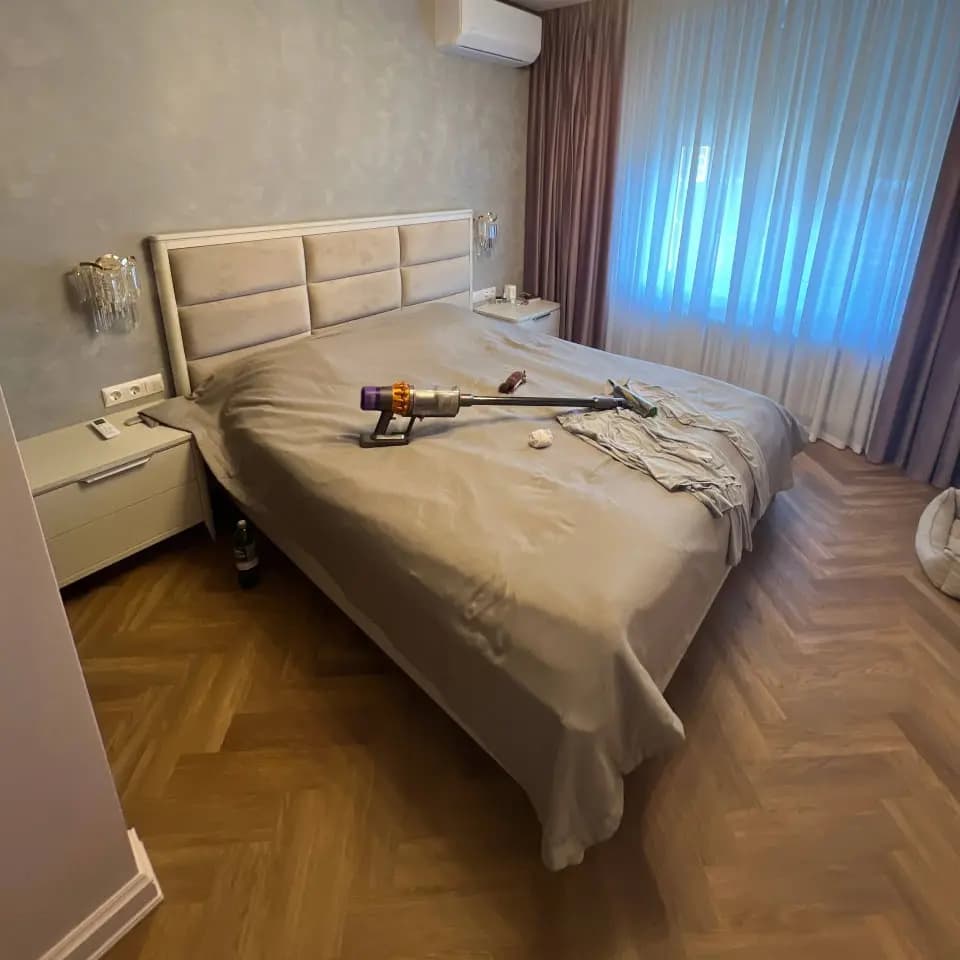
Upload an empty room photo from your Salt Lake City listing directly in your browser.
2. AI Stages It
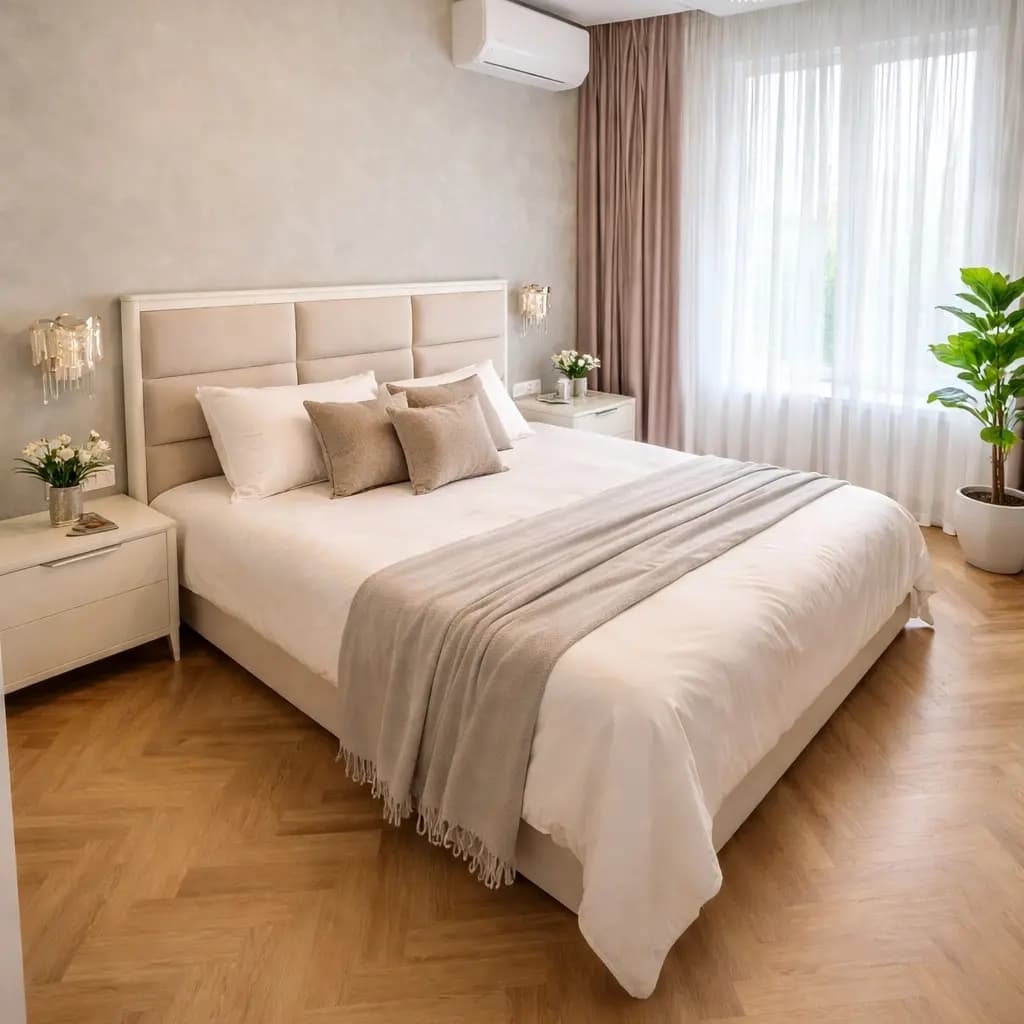
Choose from 11 design styles. Our AI adds realistic furniture and decor in under 60 seconds.
3. Download & List
Download high-resolution staged photos ready for MLS, Zillow, Realtor.com, and social media.
Virtual Staging in Salt Lake City
### Mountain views and outdoor flow as the photo set's spine
More than any other staging decision in Salt Lake City, the choice of how to handle west-facing rooms and outdoor space defines whether the photo set succeeds. A Sugar House bungalow with a west-facing kitchen window over the Wasatch should not have the table pushed against the wall in the render. Float the table closer to the window, choose seating that does not block the sight line, and let the mountain frame the shot. Avenues homes with rooftop decks or upper-floor windows facing the Capitol or the Wasatch benefit from twilight renders showing the city lights below the mountain silhouette. AI virtual staging earns its place because the listing agent can iterate quickly on view-oriented compositions until the framing actually serves the architecture. A vacant photo of the same room loses the view entirely because the buyer cannot read the scale of the room or the relationship between the seating and the windows. Outdoor staging follows the same logic. A back patio with mountain views, a fire pit area, mature trees, and comfortable seating tells the story of a usable four-season space and pulls in the relocator audience that came to Utah specifically for outdoor access.
### Era-appropriate staging by neighborhood
The second discipline is matching furniture to the architectural era and neighborhood. The Avenues carries Victorian and Edwardian inventory with original woodwork, steep narrow staircases, and rooms scaled for furniture from a century ago. A modern sectional in those rooms photographs as a flip the buyer doesn't trust. The render that works uses tailored upholstered seating around eighty inches, leather club chairs, hand-knotted rugs with subdued pattern, and art that lives under the original picture rails when they survive. Sugar House and Liberty Park Craftsman bungalows want similar restraint with quarter-sawn oak references and warmer earth tones. Mid-century homes in Holladay, Millcreek, and parts of Cottonwood Heights reward walnut, teak, and clean-lined seating. Park City mountain homes and condos benefit from staging that signals rustic warmth without crossing into theme decor: heavy wool rugs, leather seating, a stone fireplace anchored with simple accessories, and warm lamp light. Draper, Lehi, and the Silicon Slopes-adjacent suburbs are heavy on newer master-planned construction where staging is differentiating one floor plan from the near-identical neighbor across the street. Render furniture and palette that signal a specific buyer lifestyle rather than generic family-friendly. Working listing agents along the Wasatch Front render two staging options on properties priced above their submarket median and use the early Zillow saved-listing data to inform the final selection that ships into the active set.
Home Staging Tips for Salt Lake City
Orient seating toward the mountain view
Any Salt Lake City property with a west or east-facing window over the Wasatch or Oquirrh ranges should be staged with seating angled toward the view. A vacant photo or a render with the sofa against the wall buries the listing's primary lifestyle asset and reduces saved-listing rate on Zillow.
Twilight-render foothill and view homes
The Avenues, Federal Heights, and the foothill stretches earn measurable saved-listing lift from a dusk render. Interior lamps lit, soft purple-pink sky behind the mountain silhouette. Place that shot in the first three photos rather than burying it later in the set, where most buyers never reach it.
Honor original woodwork in the Avenues and Sugar House
Victorian, Edwardian, and Craftsman homes in these neighborhoods pay for themselves through original built-ins, picture rails, and trim. Virtual staging should never crop those elements out of frame. Lower the bookshelves, tuck the art under the picture rails, and let the architecture stay visible in every interior shot.
Stage the back patio for four-season use
Salt Lake's lifestyle is genuinely year-round. Render a back patio with comfortable seating, a fire pit area, and warm evening lighting. The buyer reads the space as usable across most of the calendar, which is a meaningful driver for the relocator pool that came to Utah specifically for outdoor access.
Match Park City rendering to mountain context
Park City and Deer Valley properties want staging that signals rustic warmth without crossing into theme decor. Heavy wool rugs, leather seating, simple stone-fireplace accessories, and warm lamp light. Avoid coastal or generic suburban packages that make the mountain home look generic and lose the lifestyle premium.
More Salt Lake City Resources
Stage Your Salt Lake City Listing Today
Transform empty rooms into stunning staged photos. Starting from $0.10 per image.
Salt Lake City Home Staging FAQ
How much does home staging cost in Salt Lake City?
Physical home staging in Salt Lake City costs $2,000-$5,000 for a standard home, with luxury properties in areas like Sugar House or The Avenues costing $5,000-$15,000. Virtual staging with Agent Lens is just $0.10 per image — ideal for Salt Lake City's competitive market where professional photos are essential.
Is home staging worth it in Salt Lake City's market?
Absolutely. With a median home price of $515,000 and homes spending an average of 37 days on market, staged homes in Salt Lake City sell 30-50% faster. At $515,000, even a 1% price increase from staging means thousands more at closing.
How does virtual staging work for Salt Lake City listings?
Virtual staging uses AI to add realistic furniture and decor to photos of empty rooms. Upload your Salt Lake City listing photos, choose a style (modern, coastal, farmhouse, etc.), and receive professionally staged images in under 60 seconds. Perfect for MLS listings and online marketing.
What staging styles are popular in Salt Lake City?
Salt Lake City buyers respond well to modern, contemporary, and transitional staging styles. In neighborhoods like Sugar House and The Avenues, luxury and coastal styles also perform strongly. Virtual staging lets you try multiple styles to see what resonates with Salt Lake City buyers.
Should I stage my Salt Lake City home before listing?
Yes. In Salt Lake City's market (median price $515,000, avg 37 days on market), staged homes consistently outperform non-staged listings. With 97% of buyers starting online, professional listing photos are your first showing. Virtual staging delivers professional results for $0.10/image.