

Quick Answer
Selling a home in Salt Lake City requires reading a market shaped by tech relocations to the Silicon Slopes corridor, returning University of Utah graduates, and out-of-state buyers from Colorado and California chasing mountain access. Buyers landing in The Avenues, Sugar House, 9th and 9th, or Federal Heights compare bungalows and Tudors against newer construction in Daybreak and the Granary District, and they make those comparisons primarily through listing photos before any showing. A vacant home in this market signals either a recent flip or an out-of-town owner, both of which invite lower offers if rooms read as undefined boxes. AgentLens virtual staging gives sellers a way to communicate scale, function, and warmth in homes that often have unusual features like coal cellars converted to wine storage, sleeping porches off second-floor bedrooms, or detached carriage houses behind Avenues Victorians. Buyers from outside Utah also need help interpreting century-old layouts where dining rooms remain formal and kitchens stay smaller than what they expect from newer Western markets. Staged photos that translate these spaces into modern function reduce hesitation, especially for relocating buyers making decisions before they ever fly in for a tour. The right renders also extend the listing's reach across cross-state portals where photo quality determines whether the listing earns a save.
Key Takeaways
- 1Median price: $515,000
- 2Days on market: 37
- 3Best time to sell: May-June
- 4Average commission: 5-6%
Local Market Insight
Salt Lake City buyers weigh proximity to canyon access and TRAX light rail almost as heavily as square footage. Listings in The Avenues benefit from staging that respects original woodwork, transom windows, and steep stair runs that defy modern furniture proportions. Sugar House bungalows often have small front rooms with brick fireplaces where overstuffed sectionals dominate the camera frame, so virtual staging should favor settees and a pair of reading chairs to keep sightlines open. Homes in Daybreak and the South Jordan side of the valley follow neotraditional planning with front porches and rear-loaded garages, which means staged porch furniture matters as much as living room layouts. Federal Heights and Harvard-Yale buyers expect formal dining presentations, while 9th and 9th and Liberty Wells buyers prefer casual eat-in kitchens. Properties near Emigration Canyon and Foothill should virtually stage view-facing rooms with low furniture so canyon and city overlook windows remain unobstructed in listing photos.
How to Sell Your Home in Salt Lake City, UT
Your complete 2026 guide to selling a house in Salt Lake City, Utah. From pricing strategy to closing day — everything you need to sell fast and for top dollar.
8 Steps to Sell Your Salt Lake City Home
Step 1: Price It Right
Work with a local agent to run a comparative market analysis (CMA). Overpricing leads to stale listings; underpricing leaves money on the table. The right price attracts multiple offers and creates urgency.
Step 2: Hire a Local Agent
Choose a listing agent with proven sales in your neighborhood. A great agent handles pricing strategy, marketing, negotiations, and paperwork so you can focus on your move.
Step 3: Prepare & Stage Your Home
Declutter every room, deep-clean surfaces, fix minor repairs, and stage key spaces. Staged homes sell 30-50% faster. Virtual staging at $0.10/image is a cost-effective alternative to physical staging.
Step 4: Professional Photography
Invest in professional photos and a 3D virtual tour. Listings with high-quality photography receive 118% more views online. First impressions happen on-screen before any showing.
Step 5: List on MLS & Market
Your agent lists on the MLS which syndicates to Zillow, Realtor.com, and Redfin. Supplement with social media ads, email blasts, and targeted digital marketing for maximum exposure.
Step 6: Host Open Houses
Schedule open houses for the first two weekends after listing. A well-staged home with fresh flowers and good lighting creates an emotional connection that drives offers.
Step 7: Negotiate Offers
Review each offer on price, contingencies, financing type, and closing timeline. Your agent will help you counter-offer strategically. In competitive markets, multiple offers let you choose the strongest buyer.
Step 8: Close the Deal
Accept an offer, navigate the inspection and appraisal, clear any contingencies, and sign closing documents. Your agent and title company coordinate everything through a smooth closing day.
Stage Your Salt Lake City Listing
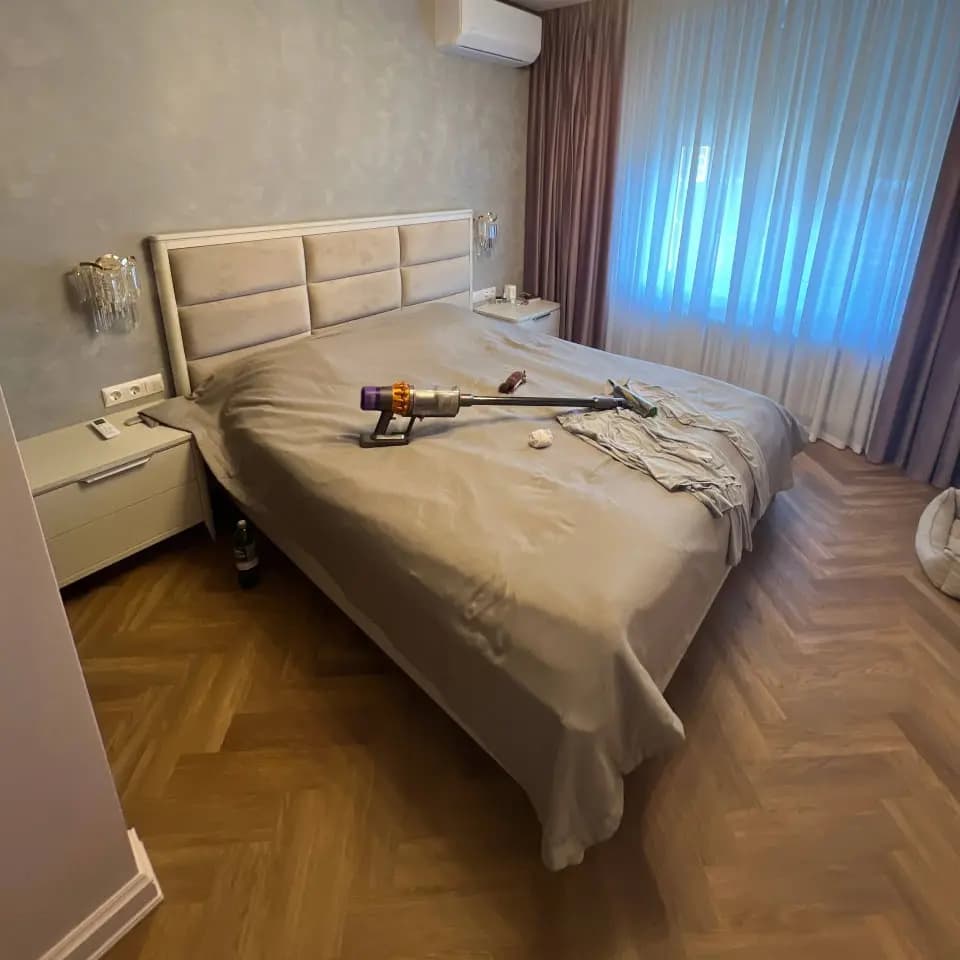
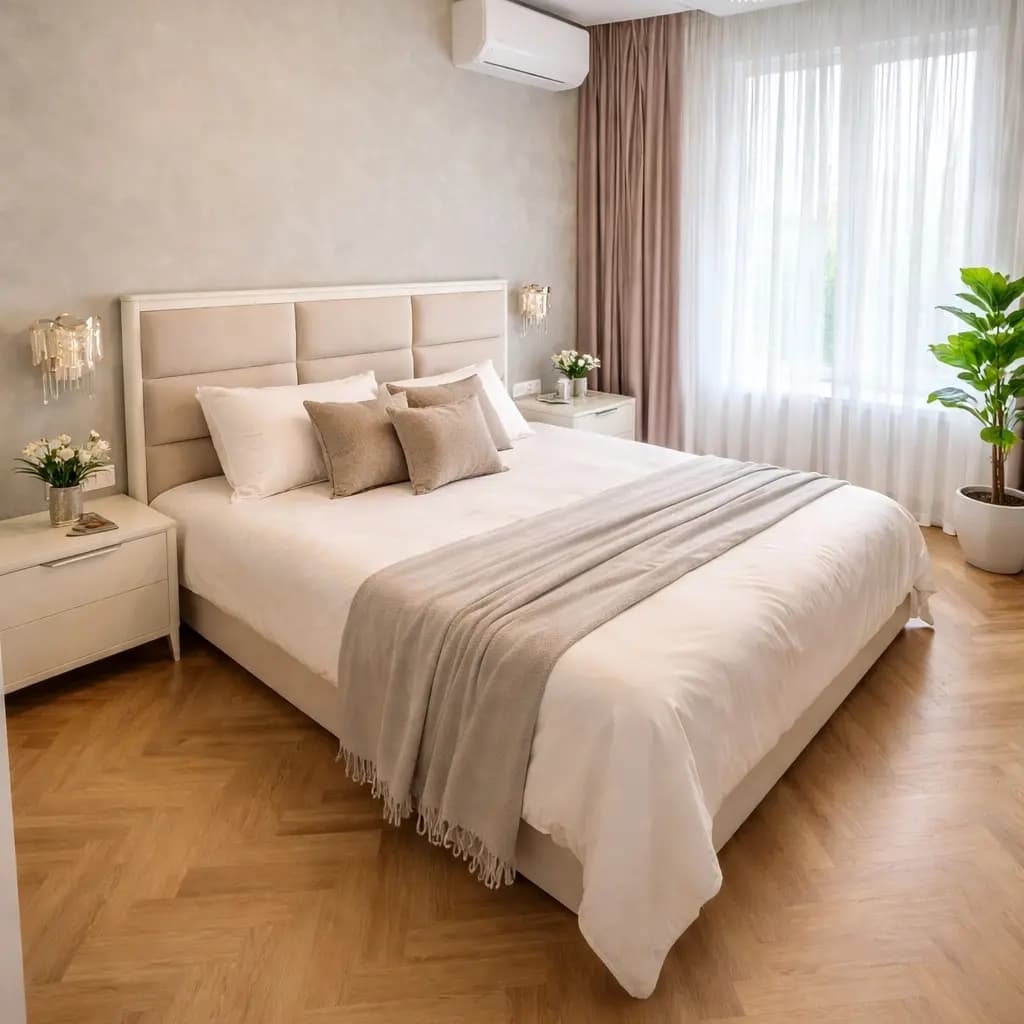
Staged homes in Salt Lake City sell faster and for more money. Virtual staging with Agent Lens costs just $0.10 per image — a fraction of the $2,000-$5,000 physical staging cost. Upload your listing photos and get photo-realistic staged images in under 60 seconds.
Local Tips for Selling in Salt Lake City
Hot Neighborhoods
Buyers are actively searching in these Salt Lake City neighborhoods. If your home is in or near these areas, emphasize location in your listing.
Timing Your Sale
In Salt Lake City, the best months to list are May-June. During this window, buyer activity peaks and homes typically sell closer to or above asking price. Plan your preparation 4-6 weeks before listing.
Salt Lake City Housing Market Overview
### Tailoring Renders to Salt Lake's Housing Eras
Salt Lake's housing inventory clusters into roughly four eras: pre-1930 brick bungalows and Victorians in The Avenues, Capitol Hill, and Marmalade; mid-century ranches in Millcreek, Holladay-adjacent neighborhoods, and parts of East Bench; 1990s and 2000s suburban product in Rose Park infill and Glendale; and post-2010 urban density in the Granary District and 9-Line. Each era responds to different staging logic. AgentLens prompts should reference the home's defining feature, whether that's original Mission woodwork, knotty pine paneling in a basement family room, or polished concrete floors in a Granary loft. Specify oak Stickley-style pieces for Avenues bungalows, walnut credenzas and tweed upholstery for mid-century ranches, and lighter-toned furniture with metal accents for new urban builds. Generic furniture sets dropped into every room undermine the architectural story buyers respond to.
### Photographing Outdoor and Transitional Spaces
Salt Lake homes carry transitional spaces that out-of-state buyers often misread without staging cues. Sleeping porches, mudrooms with bench seating, basement workshops, and small detached structures in Avenues lots all benefit from defined renders. A sleeping porch staged as a reading nook with a daybed and a small side table communicates intent. A mudroom staged with a coat rack, bench, and boot tray reads as functional rather than as wasted square footage. For backyard renders, lean toward fire pits and covered patios, since shoulder-season usability runs from April through October. Capitol Hill and Avenues properties with city or valley views deserve a separate render of the deck or rooftop with seating angled toward the overlook. These supplemental staged shots often outperform interior images on cross-state buyer engagement metrics because they answer a question relocating buyers ask first.
Cost of Selling a Home in Salt Lake City
Top Selling Tips for Salt Lake City
For Avenues Victorians and bungalows, use Mission and
For Avenues Victorians and bungalows, use Mission and Stickley-style furniture in renders to honor original woodwork and built-in cabinetry.
Stage sleeping porches and three-season rooms as defined
Stage sleeping porches and three-season rooms as defined spaces, such as reading nooks or home offices, to avoid buyers reading them as unfinished extras.
On view-facing decks in Capitol Hill, Federal Heights,
On view-facing decks in Capitol Hill, Federal Heights, or Foothill homes, render low-profile seating angled toward the overlook so the camera captures both furniture and view.
For Daybreak and South Jordan neotraditional homes, stage
For Daybreak and South Jordan neotraditional homes, stage the front porch with rocking chairs or a small bistro set since these neighborhoods market porch culture explicitly.
In Sugar House and 9th and 9th bungalows,
In Sugar House and 9th and 9th bungalows, replace oversized sectionals with settees and a pair of reading chairs to preserve sightlines through small front rooms.
Frequently Asked Questions About Selling in Salt Lake City
How much does it cost to sell a house in Salt Lake City?
The total cost of selling a house in Salt Lake City, UT typically ranges from 8-10% of the sale price. This includes agent commissions (5-6%), closing costs, title insurance, and transfer taxes. On a $515,000 home, expect to pay roughly $46,350 in total selling costs.
How long does it take to sell a house in Salt Lake City?
Homes in Salt Lake City currently spend an average of 37 days on market before going under contract. Add another 30-45 days for closing, meaning the entire process takes roughly 67-82 days from listing to keys. Pricing correctly and staging well can significantly reduce time on market.
When is the best time to sell a house in Salt Lake City?
The best months to sell a house in Salt Lake City, UT are May-June. During this window, buyer demand peaks, inventory competition is manageable, and homes tend to sell faster and closer to asking price. However, well-priced and staged homes attract buyers year-round.
Do I need a realtor to sell in Salt Lake City?
While you can sell FSBO (For Sale By Owner) in Salt Lake City, homes sold with an agent typically net 6-10% more after commissions. A local Salt Lake City agent brings MLS access, professional marketing, negotiation expertise, and knowledge of neighborhoods like Sugar House and The Avenues. Most sellers find the higher net proceeds justify the 5-6% commission.
Should I stage my home before selling in Salt Lake City?
Absolutely. Staged homes in Salt Lake City sell 30-50% faster and for 1-5% more than non-staged properties. With a median price of $515,000, even a 1% increase means thousands more at closing. Virtual staging with Agent Lens costs just $0.10/image and delivers photo-realistic results in seconds — a fraction of the $2,000-$5,000 physical staging cost.
More Resources for Salt Lake City
Stage Your Salt Lake City Listing with AI
Sell faster in Salt Lake City's $515,000 market — virtual staging from $0.10/image
Selling Guides for Other Cities
Explore home selling guides for markets across the United States.