

Quick Answer
Tucson photography is harder than it looks. The light is brutal at noon, generous at sunrise and sunset, and unforgiving of any staging choice that ignores the desert palette. Buyers shopping Tucson are not shopping Phoenix — they want something quieter, more Sonoran, more rooted in the specific architectural traditions of the Catalina Foothills and the Sam Hughes bungalow blocks. Virtual staging, done by someone who actually understands this market, can be the difference between a listing that reads as authentic to the region and one that reads as a transplant from a Florida brochure. After fifteen years working from Oro Valley down to Sahuarita, I've seen the same mistake repeated by out-of-market staging vendors: they fill Sonoran-style living rooms with coastal furniture, glass coffee tables, and pastel art that has no relationship to the saguaros visible through the patio doors. Tucson rewards architectural literacy. Saltillo tile, viga ceilings, kiva fireplaces, and rough-sawn beams require staging that respects them — leather, wool, oxidized iron, and warm clay tones rather than brushed nickel and white linen. AI tools handle this when guided well, and the listings that result feel like Tucson rather than a generic Sun Belt suburb.
Key Takeaways
- 1Tucson median home price: $330,000
- 2Average days on market: 42
- 3Virtual staging costs $0.10/photo vs $2,000-$5,000 for physical staging
- 4Staged homes sell 30-50% faster according to NAR
Home Staging in Tucson
Virtual & Physical
Tucson's affordable desert market attracts retirees and remote workers seeking sunshine and value. Desert contemporary and southwestern staging styles match buyer expectations. Virtual staging helps Tucson agents present properties beautifully at budget-friendly costs.
Tucson Market Snapshot
The Tucson real estate market has a median home price of $330,000 with homes averaging 42 days on market. In this competitive environment, staged homes sell faster and for more money. Virtual staging from $0.10 per image gives Tucson agents the edge.
Tucson Real Estate Market Stats
Why Stage Your Home in Tucson?
With a median home price of $330,000, Tucson homeowners have significant equity at stake. Staging your home can add 1-5% to the sale price — that's potentially thousands of dollars more at closing. In a market averaging 42 days on market, staging helps your listing sell faster and stand out from the competition.
Virtual Staging vs Physical Staging in Tucson
Physical Staging in Tucson
- Cost: $2,000-$5,000+
- Timeline: 1-2 weeks
- Real furniture for showings and open houses
- Monthly rental fees ($500-$1,500/month)
Virtual Staging
Recommended- Cost: $0.10 per image
- Timeline: Under 60 seconds
- Unlimited styles — try modern, coastal, luxury, and more
- No monthly fees — pay per image, cancel anytime
Top Neighborhoods in Tucson
Home staging is especially impactful in Tucson's most competitive neighborhoods.
How Virtual Staging Works
1. Upload Photo
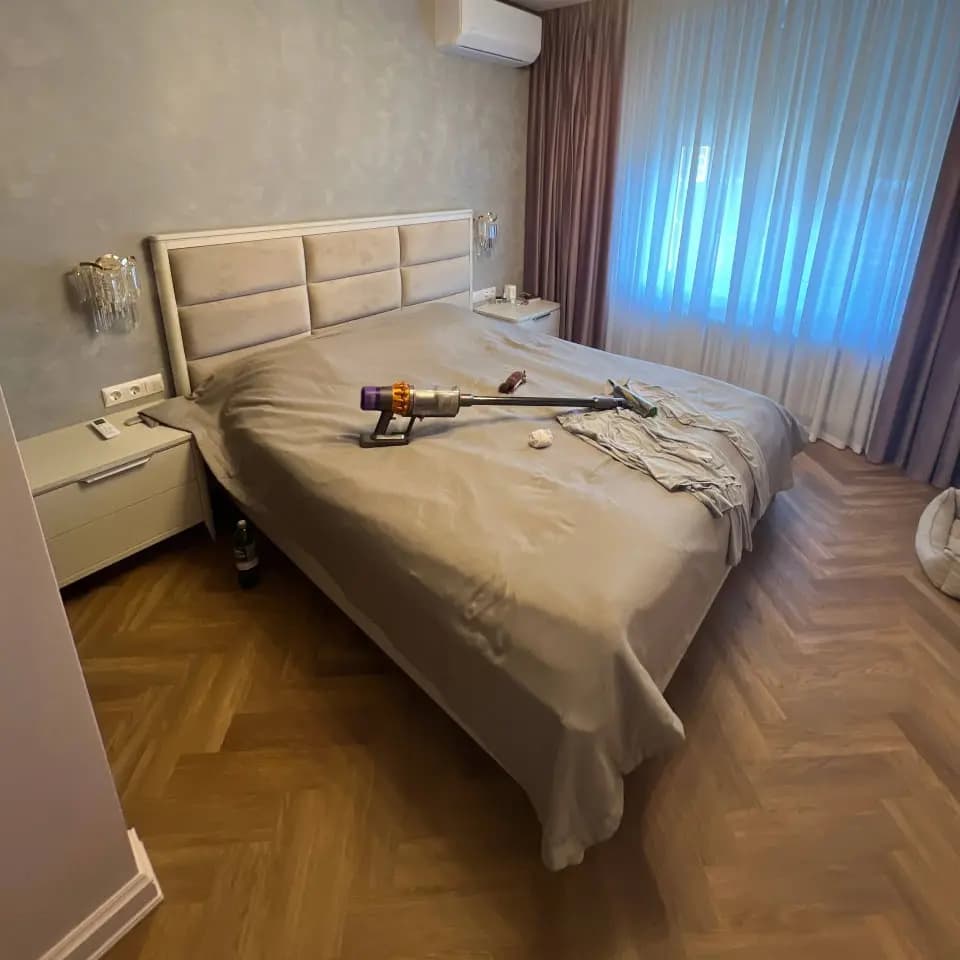
Upload an empty room photo from your Tucson listing directly in your browser.
2. AI Stages It
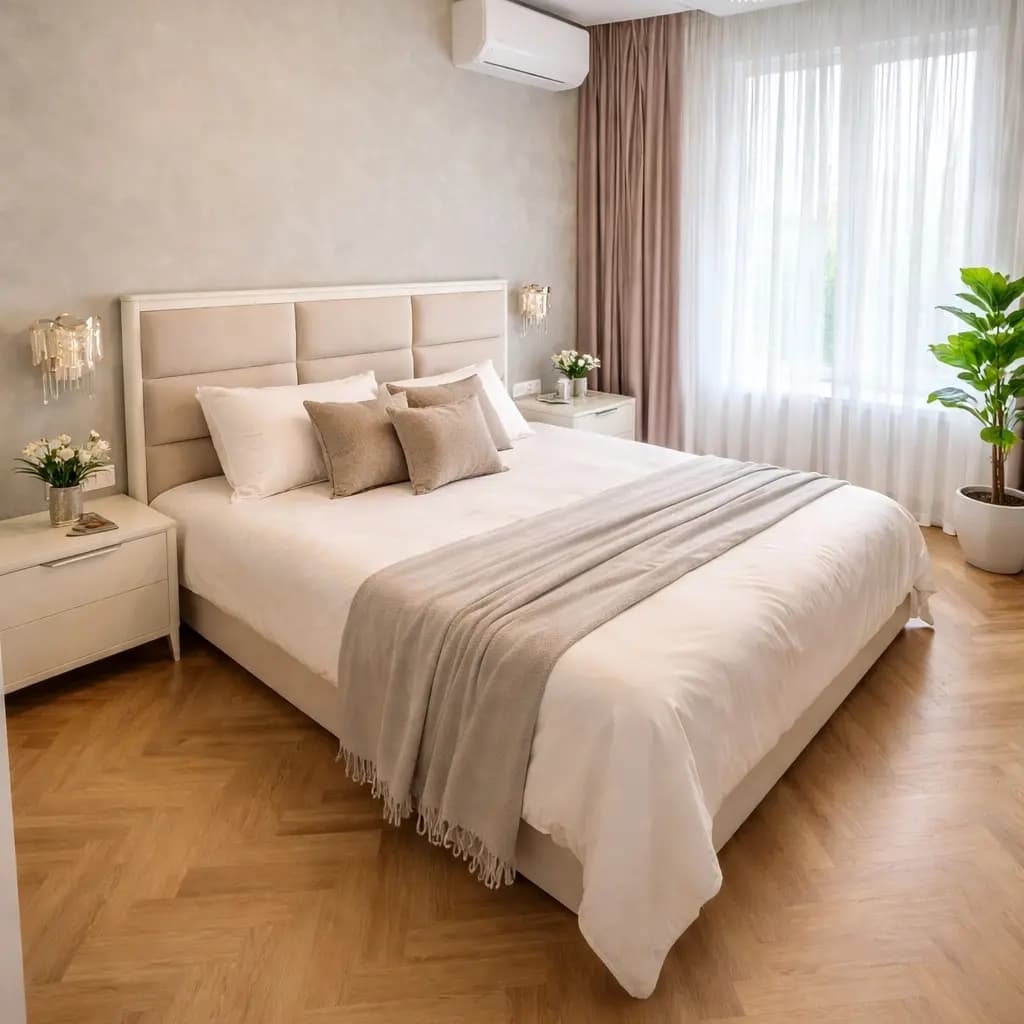
Choose from 11 design styles. Our AI adds realistic furniture and decor in under 60 seconds.
3. Download & List
Download high-resolution staged photos ready for MLS, Zillow, Realtor.com, and social media.
Virtual Staging in Tucson
Sonoran architecture is specific, and Tucson's best listings honor that specificity. The mistake I see most often is staging that treats every desert house as interchangeable with every other desert house. A 1940s Sam Hughes adobe, a 1980s Catalina Foothills hillside contemporary, and a 2010s Marana stucco production home are three different products serving three different buyer pools. Virtual staging that recognizes the difference outperforms staging that doesn't.
### Photographing for the desert
Light is the controlling variable. Schedule photography for the first two hours after sunrise or the last two before sunset, never midday. The shadows in those windows hold detail; midday light flattens textures and washes out the saguaro greens visible through windows. Pull all blinds and shutters open, even when the resulting glare seems strong — the AI model uses that exterior view to calibrate interior color, and clipped windows produce poor results. Turn on every fixture, including kiva fireplace lighting if the home has them. For homes with viga ceilings, shoot lower than you would in a flat-ceiling colonial. The angle should let the beams read as structural rather than decorative.
### Staging by Tucson neighborhood
Catalina Foothills hillside homes need restrained Southwestern-traditional staging: Saltillo-friendly leather sofas in cognac or oxblood, wool rugs with quiet geometric patterns, pottery on simple wood consoles, and oxidized iron sconces. Avoid kitsch — no howling coyotes, no oversized cactus art, no turquoise-painted accent walls. Sam Hughes bungalows and the Sam Hughes-adjacent blocks near campus suit a more eclectic mix: vintage Danish chairs, a wool rug in muted ochre, a low coffee table in walnut or oak, and built-in bookshelves rendered as full libraries. Oro Valley and the newer northern stock handles transitional staging well — a sofa in oat or putty, brass lamps, a clean dining set, and one piece of contemporary art. Marana production homes need staging that softens the standard builder finishes: a rendered runner over the entry tile, warm textiles in the living room, and bedroom staging that doesn't fight the gray-and-white palette most builders default to. Sabino Canyon homes split between the older Spanish revival stock, which prefers traditional Southwestern furniture, and the newer contemporary builds, which can handle a quieter modern approach with leather, oak, and unbleached linen.
Home Staging Tips for Tucson
Photograph at golden hour, not midday
Tucson's overhead light flattens textures and exaggerates contrast in ways no AI model can fully correct. Schedule sessions in the first two hours of the day or the last two before sunset. The resulting images have warmer tones, deeper shadow detail, and a quality that staged furniture can integrate into convincingly.
Honor viga and beam ceilings
When a home has exposed wood beams or viga ceilings, the staging must respect that ceiling treatment. Use furniture in oak, walnut, and leather rather than chrome or glass. The rendered pieces should look like they belong under those beams, which means warm woods, woven textiles, and lower-profile silhouettes that don't compete with the overhead structure.
Stage outdoor spaces as living rooms
Tucson patios, ramadas, and pool decks function as primary living space for much of the year. Stage these areas as fully as the indoor rooms — a low table, a pair of chairs, a hammock, a small outdoor sofa with weather-appropriate textiles. Buyers from cooler climates need to see the outdoor potential rendered, not just described in the listing remarks.
Avoid Phoenix-style staging in the Foothills
The Catalina Foothills market expects a quieter, more Sonoran sensibility than the Scottsdale-influenced contemporary that dominates north Phoenix. Skip the white sectionals, mirrored consoles, and oversized abstract art. Use leather, wool, hand-thrown pottery, and traditional Southwestern textiles rendered with restraint. Foothills buyers actively reject Phoenix-style staging.
Show the kiva fireplace lit
Homes with kiva fireplaces have a feature buyers from cooler climates find emotionally resonant. Render the fireplace with a small, controlled fire visible — not a roaring blaze, but enough warmth to communicate function. Stage the surrounding seating to face the fireplace rather than the television. The arrangement signals a home built around regional traditions rather than screen time.
More Tucson Resources
Stage Your Tucson Listing Today
Transform empty rooms into stunning staged photos. Starting from $0.10 per image.
Tucson Home Staging FAQ
How much does home staging cost in Tucson?
Physical home staging in Tucson costs $2,000-$5,000 for a standard home, with luxury properties in areas like Catalina Foothills or Sam Hughes costing $5,000-$15,000. Virtual staging with Agent Lens is just $0.10 per image — ideal for Tucson's competitive market where professional photos are essential.
Is home staging worth it in Tucson's market?
Absolutely. With a median home price of $330,000 and homes spending an average of 42 days on market, staged homes in Tucson sell 30-50% faster. At $330,000, even a 1% price increase from staging means thousands more at closing.
How does virtual staging work for Tucson listings?
Virtual staging uses AI to add realistic furniture and decor to photos of empty rooms. Upload your Tucson listing photos, choose a style (modern, coastal, farmhouse, etc.), and receive professionally staged images in under 60 seconds. Perfect for MLS listings and online marketing.
What staging styles are popular in Tucson?
Tucson buyers respond well to modern, contemporary, and transitional staging styles. In neighborhoods like Catalina Foothills and Sam Hughes, luxury and coastal styles also perform strongly. Virtual staging lets you try multiple styles to see what resonates with Tucson buyers.
Should I stage my Tucson home before listing?
Yes. In Tucson's market (median price $330,000, avg 42 days on market), staged homes consistently outperform non-staged listings. With 97% of buyers starting online, professional listing photos are your first showing. Virtual staging delivers professional results for $0.10/image.