

Quick Answer
Chicago listings move faster than most agents from coastal markets expect, and they move on a distinct rhythm: a spring burst from March into early June, a summer plateau, and a fall uptick before the holiday slowdown. Staging has to work inside that cycle. A Lincoln Park two-flat that gets a sharp photo set and hits the MLS on a Thursday in April is closing by June. The same unit photographed badly in February drags into July, and the price eventually has to move to compensate. Most of the housing stock agents are staging here is either classic brick two-flats and greystones, Lakeview and Lincoln Park single-family homes with original woodwork, River North and South Loop high-rise condos, or new-construction townhouses in Bucktown, Logan Square, and the West Loop. Each one needs a distinct approach. The original woodwork in a Lakeview greystone is the selling point. Staging that covers or competes with it is working against the house. The high-rise condo in River North is the opposite problem, a blank white box that needs the staging to create warmth and a sense of proportion. AI virtual staging handles the range cheaply, which is why it's become the default for most Chicago listing teams working below the luxury threshold.
Key Takeaways
- 1Chicago median home price: $340,000
- 2Average days on market: 38
- 3Virtual staging costs $0.10/photo vs $2,000-$5,000 for physical staging
- 4Staged homes sell 30-50% faster according to NAR
Home Staging in Chicago
Virtual & Physical
Chicago offers diverse housing from downtown condos to suburban family homes. The city's four-season market means properties sell best in spring and summer — well-staged listing photos maximize the selling window. Virtual staging helps Chicago agents prepare listings quickly during peak season.
Chicago Market Snapshot
The Chicago real estate market has a median home price of $340,000 with homes averaging 38 days on market. In this competitive environment, staged homes sell faster and for more money. Virtual staging from $0.10 per image gives Chicago agents the edge.
Chicago Real Estate Market Stats
Why Stage Your Home in Chicago?
With a median home price of $340,000, Chicago homeowners have significant equity at stake. Staging your home can add 1-5% to the sale price — that's potentially thousands of dollars more at closing. In a market averaging 38 days on market, staging helps your listing sell faster and stand out from the competition.
Virtual Staging vs Physical Staging in Chicago
Physical Staging in Chicago
- Cost: $2,000-$5,000+
- Timeline: 1-2 weeks
- Real furniture for showings and open houses
- Monthly rental fees ($500-$1,500/month)
Virtual Staging
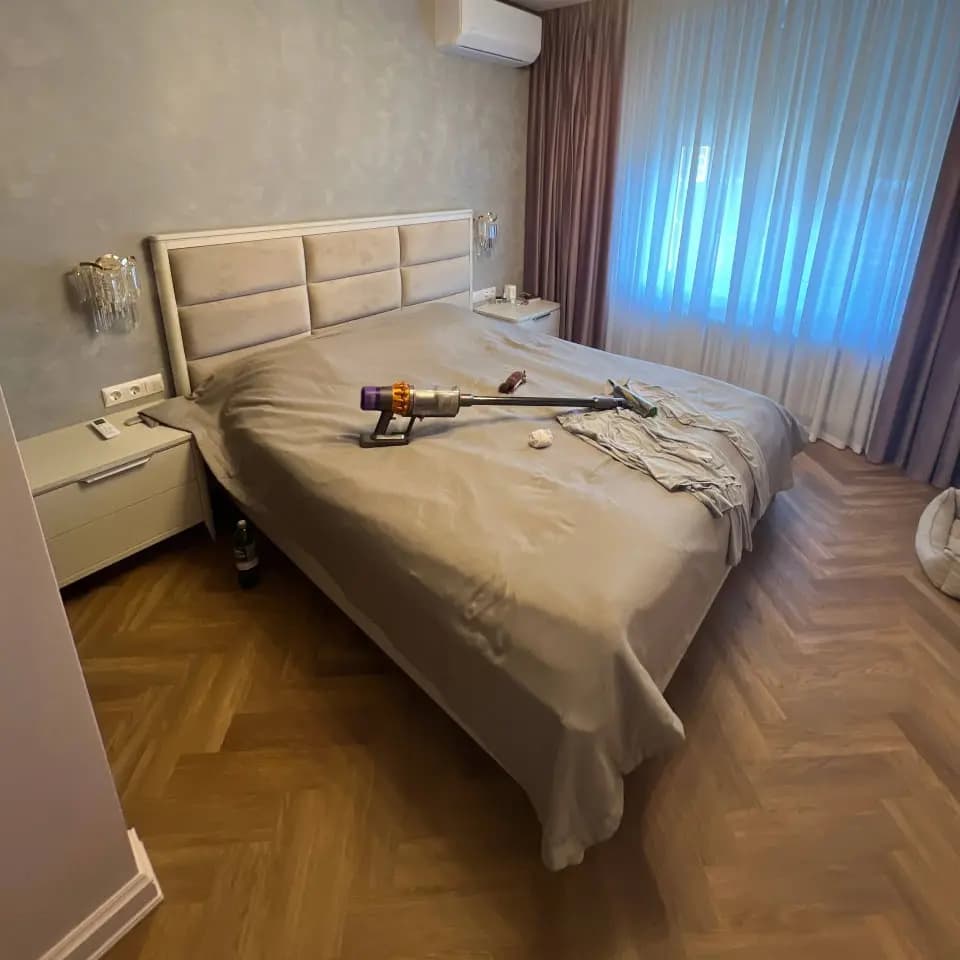
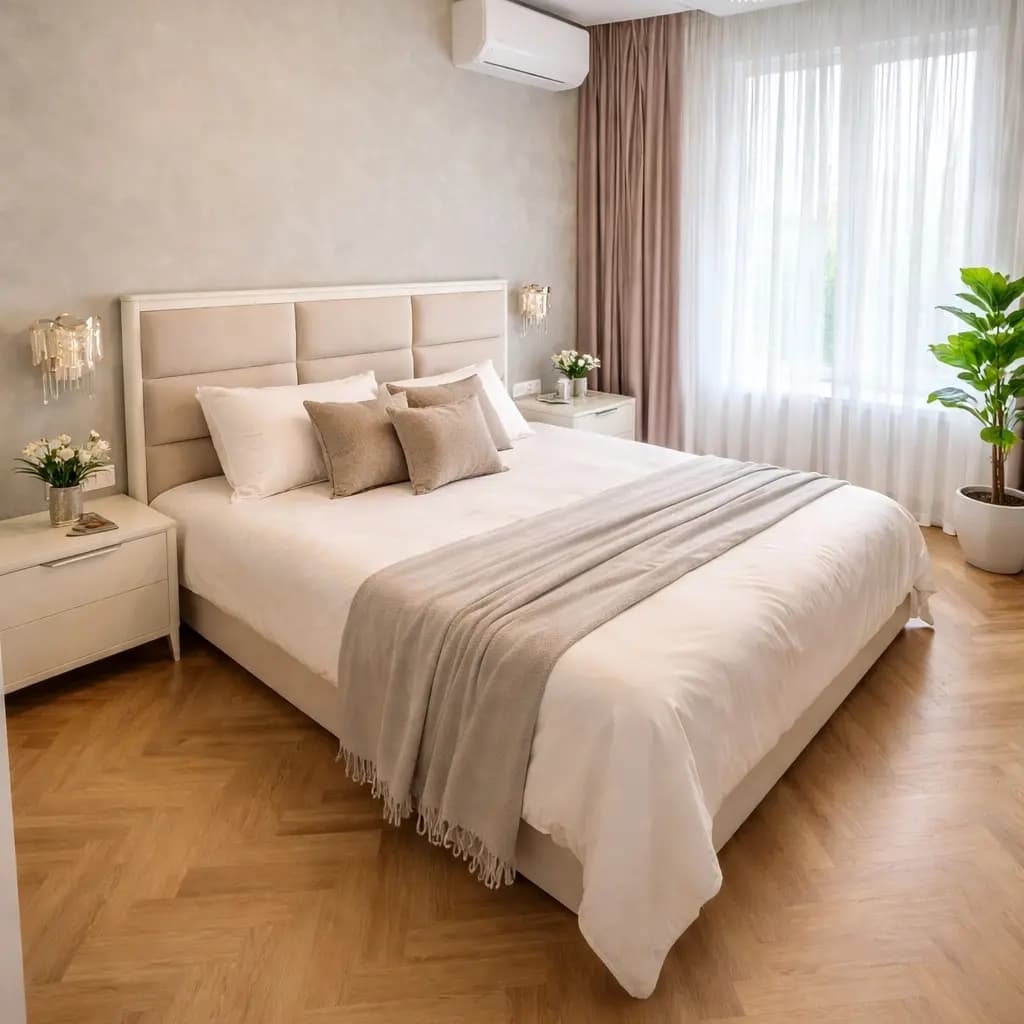
Recommended- Cost: $0.10 per image
- Timeline: Under 60 seconds
- Unlimited styles — try modern, coastal, luxury, and more
- No monthly fees — pay per image, cancel anytime
Top Neighborhoods in Chicago
Home staging is especially impactful in Chicago's most competitive neighborhoods.
How Virtual Staging Works
1. Upload Photo
Upload an empty room photo from your Chicago listing directly in your browser.
2. AI Stages It
Choose from 11 design styles. Our AI adds realistic furniture and decor in under 60 seconds.
3. Download & List
Download high-resolution staged photos ready for MLS, Zillow, Realtor.com, and social media.
Virtual Staging in Chicago
### Classic Chicago architecture has rules
The Lincoln Park brownstone, the Lakeview greystone, and the Bucktown two-flat all share a common architectural vocabulary: hardwood floors, oak or maple trim, original doors, and often some combination of built-in bookshelves, leaded glass, or a working fireplace with a period mantel. Staging these rooms well means keeping the architecture visible and not fighting it with oversized contemporary furniture. A mid-sized sofa in a mid-tone upholstery, a pair of armchairs that don't block the fireplace, a rug that anchors the seating without swallowing the floor, and lamps that warm the room at night. That's the template. The failure mode here is staging that reads like a model unit in a new-construction development. Chicago buyers who want that look are shopping in the South Loop or West Loop. The buyer walking a Lakeview greystone is paying for character, and the staging has to let the character come through.
### New-construction condos need warmth, not another white rug
River North, South Loop, and West Loop high-rise and mid-rise condos have a different staging problem. The units are usually well-lit but visually cold, with white walls, engineered oak floors, and a kitchen island in the sight line. Generic staging with a white sofa, a white rug, and a glass coffee table makes the photos indistinguishable from every other listing in the building. The ones that stand out in the thumbnail scroll introduce controlled warmth: a terracotta or rust accent chair, a darker wood dining table instead of another white one, art with some saturation. The rule of thumb is that the render should have exactly one warm anchor element per room and the rest kept restrained. That single anchor is what makes a buyer stop scrolling. The rest is what keeps them looking once they've stopped. Agents working the South Loop and West Loop have largely converged on this approach because the competing new-construction inventory in those submarkets is otherwise near-identical from the photo set alone, and the buyer comparing four units on the same floor of the same building is making a decision on the smallest possible visual differences. A considered anchor piece and coherent art program is usually that difference.
Home Staging Tips for Chicago
Shoot winter listings on the brightest day you can get
Chicago interiors in January need every lumen available. Schedule the photo shoot on the clearest forecast day and plan the virtual staging around a midday golden light reference so the delivered photos don't read gray.
Respect original millwork in greystones and brownstones
Oak and maple trim in Lakeview, Lincoln Park, and Logan Square classics is the architectural selling point. Render furniture in mid-tone wood or upholstery that contrasts gently with the trim, not bright white pieces that wash it out in photos.
Stage the second living area as a real use
Many Chicago two-flats and single-families have a front parlor and a rear family room. Stage them as two distinct uses, not two identical living rooms. A reading library at the front and a TV lounge at the back tells the buyer the floor plan is usable as a family home.
Render in-unit laundry as a selling point
In-unit washer and dryer is a real driver in Chicago condos. If the listing has a laundry closet, clean up the staging around it and include the shot in the photo set. Vacant laundry closets photograph as wasted space.
Skip the fake lake view
Don't add or enhance a Lake Michigan view that doesn't exist. Chicago buyers know which buildings and which floor ranges actually have a water view, and a retouched view in a photo loses trust in every other part of the staging immediately.
More Chicago Resources
Stage Your Chicago Listing Today
Transform empty rooms into stunning staged photos. Starting from $0.10 per image.
Chicago Home Staging FAQ
How much does home staging cost in Chicago?
Physical home staging in Chicago costs $2,000-$5,000 for a standard home, with luxury properties in areas like Lincoln Park or Lakeview costing $5,000-$15,000. Virtual staging with Agent Lens is just $0.10 per image — ideal for Chicago's competitive market where professional photos are essential.
Is home staging worth it in Chicago's market?
Absolutely. With a median home price of $340,000 and homes spending an average of 38 days on market, staged homes in Chicago sell 30-50% faster. At $340,000, even a 1% price increase from staging means thousands more at closing.
How does virtual staging work for Chicago listings?
Virtual staging uses AI to add realistic furniture and decor to photos of empty rooms. Upload your Chicago listing photos, choose a style (modern, coastal, farmhouse, etc.), and receive professionally staged images in under 60 seconds. Perfect for MLS listings and online marketing.
What staging styles are popular in Chicago?
Chicago buyers respond well to modern, contemporary, and transitional staging styles. In neighborhoods like Lincoln Park and Lakeview, luxury and coastal styles also perform strongly. Virtual staging lets you try multiple styles to see what resonates with Chicago buyers.
Should I stage my Chicago home before listing?
Yes. In Chicago's market (median price $340,000, avg 38 days on market), staged homes consistently outperform non-staged listings. With 97% of buyers starting online, professional listing photos are your first showing. Virtual staging delivers professional results for $0.10/image.