

Quick Answer
Charleston is a market where architecture-literate buyers walk through showings with informed eyes, and virtual staging that fights the building loses deals fast. The Lowcountry housing stock here is among the most distinctive in the South: single houses with their side piazzas, antebellum mansions, freedman's cottages in Cannonborough, marsh-front homes on James Island and Sullivan's Island, and new-build coastal homes in Mount Pleasant subdivisions. After fifteen years selling between the Battery and Mount Pleasant, I have learned that the staging vocabulary needs to shift dramatically across these property types. A South of Broad single house wants antique restraint and respect for the piazza orientation; a Mount Pleasant new-build wants softer transitional staging that reads as approachable; a West Ashley ranch wants practical livability for a family buyer. AgentLens lets me iterate three or four directions inside a single prep afternoon, which matters because Charleston listings often field offers from local family buyers, second-home Northeast buyers, and relocating professionals from Atlanta or Charlotte simultaneously. Honoring the architecture is not optional. Buyers here notice when staging signals respect for the building, and they trust agents who get it right.
Key Takeaways
- 1Charleston median home price: $440,000
- 2Average days on market: 44
- 3Virtual staging costs $0.10/photo vs $2,000-$5,000 for physical staging
- 4Staged homes sell 30-50% faster according to NAR
Home Staging in Charleston
Virtual & Physical
Charleston's historic charm, beaches, and food scene attract affluent buyers from across the country. Traditional and coastal staging styles complement the city's architectural heritage. Virtual staging helps agents present Charleston's beautiful properties to relocating buyers searching online.
Charleston Market Snapshot
The Charleston real estate market has a median home price of $440,000 with homes averaging 44 days on market. In this competitive environment, staged homes sell faster and for more money. Virtual staging from $0.10 per image gives Charleston agents the edge.
Charleston Real Estate Market Stats
Why Stage Your Home in Charleston?
With a median home price of $440,000, Charleston homeowners have significant equity at stake. Staging your home can add 1-5% to the sale price — that's potentially thousands of dollars more at closing. In a market averaging 44 days on market, staging helps your listing sell faster and stand out from the competition.
Virtual Staging vs Physical Staging in Charleston
Physical Staging in Charleston
- Cost: $2,000-$5,000+
- Timeline: 1-2 weeks
- Real furniture for showings and open houses
- Monthly rental fees ($500-$1,500/month)
Virtual Staging
Recommended- Cost: $0.10 per image
- Timeline: Under 60 seconds
- Unlimited styles — try modern, coastal, luxury, and more
- No monthly fees — pay per image, cancel anytime
Top Neighborhoods in Charleston
Home staging is especially impactful in Charleston's most competitive neighborhoods.
How Virtual Staging Works
1. Upload Photo
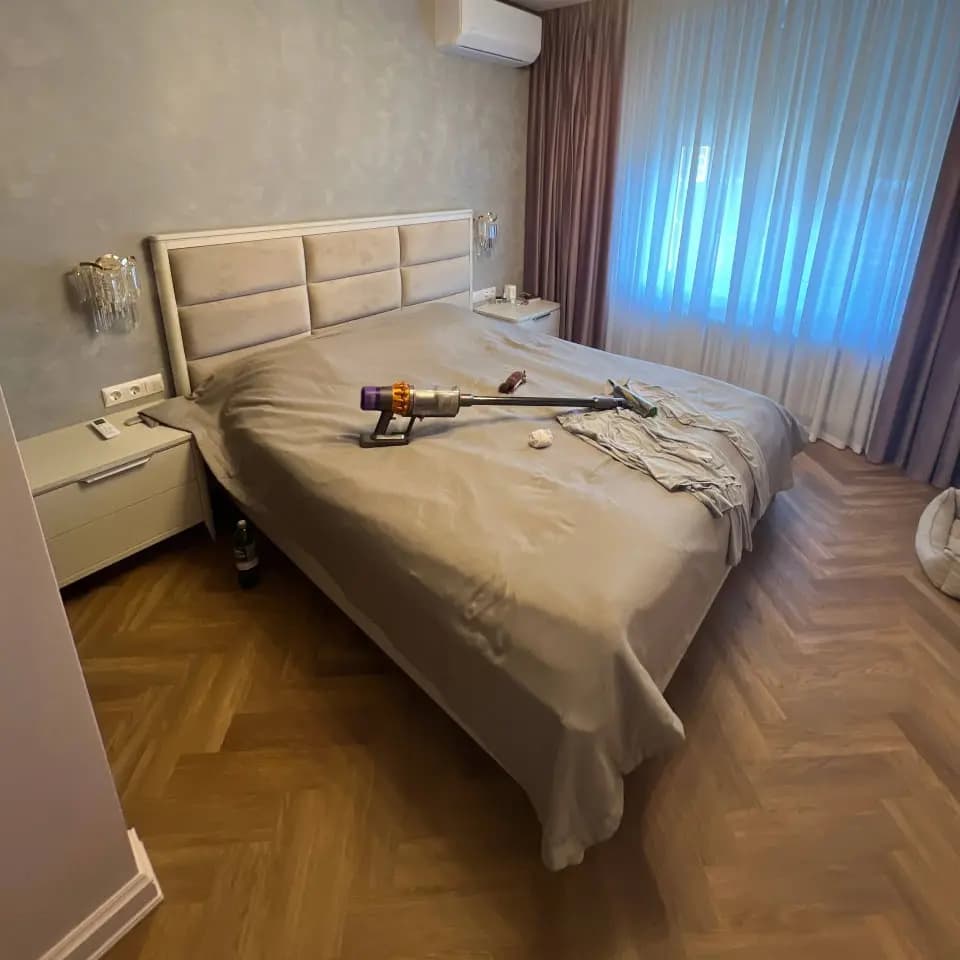
Upload an empty room photo from your Charleston listing directly in your browser.
2. AI Stages It
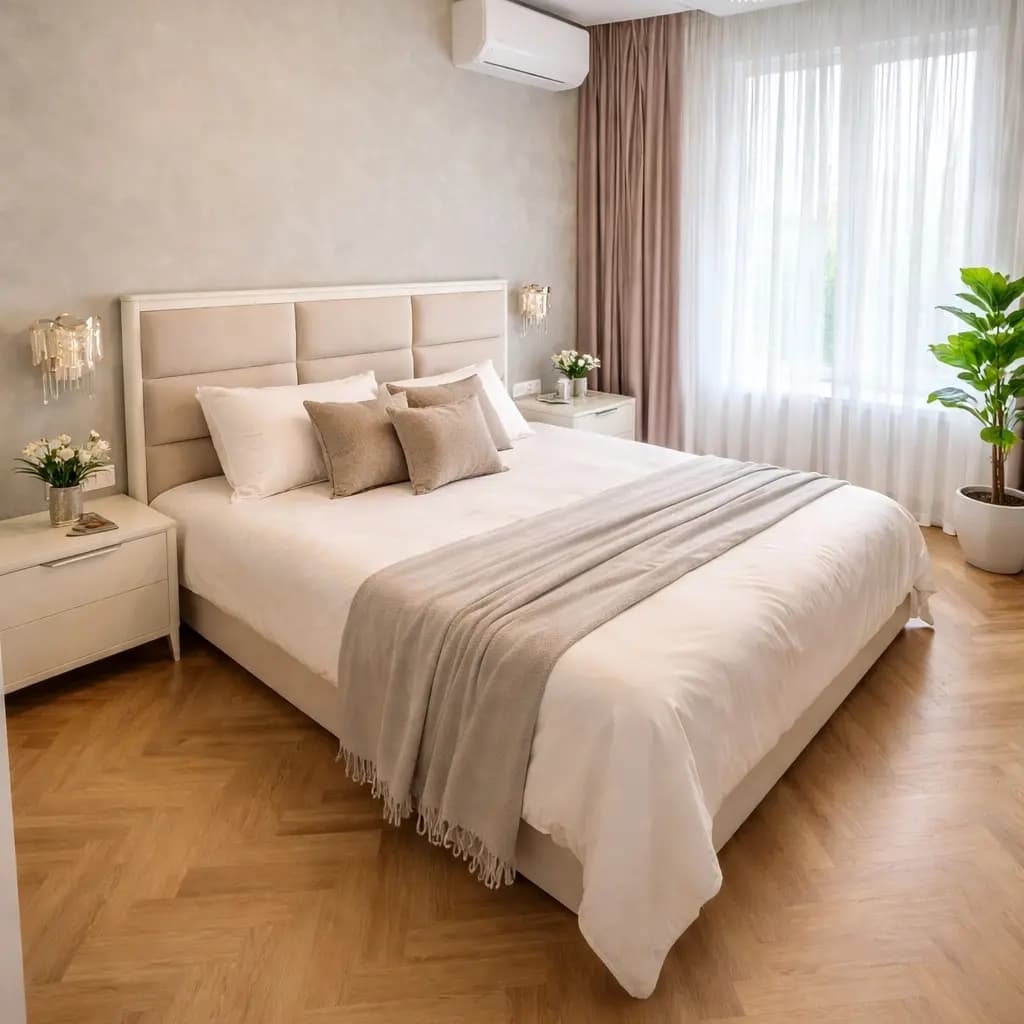
Choose from 11 design styles. Our AI adds realistic furniture and decor in under 60 seconds.
3. Download & List
Download high-resolution staged photos ready for MLS, Zillow, Realtor.com, and social media.
Virtual Staging in Charleston
### Honor the single house and the piazza
The defining architectural form in historic Charleston is the single house, oriented perpendicular to the street with its side piazza catching the prevailing southwest breeze. Virtual staging that ignores this orientation underperforms badly with sophisticated buyers. Always render the piazza as a real living space with two rocking chairs, a small side table, ceiling fans visible, and one hanging fern or potted plant. Inside, scale matters: ceilings often run high in pre-war single houses but rooms can run narrow, so use a tight two-cushion sofa, a marble-topped center table, brass sconces, and a Persian-style rug pulled in to expose the original heart-pine floors. Avoid aggressive coastal palettes and bleached woods, which fight the building's antebellum character. Buyers shopping South of Broad or Harleston Village are paying a premium for period authenticity, and staging that pretends the home is a Florida flip signals to them that the agent did not understand what they were selling. Antique-leaning vocabulary, deep velvets, oil paintings in gilt frames, and one library lamp per room photograph far better in these specific homes.
### Match Mount Pleasant and West Ashley to family practicality
Mount Pleasant and West Ashley operate on completely different staging logic than the historic peninsula. The buyer here is usually a family, often relocating from Atlanta, Charlotte, or the Northeast, and they evaluate listings through a livability lens rather than a heritage one. Mount Pleasant new-builds with open floor plans and large kitchens benefit from softer transitional staging: a wide linen sectional, a real coffee table, a kitchen-eat-in nook with four chairs, and a primary bedroom that fits a king with nightstands. Render the covered patio with a simple outdoor sectional and a coffee table to communicate Lowcountry outdoor living. West Ashley pulls a more price-sensitive family buyer; staging there should prioritize practical performance fabrics, durable rugs, and a clear family-room setup over magazine aesthetics. James Island and the marsh-front properties want a coastal-but-restrained palette: light teak, oat or sand-toned linen upholstery, one piece of marsh photography rather than aggressive nautical themes, and a screened porch render that signals real evening use. Across all of these submarkets, ceiling fans should remain visible and outdoor space should be staged as essential rather than decorative.
Home Staging Tips for Charleston
Always render the piazza or porch
Charleston outdoor living defines daily life from March through November. Stage every piazza or porch with two rocking chairs, a small table, a hanging fern, and ceiling fans visible. The render should signal real evening use rather than a magazine display. Empty piazzas waste the strongest local lifestyle signal a Charleston listing has, regardless of price tier or neighborhood.
Lean antique for South of Broad and Harleston Village
Single houses with antebellum character call for leather, mahogany, oil paintings in gilt frames, and brass sconces. Avoid coastal palettes and bleached woods, which fight the building. One library lamp per room and a Persian-style rug pulled in to expose original heart-pine floors photograph far better than any contemporary preset for these specific neighborhoods.
Use softer transitional staging for Mount Pleasant new-builds
Mount Pleasant family buyers expect approachable practicality rather than antique restraint. Use linen sectionals, warm wood furniture, a real kitchen-eat-in nook with four chairs, and a covered patio render. Avoid both heavy formal staging and aggressive coastal cliches. Buyers here read transitional palettes as livable, which converts tours to offers more efficiently than aspirational magazine setups.
Render marsh-front homes with restraint
James Island and Sullivan's Island marsh-front properties want light teak, oat-toned linen, and one piece of regional marsh photography rather than nautical themes with anchors and ropes. Sophisticated coastal buyers reject literal beach-house staging as dated. Use a screened porch render to communicate real evening use, since marsh views and breeze define the lifestyle that buyers are paying for.
Keep ceiling fans visible in every render
Charleston humidity is a defining seasonal reality that buyers respect. Never edit ceiling fans out of renders. Their presence signals that the home has a serious answer to summer heat and that the seller respects the climate. Removing fans for a cleaner image undermines local credibility immediately, especially for buyers who have lived in the Lowcountry through August.
More Charleston Resources
Stage Your Charleston Listing Today
Transform empty rooms into stunning staged photos. Starting from $0.10 per image.
Charleston Home Staging FAQ
How much does home staging cost in Charleston?
Physical home staging in Charleston costs $2,000-$5,000 for a standard home, with luxury properties in areas like Downtown or Mount Pleasant costing $5,000-$15,000. Virtual staging with Agent Lens is just $0.10 per image — ideal for Charleston's competitive market where professional photos are essential.
Is home staging worth it in Charleston's market?
Absolutely. With a median home price of $440,000 and homes spending an average of 44 days on market, staged homes in Charleston sell 30-50% faster. At $440,000, even a 1% price increase from staging means thousands more at closing.
How does virtual staging work for Charleston listings?
Virtual staging uses AI to add realistic furniture and decor to photos of empty rooms. Upload your Charleston listing photos, choose a style (modern, coastal, farmhouse, etc.), and receive professionally staged images in under 60 seconds. Perfect for MLS listings and online marketing.
What staging styles are popular in Charleston?
Charleston buyers respond well to modern, contemporary, and transitional staging styles. In neighborhoods like Downtown and Mount Pleasant, luxury and coastal styles also perform strongly. Virtual staging lets you try multiple styles to see what resonates with Charleston buyers.
Should I stage my Charleston home before listing?
Yes. In Charleston's market (median price $440,000, avg 44 days on market), staged homes consistently outperform non-staged listings. With 97% of buyers starting online, professional listing photos are your first showing. Virtual staging delivers professional results for $0.10/image.