

Quick Answer
Seattle listings move on a rhythm most other Pacific coast markets don't share. The spring window from late March through early June drives the highest activity, the summer holds steady, and a surprising second burst comes in September as buyers who held off during summer vacations return. Staging has to follow that calendar, not fight it. Staging has to respect both the seasonal light and the neighborhood-specific architecture. Capitol Hill carries early-twentieth-century craftsman and classic apartment stock with original millwork. Ballard has Craftsman single-family homes, 1950s ranches, and newer townhouse infills on a single block. Queen Anne has grand early-century homes with views toward the water and downtown. Fremont and Wallingford have character-rich bungalows and Dutch Colonials. West Seattle spans Craftsman single-family, mid-century view homes, and newer construction. Each submarket has its own buyer pool and its own staging vocabulary. The listings that convert fastest here tend to be the ones where the staging acknowledges the real Pacific Northwest light and the regional architectural character without turning into a lumberjack parody. AI virtual staging has become standard across the metro because the neighborhood variety and the tight listing cycle would otherwise demand more physical stagers working in parallel than most teams can coordinate.
Key Takeaways
- 1Seattle median home price: $830,000
- 2Average days on market: 28
- 3Virtual staging costs $0.10/photo vs $2,000-$5,000 for physical staging
- 4Staged homes sell 30-50% faster according to NAR
Home Staging in Seattle
Virtual & Physical
Seattle's tech-fueled market features design-conscious buyers and fast-moving inventory. Homes sell in under a month, so agents need staging that's ready on day one. Virtual staging delivers in 60 seconds — perfect for Seattle's rapid-fire market pace.
Seattle Market Snapshot
The Seattle real estate market has a median home price of $830,000 with homes averaging 28 days on market. In this competitive environment, staged homes sell faster and for more money. Virtual staging from $0.10 per image gives Seattle agents the edge.
Seattle Real Estate Market Stats
Why Stage Your Home in Seattle?
With a median home price of $830,000, Seattle homeowners have significant equity at stake. Staging your home can add 1-5% to the sale price — that's potentially thousands of dollars more at closing. In a market averaging 28 days on market, staging helps your listing sell faster and stand out from the competition.
Virtual Staging vs Physical Staging in Seattle
Physical Staging in Seattle
- Cost: $2,000-$5,000+
- Timeline: 1-2 weeks
- Real furniture for showings and open houses
- Monthly rental fees ($500-$1,500/month)
Virtual Staging
Recommended- Cost: $0.10 per image
- Timeline: Under 60 seconds
- Unlimited styles — try modern, coastal, luxury, and more
- No monthly fees — pay per image, cancel anytime
Top Neighborhoods in Seattle
Home staging is especially impactful in Seattle's most competitive neighborhoods.
How Virtual Staging Works
1. Upload Photo
Upload an empty room photo from your Seattle listing directly in your browser.
2. AI Stages It
Choose from 11 design styles. Our AI adds realistic furniture and decor in under 60 seconds.
3. Download & List
Download high-resolution staged photos ready for MLS, Zillow, Realtor.com, and social media.
Virtual Staging in Seattle
### Craftsman and classic Seattle want period respect
The Capitol Hill, Queen Anne, Wallingford, and Fremont housing stock is dominated by early-twentieth-century homes with original Douglas fir floors, built-in buffets, window seats, picture rails, and brick fireplaces. Staging these interiors well means keeping the architectural features visible. A medium-scale sofa in muted upholstery, accent chairs in a warmer wood, and rugs that expose the original floors rather than covering them wall to wall. Art should be period-appropriate without being literal. The most common failure mode here is imported farmhouse staging that covers the original trim with oversized contemporary art and overscales the seating. A second common failure is staging that tries to modernize the house by removing its character in the render. Seattle buyers paying for a Craftsman in Fremont or a classic in Queen Anne are specifically paying for the character, and staging that erases it is undervaluing the listing.
### Newer construction and the view properties
Ballard townhouse infills, West Seattle mid-century view homes, and the newer condos in South Lake Union and Belltown have different staging problems. Townhouse infills often have narrow footprints and three stories, and the staging has to make each floor feel purposeful rather than transitional. A real living area on the main floor, a real primary bedroom on the upper floor, and a staged home office or flex space on whichever level it fits. View homes in West Seattle, Magnolia, and parts of Queen Anne should stage living rooms and primary bedrooms with seating oriented toward the view. Renders should include a late-afternoon or early evening version that shows the skyline or the water in warmer light. New-construction condos in South Lake Union, Belltown, and Capitol Hill respond to warmer staging that counteracts the cold concrete-and-white-wall aesthetic of most of the newer buildings. The rule across all these submarkets is that the staging should respect the specific building type and the specific buyer pool, rather than applying a single Seattle template to every listing. Most Seattle listing teams working the March-through-June spring window now keep at least two render recipes on file, one for period architecture and one for new construction, and assign them by property rather than by personal preference.
Home Staging Tips for Seattle
Render with lamp light in at least one photo per room
Seattle interiors under cloud cover read cool. A warm lamp-lit render on the living room or primary bedroom produces a photo that feels like a livable evening scene and counteracts the flat, slightly blue cast that afternoon cloud cover creates.
Preserve original Douglas fir floors
Capitol Hill, Queen Anne, and Wallingford homes often have original fir or oak floors that are a selling feature. Rugs in the render should be scaled to expose meaningful floor area rather than covering the room wall to wall.
Stage view properties with a twilight option
West Seattle, Queen Anne, and Magnolia view homes benefit from a late-afternoon or early-evening render of the main living area. Skyline and water views read warmer at that hour, and the twilight photo lifts saved-listing rates on the major portals.
Make townhouse floors read purposefully
Ballard and Fremont townhouse infills often span three stories with similar square footage on each. Stage each floor with a distinct use so the photo set reads as a functional home, not a series of mirrored layouts. Main-floor living, upper-floor bedrooms, flex-floor home office or family room.
Warm up new-construction condos
South Lake Union, Belltown, and newer Capitol Hill condos photograph cold without intervention. One warm anchor piece per room, a defining rug, and considered lamp lighting makes the unit read as livable rather than as a rendered brochure image.
More Seattle Resources
Stage Your Seattle Listing Today
Transform empty rooms into stunning staged photos. Starting from $0.10 per image.
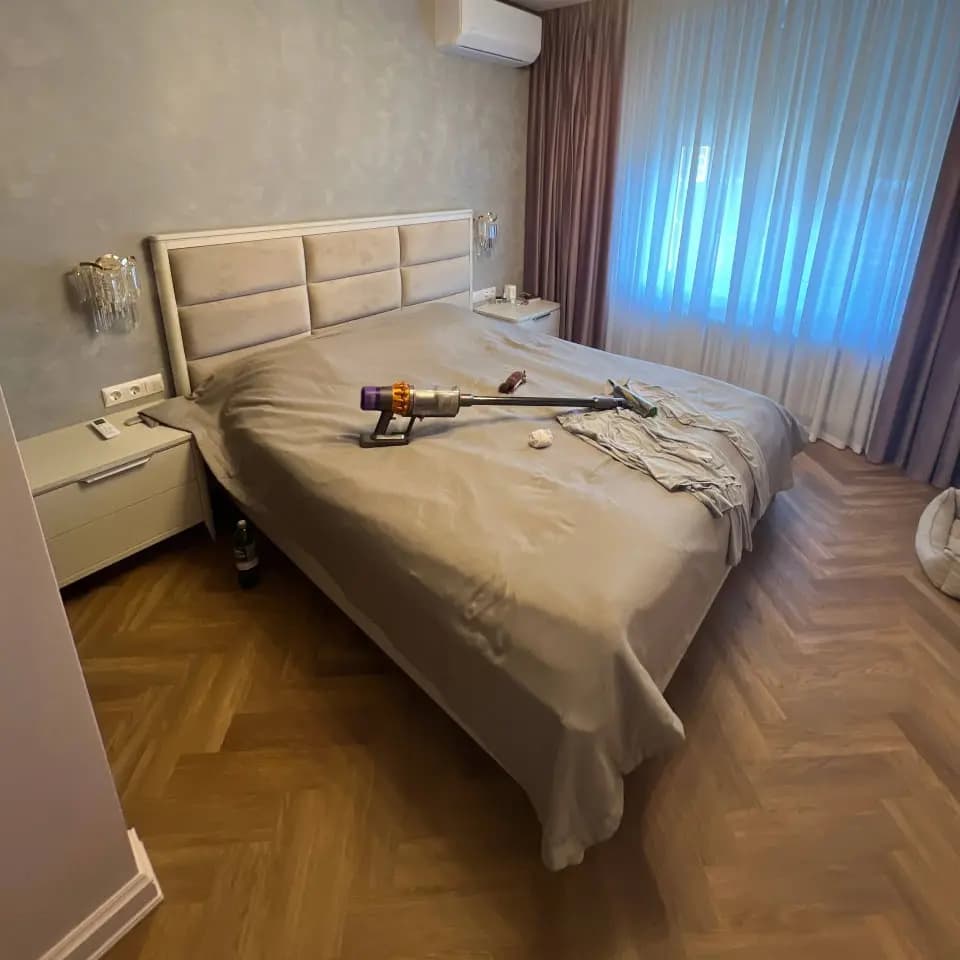
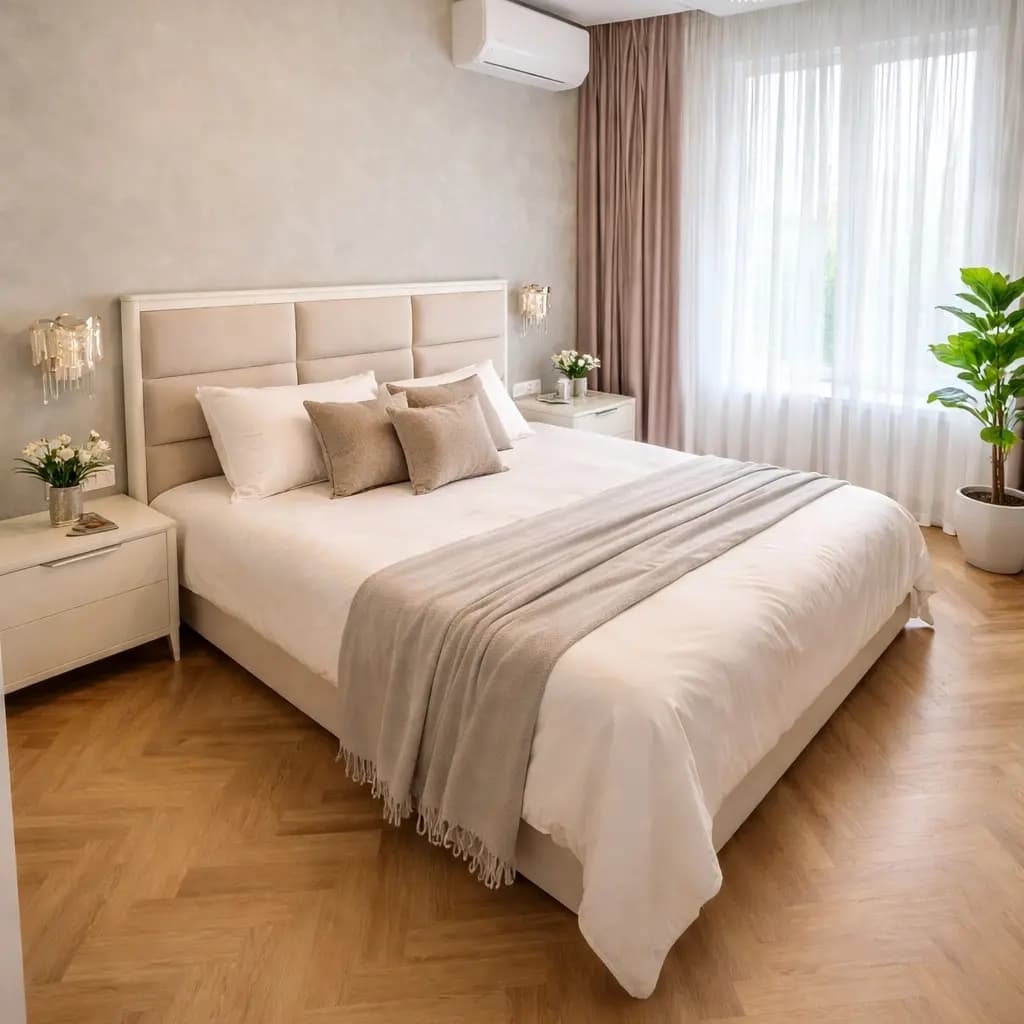
Seattle Home Staging FAQ
How much does home staging cost in Seattle?
Physical home staging in Seattle costs $2,000-$5,000 for a standard home, with luxury properties in areas like Capitol Hill or Ballard costing $5,000-$15,000. Virtual staging with Agent Lens is just $0.10 per image — ideal for Seattle's competitive market where professional photos are essential.
Is home staging worth it in Seattle's market?
Absolutely. With a median home price of $830,000 and homes spending an average of 28 days on market, staged homes in Seattle sell 30-50% faster. At $830,000, even a 1% price increase from staging means thousands more at closing.
How does virtual staging work for Seattle listings?
Virtual staging uses AI to add realistic furniture and decor to photos of empty rooms. Upload your Seattle listing photos, choose a style (modern, coastal, farmhouse, etc.), and receive professionally staged images in under 60 seconds. Perfect for MLS listings and online marketing.
What staging styles are popular in Seattle?
Seattle buyers respond well to modern, contemporary, and transitional staging styles. In neighborhoods like Capitol Hill and Ballard, luxury and coastal styles also perform strongly. Virtual staging lets you try multiple styles to see what resonates with Seattle buyers.
Should I stage my Seattle home before listing?
Yes. In Seattle's market (median price $830,000, avg 28 days on market), staged homes consistently outperform non-staged listings. With 97% of buyers starting online, professional listing photos are your first showing. Virtual staging delivers professional results for $0.10/image.