

Quick Answer
Denver buyers walk into showings already comparing your listing against three others scheduled before lunch. Mountain views are common, so they aren't enough. What separates a property that gets multiple offers from one that lingers is whether the staging tells a coherent story about how the space actually lives at altitude. I've watched Cherry Creek penthouses sit empty while smaller Highland bungalows close in under a week, and the difference almost always traces back to whether the staging respected the architecture and the buyer's real questions about furniture scale, daylight, and storage. AI virtual staging gives Denver agents a way to test those answers before the photographer arrives. You can render a LoHi loft with low-profile sectional seating one morning, swap to a more traditional layout for a Washington Park bungalow that afternoon, and present both to sellers without booking a furniture rental. The work that used to require a full staging crew now happens in the time it takes to drink a cortado. For agents juggling five active listings across neighborhoods that each demand different aesthetics, that flexibility is the difference between catching the spring weekend rush and missing it. AIStage is built around how Denver agents actually move through a listing cycle.
Key Takeaways
- 1Denver median home price: $575,000
- 2Average days on market: 34
- 3Virtual staging costs $0.10/photo vs $2,000-$5,000 for physical staging
- 4Staged homes sell 30-50% faster according to NAR
Home Staging in Denver
Virtual & Physical
Denver's outdoor-lifestyle market attracts young professionals and families from both coasts. Modern and contemporary styles dominate buyer preferences, and staged listings stand out in a competitive market that values clean, aspirational aesthetics.
Denver Market Snapshot
The Denver real estate market has a median home price of $575,000 with homes averaging 34 days on market. In this competitive environment, staged homes sell faster and for more money. Virtual staging from $0.10 per image gives Denver agents the edge.
Denver Real Estate Market Stats
Why Stage Your Home in Denver?
With a median home price of $575,000, Denver homeowners have significant equity at stake. Staging your home can add 1-5% to the sale price — that's potentially thousands of dollars more at closing. In a market averaging 34 days on market, staging helps your listing sell faster and stand out from the competition.
Virtual Staging vs Physical Staging in Denver
Physical Staging in Denver
- Cost: $2,000-$5,000+
- Timeline: 1-2 weeks
- Real furniture for showings and open houses
- Monthly rental fees ($500-$1,500/month)
Virtual Staging
Recommended- Cost: $0.10 per image
- Timeline: Under 60 seconds
- Unlimited styles — try modern, coastal, luxury, and more
- No monthly fees — pay per image, cancel anytime
Top Neighborhoods in Denver
Home staging is especially impactful in Denver's most competitive neighborhoods.
How Virtual Staging Works
1. Upload Photo
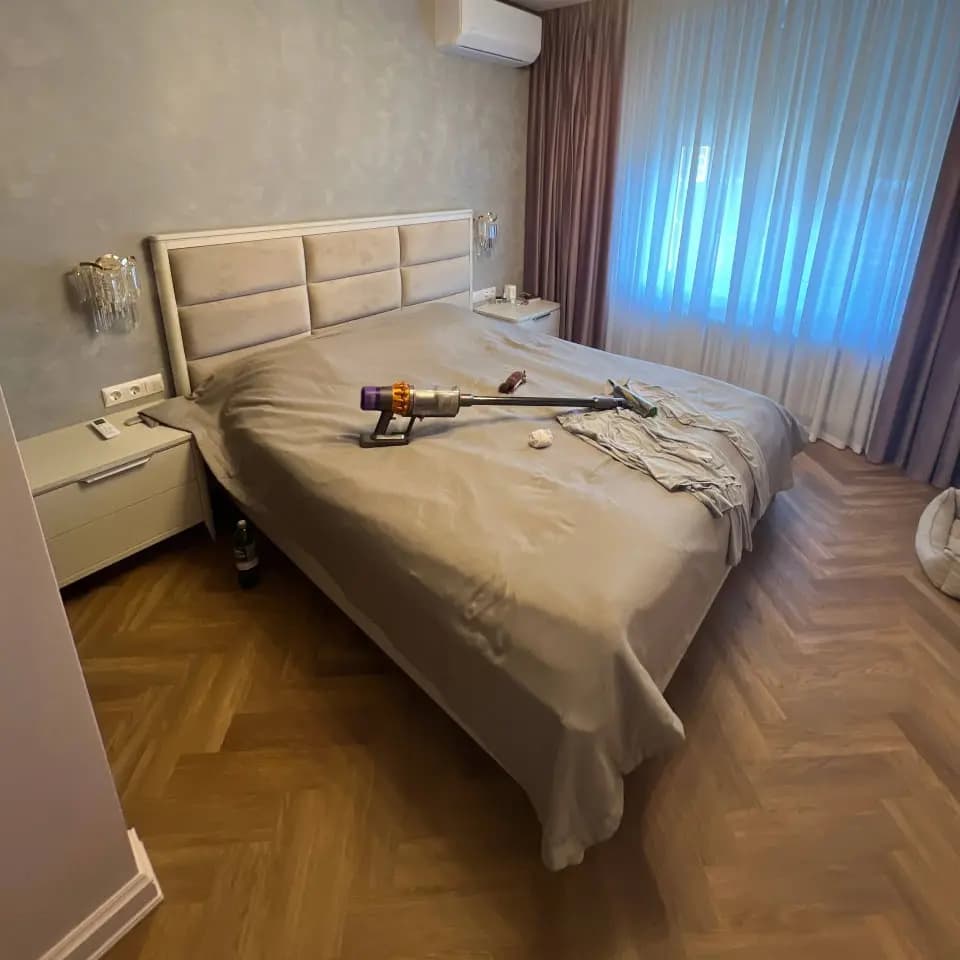
Upload an empty room photo from your Denver listing directly in your browser.
2. AI Stages It
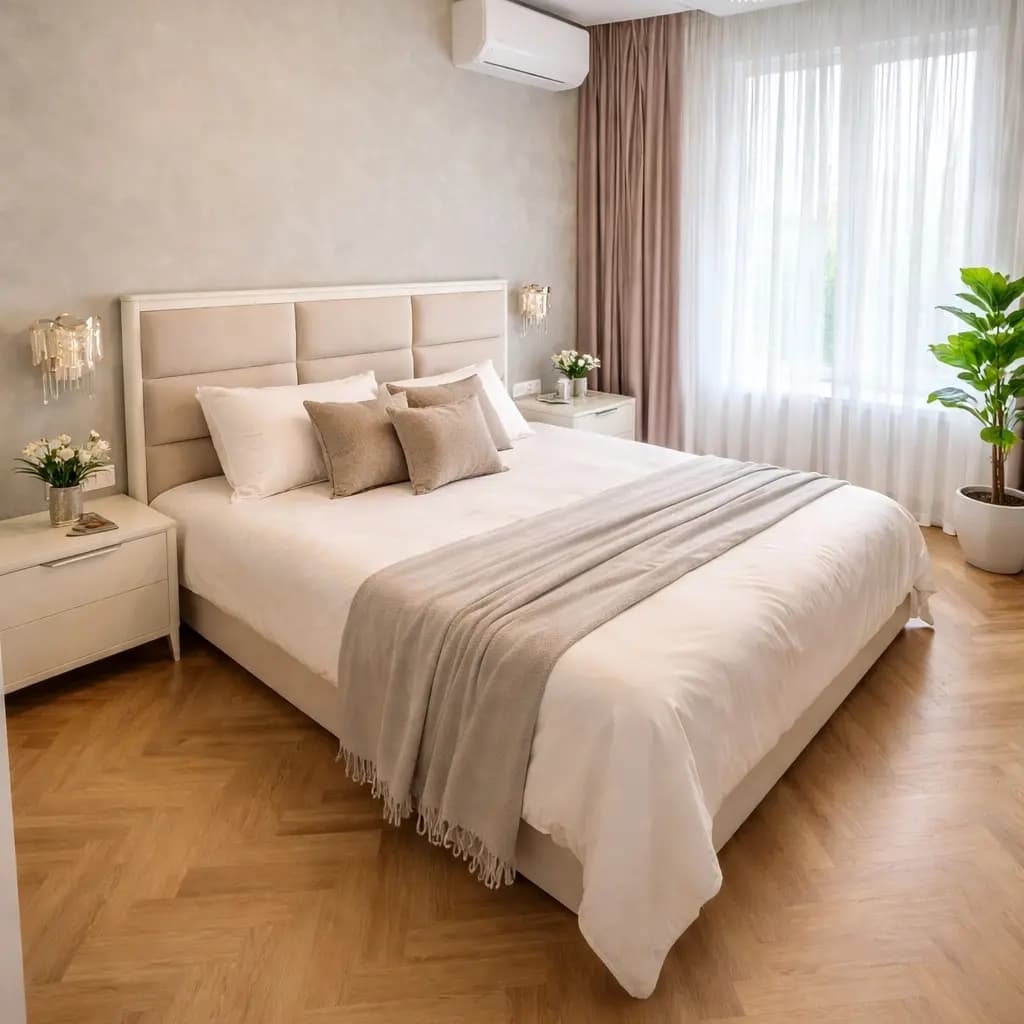
Choose from 11 design styles. Our AI adds realistic furniture and decor in under 60 seconds.
3. Download & List
Download high-resolution staged photos ready for MLS, Zillow, Realtor.com, and social media.
Virtual Staging in Denver
### Reading the neighborhood before you stage
The single most common mistake I see in Denver staging is treating the city as one market. A buyer touring a Sellwood-adjacent Foursquare in Wash Park is not the same buyer touring a glass-fronted RiNo townhome, even when their pre-approval letters look identical. The Wash Park buyer is usually thinking about long-term family fit, school catchment, and whether the original built-ins survived a previous renovation. That buyer reads heavy farmhouse staging as cliched and reads minimalist staging as cold. The middle ground is what works: a dining table in white oak with upholstered chairs, a living room anchored by a low-profile sofa in a warm neutral, and a single statement light fixture that respects the home's age. In RiNo, the buyer is often a first-time owner or a downsizer from the suburbs who wants the loft aesthetic but needs the space to feel residential rather than commercial. Staging there should pull in softer textiles, an actual rug rather than a polished concrete reveal, and at least one piece of art that adds color against the typical industrial palette.
### Layouts that move Denver listings
When I render virtual staging for Denver clients, I work in three priorities. First, the great room or main living area should photograph clearly from the doorway with no furniture blocking the natural sightline to whatever the home's best feature is — usually a window orientation, a fireplace, or original woodwork. Second, the primary bedroom needs to read as restful and adult. Third, at least one secondary space should signal lifestyle: a basement office, a sunroom set up as a reading nook, a finished garage corner staged for gear storage. Buyers in Highland and LoHi specifically respond to staging that acknowledges the realities of urban living at altitude, which means a coat hook wall, visible boot storage, and a bench by the door. Cherry Creek buyers respond to formal layouts more than the rest of the city. Washington Park buyers want family flexibility. The same house, staged three different ways, can earn three different price ceilings depending on how well the agent matches the rendering to the buyer pool that ZIP code actually attracts.
Home Staging Tips for Denver
Anchor the primary suite with a low headboard
Denver primary bedrooms often have lower ceilings than the great room, especially in older Foursquare and bungalow stock. A low-profile upholstered headboard in a warm oat or sage tone keeps the room feeling tall and restful. Avoid tall canopy beds and dark wood frames that swallow daylight.
Render mudrooms as actual mudrooms
Buyers relocating from milder climates are scrutinizing the entry sequence. Stage a bench, hooks at adult and child height, and a basket for ski boots. This reassures them that the home handles real Colorado weather. It also fills awkward dead space near side and garage entries that otherwise photograph as empty.
Stage basements as living square footage
A Denver basement that reads mechanical loses you appraisal credit and buyer interest. Render a sectional, a low coffee table, and warm lighting on at least one wall. Add a corner work nook if the egress allows. Buyers will mentally credit the square footage when the staging makes it obvious how the space lives.
Use matte ceramics, not chrome accents
Denver light is sharp and high-altitude UV is unkind to glossy finishes in photos. Matte ceramics, warm brass, and wool textiles photograph more honestly than chrome and lacquer. This is especially true in homes with south-facing windows where direct light flattens reflective surfaces in listing photos.
Show one outdoor transition space
Denver buyers care about the back deck, the side patio, or the front porch in ways East Coast buyers do not. Render at least one outdoor seating arrangement with a small table and two chairs. Even a narrow side yard staged with a single bench signals that the seller used the outdoor space, which raises perceived livability.
More Denver Resources
Stage Your Denver Listing Today
Transform empty rooms into stunning staged photos. Starting from $0.10 per image.
Denver Home Staging FAQ
How much does home staging cost in Denver?
Physical home staging in Denver costs $2,000-$5,000 for a standard home, with luxury properties in areas like Cherry Creek or LoHi costing $5,000-$15,000. Virtual staging with Agent Lens is just $0.10 per image — ideal for Denver's competitive market where professional photos are essential.
Is home staging worth it in Denver's market?
Absolutely. With a median home price of $575,000 and homes spending an average of 34 days on market, staged homes in Denver sell 30-50% faster. At $575,000, even a 1% price increase from staging means thousands more at closing.
How does virtual staging work for Denver listings?
Virtual staging uses AI to add realistic furniture and decor to photos of empty rooms. Upload your Denver listing photos, choose a style (modern, coastal, farmhouse, etc.), and receive professionally staged images in under 60 seconds. Perfect for MLS listings and online marketing.
What staging styles are popular in Denver?
Denver buyers respond well to modern, contemporary, and transitional staging styles. In neighborhoods like Cherry Creek and LoHi, luxury and coastal styles also perform strongly. Virtual staging lets you try multiple styles to see what resonates with Denver buyers.
Should I stage my Denver home before listing?
Yes. In Denver's market (median price $575,000, avg 34 days on market), staged homes consistently outperform non-staged listings. With 97% of buyers starting online, professional listing photos are your first showing. Virtual staging delivers professional results for $0.10/image.