

Quick Answer
Washington listings split into camps that virtual staging treats very differently. A Federal-style rowhouse on Capitol Hill behaves nothing like a glass-walled condo above 14th Street, and the staging palette has to follow. After fifteen years pricing inside the Beltway, I tell new agents to spend their first week walking Georgetown alleys and Bethesda subdivisions before they touch a render. The buyer pool here is unusually transient: appointees, law-firm associates, military rotations, World Bank staff. They tour fast, often virtually from another zip code, and they want photographs that read as livable rather than aspirational. Virtual staging earns its keep when a vacant Dupont Circle one-bedroom looks like a quiet study with a reading chair under the bay window, not a furniture-store catalog. The same logic protects you in Adams Morgan walk-ups where original wood floors and plaster walls do the heavy lifting once you remove visual clutter and add restrained mid-century pieces. AgentLens lets me iterate three or four palette directions inside a listing-prep afternoon, which matters when the photographer leaves and the listing goes live in thirty-six hours. The goal is not glamour. The goal is a buyer in Reston scrolling at lunch who pictures their own life inside the frame and calls before the open house.
Key Takeaways
- 1Washington median home price: $645,000
- 2Average days on market: 36
- 3Virtual staging costs $0.10/photo vs $2,000-$5,000 for physical staging
- 4Staged homes sell 30-50% faster according to NAR
Home Staging in Washington
Virtual & Physical
The DC metro area's high-earning professional population expects polished, move-in-ready presentations. Government and consulting professionals are discerning buyers who respond to well-staged homes. Virtual staging helps DC agents present properties to this sophisticated audience.
Washington Market Snapshot
The Washington real estate market has a median home price of $645,000 with homes averaging 36 days on market. In this competitive environment, staged homes sell faster and for more money. Virtual staging from $0.10 per image gives Washington agents the edge.
Washington Real Estate Market Stats
Why Stage Your Home in Washington?
With a median home price of $645,000, Washington homeowners have significant equity at stake. Staging your home can add 1-5% to the sale price — that's potentially thousands of dollars more at closing. In a market averaging 36 days on market, staging helps your listing sell faster and stand out from the competition.
Virtual Staging vs Physical Staging in Washington
Physical Staging in Washington
- Cost: $2,000-$5,000+
- Timeline: 1-2 weeks
- Real furniture for showings and open houses
- Monthly rental fees ($500-$1,500/month)
Virtual Staging
Recommended- Cost: $0.10 per image
- Timeline: Under 60 seconds
- Unlimited styles — try modern, coastal, luxury, and more
- No monthly fees — pay per image, cancel anytime
Top Neighborhoods in Washington
Home staging is especially impactful in Washington's most competitive neighborhoods.
How Virtual Staging Works
1. Upload Photo
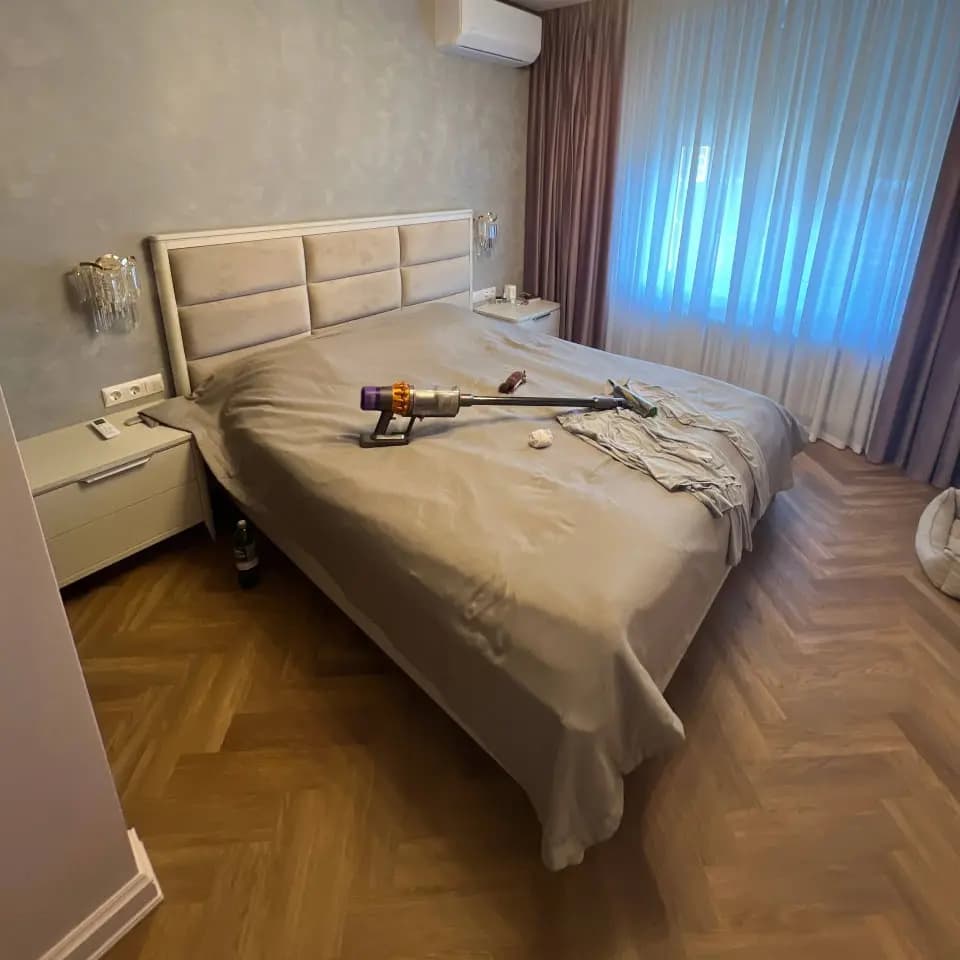
Upload an empty room photo from your Washington listing directly in your browser.
2. AI Stages It
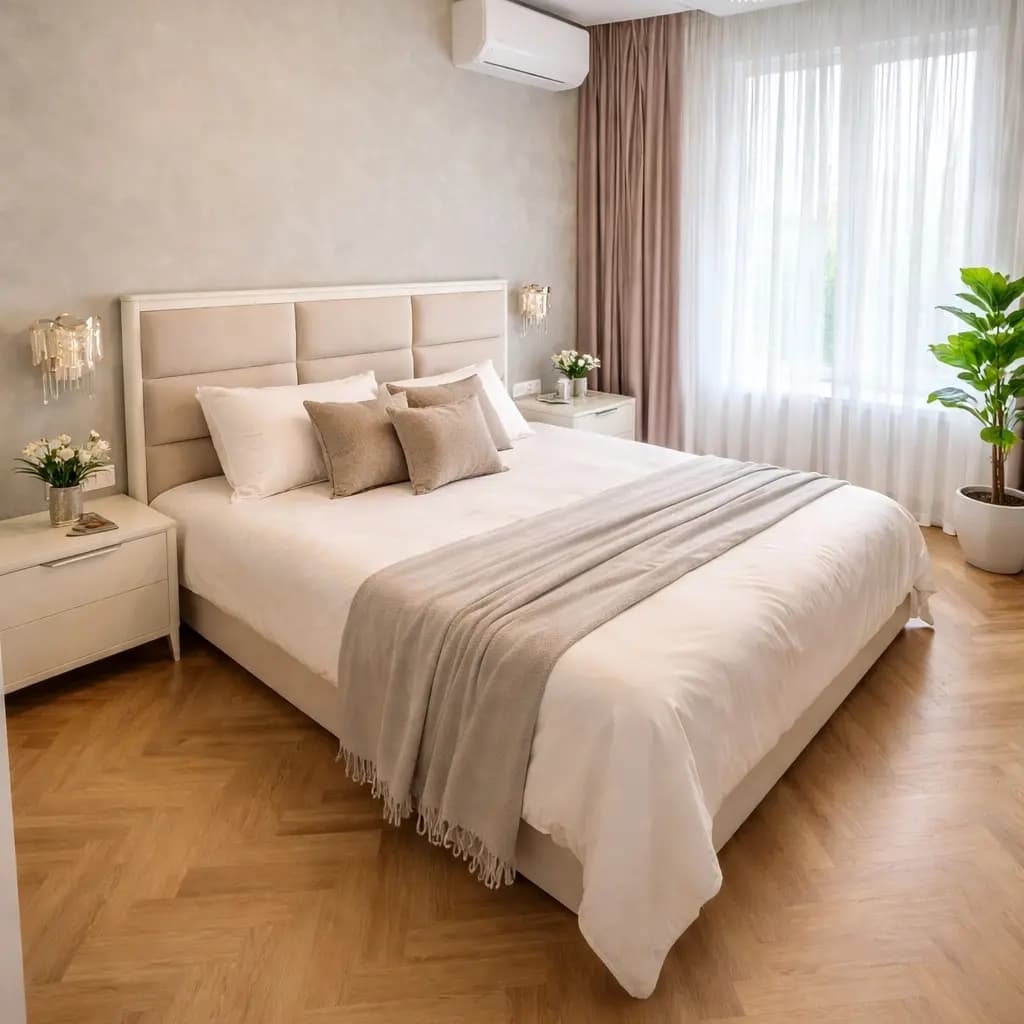
Choose from 11 design styles. Our AI adds realistic furniture and decor in under 60 seconds.
3. Download & List
Download high-resolution staged photos ready for MLS, Zillow, Realtor.com, and social media.
Virtual Staging in Washington
### Reading the rowhouse versus the high-rise
The most common staging mistake I see in DC is treating every listing like a glossy condo render. A Capitol Hill rowhouse with original heart-pine floors and plaster crown molding asks for restraint. Tall narrow rooms photograph poorly with oversized sectionals; instead, scale a tight two-cushion sofa against the long wall, add a slim console behind it, and let the fireplace remain the focal point. On Georgetown's smaller federals, where ceilings are often lower than buyers expect, vertical line art and a single tall floor lamp pull the eye up without crowding. By contrast, the new construction along the 14th Street corridor and NoMa carries floor-to-ceiling glass and concrete columns that swallow soft furnishings. Those interiors need architectural pieces: a leather lounge with a defined silhouette, a low-profile platform bed, a dining table that reads as one continuous slab. Trying to soften them with cottage-style furniture reads as denial of the building's actual character.
### Buyer profile drives the palette
The federal-employee buyer in Bethesda or upper Northwest tends to be risk-averse and detail-oriented. They notice when a render shows a sofa floating eighteen inches off a wall in a room that obviously cannot accommodate it, and they lose trust. Stage those rooms honestly, with measurable furniture and realistic walking paths. The international buyer common in Kalorama and West End leans toward neutral envelopes with one accent piece, often a single large abstract canvas in muted tones. Younger Dupont and Logan buyers respond to warmer woods, clay-toned upholstery, and indoor plants that survive low light. For Adams Morgan and Mount Pleasant, where the buyer skews creative and often single, a clearly defined home-office corner inside the primary bedroom outperforms a generic guest-room render. Across all of these, the photography should suggest the property's specific Metro stop and walking pattern: stage a coffee setup near a window if the kitchen sees morning sun on a Hill listing, or a desk with a closed laptop in a Logan studio that markets to consultants. These small choices read as authenticity, and authenticity is what closes deals in a market full of skeptics.
Home Staging Tips for Washington
Match furniture scale to rowhouse proportions
DC rowhouses run narrow and deep, often under fifteen feet wide. Stage them with two-cushion sofas, slim profile chairs, and rugs that respect a foot of exposed floor on each side. Oversized sectionals from suburban catalogs make these rooms feel cramped on camera and signal to buyers that the agent did not measure.
Preserve original architectural detail
When working with Capitol Hill or Georgetown listings, never let virtual furniture cover transom windows, original mantels, or built-in bookcases. These are the features the buyer is paying a premium for. Stage around them, lighting them as the room's focal point rather than decoration competing for attention.
Treat new-build glass towers architecturally
Condos along 14th Street, in Navy Yard, and on the Wharf carry heavy concrete and floor-to-ceiling glass. Soft cottage furniture fights the building. Use leather, stone, and matte metal pieces that read as intentional. Keep the palette tight and let the city view through the glass do the marketing work.
Stage a defined work-from-home zone
DC's policy and consulting workforce tours with remote-work assumptions baked in. Even in studios, render a small desk with a closed laptop near natural light. Buyers project their actual workday into the room, which beats a generic reading nook for converting tours to offers in this specific city.
Adjust render warmth for the season
DC summers cast a humid silver light through windows; winters bring sharper, lower-angle sun. Match the render's color temperature to the photo session's actual season rather than defaulting to a single warm preset. Buyers reading the listing in February respond better to cool clean light; July buyers tolerate warmer interiors.
More Washington Resources
Stage Your Washington Listing Today
Transform empty rooms into stunning staged photos. Starting from $0.10 per image.
Washington Home Staging FAQ
How much does home staging cost in Washington?
Physical home staging in Washington costs $2,000-$5,000 for a standard home, with luxury properties in areas like Georgetown or Capitol Hill costing $5,000-$15,000. Virtual staging with Agent Lens is just $0.10 per image — ideal for Washington's competitive market where professional photos are essential.
Is home staging worth it in Washington's market?
Absolutely. With a median home price of $645,000 and homes spending an average of 36 days on market, staged homes in Washington sell 30-50% faster. At $645,000, even a 1% price increase from staging means thousands more at closing.
How does virtual staging work for Washington listings?
Virtual staging uses AI to add realistic furniture and decor to photos of empty rooms. Upload your Washington listing photos, choose a style (modern, coastal, farmhouse, etc.), and receive professionally staged images in under 60 seconds. Perfect for MLS listings and online marketing.
What staging styles are popular in Washington?
Washington buyers respond well to modern, contemporary, and transitional staging styles. In neighborhoods like Georgetown and Capitol Hill, luxury and coastal styles also perform strongly. Virtual staging lets you try multiple styles to see what resonates with Washington buyers.
Should I stage my Washington home before listing?
Yes. In Washington's market (median price $645,000, avg 36 days on market), staged homes consistently outperform non-staged listings. With 97% of buyers starting online, professional listing photos are your first showing. Virtual staging delivers professional results for $0.10/image.