

Quick Answer
Real-estate photography in Washington, DC operates inside a regulatory and architectural envelope unlike any other US market. The federal Height of Buildings Act caps most structures at the width of the adjacent street plus 20 feet, which means even Logan Circle and Dupont rowhouses photograph against an unusually open sky. The Federal Aviation Administration prohibits virtually all drone flight inside the Special Flight Rules Area that covers the entire District, so aerial coverage that is routine in Bethesda or Arlington is forbidden over Capitol Hill, Georgetown, and Shaw. Listing photographers compensate with elevated tripods, scissor-lift rentals, and pole cameras topping out around 25 feet. The architectural mix is its own challenge. Federal-style townhouses on N Street and P Street in Georgetown carry original twelve-over-twelve sash windows, dentil cornices, and brick laid in Flemish bond. Capitol Hill rowhouses along East Capitol and A Street SE show pressed-brick facades with terra-cotta keystones. Wardman rowhouses in Park View and Petworth, built between 1905 and 1925, have characteristic projecting front porches with paired Tuscan columns. Mid-century apartments in Southwest near The Wharf, including the I.M. Pei-designed Town Center, demand a different visual vocabulary entirely. Buyers relocating from New York and San Francisco for federal contracting and law-firm roles scroll Redfin on phones during long flights and decide in seconds whether to schedule a tour, which raises the stakes for the first three thumbnails.
Local Photography Insight
DC photographers plan around motorcades, security perimeters, and the rolling closures that affect Massachusetts Avenue, 16th Street, and the area around the White House. A Kalorama listing shoot can be delayed two hours because of a foreign-leader visit at the Naval Observatory. Photographers serving Capitol Hill watch the congressional calendar; recess weeks open up parking on East Capitol Street and the side streets behind the Library of Congress. Georgetown listings require permits for any equipment staged on the brick sidewalks of N or O Street. Shaw, Bloomingdale, and LeDroit Park rowhouses with English basements need careful basement-window light handling because the low ceilings and partial-grade windows fight wide-angle distortion. The Petworth and 16th Street Heights bungalows demand exterior work that captures the front porch as a usable room rather than a forgotten threshold. Anacostia and Hillcrest, where 1930s and 1940s detached homes dominate, reward photographers who treat the deep front yards as primary subjects. Drone footage, when needed, must be captured from neighboring jurisdictions; Arlington and Alexandria pilots can sometimes get the Potomac approach, but never the District side.
Real Estate Photography
in Washington
Everything Washington agents need to know about professional listing photography — types, costs, tips, and how virtual staging completes the package.
Why Professional Photography Matters in Washington
In Washington's market, where the median home price is $645,000, first impressions happen online. Professional real estate photography is no longer optional — it is the single most impactful marketing investment an agent can make.
Sell 32% Faster
Listings with professional photography sell 32% faster than those with amateur or smartphone photos. In a market like Washington, that can mean weeks less on market.
118% More Online Views
Professionally photographed homes receive 118% more views on portals like Zillow, Realtor.com, and Redfin — critical in a market with $645,000 median prices.
Washington Real Estate Market & Photography Trends
Washington listing photography is a craft of constraints. The 50-square-mile Special Flight Rules Area means a Part 107 pilot cannot simply file a LAANC request and fly a Mavic over a Logan Circle rowhouse. Aerial views of DC properties come from elevated mast cameras, scissor lifts, or licensed manned aircraft operators on rare occasions. For most of the listing inventory, photographers rely instead on twilight exteriors and tightly composed wide-angle interiors that compensate for the absence of a roofline shot.
### Working with Federal and Wardman Architecture Georgetown Federals and Capitol Hill Italianates demand respect for proportion. The 12-over-12 window grids and dentil cornices read as flat smudges if the photographer relies on auto exposure during the bright midday hours. Side light at 9 a.m. on a north-facing N Street facade pulls texture from the Flemish-bond brick. Wardman rowhouses in Park View, Petworth, and 16th Street Heights present a different problem: the projecting front porch creates a deep shadow zone that sits two to three stops below the brightly lit upper facade. Bracketed exposures merged in post handle this gracefully. Inside, Wardman houses commonly have original quarter-sawn oak floors, beamed dining room ceilings, and built-in china cabinets with leaded glass; manual white balance around 4700K honors these materials.
### Twilight, Pole Cameras, and Virtual Staging Twilight exteriors of Logan Circle and Dupont rowhouses sell the gaslight character of the side streets. A 25-foot pole camera substitutes for a drone and captures the slate-mansard rooflines of LeDroit Park Second Empire houses without violating FAA rules. For vacant condominiums in The Wharf, NoMa, and CityCenterDC, virtual staging plugs the gap created by the high inventory of newly delivered units sitting empty between resale closings. Buyers from outside the region cannot read scale from an empty 850-square-foot one-bedroom; rendering a sectional, a dining table for four, and a queen bed in the floorplan answers the question before the showing. RESA data shows staged condos in dense urban markets reduce days on market measurably, and the District's high rate of remote buyer decisions amplifies that effect. Photographers who deliver a coordinated package of stills, one twilight exterior, one pole-camera elevated frame, and a virtually staged set for any vacant rooms now win repeat work from the busiest Compass, Long & Foster, and TTR Sotheby's agents.
Types of Real Estate Photography in Washington
Interior HDR
Wide-angle, exposure-blended shots of every room. The foundation of any listing photo package.
Exterior / Curb Appeal
Front elevation, backyard, landscaping, and street-level shots that create strong first impressions.
Aerial / Drone
Bird's-eye views showcasing lot size, roof condition, and proximity to amenities in Washington.
Twilight Photography
Golden-hour or dusk shots that make homes glow. Popular for luxury listings in neighborhoods like Georgetown.
Virtual Tour / Video
360-degree tours and cinematic walkthroughs let remote buyers explore properties before visiting.
Virtual Staging
AI-powered staging adds furniture to empty rooms for $0.10/image — the perfect add-on after photography.
Average Real Estate Photography Costs in Washington
Pricing varies by property size, number of shots, and add-ons. Here is what Washington agents typically pay in 2026.
| Service | Typical Cost | Includes |
|---|---|---|
| Basic Package | $150-$350 | 25-35 HDR interior & exterior photos |
| Premium Package | $350-$700 | 40+ photos, twilight shots, aerial |
| Drone Add-On | $100-$250 | 5-10 aerial shots, FAA-licensed pilot |
| Twilight Add-On | $100-$200 | 3-5 golden-hour exterior shots |
| 3D Virtual Tour | $150-$400 | Matterport or equivalent 360 walkthrough |
| Virtual Staging | $0.10/image | AI-furnished rooms, unlimited styles, 60-second delivery |
Virtual Staging: The Perfect Complement
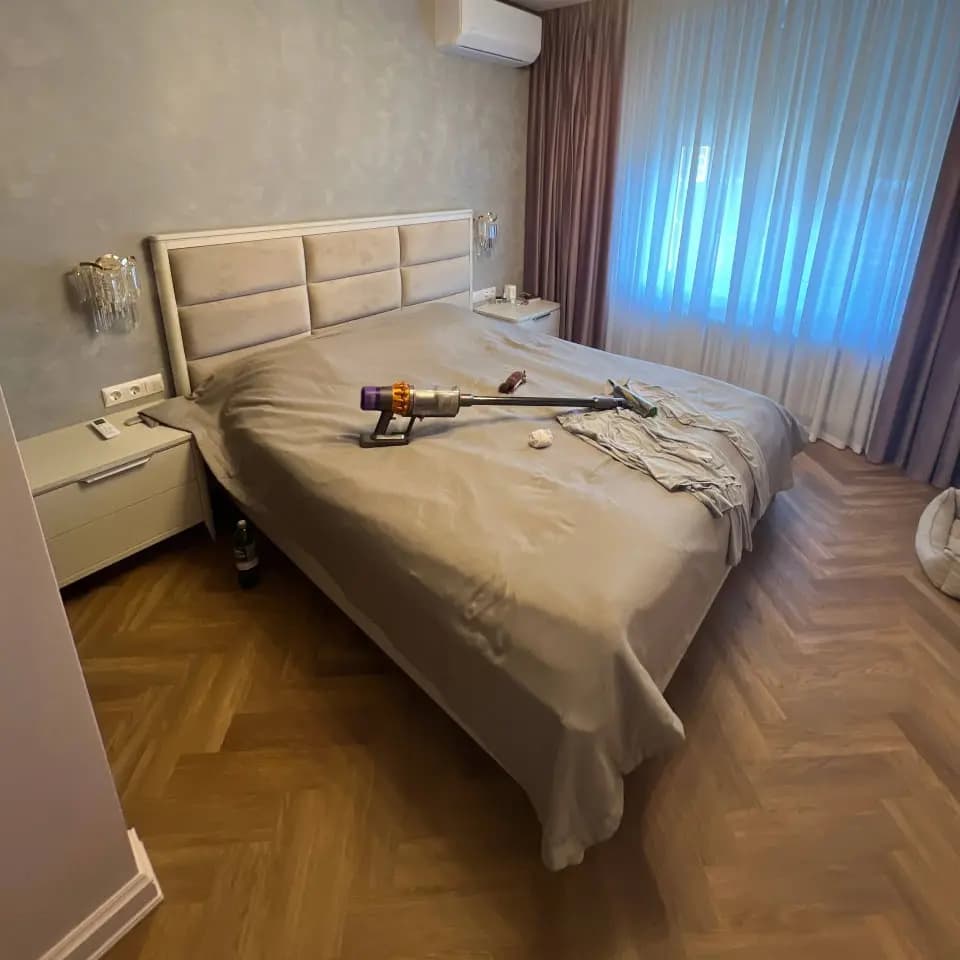
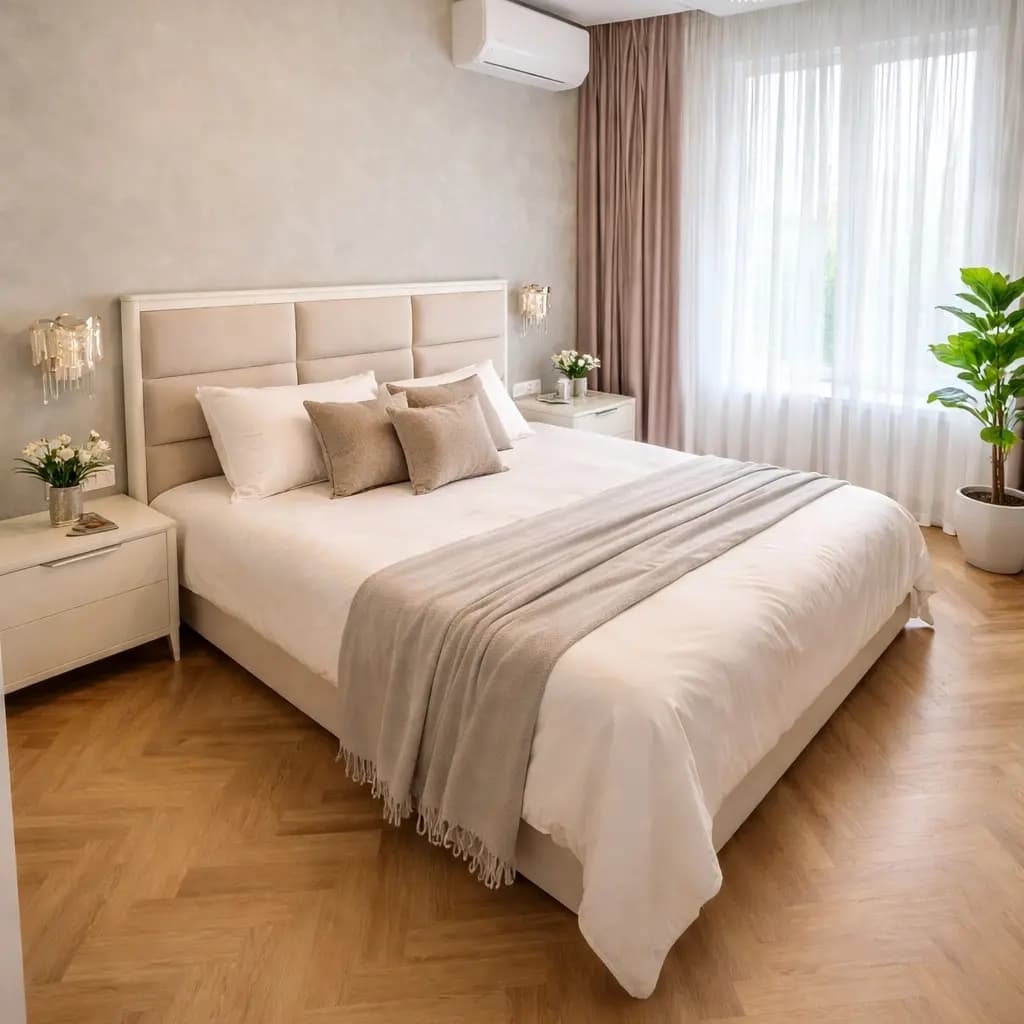
After your Washington photographer delivers stunning HDR photos, virtual staging transforms empty rooms into beautifully furnished spaces for just $0.10 per image. No furniture rental, no scheduling, no monthly fees. Upload your empty-room photos, choose from 11 design styles, and download MLS-ready staged images in under 60 seconds. It is the highest-ROI add-on to any photography package.
Top Neighborhoods for Photography in Washington
Professional photography is especially impactful in Washington's most competitive neighborhoods.
Photography Tips for Washington Properties
Skip drone planning entirely inside the District because
Skip drone planning entirely inside the District because the Special Flight Rules Area prohibits commercial UAS operations without specific federal authorization that listing work cannot obtain.
Use a 25-foot pole camera or scissor lift
Use a 25-foot pole camera or scissor lift to capture LeDroit Park mansard rooflines and Capitol Hill cornice details that would otherwise require an aerial.
Photograph Georgetown Federal facades between 8 and 10 a.m.
Photograph Georgetown Federal facades between 8 and 10 a.m. when raking side light reveals the Flemish-bond brick texture and the 12-over-12 sash divisions.
Bracket exposures generously on Wardman rowhouse fronts because
Bracket exposures generously on Wardman rowhouse fronts because the projecting porch shadow and sunlit upper facade can span six stops of contrast.
Schedule shoots around the congressional calendar and motorcade
Schedule shoots around the congressional calendar and motorcade routes; recess weeks free up Capitol Hill side streets and Kalorama becomes accessible only when no foreign delegation is in residence.
DIY Photography Tips for Washington Agents
If you photograph listings yourself, these tips will dramatically improve your results.
Shoot During Golden Hour
Schedule exterior shots for early morning or late afternoon. In Washington, this light flatters architecture and landscaping beautifully.
Use a Wide-Angle Lens
A 10-22mm wide-angle lens makes rooms look spacious. Avoid fish-eye distortion by keeping the camera level and centered.
Declutter Every Room
Remove personal items, excess furniture, and countertop clutter before shooting. Clean spaces photograph significantly better.
Turn On All Lights
Open blinds, turn on every light, and replace dim bulbs. Bright, warm rooms are more inviting and photograph better.
Stage Digitally After
Empty rooms? Use virtual staging at $0.10/image to add furniture digitally. No scheduling, no furniture rental, MLS-ready in 60 seconds.
More Washington Resources
Complete Your Washington Listing Photos
Add virtual staging to your professional photos. Starting from $0.10 per image.
Washington Real Estate Photography FAQ
How much does real estate photography cost in Washington?
Professional real estate photography in Washington typically costs $150-$350 per session for a standard residential listing. Premium packages with drone, twilight, and virtual tour add-ons can run $500-$1,000+. Many Washington agents find that pairing professional photos with virtual staging at $0.10/image delivers the best ROI.
What types of real estate photography are available in Washington?
Washington photographers offer interior and exterior HDR photography, aerial/drone shots, twilight photography, 3D virtual tours, and video walkthroughs. The most popular package for Washington listings includes 25-40 HDR interior and exterior shots. Drone photography is especially effective for properties in neighborhoods like Georgetown and Capitol Hill.
Should I use drone photography for my Washington listing?
Drone photography is highly recommended for Washington properties with notable exterior features, large lots, waterfront views, or desirable locations. Aerial shots showcase the property's proximity to amenities and provide neighborhood context. In Washington, drone add-ons typically cost $100-$250 on top of the base photography package.
Is professional photography worth it for Washington listings?
Absolutely. With a median home price of $645,000 in Washington, professional photography delivers exceptional ROI. Listings with professional photos sell 32% faster and receive 118% more online views. At $645,000, even a small percentage increase in sale price far exceeds the $150-$350 investment.
How does virtual staging work with real estate photography?
After your Washington photographer delivers the final images, you can enhance empty rooms with virtual staging. Upload any photo to Agent Lens, choose a design style, and receive a professionally staged image in under 60 seconds for just $0.10. It is the perfect complement to professional photography — no furniture rental needed.