

Traditional Kids' Bedroom
Virtual Staging
Transform your kids' bedroom with traditional virtual staging. Professional AI-powered results in 60 seconds.
Quick Answer
Traditional in a kids bedroom evokes the kind of room generations of American families have furnished for their children: a four-poster or sleigh bed, painted millwork, a hand-knotted rug, and a few well-loved heirlooms mixed with newer pieces. Done thoughtfully, traditional photographs as enduring rather than dated. Done lazily, it slips into doll-house territory fast. The line between the two is restraint and specificity. A traditional kids room earns its register through architectural moments like wainscoting, picture-frame molding, or a single piece of millwork the photo can lean on, and through textiles that feel collected rather than catalog. I have walked many older homes with families who explicitly came looking for that quality, often in school districts with multi-generational continuity. They want a kids room that looks like it could have always been there. AgentLens can stage a traditional kids bedroom with the architectural cues the actual room provides, pulling forward classic shapes and details that signal continuity to buyers who value a sense of permanence. The staging should feel like a thoughtful update of a long-standing tradition rather than a costume layered over a builder-grade box.
Key Takeaways
- 1Traditional style features: Classic elegance, warm colors, timeless appeal
- 2Virtual staging costs just $0.10 per photo
- 3Results delivered in approximately 60 seconds
- 4Staged homes sell 30-50% faster (NAR)
Staging Insight
Traditional kids rooms photograph naturally in markets with established old-money or strong school-district pull. Think Concord and Wellesley outside Boston, the historic streets of Charleston south of Broad, the older sections of Bryn Mawr and Wayne on Philadelphia's Main Line, Highland Park in Dallas with its 1930s estates, and the historic blocks of Buckhead in Atlanta. Buyers in these markets often grew up with traditional decoration themselves and want a kids room that signals continuity rather than reinvention. In Annapolis and the Maryland Eastern Shore, a traditional kids room with painted twin beds and a needlepoint rug photographs as quietly correct, while in the Hudson Valley around Rhinebeck and Garrison, slightly looser country traditional with vintage botanical prints and a trundle bed reads as authentic to the regional architecture. In coastal Maine and the older sections of Cape Cod, traditional kids staging often pairs with beadboard walls and matelasse coverlets in a way that reads regional rather than generic. The thread across these markets is that buyers see traditional kids rooms and feel reassured that the home has been cared for across many years and will likely continue to be, which is a quiet but persuasive argument.
Quick Answer
Traditional kids' bedroom virtual staging uses AI to add classic elegance, warm colors, timeless appeal to empty room photos. Costs as low as $0.10 per image vs $2,000-5,000 for physical staging. Results delivered in under 60 seconds.
Key Takeaways
- 1Traditional style features: Classic elegance, warm colors, timeless appeal
- 2Perfect for kids' bedroom spaces that need professional appeal
- 3AI processing delivers results in under 60 seconds
- 420,000x more affordable than traditional physical staging
How much does traditional kids' bedroom virtual staging cost?
Traditional kids' bedroom virtual staging costs as low as $0.10 per image with Agent Lens. This is up to 20,000x cheaper than physical staging which costs $2,000-5,000 for an entire home. Our AI delivers professional classic elegance, warm colors, timeless appeal staging in under 60 seconds.
About Traditional Style
Traditional staging evokes a sense of established comfort and timeless sophistication, drawing inspiration from 18th and 19th century European décor. Rich wood tones, symmetrical furniture arrangements, and ornate details create an atmosphere of refined elegance. Popular elements include wingback chairs, formal dining sets, layered window treatments, and classic patterns like damask or toile. This style appeals to buyers seeking permanence and a connection to classical design principles.. This style is perfect for kids' bedroom spaces looking to attract buyers with a contemporary, refined aesthetic. Virtual staging allows you to showcase this design without the cost or logistics of physical furniture.
Traditional Design for Your Kids' Bedroom
### Architecture and the heirloom-feeling bed
The bed sets the entire register. A spool bed, sleigh bed, four-poster, or simple painted twin with turned posts photographs as traditional more reliably than any other element. Choose one in a wood tone that matches or complements the existing trim, or in a creamy white painted finish for rooms with strong architectural detail. Pair with a coverlet rather than a duvet; matelasse, quilted cotton, or a simple white cotton blanket layered over a flat sheet reads as more traditional than a thick duvet stuffed into a cover. A dust ruffle that breaks at the floor adds quiet correctness. For windows, choose tailored Roman shades in a small-scale pattern, or simple pinch-pleat panels in a check, ticking stripe, or floral on cream. A small writing desk in the corner with a slat-back chair signals study without crowding the room, and a low blanket chest or wooden toy box at the foot of the bed delivers storage with traditional silhouette. Architectural details photograph as the strongest signals: wainscoting, picture-frame molding, or a simple chair rail in white against soft pastel walls.
### Color, pattern, and the layered textiles that read as history
Traditional kids rooms can carry more pattern than other styles, but the patterns must speak the same dialect. Mix a small floral with a check or ticking stripe and a single solid; three patterns in the same color family read as collected, while three patterns in different palettes read chaotic. Color stories that travel well include soft buttery yellow with cream and faded green, dusty blue with white and warm taupe, and pale pink with sage and ivory. Walls in a chalky pastel or warm cream let the textiles do the work. For floor covering, a hand-knotted Persian or needlepoint-style rug in low-contrast colors anchors the room and signals that the family invests in pieces that travel across generations. Lighting should include a small chandelier or simple flush-mount with a fabric shade overhead, plus a porcelain or turned-wood lamp on the dresser. Add a few personal-feeling objects: a stack of vintage children's books, a small stuffed bear on the pillow, a watercolor or framed botanical print above the dresser. Skip licensed characters and themed bedding sets, which read as costume rather than continuity. The traditional kids room should photograph as a place where a child has been read to before bed for years and where the next family will continue the practice without changing much.
Traditional Kids' Bedroom Staging Benefits
Why Virtual Staging Works for Kids' Bedrooms
Traditional Kids' Bedroom Staging Tips
Lead with a classic bed silhouette
A spool bed, four-poster, or simple painted twin with turned posts photographs as traditional more reliably than any styling layered on top. Choose a wood tone that complements the existing trim or a creamy white painted finish. Avoid metal frames and sleek upholstered headboards, which slip the room toward modern or transitional fast.
Layer textiles in the same color family
Mix a small floral, a check, and a solid in three close tones. A pale blue check sham with a dusty blue floral coverlet over white sheets reads as collected and intentional. Adding a fourth pattern or a clashing color tips the photograph into busy. Two or three patterns in one palette is the right rhythm for traditional staging.
Choose architectural anchors
If the room has wainscoting, picture-frame molding, or a chair rail, lean into it with paint and styling that highlights the millwork. If the room is a plain box, AgentLens can suggest applied molding or a board-and-batten treatment in the staged photo. Architectural detail is what separates traditional from generic colonial-themed bedrooms in listings.
Use a hand-knotted-feeling rug
A faded vintage Persian, a needlepoint-style geometric, or a soft braided wool rug in low-contrast colors anchors the bed and signals that the family invests in pieces that travel. Avoid bright machine-made patterns and acrylic shag. The rug should photograph as if it might have been in the family for years rather than purchased for staging.
Add quiet personal touches
A stack of vintage children's books on the bedside table, a single watercolor or framed botanical print above the dresser, and a soft stuffed animal on the pillow signal a real child without crowding the room. Skip themed bedding and character decor. Traditional reads as continuity, and continuity comes from objects that look loved rather than purchased.
Stage Your Kids' Bedroom in Traditional Style Today
Get professional traditional virtual staging in 60 seconds
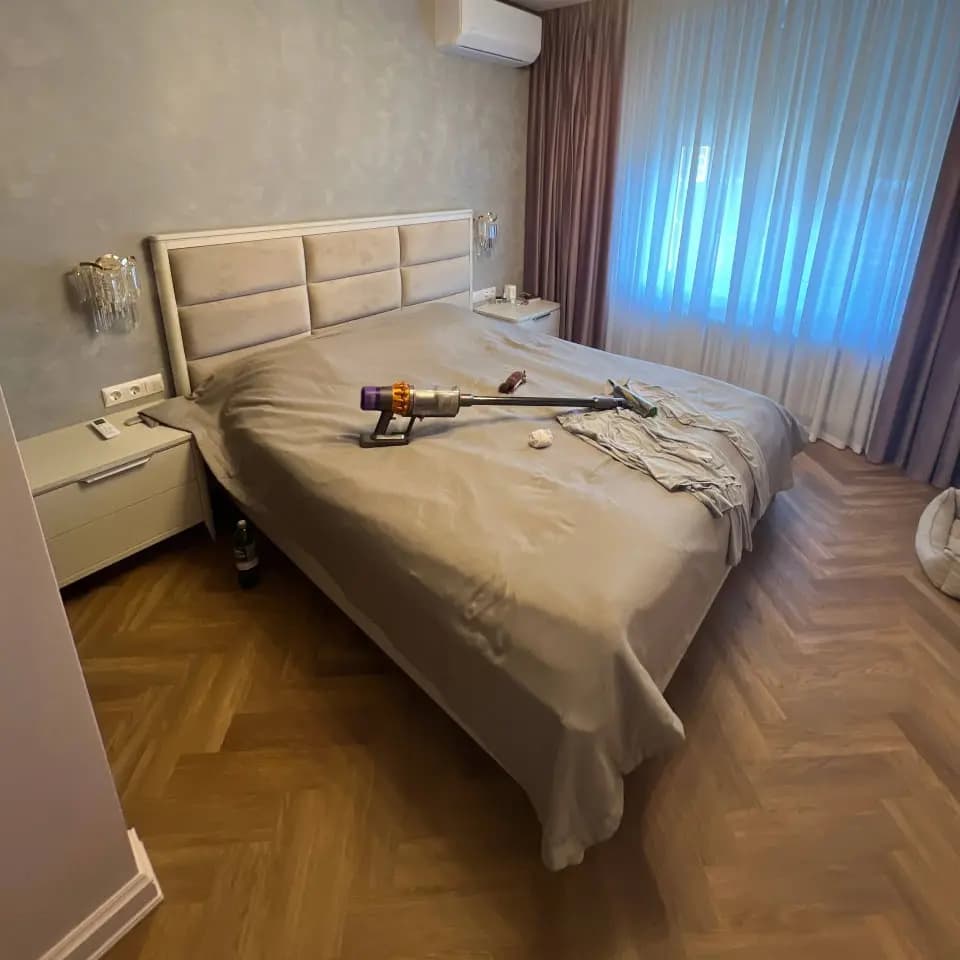
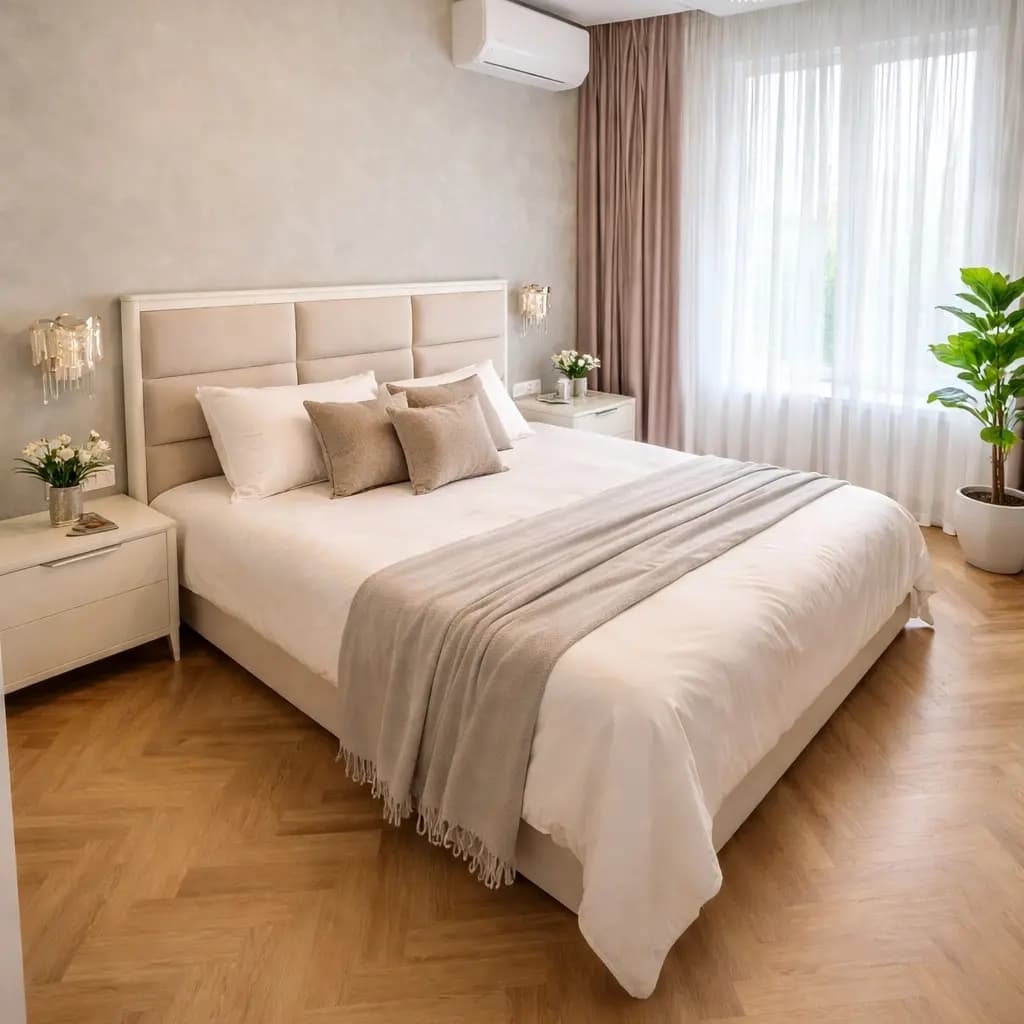
Traditional Kids' Bedroom Virtual Staging FAQ
Does traditional staging limit the buyer pool for a kids room?
It can in markets dominated by younger tech-driven buyers, but in many established neighborhoods traditional actively expands appeal. Buyers who chose those neighborhoods often did so because they value continuity, school stability, and a sense of place. A traditional kids room signals that the home participates in those values rather than fighting them. The key is whether the staging reads as confident traditional or as costume traditional. Confident traditional uses architectural detail and quiet textiles; costume traditional piles on doll-house cliches and feels staged for a children's bookstore window rather than a real family.
What ages does traditional staging suggest?
Traditional photography for kids rooms can flex across ages more easily than modern, partly because the vocabulary itself spans decades of children's furniture. A painted spool bed reads correctly for a child between roughly five and twelve, while a sleigh bed in a slightly larger size can stretch toward a young teen. Avoid cribs, which signal a specific stage, and skip teen-coded items like makeup vanities or full-size desks with monitors. The goal is a flexible target of a child between school age and middle school, which covers the largest segment of traditional buyers.
Should the wall color be pastel in traditional kids staging?
A chalky pastel or warm cream tends to photograph best because it gives the pattern textiles room to read clearly. Soft buttery yellow, dusty blue, pale sage, and warm cream are all reliable choices. Saturated walls like deep navy or hunter green can work for older traditional rooms where the architecture supports a heavier palette, but most listing agents see broader appeal with softer wall colors. If the existing walls are already saturated, the staging can incorporate them with quieter textiles, but a builder-white starting point should usually shift to a soft pastel for the staged photo.
How do I keep traditional from photographing as dated?
Restraint and specificity. Choose one or two strong traditional moves, like a four-poster bed and a hand-knotted rug, then keep the rest of the room quieter than your instinct says. Avoid wallpaper covered in busy patterns, oversized canopy beds with heavy drapes, and matched furniture suites that read catalog. Mix one or two pieces that feel slightly fresher, like a clean-lined dresser in painted finish or a simple linen Roman shade, alongside the more traditional anchors. The mix of confident classic with quiet update is what keeps the photograph current.
Can AgentLens recreate architectural detail like wainscoting in a kids room?
Yes, the system can suggest applied molding, board-and-batten, picture-frame paneling, and similar millwork in the staged photo when the room would benefit. The detail reads as part of the staged design rather than as a renovation promise, but it gives buyers a sense of how the room could look with thoughtful millwork. For listing agents working with builder-grade boxes that have no architectural character, this is one of the strongest moves available because it transforms the perceived register of the room without changing the actual ceiling height or window placement.
Learn More
Helpful guides related to Traditional kids' bedroom virtual staging.