

Quick Answer
Raleigh moves faster than most agents transferring in from older Northeast or Midwest markets expect. Buyers here are largely Research Triangle relocators, North Hills move-up families, and out-of-state remote workers who decided North Carolina checked enough boxes during the post-pandemic move years. Each group reads listing photos through a different lens. The remote worker cares about a real office, fiber connectivity implied by the workspace render, and outdoor square footage. The Triangle relocator wants school district legibility and primary suite quality. The North Hills move-up family wants hosting space and a backyard that actually supports kids. Inside the city limits the inventory ranges from Five Points prewar bungalows and Cameron Village classic homes through Downtown new-construction townhomes and the steady stream of Cary tract builds in the suburban ring. Vacant rooms cost showings here even more than in slower markets because the inventory turns quickly and buyers shortlist aggressively from a phone. Virtual staging works because it gives a listing agent the ability to render furniture matched to the architectural reference and the buyer persona within hours, ship the listing live the same week, and revise once if the early click-through pattern points to a different staging recipe than the agent first picked.
Key Takeaways
- 1Raleigh median home price: $415,000
- 2Average days on market: 35
- 3Virtual staging costs $0.10/photo vs $2,000-$5,000 for physical staging
- 4Staged homes sell 30-50% faster according to NAR
Home Staging in Raleigh
Virtual & Physical
The Research Triangle's tech and academic community creates a sophisticated buyer pool. Raleigh's strong job growth attracts relocating buyers who discover homes online. Professional staging — especially virtual — helps properties make a strong digital first impression.
Raleigh Market Snapshot
The Raleigh real estate market has a median home price of $415,000 with homes averaging 35 days on market. In this competitive environment, staged homes sell faster and for more money. Virtual staging from $0.10 per image gives Raleigh agents the edge.
Raleigh Real Estate Market Stats
Why Stage Your Home in Raleigh?
With a median home price of $415,000, Raleigh homeowners have significant equity at stake. Staging your home can add 1-5% to the sale price — that's potentially thousands of dollars more at closing. In a market averaging 35 days on market, staging helps your listing sell faster and stand out from the competition.
Virtual Staging vs Physical Staging in Raleigh
Physical Staging in Raleigh
- Cost: $2,000-$5,000+
- Timeline: 1-2 weeks
- Real furniture for showings and open houses
- Monthly rental fees ($500-$1,500/month)
Virtual Staging
Recommended- Cost: $0.10 per image
- Timeline: Under 60 seconds
- Unlimited styles — try modern, coastal, luxury, and more
- No monthly fees — pay per image, cancel anytime
Top Neighborhoods in Raleigh
Home staging is especially impactful in Raleigh's most competitive neighborhoods.
How Virtual Staging Works
1. Upload Photo
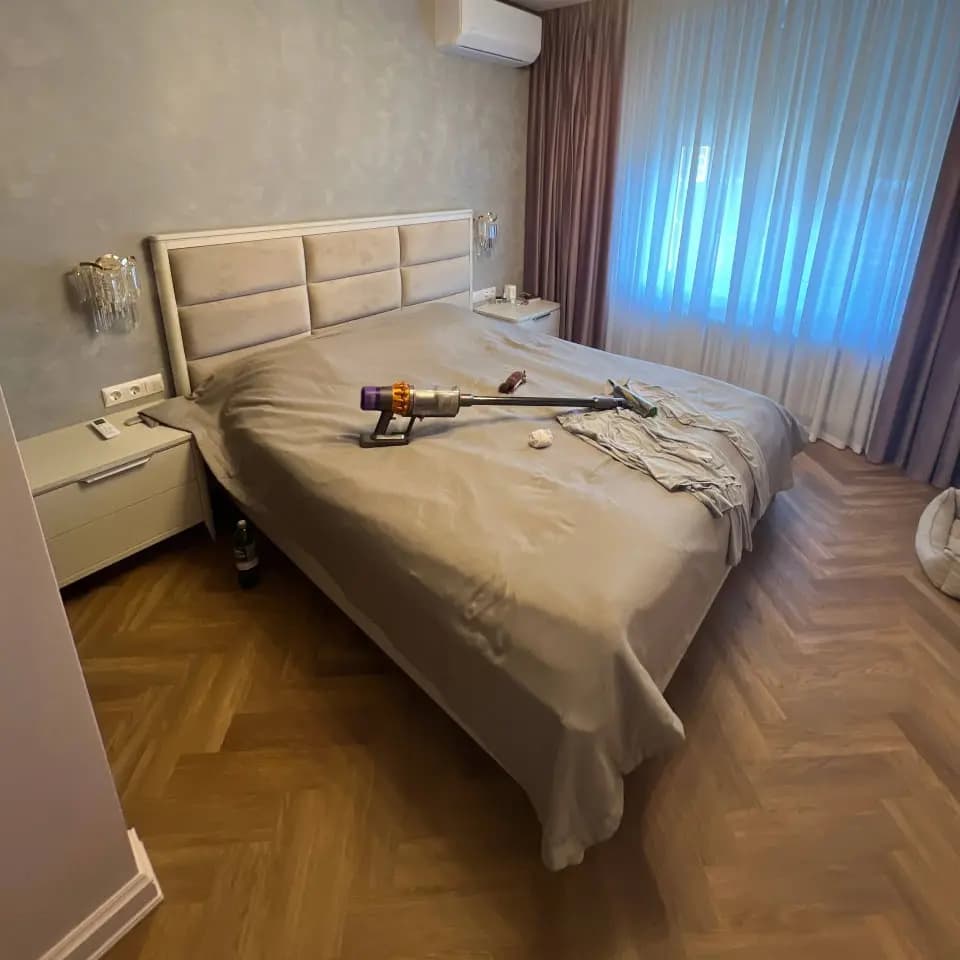
Upload an empty room photo from your Raleigh listing directly in your browser.
2. AI Stages It
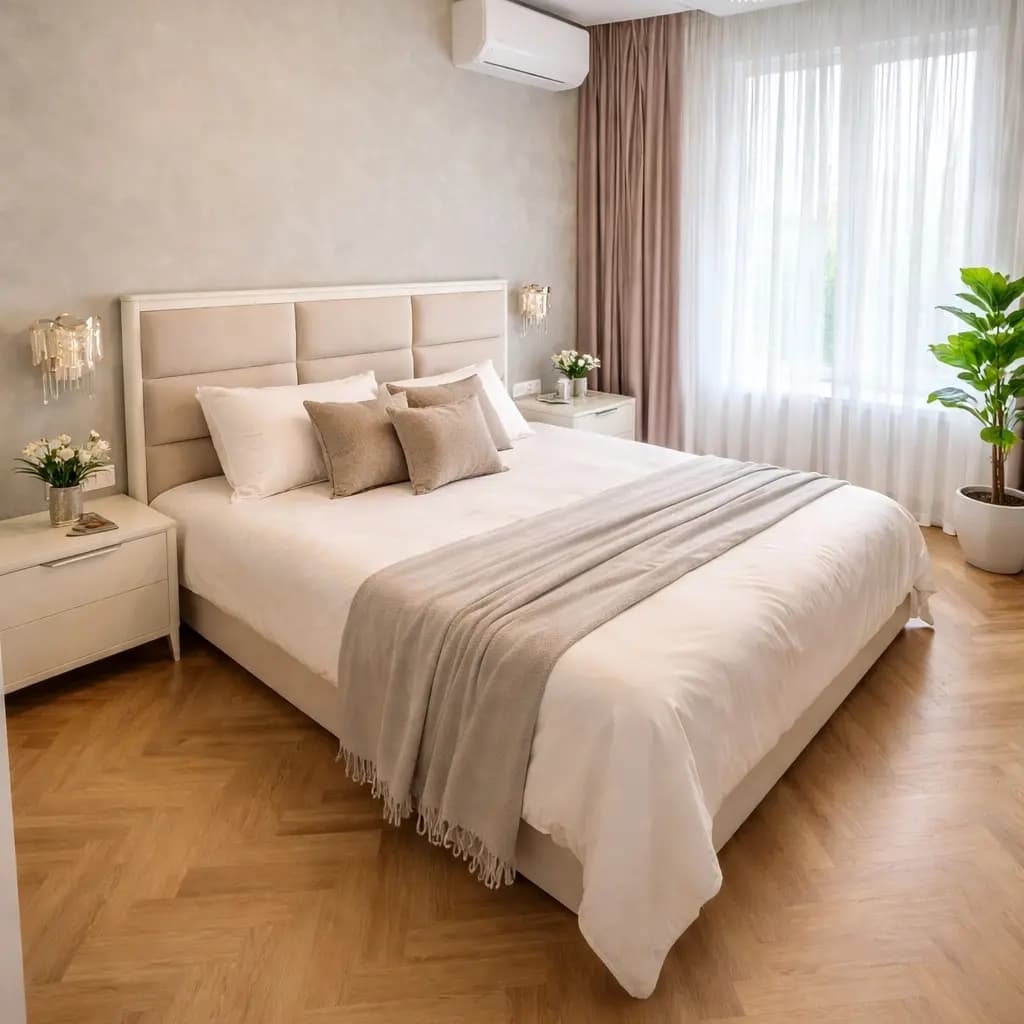
Choose from 11 design styles. Our AI adds realistic furniture and decor in under 60 seconds.
3. Download & List
Download high-resolution staged photos ready for MLS, Zillow, Realtor.com, and social media.
Virtual Staging in Raleigh
### Inside-the-Beltline versus the suburban ring
The biggest staging mistake in Raleigh is running a single furniture package across both the historic neighborhoods inside the Beltline and the newer suburban tracts outside it. A Hayes Barton or Five Points traditional with original hardwood floors, real brick fireplace, and substantial trim work needs era-appropriate staging: a tailored upholstered sofa around eighty-four to ninety inches, leather club chairs, a hand-knotted rug with subdued pattern, and art that respects the room's existing proportions. A Cary or Apex new build a few years old in a master-planned community needs the opposite. The architecture itself is generic, so staging is doing the work of giving the home a specific identity. Render furniture that signals a particular family lifestyle, a clean dining setup that hosts six to eight, and a primary suite that reads as a retreat rather than a hotel room. AI virtual staging earns its place here because the same listing agent might handle a Five Points bungalow, a North Hills townhome, and a Cary new build in the same week, and a physical stager cannot keep up with that range.
### Outdoor staging is a price driver, not an afterthought
The second discipline is treating screened porches, decks, and patios as primary rooms rather than supplementary outdoor space. Raleigh's climate produces eight to nine months of usable outdoor weather, and Triangle buyers know it. A vacant screened porch in a Five Points bungalow or a bare back deck in a Cameron Village home tells the buyer the previous owner didn't use the space, which the buyer reads as a negative signal even though they can't articulate why. Render comfortable outdoor seating, a small dining table for four to six, a few large planters with appropriate Southern flora, and warm string lighting. Use one of those shots in the first eight photos rather than burying it later in the set. Twilight renders work especially well for homes with a pool or pond view, and a substantial share of North Hills and inside-the-Beltline listings benefit from a dusk shot of the rear elevation with interior lamps lit. The home office render is equally important. A meaningful share of Raleigh's buyer pool works remote or hybrid for Research Triangle employers, and a staged office reads as a functional answer to the question of where the buyer's workday happens. A vacant bonus room or den simply leaves that question unanswered, and vacant rooms in this competitive market consistently produce fewer showings than thoughtfully staged ones.
Home Staging Tips for Raleigh
Render the screened porch as a real room
Triangle buyers expect outdoor space to be furnished and usable. Render comfortable seating, a small dining setup, planters, and warm string lighting on any Raleigh screened porch or back deck. An empty porch in this market reads as wasted square footage and reliably underperforms staged comps on saved-listing rate.
Stage a real home office
Most Raleigh buyers either work remote or expect a household member to. Render a real desk, a chair, and a small bookshelf in any bonus room, den, or finished basement. The listing photographs as work-from-home ready rather than awaiting the buyer's imagination, and the showing-to-offer ratio reflects it.
Match furniture to inside-the-Beltline architecture
Five Points, Hayes Barton, and Cameron Village historic homes want tailored, era-appropriate furniture. A traditional sofa, leather club chairs, hand-knotted rugs, and art respecting the original trim. Modern sectionals in these rooms read as a flip and reduce buyer confidence.
Differentiate Cary new builds with staging
Master-planned community homes share floor plans and finishes within the same neighborhood. Staging is doing the differentiation work. Render furniture and palette that signal a specific buyer lifestyle rather than generic family-friendly, and the listing earns the click that the next-door comp does not.
Twilight-render rear elevations on premium listings
Inside-the-Beltline homes priced above their submarket median earn measurable saved-listing lift from a dusk shot of the back elevation with interior lamps lit. Use it as photo two or three rather than burying it deep in the set, where it loses most of its impact.
More Raleigh Resources
Stage Your Raleigh Listing Today
Transform empty rooms into stunning staged photos. Starting from $0.10 per image.
Raleigh Home Staging FAQ
How much does home staging cost in Raleigh?
Physical home staging in Raleigh costs $2,000-$5,000 for a standard home, with luxury properties in areas like Downtown or North Hills costing $5,000-$15,000. Virtual staging with Agent Lens is just $0.10 per image — ideal for Raleigh's competitive market where professional photos are essential.
Is home staging worth it in Raleigh's market?
Absolutely. With a median home price of $415,000 and homes spending an average of 35 days on market, staged homes in Raleigh sell 30-50% faster. At $415,000, even a 1% price increase from staging means thousands more at closing.
How does virtual staging work for Raleigh listings?
Virtual staging uses AI to add realistic furniture and decor to photos of empty rooms. Upload your Raleigh listing photos, choose a style (modern, coastal, farmhouse, etc.), and receive professionally staged images in under 60 seconds. Perfect for MLS listings and online marketing.
What staging styles are popular in Raleigh?
Raleigh buyers respond well to modern, contemporary, and transitional staging styles. In neighborhoods like Downtown and North Hills, luxury and coastal styles also perform strongly. Virtual staging lets you try multiple styles to see what resonates with Raleigh buyers.
Should I stage my Raleigh home before listing?
Yes. In Raleigh's market (median price $415,000, avg 35 days on market), staged homes consistently outperform non-staged listings. With 97% of buyers starting online, professional listing photos are your first showing. Virtual staging delivers professional results for $0.10/image.