

Luxury Basement
Virtual Staging
Transform your basement with luxury virtual staging. Professional AI-powered results in 60 seconds.
Quick Answer
Luxury basement staging is where I see the most expensive mistakes in this industry. Sellers and even some agents conflate luxury with abundance, filling a basement with marble, chandeliers, and ornate furniture until the room looks like a rejected hotel lobby rather than a private residence. Real luxury basements signal restraint, material quality, and confidence in proportion. After fifteen years staging properties from Greenwich tudors to West Hollywood post-and-beam homes, I have refined a luxury basement formula that works across architectural traditions: large-format natural stone or wide-plank rift-sawn oak floors, custom millwork in matte lacquer or rift-cut walnut, a single sculptural seating arrangement in performance velvet or full-grain leather, layered architectural lighting, and one art piece scaled to the longest wall. That is the entire program. The pieces are fewer than a standard staging plan but each costs and reads more. AgentLens generates these compositions with material specificity that matters at this price point, rendering walnut grain, brass patina, and stone veining at a fidelity that distinguishes a luxury basement from a builder-grade finished one. Buyers in this segment recognize the difference instantly, and the photograph either earns the showing or sends them to the next listing without a second glance.
Key Takeaways
- 1Luxury style features: High-end finishes, designer furniture, upscale
- 2Virtual staging costs just $0.10 per photo
- 3Results delivered in approximately 60 seconds
- 4Staged homes sell 30-50% faster (NAR)
Staging Insight
Luxury basements vary dramatically by region, and staging that ignores this looks generic. In Greenwich and Westchester, basements often have stone foundations and lower ceilings under seven feet, so I stage with leather Chesterfield-inspired sectionals in espresso, a custom millwork bar in rift-cut walnut, and a Persian-style hand-knotted rug in faded indigo and rust. In West Hollywood and Beverly Hills hillside homes, basements function as media and wellness floors with ten-foot ceilings, where I specify travertine floors, a long performance-velvet sectional in deep olive, and a Lindsey Adelman-style fixture in blackened brass. In Houston's River Oaks and Memorial, basements are rare, but lower walkout levels in newer construction respond to limestone floors, oak custom built-ins, and a pair of Christian Liaigre-style lounge chairs in oxblood leather. In Chicago's Lincoln Park and Gold Coast greystones, basements often have original brick walls, where I add white-oak millwork, a bouclé sectional in cream, and a single hand-blown glass pendant. The regional architecture sets the ceiling for what luxury can credibly claim in that listing.
Quick Answer
Luxury basement virtual staging uses AI to add high-end finishes, designer furniture, upscale to empty room photos. Costs as low as $0.10 per image vs $2,000-5,000 for physical staging. Results delivered in under 60 seconds.
Key Takeaways
- 1Luxury style features: High-end finishes, designer furniture, upscale
- 2Perfect for basement spaces that need professional appeal
- 3AI processing delivers results in under 60 seconds
- 420,000x more affordable than traditional physical staging
How much does luxury basement virtual staging cost?
Luxury basement virtual staging costs as low as $0.10 per image with Agent Lens. This is up to 20,000x cheaper than physical staging which costs $2,000-5,000 for an entire home. Our AI delivers professional high-end finishes, designer furniture, upscale staging in under 60 seconds.
About Luxury Style
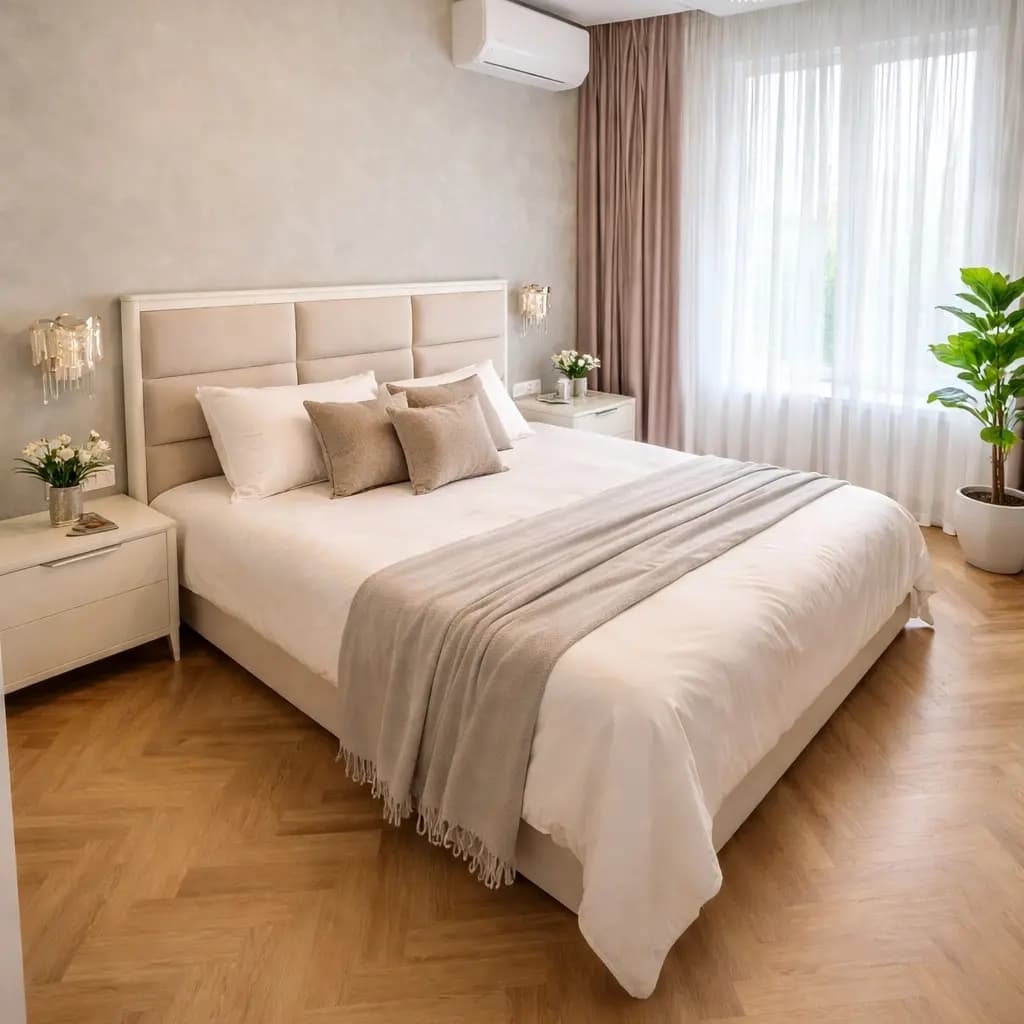
Luxury staging positions properties at the highest tier of the market, featuring premium materials, designer furniture, and meticulous attention to detail. Marble surfaces, silk textiles, crystal lighting fixtures, and custom millwork create an atmosphere of opulent living. This style incorporates current luxury trends while maintaining timeless elegance. Essential for high-value listings where buyers expect aspirational presentation and white-glove service throughout their home-buying experience.. This style is perfect for basement spaces looking to attract buyers with a contemporary, refined aesthetic. Virtual staging allows you to showcase this design without the cost or logistics of physical furniture.
Luxury Design for Your Basement
### Material Specification at the Luxury Tier
The difference between luxury staging and aspirational staging is material specificity. At the luxury tier, every surface has a name and an origin. Floors are wide-plank rift-sawn white oak in a custom matte oil finish, large-format honed limestone, or book-matched travertine. Wall millwork is rift-cut walnut, custom matte lacquer in a deep ink or oxblood, or full-height linen-textured wallcovering. Ceiling treatment matters here in a way it does not at lower tiers, with coffered detailing in finished basements or simply a deep flat-painted ceiling in a saturated tone like Farrow and Ball Railings or Benjamin Moore Hale Navy. Upholstery is full-grain Italian leather, performance mohair velvet, or boucle from a recognized European mill. Hardware is solid unlacquered brass, blackened bronze, or hand-forged iron, never plated. The cumulative effect is a room that photographs with depth and weight rather than the flat sheen of imitation finishes. AgentLens renders this material hierarchy convincingly, but only if the agent specifies the luxury preset rather than a generic upgrade tier. The platform distinguishes between aspirational and authentic luxury renders.
### Lighting, Art, and the Single Statement Object
Luxury basement lighting is layered architecturally rather than decoratively. I specify recessed cans on dimmers as ambient, a single sculptural pendant or chandelier as the focal element, sconces flanking key millwork or art, and one or two table lamps for warm pools at seating height. The fixtures should reference recognized designers: Apparatus, Lindsey Adelman, Allied Maker, Roll and Hill. These names matter because luxury buyers and their designers recognize them, and the listing photograph signals quality through the silhouette of the fixture itself. Art is the final luxury cue. One large-format piece, scaled to occupy roughly two-thirds of the longest wall, anchors the entire composition. I specify abstract works in muted earth tones, large-scale photography, or a single textile-based piece. Avoid hanging multiple smaller works in a luxury basement, which fragments the visual weight and reads as decorator rather than collector. The single statement object, whether art or a sculptural floor lamp or a hand-thrown ceramic vessel on a console, is what tells the buyer this room was assembled with intention. That intention is what justifies the price the seller is asking.
Luxury Basement Staging Benefits
Why Virtual Staging Works for Basements
Luxury Basement Staging Tips
Specify rift-sawn or quarter-sawn wood throughout
Plain-sawn wood reads as builder-grade in luxury photography. Rift-sawn or quarter-sawn white oak, walnut, or ash shows the linear grain that distinguishes custom millwork from production cabinetry. This single specification raises the perceived quality of every wood surface in the basement and is worth the upgrade in every render.
Choose one statement light fixture
A sculptural pendant or chandelier from a recognized designer line establishes the luxury tier instantly. Skip the temptation to add multiple decorative fixtures. One Apparatus, Lindsey Adelman, or Allied Maker piece does more for the photograph than three lesser fixtures combined and signals authentic collection rather than catalogue selection.
Use solid unlacquered brass or bronze hardware
Plated finishes photograph thin and date quickly. Solid unlacquered brass develops patina over time, and even a fresh installation reads with depth that plated alternatives lack. Specify this for cabinet pulls, sconces, faucets, and any visible metal. The cost difference is real, but at the luxury tier the difference is visible in every photograph.
Anchor the longest wall with one large artwork
A single piece occupying two-thirds of the longest wall creates the focal point a luxury basement needs. Multiple smaller works fragment the composition and read as transitional. Choose abstract earth tones, large-scale photography, or a textile-based piece. Scale matters more than subject in this application.
Saturate the ceiling in a deep tone
Pure white ceilings flatten luxury basements. A saturated paint like Farrow and Ball Railings or Benjamin Moore Hale Navy on the ceiling adds depth and signals architectural confidence. The dark ceiling actually makes the room feel taller in photographs because it pulls the eye upward rather than letting it stop at the standard white plane.
Stage Your Basement in Luxury Style Today
Get professional luxury virtual staging in 60 seconds
Luxury Basement Virtual Staging FAQ
How does luxury basement staging differ from upper-floor luxury staging?
Luxury basements emphasize material weight and lighting layers more than upper floors because the rooms have less natural daylight to do compositional work. Upper-floor luxury can rely partly on architectural windows and views, while basements must create their atmosphere entirely through finishes, lighting, and proportions. The furniture is often slightly larger in scale to accommodate higher-end ceilings in newer luxury construction, and the color palette runs deeper and warmer than equivalent upstairs spaces.
Will luxury staging work for a basement under 1,000 square feet?
Yes, and it often photographs better than larger luxury basements because the constraint forces editing. A small luxury basement should contain one tightly composed seating zone, one custom built-in feature like a wet bar or library wall, and nothing else. The temptation to add a second function, like a media zone plus a billiards area, dilutes the luxury read. Pick one purpose and execute it at the highest material tier.
Should I include a wine cellar or bar in a luxury basement render?
Only if the existing architecture supports it credibly. A glass-fronted wine room with rift-cut walnut racking reads luxury when the basement has the height and proportions to accommodate it. Squeezing a wine display into an awkward corner reads as overreach. AgentLens can render either configuration, but the underlying space should already suggest the function rather than fighting against it. When in doubt, default to a custom millwork bar over a wine room.
How does luxury compare to traditional staging for high-end basements?
Traditional staging at the luxury tier leans heavily on tufted upholstery, ornate millwork, and historicist references that can feel dated to current luxury buyers. Modern luxury, which is what most contemporary luxury buyers respond to, uses cleaner lines and material restraint while keeping the high-end specifications for wood, stone, leather, and hardware. For most listings, modern luxury photographs more strongly. Reserve traditional for properties with genuine historical architecture that justifies the period vocabulary.
How quickly does AgentLens generate a luxury basement render?
Generation runs in roughly thirty to sixty seconds per image, the same as other style tiers. The platform applies material rendering at a higher fidelity for the luxury preset, which preserves wood grain, leather creasing, and stone veining at a level that survives MLS thumbnails. Agents can generate multiple variations to compare different millwork tones, upholstery colors, or lighting fixtures before committing to a final image set for the listing presentation.
Learn More
Helpful guides related to Luxury basement virtual staging.