

Quick Answer
Real-estate photography in Honolulu operates under conditions most mainland photographers underestimate on their first booking. The sun crosses near-zenith for much of the year, ocean reflectance off Mamala Bay pumps stray light into Ala Moana and Kakaako tower interiors all afternoon, and tradewinds from the northeast keep tripods unstable on lanai shots above 10 floors. Listings split into three distinct visual products: high-rise condominiums in Waikiki, Ala Moana, and Kakaako; single-family homes in Kahala, Manoa, and Kailua across the Pali; and plantation-era cottages in Kaimuki and Mo'ili'ili that sell on character rather than view. Each product requires different scheduling logic. Tower units photograph best at the 25-minute civil twilight window when interior lamps balance with the residual blue over Diamond Head. Kahala and Manoa houses do better with mid-morning shoots when the Ko'olau range catches direct light without backlighting the home. Kailua and Lanikai homes need an early start before the afternoon onshore breeze kicks sand into the air. Buyers reviewing Honolulu listings include mainland relocators, returning kama'aina, and Pacific Rim investors, and all three groups make first-cut decisions from the lead photo and a 30-second walkthrough video.
Local Photography Insight
Each Honolulu submarket photographs differently. Waikiki and Ala Moana high-rises lead with view: Diamond Head from east-facing units, the Ko'olau range from mauka-facing units, and Mamala Bay sunset from west-facing penthouses. Glass railings on lanais reflect interior lights at twilight, so photographers shoot from inside the unit with the slider open rather than from the lanai itself. Kakaako new-construction towers, including the Ward Village blocks, feature white oak flooring and concrete ceiling treatments that read as gray-blue under default white balance; warm correction toward 5400K restores the intended designer palette. Kahala oceanfront homes show best with the pool, lanai, and ocean as one continuous frame, often requiring a 14mm rectilinear lens. Manoa Valley homes deal with frequent rainbow showers and shifting overcast; flexible day-of scheduling matters more than calendar booking. Kailua and Lanikai single-family listings feature shoji screens, bamboo flooring, and indoor-outdoor flow through full-wall sliders, all of which photograph richer in slightly underexposed RAW frames. Plantation cottages in Kaimuki and Palolo lean on detail captures of original single-wall construction, board-and-batten walls, and tongue-and-groove fir floors.
Real Estate Photography
in Honolulu
Everything Honolulu agents need to know about professional listing photography — types, costs, tips, and how virtual staging completes the package.
Why Professional Photography Matters in Honolulu
In Honolulu's market, where the median home price is $720,000, first impressions happen online. Professional real estate photography is no longer optional — it is the single most impactful marketing investment an agent can make.
Sell 32% Faster
Listings with professional photography sell 32% faster than those with amateur or smartphone photos. In a market like Honolulu, that can mean weeks less on market.
118% More Online Views
Professionally photographed homes receive 118% more views on portals like Zillow, Realtor.com, and Redfin — critical in a market with $720,000 median prices.
Honolulu Real Estate Market & Photography Trends
Photography across Honolulu divides into tower work and ground-level work, and the technical demands of each differ substantially.
### High-Rise Towers in Waikiki, Ala Moana, and Kakaako
Condo work in Honolulu is view-driven. Units in the Ritz-Carlton Residences, Park Lane Ala Moana, Anaha, Waiea, Aalii, and the older Hokua and Hawaiki Tower require twilight scheduling for the cover frame. The reliable window runs from 18 to 35 minutes after local sunset, depending on cloud cover over the Wai'anae range. Interior lamps go on for the bracketed sequence, typically five frames between minus two and plus two stops, with a sixth frame at minus four stops to recover any sun glow still visible behind Diamond Head or the Ko'olaus. Glass lanai railings throw reflections that ruin compositions if the photographer stands on the lanai, so most professionals shoot from inside the unit with the slider fully open and a polarizer rotated to cut the remaining glass reflection. White balance settles around 5400K to keep white oak flooring warm rather than blue. Drone aerials over Kakaako and Ala Moana require LAANC authorization given proximity to Daniel K. Inouye International Airport, plus state DLNR rules for any flight near shoreline conservation zones.
### Single-Family Homes in Kahala, Manoa, Kailua, and Kaimuki
Ground-level work shifts the technical priorities. Kahala oceanfront homes, particularly along Kahala Avenue and Aukai Avenue, photograph best with a 14 to 17mm rectilinear lens that captures pool, covered lanai, and Pacific horizon as a single composition. Manoa Valley and St. Louis Heights houses contend with rapid weather shifts; photographers schedule three-hour windows rather than fixed slots and accept that ten percent of bookings reschedule for rain. Kailua and Lanikai homes feature open-plan layouts with shoji screens, bamboo or koa flooring, and lanai pocket doors that disappear into walls; these photograph as continuous interior-to-garden compositions and benefit from morning light that rakes across the floors. Plantation-era homes in Kaimuki, Mo'ili'ili, and Palolo sell on character rather than scale: photographers add detail captures of original single-wall plantation construction, monkeypod beams, and mango or avocado trees in side yards. Final delivery should include vertical 4:5 frames for Instagram and Zillow mobile, plus 16:9 horizontal for MLS hero placement.
Types of Real Estate Photography in Honolulu
Interior HDR
Wide-angle, exposure-blended shots of every room. The foundation of any listing photo package.
Exterior / Curb Appeal
Front elevation, backyard, landscaping, and street-level shots that create strong first impressions.
Aerial / Drone
Bird's-eye views showcasing lot size, roof condition, and proximity to amenities in Honolulu.
Twilight Photography
Golden-hour or dusk shots that make homes glow. Popular for luxury listings in neighborhoods like Kailua.
Virtual Tour / Video
360-degree tours and cinematic walkthroughs let remote buyers explore properties before visiting.
Virtual Staging
AI-powered staging adds furniture to empty rooms for $0.10/image — the perfect add-on after photography.
Average Real Estate Photography Costs in Honolulu
Pricing varies by property size, number of shots, and add-ons. Here is what Honolulu agents typically pay in 2026.
| Service | Typical Cost | Includes |
|---|---|---|
| Basic Package | $200-$500 | 25-35 HDR interior & exterior photos |
| Premium Package | $350-$700 | 40+ photos, twilight shots, aerial |
| Drone Add-On | $100-$250 | 5-10 aerial shots, FAA-licensed pilot |
| Twilight Add-On | $100-$200 | 3-5 golden-hour exterior shots |
| 3D Virtual Tour | $150-$400 | Matterport or equivalent 360 walkthrough |
| Virtual Staging | $0.10/image | AI-furnished rooms, unlimited styles, 60-second delivery |
Virtual Staging: The Perfect Complement
After your Honolulu photographer delivers stunning HDR photos, virtual staging transforms empty rooms into beautifully furnished spaces for just $0.10 per image. No furniture rental, no scheduling, no monthly fees. Upload your empty-room photos, choose from 11 design styles, and download MLS-ready staged images in under 60 seconds. It is the highest-ROI add-on to any photography package.
Top Neighborhoods for Photography in Honolulu
Professional photography is especially impactful in Honolulu's most competitive neighborhoods.
Photography Tips for Honolulu Properties
Book tower-unit twilight shoots for the 18-to-35-minute window
Book tower-unit twilight shoots for the 18-to-35-minute window after sunset; later than that, the residual blue over Diamond Head goes flat and interior lamps overpower the exterior balance.
Shoot lanai-view compositions from inside the unit with
Shoot lanai-view compositions from inside the unit with the slider open rather than stepping onto the lanai; glass railings throw reflections that polarizers cannot fully remove.
Carry a tripod weight bag for any shoot
Carry a tripod weight bag for any shoot above the 10th floor in Ala Moana, Kakaako, or Waikiki; tradewind gusts on lanais routinely destabilize unweighted carbon-fiber legs.
Schedule Manoa Valley and St.
Schedule Manoa Valley and St. Louis Heights houses with a flexible three-hour window rather than a fixed start time; rapid valley showers reroute roughly one in ten bookings.
Set white balance at 5400K for Kakaako new-construction
Set white balance at 5400K for Kakaako new-construction interiors with white oak flooring and concrete ceiling treatments; default auto white balance reads the palette as gray-blue.
DIY Photography Tips for Honolulu Agents
If you photograph listings yourself, these tips will dramatically improve your results.
Shoot During Golden Hour
Schedule exterior shots for early morning or late afternoon. In Honolulu, this light flatters architecture and landscaping beautifully.
Use a Wide-Angle Lens
A 10-22mm wide-angle lens makes rooms look spacious. Avoid fish-eye distortion by keeping the camera level and centered.
Declutter Every Room
Remove personal items, excess furniture, and countertop clutter before shooting. Clean spaces photograph significantly better.
Turn On All Lights
Open blinds, turn on every light, and replace dim bulbs. Bright, warm rooms are more inviting and photograph better.
Stage Digitally After
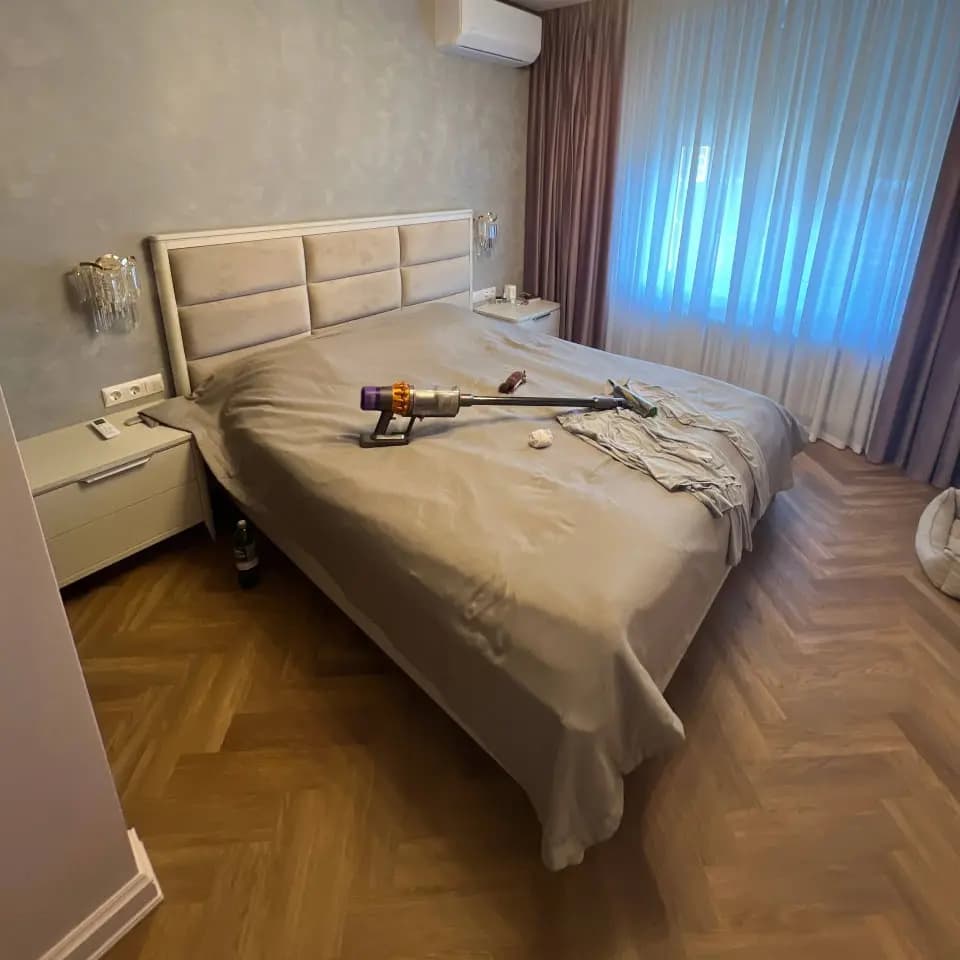
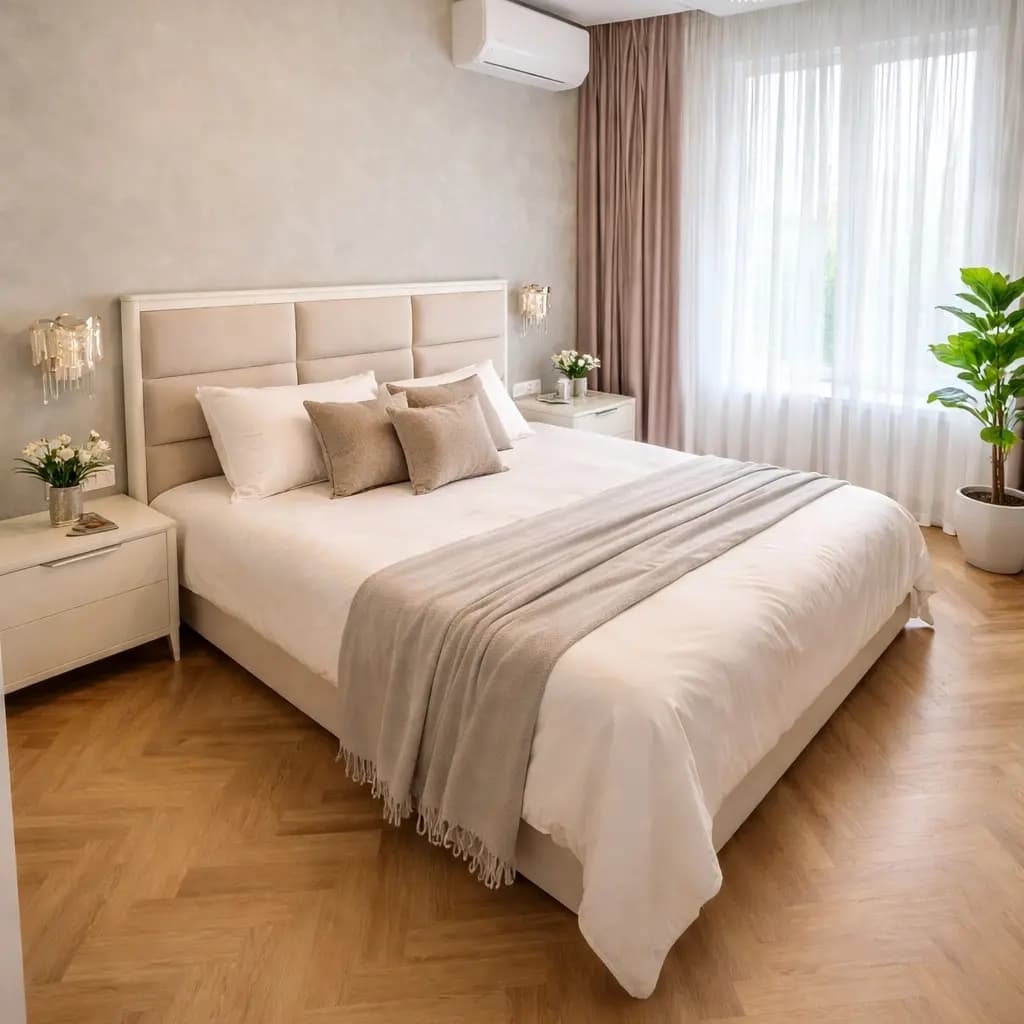
Empty rooms? Use virtual staging at $0.10/image to add furniture digitally. No scheduling, no furniture rental, MLS-ready in 60 seconds.
More Honolulu Resources
Complete Your Honolulu Listing Photos
Add virtual staging to your professional photos. Starting from $0.10 per image.
Honolulu Real Estate Photography FAQ
How much does real estate photography cost in Honolulu?
Professional real estate photography in Honolulu typically costs $200-$500 per session for a standard residential listing. Premium packages with drone, twilight, and virtual tour add-ons can run $500-$1,000+. Many Honolulu agents find that pairing professional photos with virtual staging at $0.10/image delivers the best ROI.
What types of real estate photography are available in Honolulu?
Honolulu photographers offer interior and exterior HDR photography, aerial/drone shots, twilight photography, 3D virtual tours, and video walkthroughs. The most popular package for Honolulu listings includes 25-40 HDR interior and exterior shots. Drone photography is especially effective for properties in neighborhoods like Kailua and Waikiki.
Should I use drone photography for my Honolulu listing?
Drone photography is highly recommended for Honolulu properties with notable exterior features, large lots, waterfront views, or desirable locations. Aerial shots showcase the property's proximity to amenities and provide neighborhood context. In Honolulu, drone add-ons typically cost $100-$250 on top of the base photography package.
Is professional photography worth it for Honolulu listings?
Absolutely. With a median home price of $720,000 in Honolulu, professional photography delivers exceptional ROI. Listings with professional photos sell 32% faster and receive 118% more online views. At $720,000, even a small percentage increase in sale price far exceeds the $200-$500 investment.
How does virtual staging work with real estate photography?
After your Honolulu photographer delivers the final images, you can enhance empty rooms with virtual staging. Upload any photo to Agent Lens, choose a design style, and receive a professionally staged image in under 60 seconds for just $0.10. It is the perfect complement to professional photography — no furniture rental needed.