

Tampa vs Orlando: Which city is better for real estate?
Tampa and Orlando look like neighbors on a Florida map and behave like cousins who grew up in different households. Tampa is a Gulf-facing city built around water, shipping, and a steady inflow of medical and finance relocators from Chicago and the Northeast. Orlando is an inland metro shaped by Central Florida tourism, the University of Central Florida, and a manufacturing corridor that pulls aerospace and simulation engineers into Lake Nona and Baldwin Park. After listing in both markets across more than a decade, I have learned that the same staging photo set, the same MLS remarks, and the same pricing posture rarely work in both at once. This guide is for agents who already understand listing fundamentals and want a side-by-side breakdown of buyer behavior, neighborhood character, architectural inventory, and the AI virtual staging choices that produce stronger online engagement. Tampa rewards a slightly more polished, urban-coastal aesthetic. Orlando rewards staging that signals family functionality, golf-course quiet, or proximity to the lifestyle-and-medical hub at Lake Nona. The notes below pull from current Zillow Research market reports, NAR profiles on staging and buyer preferences, and the day-to-day patterns I see in Hillsborough, Pinellas, Orange, and Seminole counties this listing season.
Tampa vs Orlando
Real Estate Market Comparison
Thinking about buying or selling property? Compare the Tampa, FL and Orlando, FL real estate markets side by side — from median prices and days on market to top neighborhoods and staging strategies.
Migration Insight
Tampa inventory clusters around a few distinct submarkets. South Tampa neighborhoods like Hyde Park and Davis Islands carry early-1900s bungalows alongside new infill builds in Mediterranean and modern coastal. Westchase and New Tampa lean suburban Mediterranean with stucco and barrel tile. St. Petersburg, technically Pinellas County, draws a separate buyer pool focused on Old Northeast craftsman bungalows and downtown high-rises facing the bay. Orlando spreads across more distinct lifestyle pockets. Winter Park favors traditional brick colonial and refined Mediterranean near Park Avenue. Baldwin Park is a planned community with consistent Florida vernacular and walkable retail. Lake Nona pulls medical professionals into modern transitional and contemporary homes near Medical City. College Park and Thornton Park provide bungalow charm closer to downtown. Tampa buyers weigh hurricane evacuation zones, especially after the 2024 storm season, and many seek elevation above eight feet. Orlando buyers weigh school zoning, theme-park proximity for the second-home segment, and HOA structures in newer master-planned communities. Stage, photograph, and write copy that respects which conversation each buyer is actually having on Realtor.com.
- South Tampa
- Hyde Park
- Seminole Heights
- Channelside
- Westchase
- Winter Park
- College Park
- Thornton Park
- Dr. Phillips
- Lake Nona
Tampa Bay's growing market attracts remote workers and retirees from the northeast. Coastal and contemporary staging styles appeal to these buyers seeking the Florida lifestyle. Virtual staging efficiently showcases Tampa's diverse housing stock from downtown condos to waterfront homes.
Orlando's family-friendly market and tourism economy create strong demand for staged, move-in-ready homes. Many buyers relocate for theme park employment or family lifestyle, making welcoming staged photos especially impactful for this market.
Market Dynamics: Tampa vs Orlando
### Buyer Composition and Listing Cadence
Tampa buyers split roughly into three groups: relocators from higher-cost northern cities chasing waterfront access, medical and finance professionals working downtown or at USF Health, and investors targeting short-term-rental-friendly pockets in Pinellas. Their listing expectations skew toward editorial photography, walkability narratives, and lifestyle staging that shows boats, paddleboards, and outdoor living. Orlando buyers fall into different camps: family relocators chasing Seminole County school ratings, Lake Nona medical professionals, second-home buyers targeting vacation-rental zones near Davenport and Kissimmee, and a growing remote-work cohort working from Audubon Park or Thornton Park. Their listing expectations focus on functional layout, garage capacity, energy efficiency, and HOA clarity. Cadence differs as well. Tampa often runs two strong selling waves, January through April and again September through November. Orlando carries a steadier hum year-round because tourism and corporate relocation never fully pause, though spring still brings the heaviest competing-offer traffic.
### Architecture, Staging Cues, and Photo Strategy
Tampa staging usually performs best with a coastal transitional palette: warm whites, soft greens, natural rattan, lightly aged brass, and sheer linen window treatments. For South Tampa bungalows, restore visual respect for the original wood floors and built-ins by staging with vintage-leaning pieces rather than ultra-modern chrome. For Westchase Mediterranean, lean into warm terra-cotta accents and wrought iron. For St. Petersburg high-rises, contemporary minimalism with a strong art moment works. Orlando staging splits more cleanly. Winter Park traditional homes want classic transitional with curated antiques. Baldwin Park calls for refined Florida vernacular: shiplap used sparingly, indigo and warm white, comfortable family-coded furniture. Lake Nona contemporaries want clean sightlines, light woods, and moments of black metal. College Park bungalows benefit from cottage-style staging that respects the original scale. Photo strategy matters in both markets, but Tampa rewards exterior hero shots emphasizing water access or oak canopy, while Orlando rewards a strong primary kitchen or great-room shot that signals family function. Use AI virtual staging to test palettes before committing to a shoot day, and align every staged room with the actual buyer pool that searches that ZIP code on Zillow.
Key Takeaways
Price difference: $25,000 (6%)
Orlando ($370,000) is $25,000 more affordable than Tampa ($395,000).
Speed difference: 3 days
Homes in Tampa sell in 43 days on average vs 46 days in Orlando.
More affordable: Orlando, FL
With a median price of $370,000, Orlando offers more entry-level options for first-time buyers and investors.
Faster market: Tampa, FL
At 43 days on market, Tampa moves faster. Sellers in this market benefit most from being listing-ready on day one — virtual staging delivers in under 60 seconds.
Stage Your Listing in Either Market
Transform empty rooms into stunning staged photos in 60 seconds. Starting at $0.10 per image.
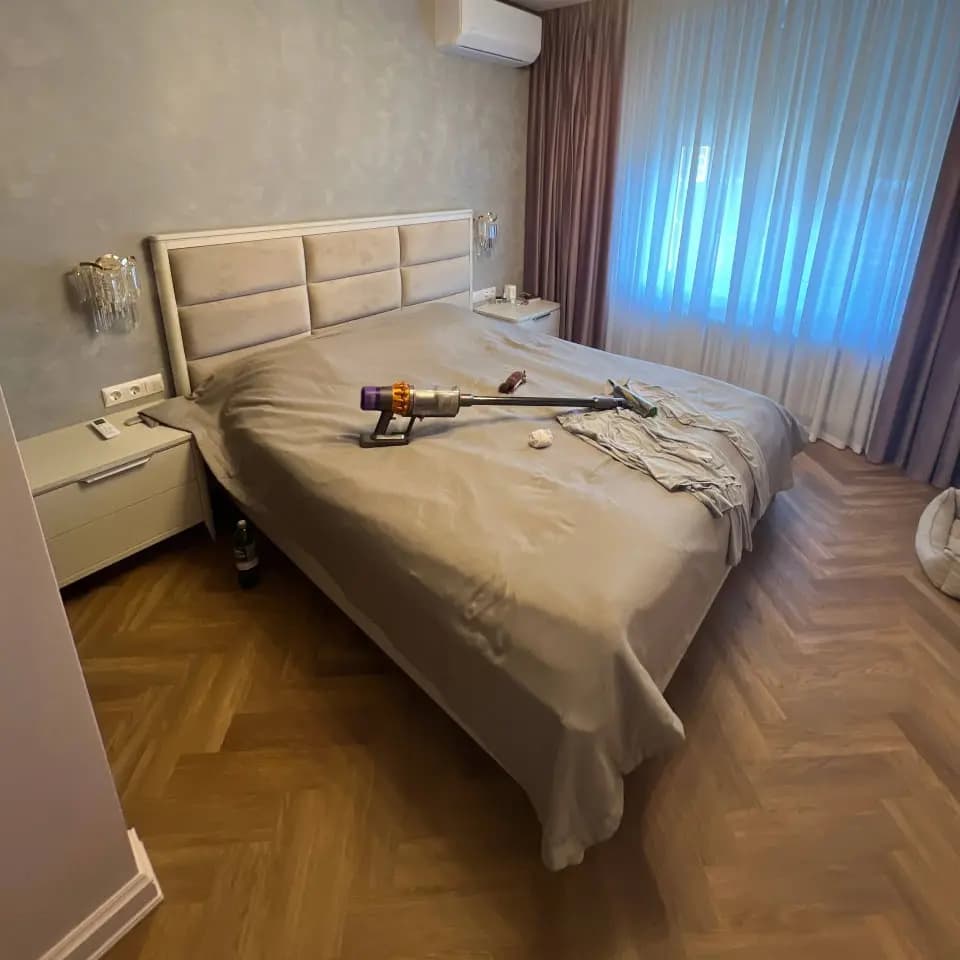
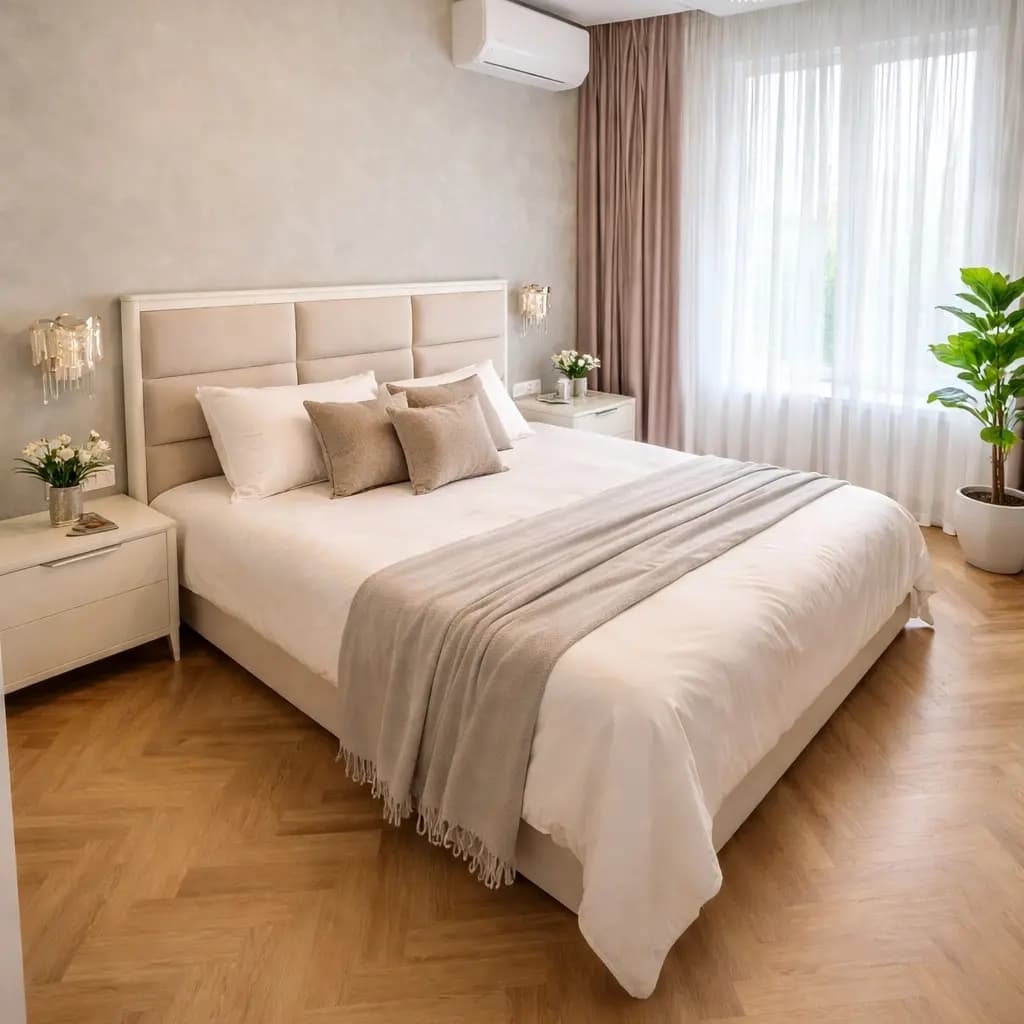
Deciding Between Tampa and Orlando
Pick Your Hero Shot by Market Logic
Tampa listings should lead with water access, oak canopy, or porch life. Orlando listings should lead with kitchen, great room, or lake-view backyard. The cover image controls click-through on Zillow more than any other single asset.
Stage to the Submarket, Not the City
Hyde Park bungalow buyers want different furniture than Westchase Mediterranean buyers, even though both are Tampa. The same logic applies to Winter Park versus Lake Nona. Treat each ZIP code as its own staging brief.
Use Virtual Staging for Builder Spec Inventory
Builder inventory in Lake Nona, Nocatee-adjacent communities, and outer Hillsborough often photographs cold and empty. AIStage lets you stage twenty rooms in a day so spec homes compete with finished resale listings on Realtor.com.
Disclose Hurricane and Flood Posture Early
Tampa buyers ask about evacuation zones and elevation. Orlando buyers ask about sinkhole history in some pockets. Putting this information into MLS remarks reduces buyer-agent friction and protects ratified contracts.
Tune Listing Copy to Local Vocabulary
Tampa copy can name South Howard, Bayshore Boulevard runs, and Davis Islands seaplane access. Orlando copy can name Park Avenue, Audubon Park Garden District, or Lake Nona Medical City. Specific names beat generic adjectives every time.
Tampa vs Orlando FAQ
Is Tampa or Orlando more affordable for homebuyers?
Orlando is more affordable with a median home price of $370,000 compared to Tampa's $395,000 — a difference of $25,000 (6%). However, affordability also depends on local incomes, property taxes, and cost of living. Both markets offer opportunities for buyers at different price points.
Which market is hotter, Tampa or Orlando?
Tampa is currently the faster-moving market with homes averaging 43 days on market, compared to 46 days in Orlando. A shorter time on market typically indicates stronger buyer demand and more competition. Agents in Tampa need to list quickly — virtual staging helps get listings photo-ready in minutes, not weeks.
Should I stage my home when selling in Tampa or Orlando?
Absolutely — staged homes sell faster and for more money in both markets. In Tampa (median $395,000), even a 1-2% price increase from staging can mean thousands more at closing. In Orlando (median $370,000), the same applies. Virtual staging with Agent Lens costs just $0.10 per image, making it a no-brainer for agents in either market.
How does virtual staging help in competitive markets like Tampa and Orlando?
Virtual staging transforms empty rooms into beautifully furnished spaces in under 60 seconds. In competitive markets, first impressions matter — 97% of buyers start their search online. Staged listing photos get more clicks, more showings, and higher offers. At $0.10 per image, virtual staging delivers professional results at a fraction of physical staging costs ($2,000-$5,000+).
Which market produces faster days on market for entry-level inventory?
Both Tampa and Orlando consistently move entry-level inventory in under a month during spring peak, according to Zillow Research market reports. Orlando frequently edges slightly faster on suburban entry-level homes because of consistent relocator demand and a deeper pool of remote-work buyers. Tampa moves faster on walkable urban inventory in South Tampa and St. Pete. Match listing pricing to neighborhood absorption, not the metro average.
Should I invest in physical staging or virtual staging for these markets?
For occupied listings in either market, light decluttering plus targeted virtual staging through AIStage usually produces the strongest cost-to-result ratio. For vacant listings above the luxury threshold in Tampa or Winter Park, physical staging still pays. For builder spec inventory and mid-priced vacancies, virtual staging closes the visual gap on Zillow and lets you launch faster without holding occupancy.
How does flood and storm risk reshape listing prep in Tampa versus Orlando?
Tampa carries meaningful coastal and bay exposure, especially in South Tampa, Davis Islands, and Pinellas waterfront. Buyers expect elevation certificates, wind mitigation reports, and recent insurance quotes in the listing package. Orlando is inland and mostly avoids storm surge, though some pockets carry sinkhole or flood-zone exposure. Verify FEMA mapping and disclose proactively in MLS remarks rather than waiting for inspection-period renegotiation.
Which neighborhoods are best for new agents to target?
In Tampa, agents often start in Seminole Heights, New Tampa, or Brandon, where price points are accessible and inventory turns reliably. In Orlando, agents often start in Conway, Hunters Creek, or East Orlando, where suburban relocator demand stays steady. Build five solid closings and a clean photo portfolio in those pockets before moving up into Hyde Park, Winter Park, or Lake Nona luxury, where competition for listings is sharper.
Do staging styles really differ between Tampa and Orlando?
They do, and ignoring the difference shows up in days on market. Tampa rewards coastal transitional with subtle nautical cues, especially in South Tampa and Pinellas. Orlando rewards a slightly warmer, more family-coded palette in Baldwin Park and Winter Park, and a cleaner contemporary palette in Lake Nona. RESA consumer insights consistently show buyers respond to staging that matches local architectural expectations rather than a generic neutral set.