

Seattle vs Salt Lake City: Which city is better for real estate?
Seattle and Salt Lake City pull from overlapping relocation pools but require visually distinct listing presentations. Seattle's Capitol Hill, Ballard, and Wallingford neighborhoods feature Craftsman bungalows, Tudor cottages, and Box Houses with original fir trim and leaded windows, while waterfront West Seattle and Madrona carry mid-century split-levels with sweeping Sound and Cascade views. Salt Lake City's Avenues, Sugar House, and 9th and 9th districts hold Victorian cottages, brick Tudors, and 1940s ramblers with mountain backdrops on every block. Same buyer category, different visual code. AgentLens virtual staging at aistage.pro adapts compositions to match each metro's architectural language and light conditions, giving listing agents photo sets that read as authentically local rather than generically staged. This comparison maps how Seattle's marine light, dense tree canopy, and craft-forward design culture create different staging requirements than Salt Lake's high-altitude sun, mountain views, and growing tech-relocation buyer pool. Agents working Puget Sound or Wasatch Front inventory will find specific guidance on furniture scale, color palettes, and architectural detail preservation that separates listings winning multiple offers from listings sitting through price cuts.
Seattle vs Salt Lake City
Real Estate Market Comparison
Thinking about buying or selling property? Compare the Seattle, WA and Salt Lake City, UT real estate markets side by side — from median prices and days on market to top neighborhoods and staging strategies.
Migration Insight
Seattle buyers in Capitol Hill, Phinney Ridge, and Madison Park reward staging that respects original Pacific Northwest craft traditions: visible Douglas fir floors, hand-thrown ceramic accents, wool textiles in deep forest and ochre tones, and furniture with visible joinery. Salt Lake's Avenues and Capitol Hill buyers respond to staging that acknowledges Victorian-era proportions while introducing contemporary livability: low-profile sofas that fit narrow parlor doorways, brass fixtures that warm cool morning light, and area rugs that protect rather than mask original parquet. Tech-relocation buyers heading to South Lake Union and Bellevue often want move-in-ready visual signals - kitchens that photograph as functional, primary suites that read as restful retreats. The same buyer pool heading to Cottonwood Heights or Draper for Silicon Slopes positions wants similar move-in-ready cues but in larger Wasatch foothill footprints. In Ballard and Fremont, virtual staging should preserve original built-in benches and breakfast nooks. In Sugar House and the Avenues, original fireplaces, picture rails, and stained glass should remain unobstructed in every staged photo.
- Capitol Hill
- Ballard
- Queen Anne
- Fremont
- West Seattle
- Sugar House
- The Avenues
- Liberty Park
- Park City
- Draper
Seattle's tech-fueled market features design-conscious buyers and fast-moving inventory. Homes sell in under a month, so agents need staging that's ready on day one. Virtual staging delivers in 60 seconds — perfect for Seattle's rapid-fire market pace.
Salt Lake City's booming tech scene and outdoor lifestyle attract young professionals and families. Modern and mountain contemporary styles appeal to buyers in this growing market. Virtual staging helps agents present the aspirational Utah lifestyle to relocating buyers.
Market Dynamics: Seattle vs Salt Lake City
### Marine Light Versus High-Altitude Sun
Seattle's marine layer creates soft, diffuse interior lighting averaging 152 sunny days annually, with most photography happening under overcast or partly cloudy conditions. Walls and ceilings read cool, with a slight blue-green cast from surrounding cedars and Douglas firs filtering window light. Virtual staging that succeeds in Seattle introduces warming counterweights: rust-toned wool throws, walnut and oiled oak furniture, brass and aged copper hardware, and saturated jewel-tone accents that punch through the gray ambient. Salt Lake City photographs in dramatically different conditions, with 222 sunny days and high-altitude UV that reads sharp and slightly yellow. Staging there benefits from desaturated palettes - bone, sand, dusty sage, terracotta - and lighter wood tones like rift-cut white oak that complement rather than compete with the bright ambient light. Pure white walls that look fresh in Seattle photos can read harsh and bleached in Salt Lake's south-facing rooms.
### Architectural Scale and Buyer Reading Habits
Seattle's older neighborhoods carry tighter footprints than buyers from Texas or California Bay Area expect. A 1918 Craftsman in Wallingford typically has a 12-by-13 living room with original built-in window seats and bookshelves, scaled for early-20th-century furniture rather than modern deep sectionals. Virtual staging that respects these proportions photographs the room as intentional rather than cramped. Salt Lake's Avenues cottages run similarly tight, with 11-by-12 parlors and narrow stair halls, and the same scaling principles apply. Newer Wasatch foothill construction in Holladay, Cottonwood Heights, and Draper offers larger great rooms and primary suites that accept more substantial upholstered pieces. Buyer reading habits also differ: Seattle relocation buyers from California Bay Area tech often filter for craft-forward, locally rooted aesthetics, while Salt Lake's tech relocation pool from Texas, California, and the Midwest tends toward cleaner contemporary presentations in newer suburbs and architecturally respectful staging in historic core neighborhoods.
Key Takeaways
Price difference: $315,000 (38%)
Salt Lake City ($515,000) is $315,000 more affordable than Seattle ($830,000).
Speed difference: 9 days
Homes in Seattle sell in 28 days on average vs 37 days in Salt Lake City.
More affordable: Salt Lake City, UT
With a median price of $515,000, Salt Lake City offers more entry-level options for first-time buyers and investors.
Faster market: Seattle, WA
At 28 days on market, Seattle moves faster. Sellers in this market benefit most from being listing-ready on day one — virtual staging delivers in under 60 seconds.
Stage Your Listing in Either Market
Transform empty rooms into stunning staged photos in 60 seconds. Starting at $0.10 per image.
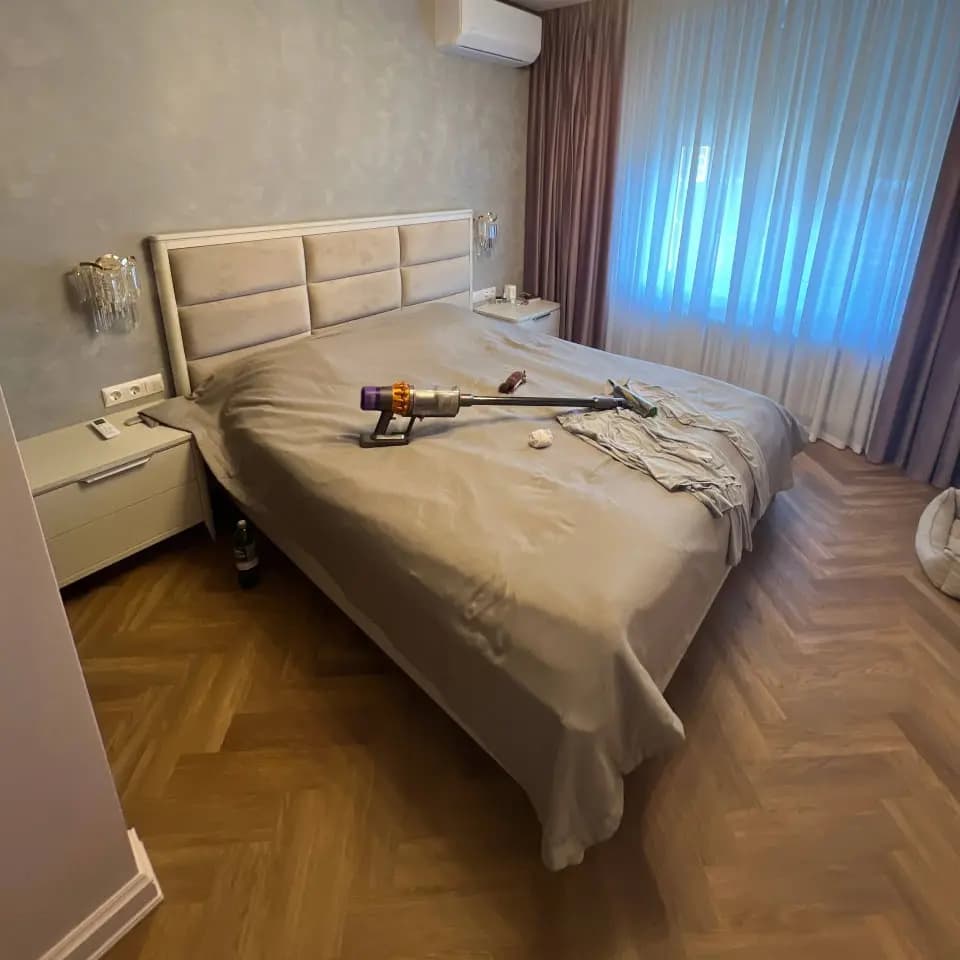
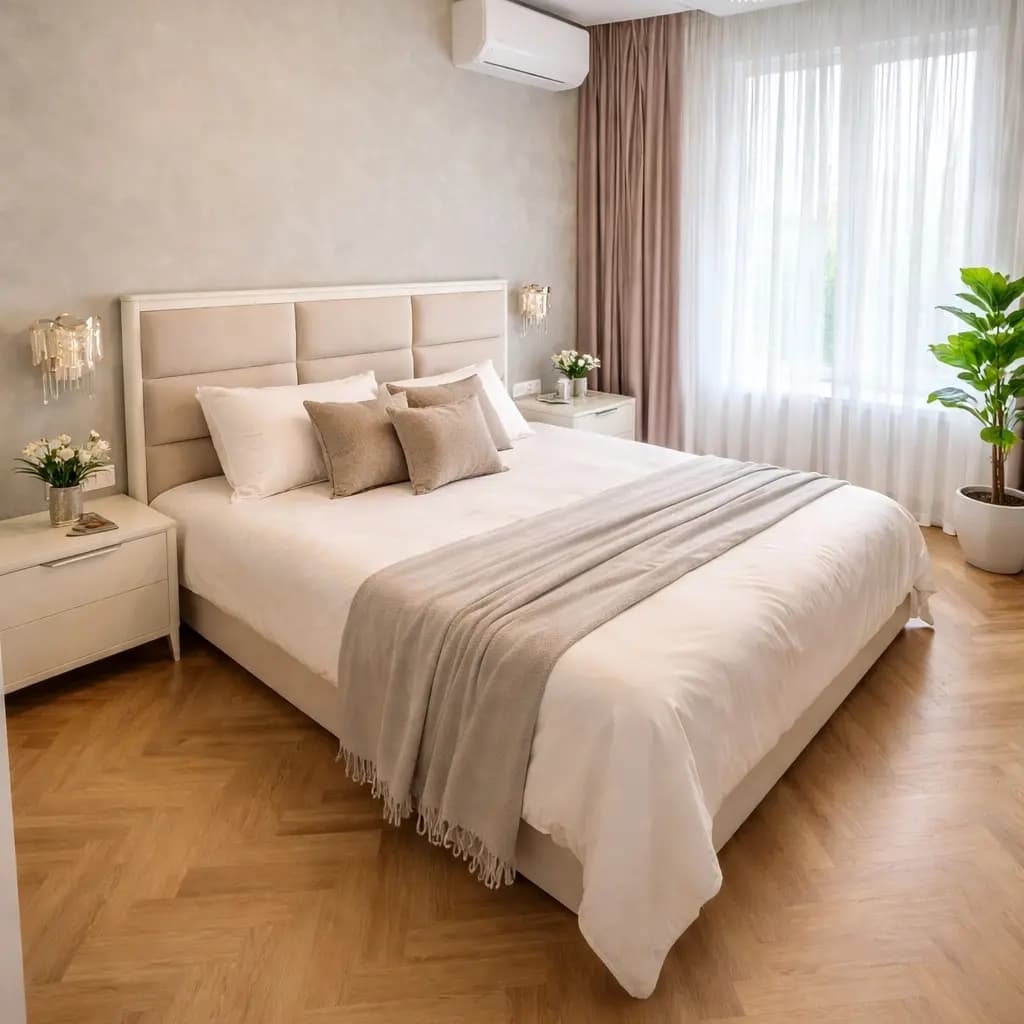
Deciding Between Seattle and Salt Lake City
For Seattle Craftsman bungalows in Wallingford and Phinney
For Seattle Craftsman bungalows in Wallingford and Phinney Ridge, request staging that keeps original built-in benches and box-beam ceilings visible; choose furniture with lower profiles and exposed legs.
In Salt Lake's Avenues, ask for furniture scaled
In Salt Lake's Avenues, ask for furniture scaled to original 9-foot ceilings and narrow doorways; oversized pieces common in Cottonwood Heights new builds make Avenue cottages photograph as cramped.
For Seattle waterfront listings in West Seattle and
For Seattle waterfront listings in West Seattle and Magnolia, position virtual furniture to keep window lines and Sound views unobstructed; the view is the property's strongest selling feature.
In Salt Lake's Sugar House and 9th and
In Salt Lake's Sugar House and 9th and 9th, request rugs that reveal original oak or parquet flooring around the perimeter to signal restoration quality to design-aware buyers.
For both metros, counter builder-spec gray palettes in
For both metros, counter builder-spec gray palettes in newer Bellevue, Sammamish, Draper, and Lehi construction with warm wood, rust upholstery, and clay-toned ceramics that humanize cool interiors.
Seattle vs Salt Lake City FAQ
Is Seattle or Salt Lake City more affordable for homebuyers?
Salt Lake City is more affordable with a median home price of $515,000 compared to Seattle's $830,000 — a difference of $315,000 (38%). However, affordability also depends on local incomes, property taxes, and cost of living. Both markets offer opportunities for buyers at different price points.
Which market is hotter, Seattle or Salt Lake City?
Seattle is currently the faster-moving market with homes averaging 28 days on market, compared to 37 days in Salt Lake City. A shorter time on market typically indicates stronger buyer demand and more competition. Agents in Seattle need to list quickly — virtual staging helps get listings photo-ready in minutes, not weeks.
Should I stage my home when selling in Seattle or Salt Lake City?
Absolutely — staged homes sell faster and for more money in both markets. In Seattle (median $830,000), even a 1-2% price increase from staging can mean thousands more at closing. In Salt Lake City (median $515,000), the same applies. Virtual staging with Agent Lens costs just $0.10 per image, making it a no-brainer for agents in either market.
How does virtual staging help in competitive markets like Seattle and Salt Lake City?
Virtual staging transforms empty rooms into beautifully furnished spaces in under 60 seconds. In competitive markets, first impressions matter — 97% of buyers start their search online. Staged listing photos get more clicks, more showings, and higher offers. At $0.10 per image, virtual staging delivers professional results at a fraction of physical staging costs ($2,000-$5,000+).
How does Seattle's marine light affect virtual staging color choices?
Seattle's diffuse marine light gives interiors a cool blue-green cast, especially in homes shaded by Douglas fir and cedar canopy. Virtual staging benefits from warming counterweights: walnut and oiled oak furniture, rust and ochre textiles, brass and aged copper accents. Cool gray palettes that photograph well in sunnier markets can make Seattle rooms feel chilly and uninviting in listing photos, particularly during fall and winter shoots.
Should Salt Lake City listings use lighter or darker staging palettes?
Salt Lake's high-altitude sun and 222 sunny days favor desaturated, lighter palettes. Bone, sand, dusty sage, terracotta, and lighter wood tones like rift-cut white oak photograph beautifully in Avenues, Capitol Hill, and Sugar House interiors. Heavily saturated dark palettes that work in Seattle's marine light can read heavy and absorb too much of Salt Lake's bright ambient, making rooms feel smaller than they are in photos.
How do tech-relocation buyers respond to virtual staging in these markets?
Tech-relocation buyers in both metros browse heavily on phone screens and make showing decisions from photos before flying in. Seattle relocation traffic from California Bay Area responds to craft-forward aesthetics in Capitol Hill and Ballard. Salt Lake's Silicon Slopes relocation pool wants move-in-ready presentation in Draper and Lehi, with cleaner modernist staging. Matching staging to expected buyer pool improves call-back rates significantly.
What rooms deliver the highest virtual staging return in Seattle and Salt Lake?
National Association of Realtors and Real Estate Staging Association data consistently identify living rooms, primary bedrooms, and dining areas as highest-impact spaces. In Seattle bungalows and Salt Lake cottages with smaller footprints, also stage breakfast nooks and sunrooms because those rooms differentiate older homes from suburban competition. In newer Wasatch and Eastside construction, staging the great room and primary suite typically delivers the strongest call-back rate.
How should I handle listings with significant view exposure in either market?
For Seattle waterfront and view properties in West Seattle, Magnolia, and Mercer Island, virtual staging should keep window lines completely clear; the Sound, mountain, or city view is the listing's strongest asset. For Salt Lake foothill properties in the Avenues, Federal Heights, and Cottonwood Heights with mountain backdrops, position staging away from view windows so the Wasatch ridgeline reads as the room's natural focal point in every wide-angle photo.