

Seattle vs Portland: Which city is better for real estate?
Seattle and Portland get lumped together by buyers who have never lived in either, and that confusion costs sellers real showings. After staging hundreds of Pacific Northwest listings, I can tell you the two cities want different rooms. Seattle inventory in Queen Anne, Phinney Ridge, and Beacon Hill leans toward Craftsman bungalows with daylight basements and view-driven primary suites, where buyers expect a confident, slightly moodier staging vocabulary. Portland inventory across Alberta Arts, Sellwood, and Mount Tabor delivers more single-story Old Portland bungalows, four-squares, and Victorian-era cottages, where the staging tone runs lighter, more eclectic, and friendlier to color. The shared gray light flatters both cities, but the furniture proportions differ. Portland's smaller original footprints reward apartment-scale sofas, slim console tables, and breakfast nooks treated as full dining rooms. Seattle's larger Craftsman envelopes can absorb deeper sectionals, full-size dining tables, and dedicated reading corners. AgentLens lets you switch staging dialects between the two metros without rebuilding a moodboard from scratch, which matters when you are running listings on both sides of the Columbia in the same week.
Seattle vs Portland
Real Estate Market Comparison
Thinking about buying or selling property? Compare the Seattle, WA and Portland, OR real estate markets side by side — from median prices and days on market to top neighborhoods and staging strategies.
Migration Insight
Portland's east-side bungalows in Richmond, Sunnyside, and Hosford-Abernethy almost always have a small sleeping porch or bonus room off the primary bedroom. Buyers there specifically search for that detail, so I stage it as a tiny office or a reading nook rather than leaving it as ambiguous square footage. Seattle's Capitol Hill and Madrona homes more often have a finished attic with knee walls, where the staging move is a guest room with a low platform bed and two slim nightstands. Rain pattern also shapes the shoot calendar: Portland tolerates a January shoot better than Seattle because Willamette Valley clouds break more predictably midday, while Puget Sound holds steady gray for longer stretches. AgentLens handles both light profiles with separate presets, so the Sellwood listing photographed under flat morning cloud and the Ravenna listing shot under thicker overcast both publish with consistent color temperature.
- Capitol Hill
- Ballard
- Queen Anne
- Fremont
- West Seattle
- Pearl District
- Alberta Arts
- Hawthorne
- Northwest
- Sellwood
Seattle's tech-fueled market features design-conscious buyers and fast-moving inventory. Homes sell in under a month, so agents need staging that's ready on day one. Virtual staging delivers in 60 seconds — perfect for Seattle's rapid-fire market pace.
Portland buyers value sustainability, design, and character. The market appreciates unique, well-curated spaces over cookie-cutter staging. Virtual staging can match Portland's eclectic aesthetic with mid-century modern, industrial, and bohemian styles.
Market Dynamics: Seattle vs Portland
### Inventory mix and the rooms each city sells on
Seattle's housing stock skews larger and more vertical. A typical Wallingford or Mount Baker Craftsman comes with a basement, a main floor, and an attic level, which means buyers evaluate three potential bedrooms and a basement flex space across the same listing. Stage the basement as a media room or guest suite, the attic as a primary or office, and let the main floor hold the dining and living moments. Portland's stock skews smaller and more horizontal. A Sellwood bungalow or a Kenton four-square gives you a front living room, a center dining room, two small bedrooms, and a kitchen, often on a single floor with a partial basement. Stage the dining room as the social heart, since Portland buyers consistently respond to listings where the dining moment leads the photo set. Apartment-scale furniture matters here. A standard 84-inch sofa swallows a Portland living room, while a 72-inch sofa with a slim profile reads as comfortable.
### Color, texture, and what each market rewards
Seattle buyers respond to deeper, woodwork-friendly palettes: oxblood, hunter green, charcoal, and warm brass. The Craftsman millwork gives you permission to go richer without crowding the room. Portland buyers respond to a lighter, more eclectic palette: soft terra-cotta, sage, mustard, and matte black. The smaller rooms cannot carry as much saturation, but they tolerate playful color combinations Seattle would read as cluttered. Texture also differs. Seattle staging holds wool, leather, and heavy linen well. Portland staging benefits from cotton, vintage rugs, and ceramic accents that signal the city's maker-driven design culture. AgentLens lets you store both palettes as named presets per agent, so an associate listing in both metros can apply the right one without rebuilding the look photo by photo.
Key Takeaways
Price difference: $320,000 (39%)
Portland ($510,000) is $320,000 more affordable than Seattle ($830,000).
Speed difference: 14 days
Homes in Seattle sell in 28 days on average vs 42 days in Portland.
More affordable: Portland, OR
With a median price of $510,000, Portland offers more entry-level options for first-time buyers and investors.
Faster market: Seattle, WA
At 28 days on market, Seattle moves faster. Sellers in this market benefit most from being listing-ready on day one — virtual staging delivers in under 60 seconds.
Stage Your Listing in Either Market
Transform empty rooms into stunning staged photos in 60 seconds. Starting at $0.10 per image.
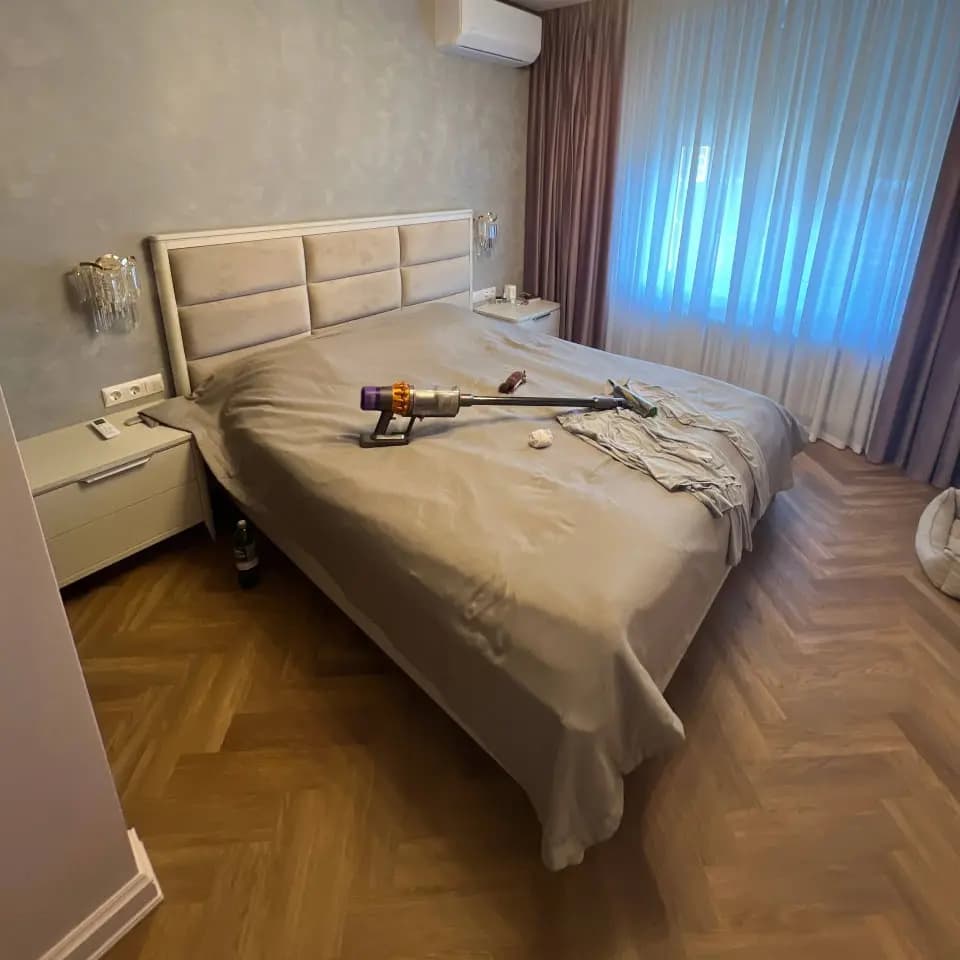
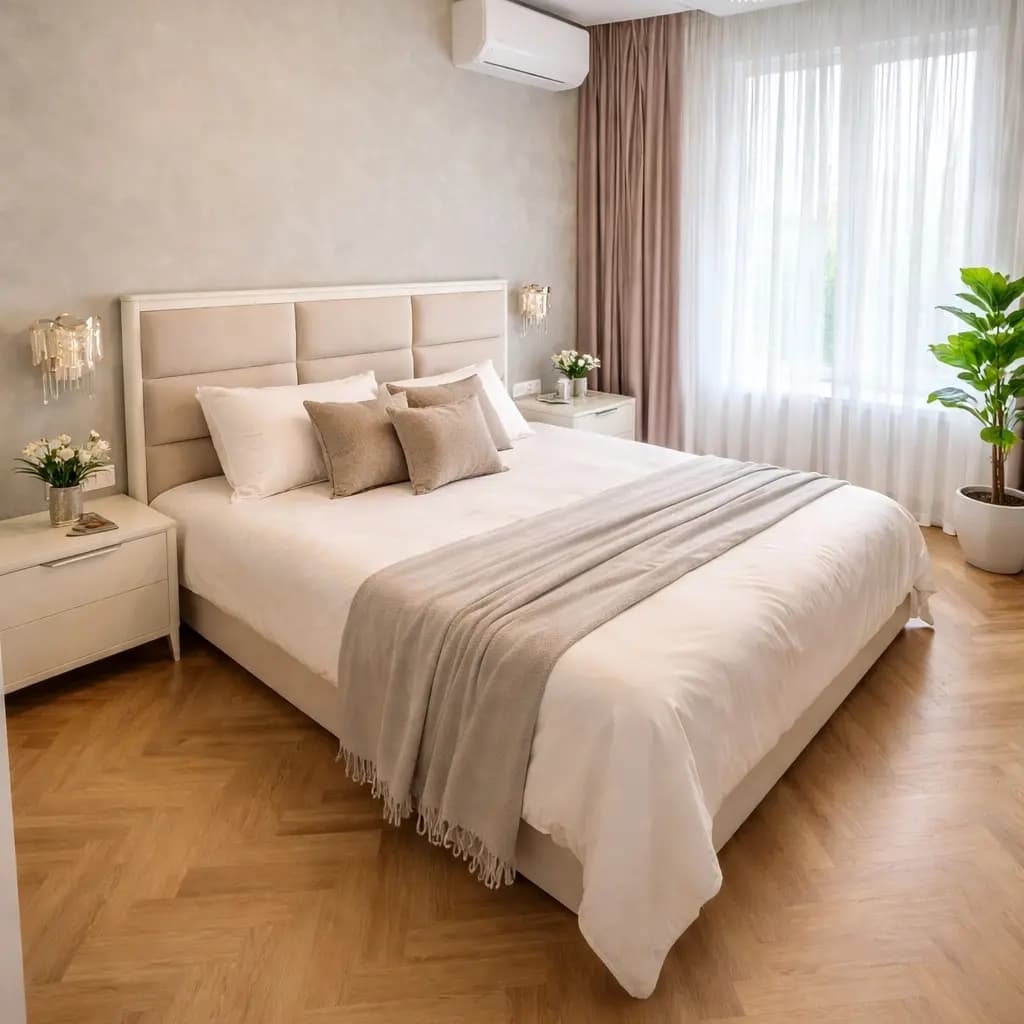
Deciding Between Seattle and Portland
Scale furniture to the original footprint
Portland bungalows reject 84-inch sofas and oversized sectionals. Drop to 72-inch frames and apartment-scale loungers. Seattle Craftsman rooms can handle the larger pieces, but only when the dining room can also seat six without crowding the buffet.
Stage the sleeping porch as a clear use
Portland east-side homes frequently include a small bonus room off the primary bedroom. Buyers want clarity, so stage it as a home office, nursery, or reading nook with one identifiable function rather than leaving it as flex space.
Respect Seattle's vertical layout in photo order
Lead with the main floor living and dining frames, then the kitchen, then the primary, then the basement. Buyers scrolling Redfin in Wallingford expect that sequence and bounce when listings open with a basement or attic shot.
Lean lighter in Portland color choices
Soft terra-cotta, sage, and mustard read warm without overwhelming small rooms. Save oxblood and hunter green for Seattle Craftsman frames where the millwork can carry the deeper saturation. Mixing the two palettes between metros confuses your visual brand.
Treat the breakfast nook as a real dining room
Many Portland four-squares and bungalows have only a nook, not a separate dining room. Stage the nook with a real round table for four and a pendant low enough to read as a destination. Buyers will accept that as the dining room without complaint.
Seattle vs Portland FAQ
Is Seattle or Portland more affordable for homebuyers?
Portland is more affordable with a median home price of $510,000 compared to Seattle's $830,000 — a difference of $320,000 (39%). However, affordability also depends on local incomes, property taxes, and cost of living. Both markets offer opportunities for buyers at different price points.
Which market is hotter, Seattle or Portland?
Seattle is currently the faster-moving market with homes averaging 28 days on market, compared to 42 days in Portland. A shorter time on market typically indicates stronger buyer demand and more competition. Agents in Seattle need to list quickly — virtual staging helps get listings photo-ready in minutes, not weeks.
Should I stage my home when selling in Seattle or Portland?
Absolutely — staged homes sell faster and for more money in both markets. In Seattle (median $830,000), even a 1-2% price increase from staging can mean thousands more at closing. In Portland (median $510,000), the same applies. Virtual staging with Agent Lens costs just $0.10 per image, making it a no-brainer for agents in either market.
How does virtual staging help in competitive markets like Seattle and Portland?
Virtual staging transforms empty rooms into beautifully furnished spaces in under 60 seconds. In competitive markets, first impressions matter — 97% of buyers start their search online. Staged listing photos get more clicks, more showings, and higher offers. At $0.10 per image, virtual staging delivers professional results at a fraction of physical staging costs ($2,000-$5,000+).
Are Seattle and Portland really different staging markets?
Yes, despite the shared light and weather. Seattle inventory runs larger and more vertical, rewarding moodier palettes and full-scale furniture. Portland inventory runs smaller and more horizontal, rewarding apartment-scale pieces and lighter, more eclectic color. Treating them as one market produces listings that feel oversized for Portland and undersized for Seattle. Use separate AgentLens presets per metro and adjust furniture scale to the actual room dimensions before publishing the photo set.
How do I stage a Portland four-square's center hall?
Most Old Portland four-squares have a small entry vestibule that opens directly into the living room, with a staircase visible from the front door. Stage the entry with a narrow console, a single piece of artwork, and a small rug that does not compete with the staircase runner. Keep the living room sofa floated rather than pushed against a wall, so the photo reads as a designed room rather than a hallway with a couch parked at the end.
What is the biggest staging mistake in Seattle Craftsman homes?
Painting over original fir woodwork, virtually or otherwise. Buyers in Phinney Ridge, Madrona, and Mount Baker specifically search for unpainted Craftsman millwork, and listings that show stripped or whitewashed trim get discounted in the showing pipeline. Stage around the woodwork with deeper textiles and warmer metals. AgentLens preserves the original wood grain in render, which matters when the seller has resisted painting for the right reasons.
Should I stage attics differently in Seattle and Portland?
Yes. Seattle attics, especially in Capitol Hill and Wallingford, are large enough to function as a primary suite or office. Stage them with a real platform bed, two nightstands, and a clear seating area under a dormer. Portland attics tend to be smaller and more sloped, often working better as a guest room or kid's hideout. Stage with a single twin or full bed, one slim dresser, and a reading lamp. Forcing a primary suite render in a Portland attic reads as unrealistic and erodes buyer trust.
Which city is harder to photograph in winter?
Seattle. Puget Sound's gray sits heavier and longer than Willamette Valley overcast, especially November through February. Listings shot in those months need stronger interior lighting and warmer color presets to feel inviting rather than washed out. Portland gets workable midday breaks more frequently, so winter shoots there can rely more on natural light. AgentLens compensates for both with separate winter and summer presets per metro, which is the cleanest fix without rescheduling the entire photo session.