

Seattle vs Denver: Which city is better for real estate?
After fifteen years writing offers in both Puget Sound and the Front Range, I can tell you the buyer mindset diverges the moment they walk through a door. Seattle shoppers in Ballard, Wallingford, and West Seattle expect Craftsman bones, original fir floors, and a daylight basement that respects the gray winters. Denver shoppers across Sloan's Lake, Berkeley, and Park Hill scan for raised ranches, mid-century brick, and east-facing patios that survive the afternoon sun. Both cities reward sellers who understand microclimate light and scale, but the room cues differ. A Capitol Hill bungalow staged with charcoal velvet, brushed brass, and forest-green accents will photograph beautifully under cloud cover, while a LoHi half-duplex needs lighter oak, terra-cotta textiles, and matte black hardware to balance Colorado's high-altitude glare. The agents who consistently win listings in both metros treat staging as a regional dialect rather than a universal script. AgentLens lets you switch dialects on the same shoot: drop a Seattle photo set into a moody Pacific Northwest preset, then re-stage Denver inventory with a sunlit Western Modern profile, all from the same listing dashboard the next morning. That dual fluency is what separates regional generalists from agents who close in either ZIP code.
Seattle vs Denver
Real Estate Market Comparison
Thinking about buying or selling property? Compare the Seattle, WA and Denver, CO real estate markets side by side — from median prices and days on market to top neighborhoods and staging strategies.
Migration Insight
Seattle's lot grading tilts the staging conversation toward split-level living rooms, awkward landings, and the half-flight entries common in Phinney Ridge and Maple Leaf. Buyers there pause at the stair turn, so I stage that landing with a slim console, a vertical mirror, and a single sculptural lamp rather than leaving it bare. Denver's brick bungalows in Washington Park and Congress Park have the opposite issue: long shotgun layouts where the dining zone reads as a hallway. I anchor that middle room with a round pedestal table and a low pendant to break the tunnel effect. Wildfire smoke season also matters in Denver listings shot July through September, when air quality flattens window views; staging with stronger interior color saturation compensates. Seattle's wet shoulder seasons demand the opposite restraint, since saturated walls fight the gray exterior light coming through original wood-sash windows. AgentLens style presets handle both adjustments without a reshoot, which matters when you are juggling listings in Queen Anne and Cherry Creek the same week.
- Capitol Hill
- Ballard
- Queen Anne
- Fremont
- West Seattle
- Cherry Creek
- LoHi
- Washington Park
- RiNo
- Highland
Seattle's tech-fueled market features design-conscious buyers and fast-moving inventory. Homes sell in under a month, so agents need staging that's ready on day one. Virtual staging delivers in 60 seconds — perfect for Seattle's rapid-fire market pace.
Denver's outdoor-lifestyle market attracts young professionals and families from both coasts. Modern and contemporary styles dominate buyer preferences, and staged listings stand out in a competitive market that values clean, aspirational aesthetics.
Market Dynamics: Seattle vs Denver
### Architecture and the staging vocabulary each city expects
Seattle's housing stock leans Craftsman, Tudor revival, and post-war daylight ranch, with newer townhome infill in Columbia City and Beacon Hill. The detail buyers notice first is original millwork: picture rails, built-in benches, leaded glass transoms. Stage around those features rather than against them. A Madrona Craftsman should keep its quarter-sawn oak warmth, paired with deep-toned upholstery in oxblood or hunter green and wool flatweaves that read well on overcast shoot days. Denver's stock is a different conversation. Berkeley and Highlands deliver 1920s brick bungalows with arched doorways, coved ceilings, and original radiators that buyers want left visible. Cherry Creek and Hilltop add mid-century ranches with low rooflines and clerestory windows. Stage these with lower-profile sectionals, walnut case goods, and rust or olive textiles that respect the era without going theme-park. Newer Denver builds in Stapleton and RiNo lean modern farmhouse, and there I push white oak, bouclé, and matte black fixtures.
### Buyer search behavior and what your photos must answer
Seattle buyers spend more time on interior detail shots because so much of the value sits inside the envelope: original built-ins, fireplace tile, the basement potential. Your second through fifth photos should answer detail questions before they are asked. Denver buyers click through faster and weight outdoor living more heavily, since patio season runs March through November in most of the metro. A staged back patio with a low fire feature, weather-resistant lounge seating, and a clear sightline to the alley garage often outperforms a third bedroom shot in click-through. AgentLens lets you stage interior and exterior frames in matched palettes, so a Park Hill listing reads as one cohesive home rather than two separate moodboards stitched together by the MLS uploader.
Key Takeaways
Price difference: $255,000 (31%)
Denver ($575,000) is $255,000 more affordable than Seattle ($830,000).
Speed difference: 6 days
Homes in Seattle sell in 28 days on average vs 34 days in Denver.
More affordable: Denver, CO
With a median price of $575,000, Denver offers more entry-level options for first-time buyers and investors.
Faster market: Seattle, WA
At 28 days on market, Seattle moves faster. Sellers in this market benefit most from being listing-ready on day one — virtual staging delivers in under 60 seconds.
Stage Your Listing in Either Market
Transform empty rooms into stunning staged photos in 60 seconds. Starting at $0.10 per image.
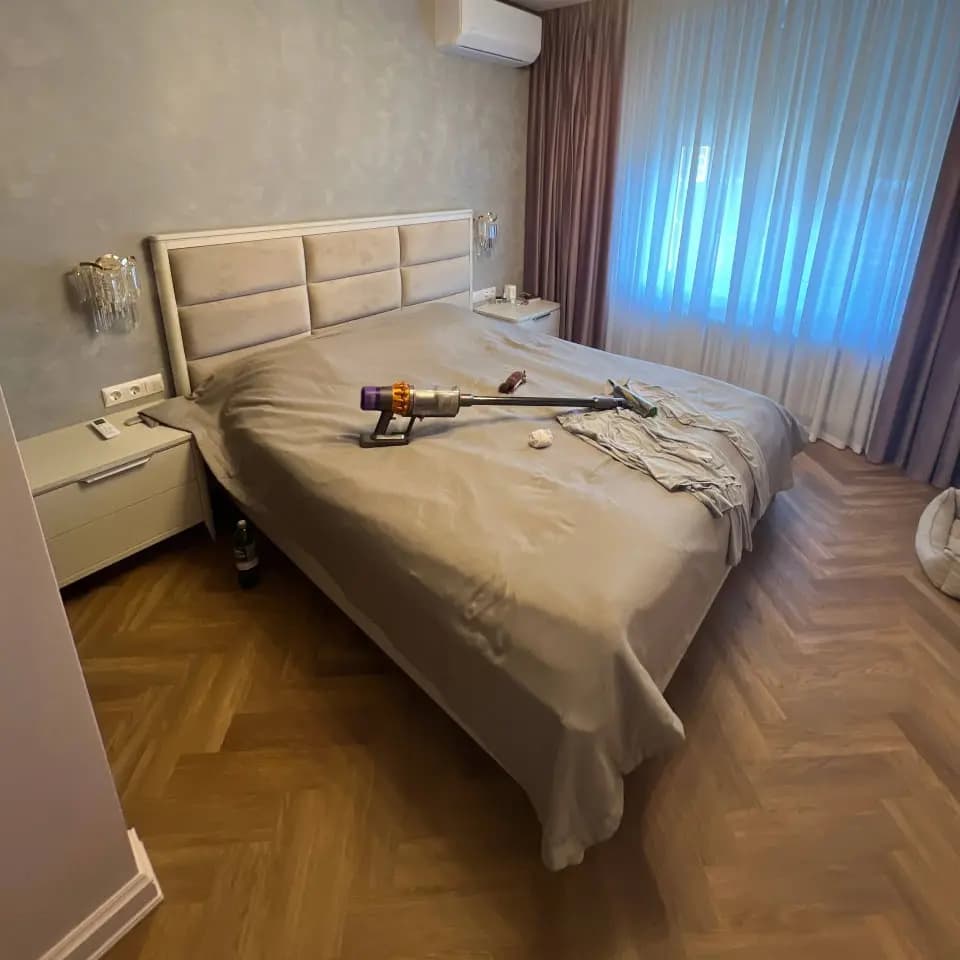
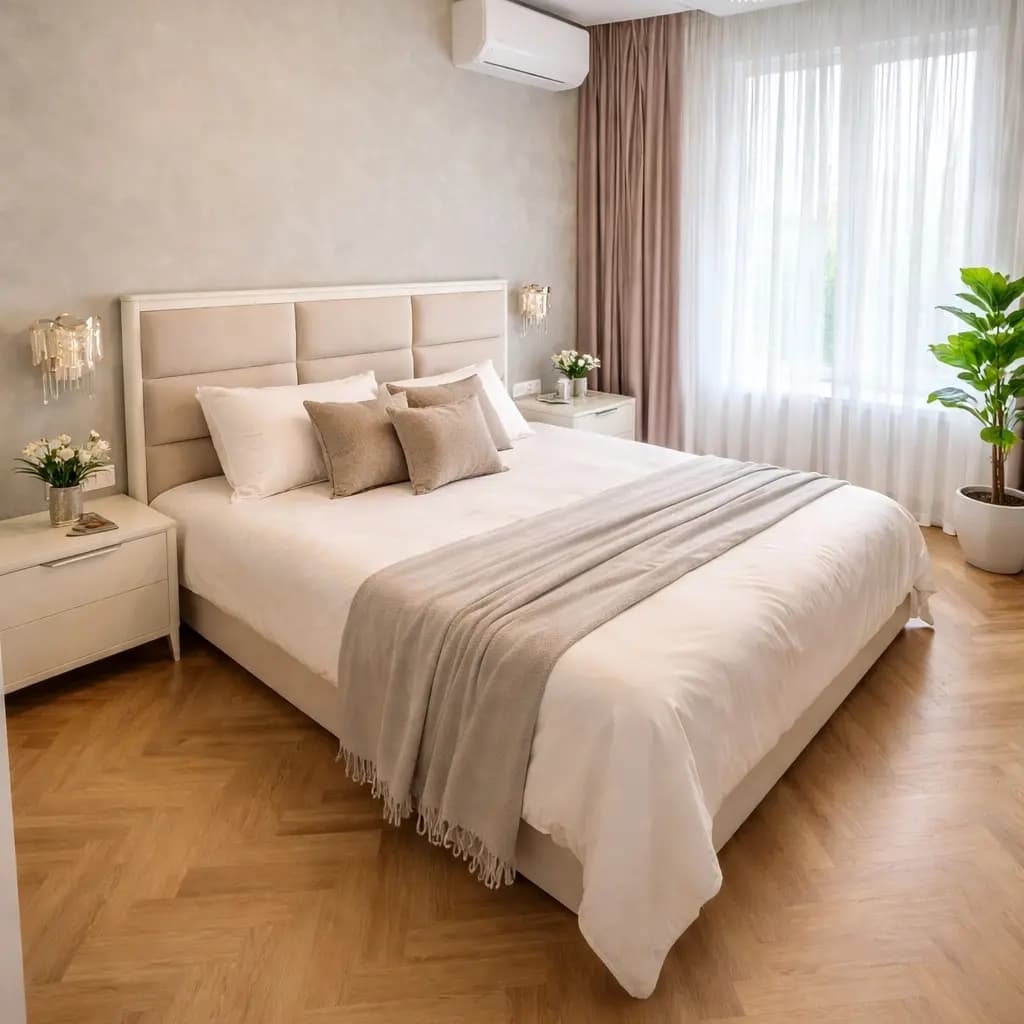
Deciding Between Seattle and Denver
Match staging palette to regional light
Seattle's diffuse cloud light flatters jewel tones and matte finishes. Denver's high-altitude sun blows out glossy whites and pale grays. Pick one palette per metro and resist mixing presets across listings.
Respect original woodwork in Craftsman frames
When staging Wallingford or Mount Baker bungalows, do not virtually paint over fir trim or built-ins. Buyers in those neighborhoods specifically search for unpainted original millwork and will discount listings that look stripped.
Stage Denver patios as a third living room
Front Range buyers treat outdoor space as core square footage from spring through fall. Add a low-profile fire feature, two lounge chairs, and a weather-grade rug to any rear patio frame before the listing goes live.
Address awkward Seattle landings deliberately
Split-entry homes in Greenwood and Northgate have a stair turn that reads as wasted space in raw photos. Place a slim console, a tall mirror, and one lamp to give the landing a purpose without crowding the frame.
Plan for Denver smoke season exposure
July through September shoots often deliver hazy window views from regional wildfire smoke. Counter with stronger interior color saturation and warmer lamp temperatures so the photo still feels grounded when the exterior reads washed out.
Seattle vs Denver FAQ
Is Seattle or Denver more affordable for homebuyers?
Denver is more affordable with a median home price of $575,000 compared to Seattle's $830,000 — a difference of $255,000 (31%). However, affordability also depends on local incomes, property taxes, and cost of living. Both markets offer opportunities for buyers at different price points.
Which market is hotter, Seattle or Denver?
Seattle is currently the faster-moving market with homes averaging 28 days on market, compared to 34 days in Denver. A shorter time on market typically indicates stronger buyer demand and more competition. Agents in Seattle need to list quickly — virtual staging helps get listings photo-ready in minutes, not weeks.
Should I stage my home when selling in Seattle or Denver?
Absolutely — staged homes sell faster and for more money in both markets. In Seattle (median $830,000), even a 1-2% price increase from staging can mean thousands more at closing. In Denver (median $575,000), the same applies. Virtual staging with Agent Lens costs just $0.10 per image, making it a no-brainer for agents in either market.
How does virtual staging help in competitive markets like Seattle and Denver?
Virtual staging transforms empty rooms into beautifully furnished spaces in under 60 seconds. In competitive markets, first impressions matter — 97% of buyers start their search online. Staged listing photos get more clicks, more showings, and higher offers. At $0.10 per image, virtual staging delivers professional results at a fraction of physical staging costs ($2,000-$5,000+).
Do Seattle and Denver buyers respond to the same staging style?
No, and assuming they do costs sellers showings. Seattle buyers reward moodier, woodwork-forward staging that holds up under gray daylight, while Denver buyers respond to lighter, sun-tolerant palettes with strong outdoor living scenes. Use neighborhood-specific presets in AgentLens rather than a single house style across both metros, especially when you list in both Pacific Northwest and Front Range markets within the same quarter.
Which city's listings benefit more from virtual staging?
Both benefit, but for different reasons. Seattle's older inventory often shows tired interiors that buyers struggle to reimagine, so virtual staging sells the potential of original floors and built-ins. Denver's newer construction in RiNo and Stapleton frequently lists empty after a builder cleanout, where virtual staging gives scale to large open plans. AgentLens handles both scenarios, with the right preset doing most of the work in either market.
How should I stage a daylight basement in Seattle?
Treat it as a flex bedroom or media room, never as raw storage. Stage with a low-profile sleeper sofa, a small reading chair, and a desk under any egress window. Keep the palette one shade warmer than the main floor to compensate for the lower light. Buyers in Ravenna and Wedgwood specifically search daylight basement language, so the photo must read as livable rather than as a finished cave.
What single staging element matters most for a Denver bungalow?
The dining room. Berkeley and Washington Park bungalows have a long, narrow center room that reads as a hallway when empty. A round pedestal table seating four, paired with a single low pendant, breaks the tunnel and signals the home can host. Skip rectangular tables in those rooms regardless of how the seller previously used the space. The round shape is what photographs as a destination.
Should I virtually stage exterior shots in either market?
Yes, with restraint. In Seattle, virtual staging works for covered front porches and rear decks, since covered outdoor space photographs the same year-round. In Denver, exterior virtual staging is nearly mandatory for patio frames during shoulder seasons when furniture is in storage. AgentLens preserves real shadow and ground texture, so the staged patio reads as believable rather than as a marketing render the buyer dismisses on first scroll.