

San Juan vs Miami: Which city is better for real estate?
San Juan and Miami sit at the northern edge of the Caribbean basin and share warm light, ocean horizons, and Spanish-language buyer pools, but their staging vocabularies are different enough that copy-pasting one playbook into the other costs listings real engagement. San Juan listings in Condado, Old San Juan, Isla Verde, Ocean Park, and Santurce respond to colonial Spanish revival arches, hand-painted tile, wrought-iron balconies, and palettes drawn from coral, terracotta, and bougainvillea. Miami listings in Brickell, Coconut Grove, Coral Gables, and Sunny Isles respond to Art Deco curves, terrazzo, lacquer, and palettes drawn from South Beach pastels and tropical sunsets. AI virtual staging on aistage.pro lets bilingual agents serving both markets keep each grammar distinct through saved style presets. The Chrome extension reads each empty-room photo, applies the right preset, and outputs files sized for Puerto Rico MLS, Miami Association of Realtors feeds, Zillow, and Compass within minutes. That speed matters because Caribbean and South Florida buyers often shop simultaneously across both markets, and the agent who delivers polished frames first wins the consultation call.
San Juan vs Miami
Real Estate Market Comparison
Thinking about buying or selling property? Compare the San Juan, PR and Miami, FL real estate markets side by side — from median prices and days on market to top neighborhoods and staging strategies.
Migration Insight
San Juan inventory clusters into colonial townhouses in Old San Juan with original 16th- to 19th-century stone and tile, mid-century apartment buildings in Condado with terrazzo floors and wrought-iron details, and beachfront condos in Isla Verde with floor-to-ceiling glass. Each shell asks for a different staging accent: colonial townhouses want hand-carved wood, woven palm, and ceramic tile vignettes; Condado mid-century buildings want streamlined upholstery and brass accents; Isla Verde beachfront condos want minimal furniture and ocean view emphasis. Miami inventory follows tower-versus-estate logic: Brickell and Edgewater towers want contemporary glam, Coral Gables and Pinecrest estates want elevated traditional, South Beach Art Deco low-rises want curved retro pieces. Hurricane preparedness shapes both cities, so virtual staging should reflect impact glass reveals and shutter aesthetics rather than fighting them. Bilingual marketing materials in Spanish and English work in both markets, with San Juan leaning more heavily on Spanish-first listing copy.
- Condado
- Old San Juan
- Isla Verde
- Guaynabo
- Dorado
- Brickell
- Coral Gables
- Coconut Grove
- South Beach
- Wynwood
San Juan's growing mainland buyer interest (driven by tax incentives) makes professional staging increasingly important. Coastal and luxury styles appeal to relocating professionals. Virtual staging helps local and mainland agents present Puerto Rico properties to digital-first buyers.
Miami's international buyer pool and luxury condo market make professional staging essential. Coastal and modern styles dominate Miami listings, and staged properties capture attention from global investors browsing online. Virtual staging helps Miami agents appeal to buyers who may never visit in person before offering.
Market Dynamics: San Juan vs Miami
### Architectural Heritage And Staging Cues
Old San Juan's 17th-century buildings on streets like Calle del Cristo and Calle Fortaleza carry interior courtyards, exposed stone walls, and original Spanish tile that should drive every staging decision. Place a wrought-iron dining table in the courtyard, a wood-and-leather chair near the stone wall, and a hand-thrown ceramic lamp on a carved chest. Skip anything plastic, glossy, or overtly contemporary because it fights three centuries of architectural authority. Condado mid-century buildings ask for a different treatment: linen sofas, brass coffee tables, and terrazzo floors that need minimal rugs to stay visible. Miami's Art Deco low-rises in South Beach ask for curved velvet seating, lacquer side tables, and pastel accent walls. Brickell and Edgewater towers ask for streamlined contemporary pieces with metallic finishes. Coral Gables Mediterranean estates ask for carved wood, wrought iron, and patterned area rugs that nod to George Merrick's original 1920s vision. Each cue tells the buyer the agent understands the property's lineage rather than treating it as generic inventory.
### Buyer Pools, Tax Considerations, And Workflow
San Juan buyers split into Act 60 mainland relocators chasing tax incentives, returning Puerto Ricans buying second homes, and Latin American investors using Caribbean real estate as portfolio diversification. Each pool reads staging differently: Act 60 buyers want a mainland-grade aesthetic with a Caribbean accent, returning Puerto Ricans want authentic local design references, and Latin American investors want neutral staging that photographs well for short-term rental listings. Miami buyers pull from Latin America, Europe, the Northeast, and tax migrants from California and New York, with a similar split between primary residence and investment buyers. AI virtual staging on aistage.pro accelerates the workflow because one empty-room photo produces variants for each buyer pool when an agent serves cross-market clients. Bilingual saved presets let teams flip between English-first and Spanish-first marketing materials without rebuilding prompts. Both cities reward listings that publish complete photo sets by Tuesday morning so weekend showings and online saved-listing rates align before the first open-house window. Cross-market agents using AgentLens push twenty listings to MLS-ready status in a single Sunday session.
Key Takeaways
Price difference: $315,000 (53%)
San Juan ($275,000) is $315,000 more affordable than Miami ($590,000).
Speed difference: 11 days
Homes in Miami sell in 54 days on average vs 65 days in San Juan.
More affordable: San Juan, PR
With a median price of $275,000, San Juan offers more entry-level options for first-time buyers and investors.
Faster market: Miami, FL
At 54 days on market, Miami moves faster. Sellers in this market benefit most from being listing-ready on day one — virtual staging delivers in under 60 seconds.
Stage Your Listing in Either Market
Transform empty rooms into stunning staged photos in 60 seconds. Starting at $0.10 per image.
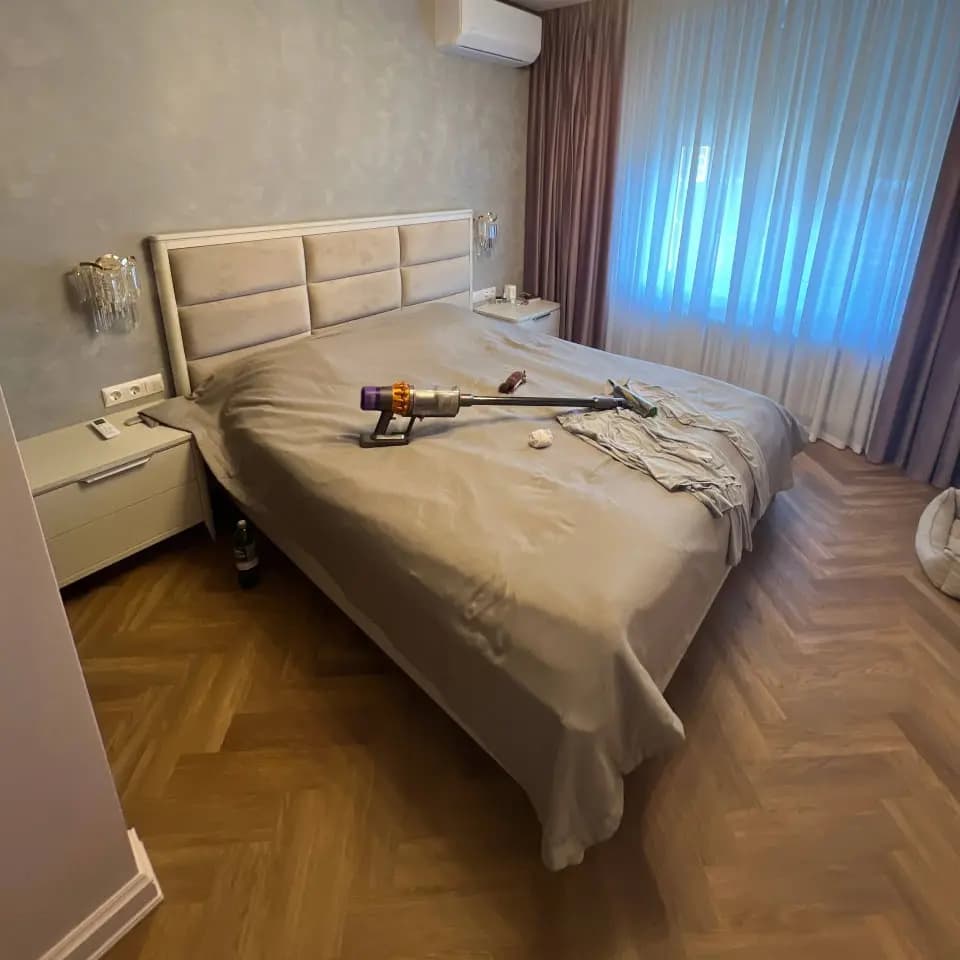
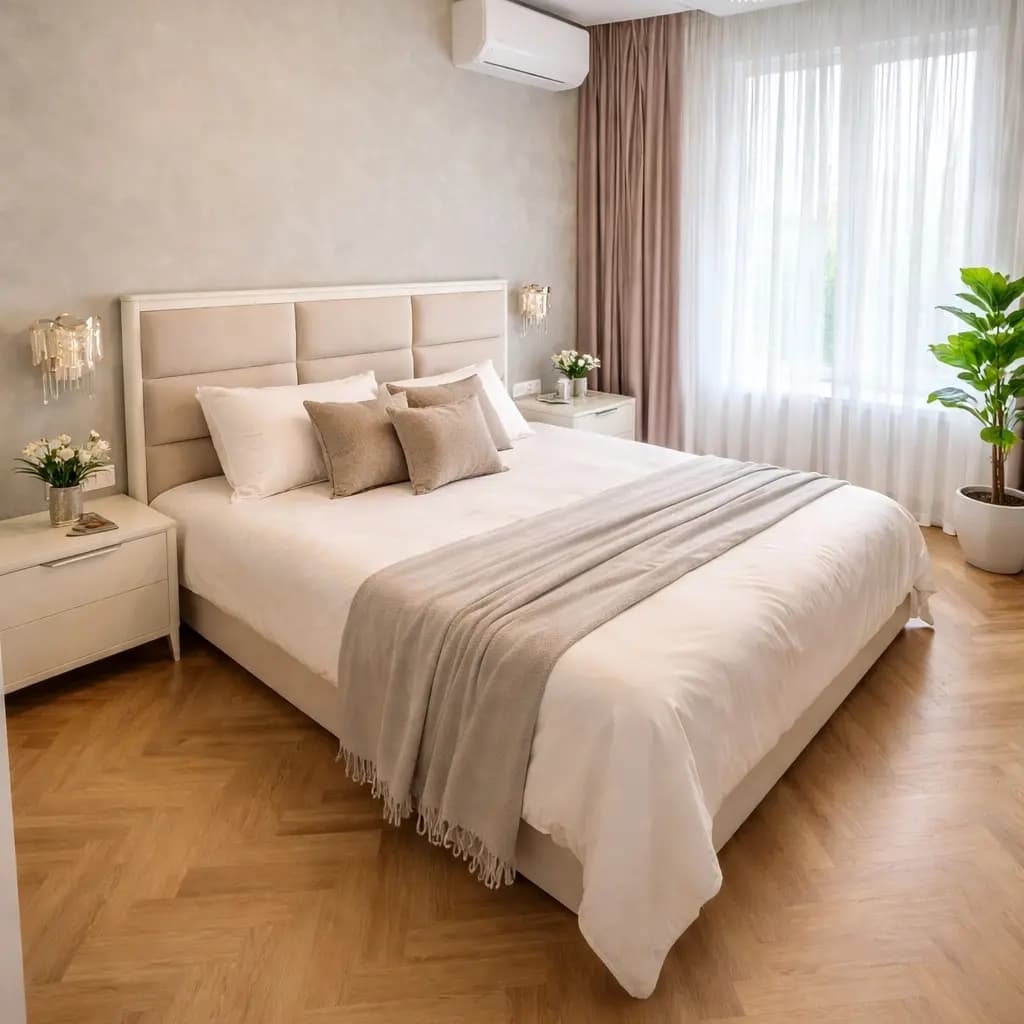
Deciding Between San Juan and Miami
Render Old San Juan courtyards with wrought-iron furniture
Render Old San Juan courtyards with wrought-iron furniture and ceramic planters to honor 17th-century architectural cues.
For Miami Brickell towers, use curved velvet seating
For Miami Brickell towers, use curved velvet seating and brass accents to telegraph contemporary glam buyer expectations.
Skip overtly contemporary furniture in Condado colonial buildings;
Skip overtly contemporary furniture in Condado colonial buildings; lean into brass, terrazzo emphasis, and linen upholstery.
Use hand-painted tile vignettes in San Juan kitchens;
Use hand-painted tile vignettes in San Juan kitchens; switch to terrazzo and lacquer cabinetry in Miami kitchens.
Render bilingual signage cues like a coffee table
Render bilingual signage cues like a coffee table book in Spanish for San Juan and English for Miami to match buyer pools.
San Juan vs Miami FAQ
Is San Juan or Miami more affordable for homebuyers?
San Juan is more affordable with a median home price of $275,000 compared to Miami's $590,000 — a difference of $315,000 (53%). However, affordability also depends on local incomes, property taxes, and cost of living. Both markets offer opportunities for buyers at different price points.
Which market is hotter, San Juan or Miami?
Miami is currently the faster-moving market with homes averaging 54 days on market, compared to 65 days in San Juan. A shorter time on market typically indicates stronger buyer demand and more competition. Agents in Miami need to list quickly — virtual staging helps get listings photo-ready in minutes, not weeks.
Should I stage my home when selling in San Juan or Miami?
Absolutely — staged homes sell faster and for more money in both markets. In San Juan (median $275,000), even a 1-2% price increase from staging can mean thousands more at closing. In Miami (median $590,000), the same applies. Virtual staging with Agent Lens costs just $0.10 per image, making it a no-brainer for agents in either market.
How does virtual staging help in competitive markets like San Juan and Miami?
Virtual staging transforms empty rooms into beautifully furnished spaces in under 60 seconds. In competitive markets, first impressions matter — 97% of buyers start their search online. Staged listing photos get more clicks, more showings, and higher offers. At $0.10 per image, virtual staging delivers professional results at a fraction of physical staging costs ($2,000-$5,000+).
Why do San Juan and Miami need different staging approaches?
The architectural heritage, buyer pools, and design DNA diverge despite the shared Caribbean climate. San Juan pulls from Spanish colonial revival with wrought iron, hand-painted tile, and stone courtyards. Miami pulls from Art Deco, Mediterranean Revival, and contemporary glam with curved seating and metallic finishes. Mismatching the two signals to buyers that the agent does not understand local architecture, which lowers trust and reduces saved-listing rates across MLS feeds and Zillow syndication.
How does Act 60 affect San Juan staging strategy?
Act 60 mainland relocators want staging that confirms a primary residence rather than a vacation rental, with home offices, primary bedrooms with adult-coded furniture, and kitchens that show real cookware. They also want a Caribbean accent through ceramic vessels, woven palm, and wrought-iron details so the property feels distinctly Puerto Rican rather than imported. AI virtual staging on aistage.pro produces both mainland-grade and locally accented variants from one photo set in a single session.
What rooms drive engagement in each market?
In San Juan, the courtyard or balcony view, the primary suite, and the kitchen showing tile and cabinetry detail drive engagement. In Miami, the open-plan living-dining-kitchen with balcony view, the primary suite, and a twilight pool or terrace render drive engagement. Stage these frames first in both cities. Secondary bedrooms and offices add incremental value only when natural light and clean composition support the render.
How do bilingual marketing needs shape AI staging?
Both markets reward bilingual listing copy and visual cues. San Juan leans Spanish-first with English secondary, while Miami balances both languages depending on the buyer pool. AI virtual staging on aistage.pro supports saved style presets that include subtle visual language cues like coffee table books, art prints, and signage details, so the same property can render Spanish-first for Latin American buyers and English-first for U.S. mainland relocators without two separate photoshoots.
Can one agent license cover both San Juan and Miami workflows?
Yes. AgentLens supports saved style presets per market, so a bilingual agent or cross-market team can render San Juan colonial revival and Miami contemporary glam from one account. The Chrome extension reads each empty-room photo, applies the right preset, and exports at MLS-compliant resolution for both Puerto Rico MLS and Miami Association of Realtors feeds. Credit pools are shared, so cross-market agents batch listings in a single workflow session.