

San Francisco vs Seattle: Which city is better for real estate?
San Francisco and Seattle look like cousins on paper. Both run on tech money, both tolerate eccentric architecture, both shoot listing photos under gray skies more often than their tourism boards admit. Spend a season representing buyers in each, and the differences become obvious. San Francisco inventory is older, denser, and built into hillsides. Seattle inventory leans on Craftsman bungalows, mid-century split-levels in View Ridge and Wedgwood, and newer townhomes stacked along Capitol Hill arterials. The way buyers shop is different too. San Francisco buyers tour aggressively on weekends and decide on Monday. Seattle buyers, especially the relocating Amazon and Microsoft cohort, do almost everything from listing photos and a virtual walkthrough before they ever fly in for a final inspection. That makes photo quality non-negotiable in both cities and makes virtual staging especially valuable in Seattle, where I have closed deals where the buyer never set foot in the house until closing day. AI staging gives both markets fast, plausible interior renders that hold up on a 27-inch monitor, which is where most relocation buyers actually shop.
San Francisco vs Seattle
Real Estate Market Comparison
Thinking about buying or selling property? Compare the San Francisco, CA and Seattle, WA real estate markets side by side — from median prices and days on market to top neighborhoods and staging strategies.
Migration Insight
San Francisco interiors photograph with cool, flat light that pushes whites toward blue. Stagers who fight that with bright warm lamps end up with photos that look color-corrected to death. The trick is staging in materials that hold their tone under that light: walnut, brass, oat-colored wool, terracotta. Seattle interiors face a similar light problem November through April, made worse by tall fir trees blocking side windows in Wallingford and Magnolia. Staging there leans on lighter woods, ash and white oak, plus a few warm table lamps to give the camera something to grab. Floor plans differ too. San Francisco living rooms are usually long and narrow with one window wall. Seattle Craftsman living rooms are squarer with a fireplace anchor and built-in bookcases that demand to be styled, not hidden. I stage to those built-ins rather than around them, because removing them in renders looks fake to local buyers who grew up in these houses.
- Pacific Heights
- Noe Valley
- Marina District
- Russian Hill
- SoMa
- Capitol Hill
- Ballard
- Queen Anne
- Fremont
- West Seattle
San Francisco is the most expensive major market in the US with median prices over $1.3M. At these price points, professional staging is non-negotiable — buyers expect flawless presentation. Virtual staging delivers luxury presentation at a fraction of traditional staging costs.
Seattle's tech-fueled market features design-conscious buyers and fast-moving inventory. Homes sell in under a month, so agents need staging that's ready on day one. Virtual staging delivers in 60 seconds — perfect for Seattle's rapid-fire market pace.
Market Dynamics: San Francisco vs Seattle
### Architecture drives the staging choice
A Pacific Heights flat with original picture rails calls for tailored upholstery, a single large rug, and art that respects the wall division the rails already created. A Wallingford Craftsman with built-in bookcases, a brick fireplace, and leaded glass calls for the opposite move: visible books, a low-profile sofa that does not block the hearth, and a dining table that fits the actual width between the front room arch and the bay. Virtual staging gets this right when you select furniture libraries that match the era of the architecture. Generic sofas dropped into either room read as wrong to local buyers who have toured fifteen comparable houses already. In Seattle especially, where the Craftsman vocabulary is so consistent across Ballard, Ravenna, and Mount Baker, the wrong sofa shape kills credibility in a single photo.
### How buyer psychology differs by city
San Francisco buyers are paying a premium for location and original architecture. They want staging that proves the floor plan works without obscuring why they fell in love with the listing in the first place. Seattle buyers are usually weighing the home against a comparable Craftsman three blocks away and a newer townhome down the hill. Staging needs to make the case that this specific house is the warmest, most functional, most lived-in option. That means showing a real reading nook in the dormer, a desk in the den, kids' art near the kitchen, and a back deck that survives nine months of wet weather. AI virtual staging is well suited to this because you can iterate. Test a more formal staging on Tuesday, watch the showing requests over the weekend, and re-render with a more casual layered look the following Monday if the listing has not generated traction. Real Estate Staging Association data on time-on-market improvements applies in both cities, but the iteration speed matters more in Seattle's faster spring market.
Key Takeaways
Price difference: $520,000 (39%)
Seattle ($830,000) is $520,000 more affordable than San Francisco ($1,350,000).
Speed difference: 2 days
Homes in Seattle sell in 28 days on average vs 30 days in San Francisco.
More affordable: Seattle, WA
With a median price of $830,000, Seattle offers more entry-level options for first-time buyers and investors.
Faster market: Seattle, WA
At 28 days on market, Seattle moves faster. Sellers in this market benefit most from being listing-ready on day one — virtual staging delivers in under 60 seconds.
Stage Your Listing in Either Market
Transform empty rooms into stunning staged photos in 60 seconds. Starting at $0.10 per image.
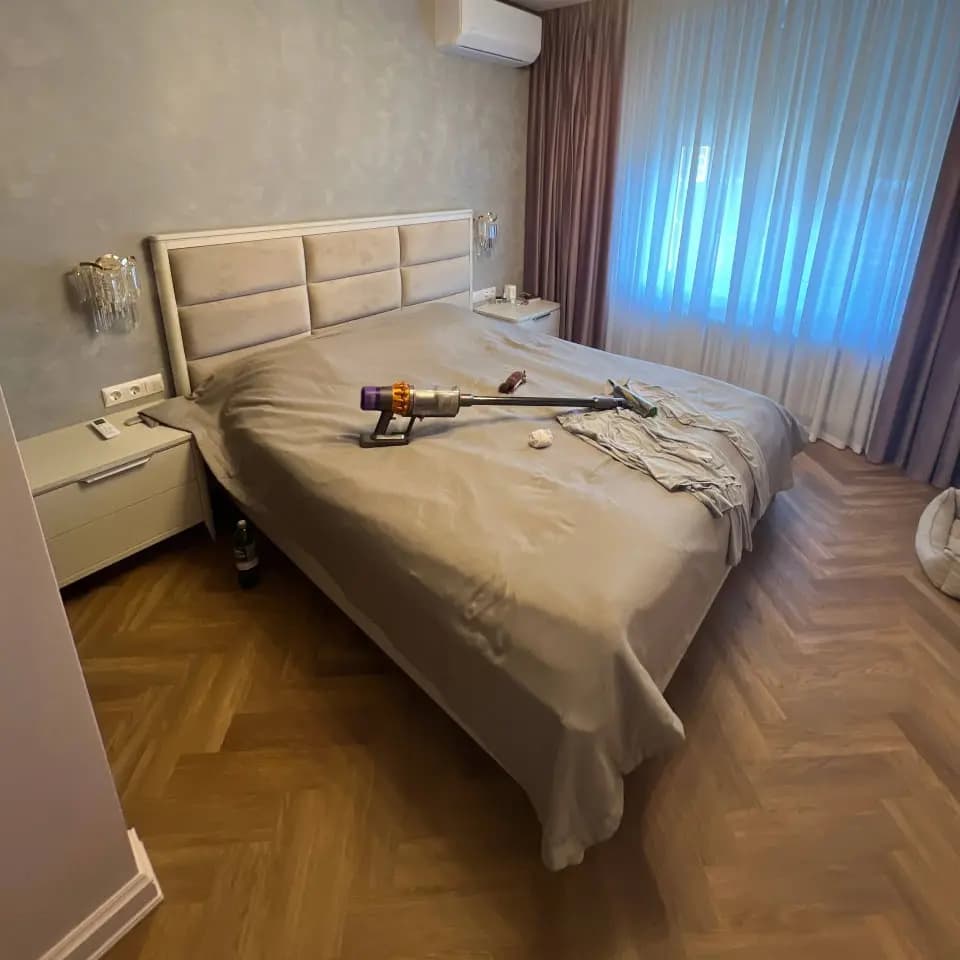
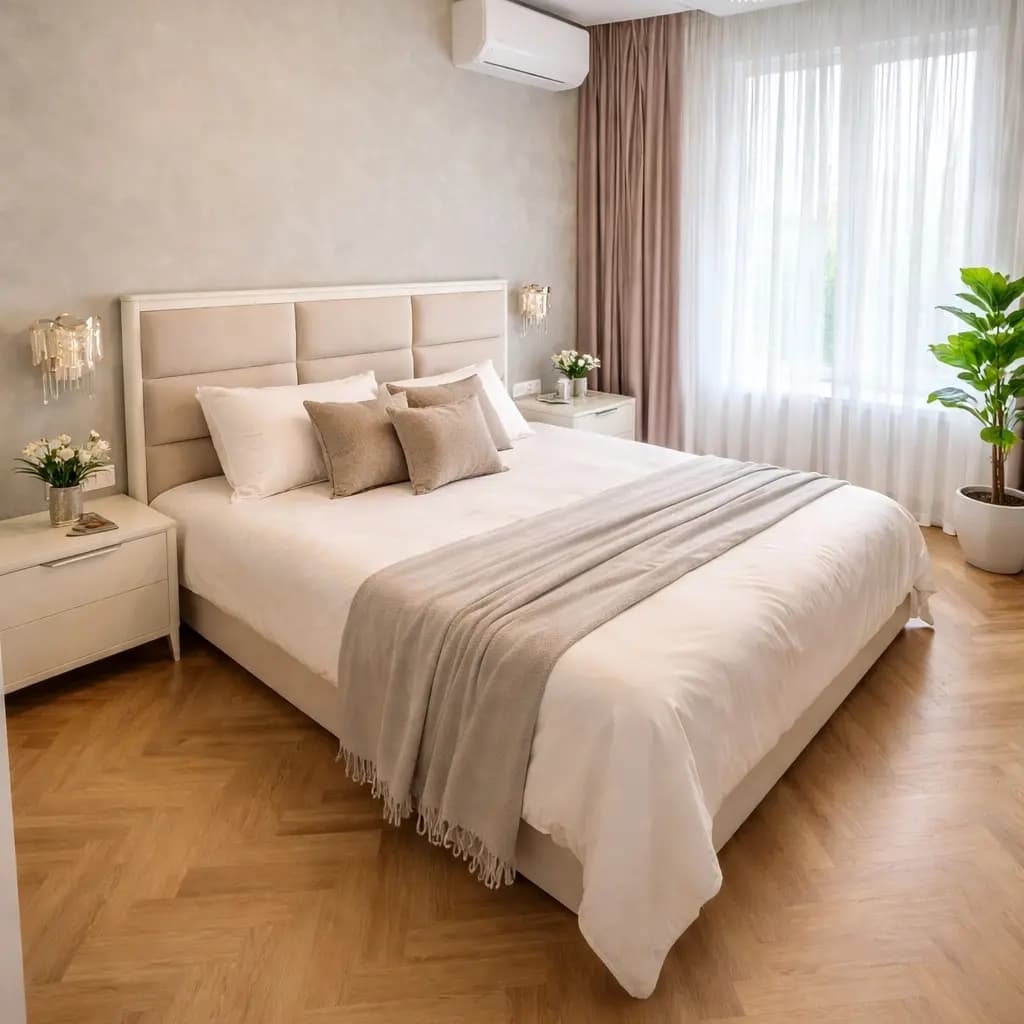
Deciding Between San Francisco and Seattle
Render to the existing built-ins in Seattle
Craftsman houses across Ballard and Wedgwood almost always have built-in bookcases, benches, or a dining buffet. Virtual stage with those features styled, not hidden. Books with cracked spines, a ceramic lamp, and one piece of regional pottery photograph honestly and signal a real Pacific Northwest household.
Use cooler-toned upholstery in San Francisco fog
Bay Area fog flattens warm colors on camera. Choose oat, charcoal, walnut, and brass in your virtual staging selections rather than cream and orange. The photos will hold their color through the entire MLS gallery without needing aggressive editing that gives the listing away as oversold.
Stage one weatherproof outdoor moment in Seattle
Even a tiny back deck in Greenwood or Beacon Hill should be staged with a covered chair, a side table, and a planter that survives rain. Buyers reviewing photos in February need to see the outdoor space works year-round, not just during a July open house.
Solve the awkward dining nook in San Francisco flats
Most Marina and Inner Sunset flats have a small dining alcove off the kitchen. Stage it with a round table for four, a pendant light, and one piece of art. Avoid trying to fit a six-seat rectangle. Honest scale in this room reassures buyers about every other tight measurement in the unit.
Match wood tones to the floors in both cities
Seattle Craftsmans usually have original fir flooring with an amber tone. San Francisco flats often have darker oak or refinished maple. Pick virtual furniture that complements rather than competes. Mismatched wood tones in renders are the single fastest way for a listing to look AI-generated to a sharp local buyer.
San Francisco vs Seattle FAQ
Is San Francisco or Seattle more affordable for homebuyers?
Seattle is more affordable with a median home price of $830,000 compared to San Francisco's $1,350,000 — a difference of $520,000 (39%). However, affordability also depends on local incomes, property taxes, and cost of living. Both markets offer opportunities for buyers at different price points.
Which market is hotter, San Francisco or Seattle?
Seattle is currently the faster-moving market with homes averaging 28 days on market, compared to 30 days in San Francisco. A shorter time on market typically indicates stronger buyer demand and more competition. Agents in Seattle need to list quickly — virtual staging helps get listings photo-ready in minutes, not weeks.
Should I stage my home when selling in San Francisco or Seattle?
Absolutely — staged homes sell faster and for more money in both markets. In San Francisco (median $1,350,000), even a 1-2% price increase from staging can mean thousands more at closing. In Seattle (median $830,000), the same applies. Virtual staging with Agent Lens costs just $0.10 per image, making it a no-brainer for agents in either market.
How does virtual staging help in competitive markets like San Francisco and Seattle?
Virtual staging transforms empty rooms into beautifully furnished spaces in under 60 seconds. In competitive markets, first impressions matter — 97% of buyers start their search online. Staged listing photos get more clicks, more showings, and higher offers. At $0.10 per image, virtual staging delivers professional results at a fraction of physical staging costs ($2,000-$5,000+).
Do Seattle relocation buyers actually buy from photos?
Yes, regularly. The relocating engineer cohort from California, India, and the East Coast often closes after a single virtual walkthrough plus the listing photos. That is exactly why staging quality matters more in Seattle than in markets where buyers always tour in person. A vacant listing photographed on a rainy March afternoon converts almost no remote buyers. The same property staged virtually with warm lamps, a real sofa scaled to the room, and a styled dining table converts at a meaningfully higher rate.
Should I stage a San Francisco flip differently from an estate sale?
Yes. Flips in the Outer Sunset and Excelsior need warmth and personality, since the renovation has stripped the place of any sign of life. Layer rugs, books, plants, and a few pieces of real art. Estate sales in Pacific Heights or St. Francis Wood usually have intact period features and sometimes original furniture. Light virtual updates, replacing dated upholstery and modernizing the bedding, work better than a full restage that erases the home's identity.
Is virtual staging accepted by Seattle MLS rules?
It is, with disclosure. The Northwest Multiple Listing Service requires that virtually staged photos be identified clearly. I caption every staged image as virtually staged and include an unstaged version in the same gallery so buyers can see both. That dual approach actually performs better than staged-only galleries, because it builds trust before the in-person tour and reduces the surprise gap that occasionally causes deals to fall through after inspection.
Which architectural styles are hardest to stage in each city?
In San Francisco the toughest assignment is a fully gutted live-work loft in SoMa, because you have no architectural reference points to anchor the staging. Define zones with rugs and lighting rather than walls. In Seattle the hardest property is a 1970s split-level in Shoreline or Burien with low ceilings and dark paneling. Use light virtual staging that brightens without lying about the ceiling height or the orientation of the rooms.
How does the timeline compare to traditional staging?
Traditional staging in San Francisco runs three to five business days from contract to install, plus removal at sale. In Seattle it is similar, with longer travel times for crews going to outer neighborhoods like West Seattle or Lake Forest Park. AI virtual staging compresses that to the time it takes to upload photos, review the renders, and publish. For most listings that is the same afternoon as the photo shoot, which preserves the Monday MLS launch that drives the strongest first-week traffic in both cities.