

San Francisco vs Sacramento: Which city is better for real estate?
After fifteen years writing offers across Northern California, I can tell you the gap between San Francisco and Sacramento has never been wider, and never more useful for agents who know how to position photography. San Francisco buyers expect tight, design-forward listings: Edwardian flats in Pacific Heights, Victorians along Liberty Hill, postwar bungalows in the Sunset, and SoMa lofts converted from old printing warehouses. They scroll on iPhones during BART commutes and decide in seconds whether a kitchen reads modern enough to justify another bidding round. Sacramento moves on a different rhythm. Curtis Park Tudors, Land Park Mediterraneans, East Sacramento Craftsman bungalows, and Natomas tract homes draw a buyer pool that mixes remote workers leaving the Bay, state employees, and UC Davis Health staff. They want livable, family-scaled rooms with backyards and three-car driveways, not micro-living theatrics. Virtual staging has to respect both audiences. Drop a Restoration Hardware Cloud sectional into a Curtis Park sunroom and it dwarfs the wainscoting; pair the same sectional with a SoMa concrete-floor loft and it sells the listing. Aistage gives agents the ability to switch styles per region without rebooking the photographer. That single capability has shifted how I prep dual-market listings, and the data on days-to-offer reflects it across both metros tracked by Zillow Research.
San Francisco vs Sacramento
Real Estate Market Comparison
Thinking about buying or selling property? Compare the San Francisco, CA and Sacramento, CA real estate markets side by side — from median prices and days on market to top neighborhoods and staging strategies.
Migration Insight
I keep a personal rule: never stage a San Francisco listing in the same palette I would use in Sacramento. A Marina district two-bedroom photographs best with cooler whites, fog-grey upholstery, and a single matte-black accent because the natural light off the bay is already cool and silvery. The same room rendered in Land Park, where afternoon sun comes through valley oaks, looks washed out unless you warm the wood tones and pick creams over true whites. Buyers in Noe Valley scroll past listings without islands; buyers in Elk Grove scroll past listings without pantries. Architecture dictates the staging brief. Sacramento Tudors need wingback chairs and brass library lamps, not midcentury teak. SoMa lofts need low-profile platform beds, leather-and-walnut benches, and oversized abstract canvases that read at thumbnail size. The Sacramento Association of Realtors and the San Francisco Association of Realtors publish separate market reports for a reason: these are two ecosystems sharing a freeway. Treat them as one and your photography will tell on you within the first three frames a buyer sees on Zillow or Redfin.
- Pacific Heights
- Noe Valley
- Marina District
- Russian Hill
- SoMa
- Midtown
- East Sacramento
- Land Park
- Curtis Park
- Elk Grove
San Francisco is the most expensive major market in the US with median prices over $1.3M. At these price points, professional staging is non-negotiable — buyers expect flawless presentation. Virtual staging delivers luxury presentation at a fraction of traditional staging costs.
Sacramento attracts Bay Area buyers seeking affordability without sacrificing California lifestyle. These buyers have high expectations from the San Francisco and San Jose markets. Virtual staging helps Sacramento agents meet Silicon Valley standards at Sacramento prices.
Market Dynamics: San Francisco vs Sacramento
### Listing Tempo and What It Demands From Photography
San Francisco listings, especially condos south of California Street, often hit the MLS Thursday and host weekend opens by Sunday afternoon. That compressed window forces decisions: you cannot wait three days for a stager to deliver, and you cannot afford an empty primary bedroom photographing as a 9-by-11 closet. Virtual staging from Aistage closes that gap in under an hour. Sacramento agents have a different problem. Inventory sits longer in places like Antelope and South Land Park, and stale listings drop in search rank on Zillow and Realtor.com regardless of price adjustments. Refreshing photos every six weeks with a new staging style is the cleanest reset. I rotate a Curtis Park Tudor between a traditional library look in winter and a lighter coastal-modern palette in spring; the algorithm reads the listing as new, and showing requests follow.
### Buyer Psychology and Architectural Honesty
The RESA staging studies that circulated through 2025 keep underlining one finding: buyers cannot visualize empty rooms, and they trust photos more than floor plans. In San Francisco that means staging the awkward bay-window nook in an Edwardian flat as a reading corner with an Eames lounge replica and a brass arc lamp, so the buyer sees a use rather than wasted square footage. In Sacramento the same principle applies to the formal dining rooms in 1940s East Sac homes, which buyers under forty often dismiss as obsolete unless staged with a long oak table and eight chairs that signal Sunday dinners and homework spread out. Aistage handles both because the prompt structure lets agents specify era, palette, and furniture line. The U.S. Census American Community Survey shows household composition differs sharply between the two metros: more single-occupant units in San Francisco, more three-and-four-person households in Sacramento County. Stage to the household you expect, not to your own taste.
Key Takeaways
Price difference: $810,000 (60%)
Sacramento ($540,000) is $810,000 more affordable than San Francisco ($1,350,000).
Speed difference: 1 day
Homes in Sacramento sell in 29 days on average vs 30 days in San Francisco.
More affordable: Sacramento, CA
With a median price of $540,000, Sacramento offers more entry-level options for first-time buyers and investors.
Faster market: Sacramento, CA
At 29 days on market, Sacramento moves faster. Sellers in this market benefit most from being listing-ready on day one — virtual staging delivers in under 60 seconds.
Stage Your Listing in Either Market
Transform empty rooms into stunning staged photos in 60 seconds. Starting at $0.10 per image.
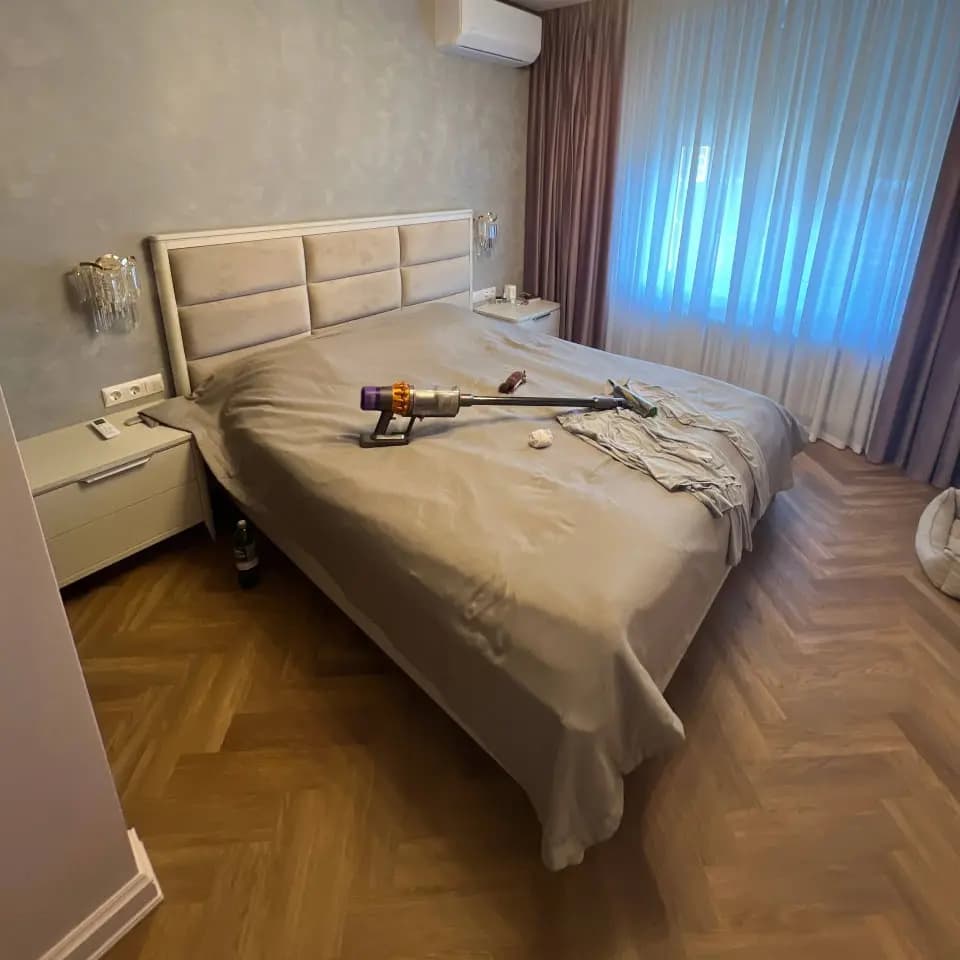
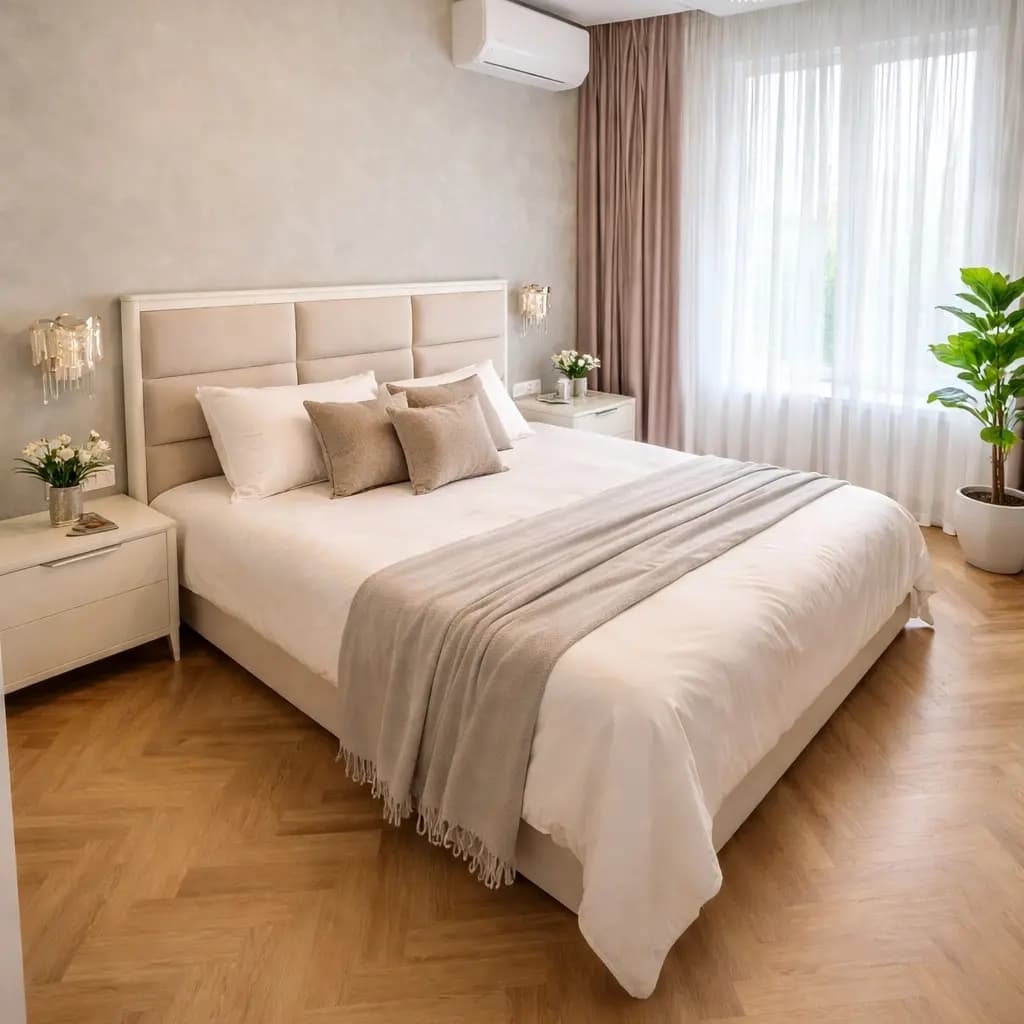
Deciding Between San Francisco and Sacramento
Match Furniture Scale to Room Footprint
Sacramento living rooms in Land Park and East Sac average larger than San Francisco equivalents in Hayes Valley or the Mission. Use eight-foot sofas in Sacramento renders, six-foot loveseats in San Francisco. Oversized furniture in tight rooms triggers buyer skepticism the moment they see the dimensions tab on Redfin.
Calibrate Color Temperature by Light Source
San Francisco fog produces cool, diffuse light; Sacramento valley sun runs warm and directional. Render San Francisco interiors with whites pulled toward the cool end and Sacramento interiors with creams and warm greys. The same Aistage prompt with adjusted color anchor produces two different listings.
Honor Architectural Era in Furniture Selection
Edwardian and Victorian San Francisco homes need furniture that respects molding profiles. Curtis Park Tudors and East Sac Mediterraneans want traditional silhouettes. Drop midcentury into a Victorian and the photo reads as a costume mismatch buyers cannot articulate but always feel.
Stage One Outdoor Space per Listing
Sacramento buyers expect backyards staged for entertaining: long table, string lights, gas fire bowl. San Francisco listings rarely have yards, but a roof deck or bay-window seat staged with two chairs and a cafe table reframes square footage as lifestyle. Skip outdoor staging and you lose the scrolling buyer at frame six.
Refresh Stale Listings With a New Style, Not a Price Cut
When a Sacramento listing crosses thirty days, restage three rooms in a different palette and resubmit photos. Zillow and Realtor.com refresh signals respond, and you avoid the price-reduction stigma. San Francisco listings rarely sit long enough to need this, but the tactic saves Sacramento sellers serious money compared to a price adjustment.
San Francisco vs Sacramento FAQ
Is San Francisco or Sacramento more affordable for homebuyers?
Sacramento is more affordable with a median home price of $540,000 compared to San Francisco's $1,350,000 — a difference of $810,000 (60%). However, affordability also depends on local incomes, property taxes, and cost of living. Both markets offer opportunities for buyers at different price points.
Which market is hotter, San Francisco or Sacramento?
Sacramento is currently the faster-moving market with homes averaging 29 days on market, compared to 30 days in San Francisco. A shorter time on market typically indicates stronger buyer demand and more competition. Agents in Sacramento need to list quickly — virtual staging helps get listings photo-ready in minutes, not weeks.
Should I stage my home when selling in San Francisco or Sacramento?
Absolutely — staged homes sell faster and for more money in both markets. In San Francisco (median $1,350,000), even a 1-2% price increase from staging can mean thousands more at closing. In Sacramento (median $540,000), the same applies. Virtual staging with Agent Lens costs just $0.10 per image, making it a no-brainer for agents in either market.
How does virtual staging help in competitive markets like San Francisco and Sacramento?
Virtual staging transforms empty rooms into beautifully furnished spaces in under 60 seconds. In competitive markets, first impressions matter — 97% of buyers start their search online. Staged listing photos get more clicks, more showings, and higher offers. At $0.10 per image, virtual staging delivers professional results at a fraction of physical staging costs ($2,000-$5,000+).
Should I use the same staging style in San Francisco and Sacramento?
No. Buyer demographics, light quality, and architectural vocabulary differ enough that copying a style across metros costs you offers. San Francisco buyers respond to design-forward, gallery-influenced interiors that read crisp at iPhone size. Sacramento buyers want lived-in, family-scaled rooms with traditional silhouettes. Aistage lets you produce both from the same source photo by switching the style preset, so there is no operational reason to compromise either market with a generic look that fits neither audience well.
How much faster do San Francisco listings move compared to Sacramento?
Zillow Research and the regional MLS associations consistently show San Francisco listings move from active to pending in roughly half the time Sacramento listings take, with city neighborhoods like Noe Valley and Mission Dolores running tighter than peninsula areas. Sacramento submarkets like Natomas and Elk Grove sit longer, which is why photography refresh strategy matters more there. Use that difference to set seller expectations during the listing appointment rather than discovering it on day forty.
Do virtual staging photos need disclosure on California listings?
Yes. The California Association of Realtors and most local boards require photos altered to add furniture or finishes be labeled as virtually staged. The standard practice is a watermark on the image and a line in the listing remarks. Buyers and their agents read that disclosure as professionalism, not deception, provided the underlying room dimensions and condition match reality. Aistage outputs include disclosure-ready watermark options so you can stay compliant without extra editing.
Which architectural styles dominate each market?
San Francisco inventory leans heavily toward Edwardian and Victorian flats, postwar Sunset and Richmond bungalows, SoMa industrial conversions, and Marina-style stucco homes. Sacramento splits between Curtis Park and Oak Park bungalows, Land Park Mediterraneans and Tudors, East Sac Craftsman, and Natomas and Elk Grove tract homes built since the 1990s. Knowing the architectural era before you write the staging prompt saves rework. Aistage prompts respect era when you specify it explicitly in the style instructions.
How does household composition affect staging choices?
U.S. Census American Community Survey data shows San Francisco has a higher share of single-occupant and two-person households, while Sacramento County skews toward three- and four-person households with school-age children. Stage San Francisco listings around lifestyle moments: home office, reading nook, wine corner. Stage Sacramento listings around family use: homework table, mudroom drop zone, bunk-friendly secondary bedrooms. Buyers project themselves into the rooms they see, so showing the household you expect attracts the household you want.