

San Francisco vs Portland: Which city is better for real estate?
San Francisco and Portland share a Pacific Northwest sensibility on the surface, but the moment you start staging listings in both you realize they speak different design dialects. Bay Area buyers expect a certain polish, even in modest flats, because they have spent years touring high-design properties and tracking what sells in their preferred neighborhoods. Portland buyers tend to read authenticity first, and overstaging a Mount Tabor foursquare or an Alberta Arts bungalow can backfire by making the home feel staged rather than lived in. The architectural mix also differs sharply between the two cities. San Francisco runs on Edwardians, Victorians, mid-century flats, and a growing stock of contemporary infill in places like Dogpatch and Mission Bay. Portland is heavy on Craftsman bungalows, foursquares, ranches, and a particular kind of carefully renovated mid-century in neighborhoods like Laurelhurst and Eastmoreland. Climate matters too. Portland's long grey season and Doug fir canopies make natural light a precious commodity, and staging has to amplify it without leaning on bright tropical palettes that feel imported from another coast. San Francisco's fog-driven light is flat but more consistent throughout the year. Treat these as the same market in your staging plan and one of the two listings will photograph weaker than it should.
San Francisco vs Portland
Real Estate Market Comparison
Thinking about buying or selling property? Compare the San Francisco, CA and Portland, OR real estate markets side by side — from median prices and days on market to top neighborhoods and staging strategies.
Migration Insight
Portland's neighborhood character is more legible on the inside than San Francisco's in many ways. A Sellwood bungalow expects built-ins, fir floors, and a clear porch culture. A Hawthorne foursquare carries box-beam ceilings, leaded windows, and a strong interior axis from the entry through the dining room to the back garden. Buyers there read those details the way Bay Area buyers read crown molding in a Pacific Heights flat. Where San Francisco offers density and view-driven listings, Portland leans into yard, garden, and porch. That changes staging priorities significantly. In Portland, the front porch and the back garden patio are part of the photo set in ways that matter to local buyers. In San Francisco, the bay window seat or the small private deck off a kitchen does similar work in the photo gallery. Both cities have a strong design-literate buyer pool, but Portland's tilts toward natural materials, vintage rugs, and warm woods, while San Francisco's accepts a broader range including cooler contemporary palettes. Climate-driven staging differs as well, because Portland listings need to feel bright on grey days and San Francisco listings need to handle fog without going cold or flat in the gallery view.
- Pacific Heights
- Noe Valley
- Marina District
- Russian Hill
- SoMa
- Pearl District
- Alberta Arts
- Hawthorne
- Northwest
- Sellwood
San Francisco is the most expensive major market in the US with median prices over $1.3M. At these price points, professional staging is non-negotiable — buyers expect flawless presentation. Virtual staging delivers luxury presentation at a fraction of traditional staging costs.
Portland buyers value sustainability, design, and character. The market appreciates unique, well-curated spaces over cookie-cutter staging. Virtual staging can match Portland's eclectic aesthetic with mid-century modern, industrial, and bohemian styles.
Market Dynamics: San Francisco vs Portland
### Architectural reading and material choice
Portland's housing stock rewards stagers who understand Craftsman and foursquare logic. Honoring fir floors, box-beam ceilings, and built-ins means choosing furniture in walnut, white oak, or rift-sawn finishes that complement rather than compete with the original wood. Vintage Persian or Turkish rugs read as authentic in a Laurelhurst bungalow, while a flat-weave kilim works in a Hawthorne foursquare. Upholstery in oat linen, warm grey wool, or saddle leather lets the architecture stay the lead. San Francisco's Edwardians and Victorians benefit from a similar restraint, but the palette can run cooler. Soft whites, foggy greys, and a single muted accent let bay windows and picture rails carry the room. Mid-century San Francisco flats, especially in Eichler-adjacent pockets, reward simpler lines and a slightly bolder palette like olive, mustard, or rust because the architecture was designed to handle color blocks.
### Light, photography, and buyer persona differences
Portland's grey season runs long, and listings photographed in November through February need staging that brings warmth without leaning on saturated color. Brass lamps, layered lighting, and warm bulb temperature matter more there than in San Francisco. A linen drapery in oat or warm white softens the windows without darkening the room. San Francisco's fog produces flat but consistent interior light. Stagers there can rely on more contrast in furniture tones because the photographer is usually working with a wider lens and needs the eye to land somewhere in the frame. Buyer personas diverge meaningfully. Portland's active buyer pool skews toward design-literate professionals, returning Pacific Northwest natives, and remote workers who prioritize garden space and walkability. They respond to honesty in materials and notice when staging feels imported from a coastal catalog. San Francisco buyers are more diverse but tend to share a tech or finance background, and they read photos for evidence of original detail, light handling, and outdoor access. Stage a Mission flat with the same brief as a Sellwood bungalow and both listings will read slightly off. The fix is targeted. Brief your stager on the specific neighborhood, the photographer's lens choice, and the buyer the listing agent expects through the door, and the staging will land in both markets.
Key Takeaways
Price difference: $840,000 (62%)
Portland ($510,000) is $840,000 more affordable than San Francisco ($1,350,000).
Speed difference: 12 days
Homes in San Francisco sell in 30 days on average vs 42 days in Portland.
More affordable: Portland, OR
With a median price of $510,000, Portland offers more entry-level options for first-time buyers and investors.
Faster market: San Francisco, CA
At 30 days on market, San Francisco moves faster. Sellers in this market benefit most from being listing-ready on day one — virtual staging delivers in under 60 seconds.
Stage Your Listing in Either Market
Transform empty rooms into stunning staged photos in 60 seconds. Starting at $0.10 per image.
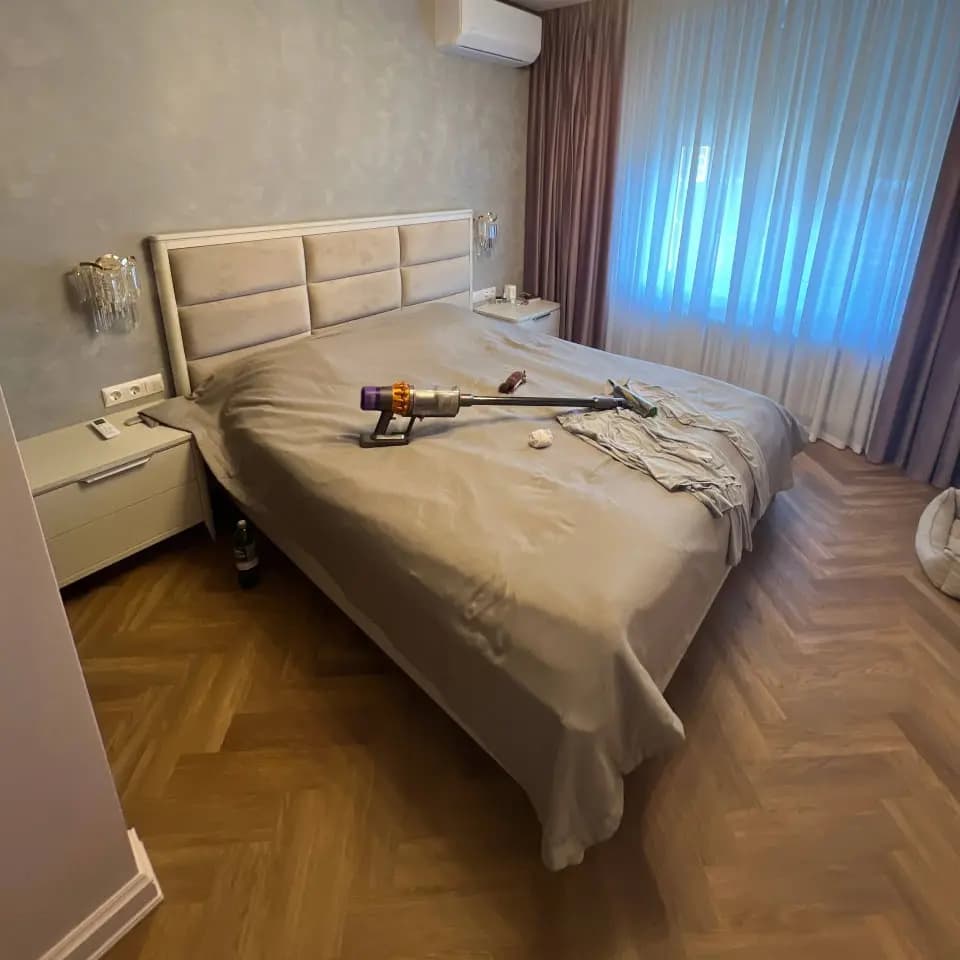
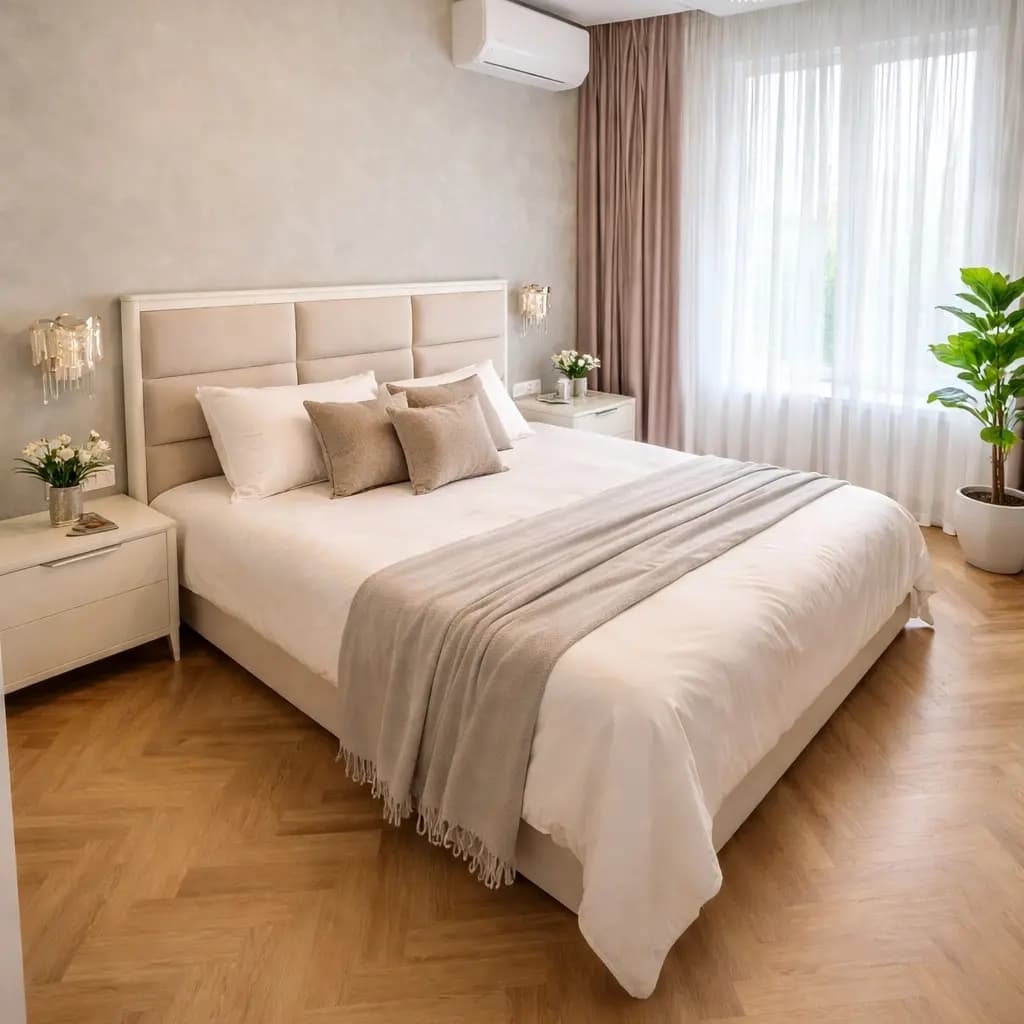
Deciding Between San Francisco and Portland
Lean into wood tones for Portland Craftsman interiors
Original fir floors and box-beam ceilings deserve furniture that reads as a continuation rather than a contrast. Walnut, white oak, and saddle leather amplify the architecture. Avoid painted case goods and high-gloss finishes that make the wood look dated rather than honored.
Use restrained palettes for San Francisco Edwardians
Soft whites, foggy greys, and a single muted accent like sage or ink keep the focus on bay windows, picture rails, and crown molding. Bright primary colors and oversized prints read as fighting the architecture rather than supporting it in a Pacific Heights or Noe Valley flat.
Stage Portland porches and gardens as living rooms
The front porch and back garden are part of the listing in Portland in ways they are not elsewhere. A simple bistro set on the porch and a garden bench under a tree do real work in the photo set. Skip the staging there and the listing reads incomplete to local buyers.
Calibrate lamp warmth to local light conditions
Portland's grey season punishes cool bulb temperatures. Specify warm bulbs around twenty-seven hundred kelvin and layer in table and floor lamps. San Francisco's flat fog light handles a slightly cooler temperature but still benefits from warm accent lighting in dining and primary bedroom photos.
Photograph original details intentionally in both cities
Leaded windows, original tile, and fir floors in Portland and stained glass, picture rails, and bay windows in San Francisco are buyer triggers. Brief the photographer to include at least one detail shot per listing. Stagers should leave those details unobstructed rather than placing furniture that hides them.
San Francisco vs Portland FAQ
Is San Francisco or Portland more affordable for homebuyers?
Portland is more affordable with a median home price of $510,000 compared to San Francisco's $1,350,000 — a difference of $840,000 (62%). However, affordability also depends on local incomes, property taxes, and cost of living. Both markets offer opportunities for buyers at different price points.
Which market is hotter, San Francisco or Portland?
San Francisco is currently the faster-moving market with homes averaging 30 days on market, compared to 42 days in Portland. A shorter time on market typically indicates stronger buyer demand and more competition. Agents in San Francisco need to list quickly — virtual staging helps get listings photo-ready in minutes, not weeks.
Should I stage my home when selling in San Francisco or Portland?
Absolutely — staged homes sell faster and for more money in both markets. In San Francisco (median $1,350,000), even a 1-2% price increase from staging can mean thousands more at closing. In Portland (median $510,000), the same applies. Virtual staging with Agent Lens costs just $0.10 per image, making it a no-brainer for agents in either market.
How does virtual staging help in competitive markets like San Francisco and Portland?
Virtual staging transforms empty rooms into beautifully furnished spaces in under 60 seconds. In competitive markets, first impressions matter — 97% of buyers start their search online. Staged listing photos get more clicks, more showings, and higher offers. At $0.10 per image, virtual staging delivers professional results at a fraction of physical staging costs ($2,000-$5,000+).
Is staging less important in Portland because buyers prize authenticity?
It is different, not less important. Portland buyers reward restrained, material-honest staging that respects the architecture they came to see. Overstaging a Hawthorne bungalow with coastal beach decor or oversized contemporary pieces actively hurts the listing in ways agents underestimate. The right brief in Portland produces strong staging that reads as lived-in rather than absent or imported, and that combination consistently outperforms unfurnished or generically furnished alternatives in days on market and final negotiated price.
How should I handle staging for a renovated mid-century home in either city?
In Portland's Eastmoreland or Laurelhurst, mid-century renovations reward warm woods, vintage rugs, and a restrained palette that respects the original lines. In San Francisco's Diamond Heights or Twin Peaks, similar mid-century homes can carry slightly bolder color blocks like olive, mustard, or rust because the original design assumed that vocabulary. Both reward avoiding overly trendy pieces that will date the listing within a year.
What buyer expectations differ most between these markets when looking at staged photos?
Portland buyers look for evidence of indoor-outdoor flow, garden potential, and original material preservation. They notice when fir floors are obscured by oversized rugs. San Francisco buyers scan for natural light, ceiling height, and architectural detail. They notice when bay windows are blocked by furniture or when staging makes a small flat look misleadingly large. Each pool penalizes different staging mistakes.
Should virtual staging work be different for Portland versus San Francisco vacant listings?
Yes. For Portland vacants, virtual furniture should lean toward warm woods, natural fiber rugs, and oat or saddle upholstery to match Pacific Northwest expectations. For San Francisco vacants, virtual staging can run cooler in palette and slightly more contemporary, especially for SoMa or Mission Bay condos. The calibration also has to match the photographer's lens choice and the room's actual scale to avoid the obvious AI tells that erode buyer trust.
Which neighborhoods reward the strongest staging investment in each city?
In Portland, Laurelhurst, Eastmoreland, Alberta Arts, and Sellwood reward investment because the buyer pool there expects polished presentations. In San Francisco, Pacific Heights, Noe Valley, Cole Valley, and Dogpatch typically reward investment for similar reasons. In transitional pockets in both cities, lighter staging works because buyers are pricing on potential. Match the staging level to the neighborhood's buyer sophistication for the best return.