

San Francisco vs Boise: Which city is better for real estate?
San Francisco and Boise sit on opposite ends of the western buyer spectrum, and a staging brief that works in one will misfire in the other almost every time. The Bay Area buyer reads listing photos for architectural pedigree, light handling, and proof of design literacy in the room layout. Boise buyers, particularly those moving from Northern California or the Pacific Northwest, are looking for room to breathe, a sense of place, and a layout that supports four-season outdoor living. Architecture diverges as well. San Francisco listings carry Edwardians, Victorians, mid-century flats, and an increasing stock of contemporary infill in Dogpatch and Mission Bay. Boise's housing stock runs through North End bungalows, East End ranches, mid-century pockets in the Bench, and a heavy contemporary new-build presence in the Foothills and southeast suburbs. Climate also reshapes priorities. Boise has a real four-season pattern with high desert dryness and strong sun across the year, while San Francisco's microclimates produce flat fog-filtered light most days regardless of season. Stage both with the same furniture pull and you will see one listing photograph as polished and the other as imported. The fix is matching the brief to the local architecture, light, and buyer pool with intention rather than habit.
San Francisco vs Boise
Real Estate Market Comparison
Thinking about buying or selling property? Compare the San Francisco, CA and Boise, ID real estate markets side by side — from median prices and days on market to top neighborhoods and staging strategies.
Migration Insight
Boise neighborhoods carry strong personalities once you read them carefully on the ground. The North End is dense with Craftsman bungalows, foursquares, and tree-lined streets that demand staging respect for original woodwork and front porch culture that defines the area. The East End mixes ranch homes with newer infill, where staging can lean cleaner and more contemporary in tone. Foothills new-builds reward warmer palettes, layered textures, and clear sightlines to the surrounding hills that buyers came to see. Boise buyers also tour with an outdoor mindset because trail access, river paths, and mountain views shape lifestyle expectations year round. San Francisco neighborhoods read architecture more than landscape. Pacific Heights, Noe Valley, Cole Valley, and the Mission each carry expected design vocabularies, and buyers penalize staging that ignores them or imports the wrong references. Climate pushes the staging in different directions across the two cities. Boise's strong sun and dry winters reward warm woods, leather, and earth tones that handle the desert light honestly. San Francisco's fog rewards softer palettes with internal contrast and warm accent lighting that keeps photos from going flat in the gallery view that buyers scroll first.
- Pacific Heights
- Noe Valley
- Marina District
- Russian Hill
- SoMa
- North End
- Downtown
- Eagle
- Meridian
- Hyde Park
San Francisco is the most expensive major market in the US with median prices over $1.3M. At these price points, professional staging is non-negotiable — buyers expect flawless presentation. Virtual staging delivers luxury presentation at a fraction of traditional staging costs.
Boise's explosive growth has attracted California and Pacific Northwest buyers seeking affordability and outdoor lifestyle. These relocating buyers have elevated expectations from expensive home markets. Virtual staging helps Boise agents meet coastal buyer standards in this competitive mountain west market.
Market Dynamics: San Francisco vs Boise
### Architectural vocabulary and palette logic
A North End Boise bungalow shares some DNA with a Portland Craftsman, but the staging logic shifts because of climate and buyer expectations. Walnut and white oak case goods, leather club chairs, and warm grey or oat upholstery let the original fir floors and built-ins lead. Earth-toned accents like rust, sage, or warm terracotta read as honest in the high desert. East End ranches accept a slightly cleaner contemporary brief with mid-century influences, while Foothills new-builds reward layered textures and a warm modern palette that does not fight the surrounding hills. San Francisco's vocabulary runs different. An Edwardian in Pacific Heights or a Victorian in Alamo Square needs restraint, period-respectful materials, and softer whites and greys. Mid-century flats accept slightly bolder color blocks. Contemporary infill in Dogpatch handles a cooler palette with warm wood accents. Mismatching these vocabularies produces listings that read off to local buyers immediately.
### Light, photography, and buyer persona
Boise's strong high desert light produces sharp shadows and warm exterior tones, especially in the Foothills and along the Greenbelt. Staging needs to support that light with materials that catch shadow detail rather than fight it. Linen, leather, and textured wool read better than synthetic upholstery under that sun. Photographers there often lean on golden-hour exteriors and moderate interior lenses. San Francisco shoots are usually flatter due to fog, and stagers compensate by adding internal contrast and warm accent lighting. Buyer personas matter just as much as architecture. Boise's active buyer pool skews toward families relocating from California, Oregon, or Washington, plus remote workers seeking outdoor lifestyle and a slower pace. They read photos for evidence of yard, garage, and primary suite quality. San Francisco buyers tend toward tech or finance professionals, returning expatriates, and design-literate locals trading up within the city. They scan photos for architectural detail, ceiling height, and natural light handling. Brief your stager and photographer with the specific buyer in mind. A Boise Foothills new-build photographed at golden hour with warm modern staging will out-perform the same home shot under flat midday light with imported coastal furniture, just as a Pacific Heights Edwardian benefits from period-honest staging shot under diffused fog light. The combination of architecture, climate, and buyer sets the brief. Treating both cities as one market is the most common mistake I see agents make when scaling across the West.
Key Takeaways
Price difference: $905,000 (67%)
Boise ($445,000) is $905,000 more affordable than San Francisco ($1,350,000).
Speed difference: 10 days
Homes in San Francisco sell in 30 days on average vs 40 days in Boise.
More affordable: Boise, ID
With a median price of $445,000, Boise offers more entry-level options for first-time buyers and investors.
Faster market: San Francisco, CA
At 30 days on market, San Francisco moves faster. Sellers in this market benefit most from being listing-ready on day one — virtual staging delivers in under 60 seconds.
Stage Your Listing in Either Market
Transform empty rooms into stunning staged photos in 60 seconds. Starting at $0.10 per image.
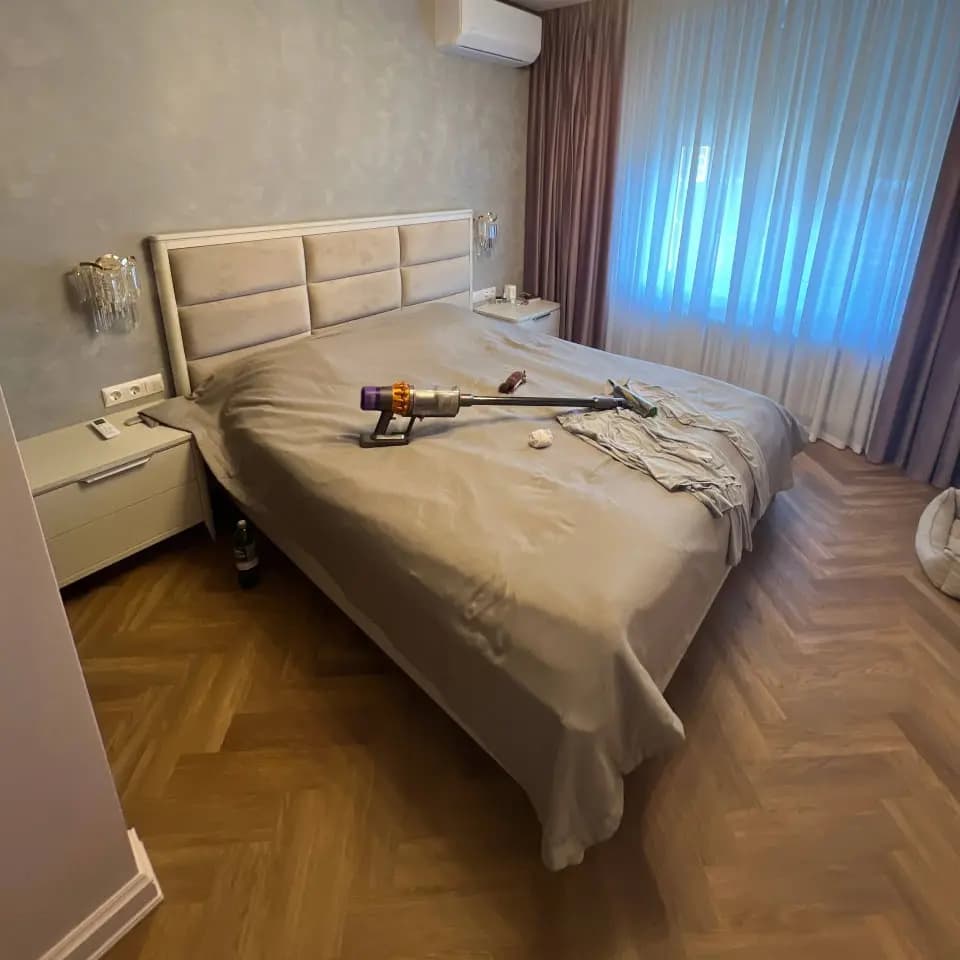
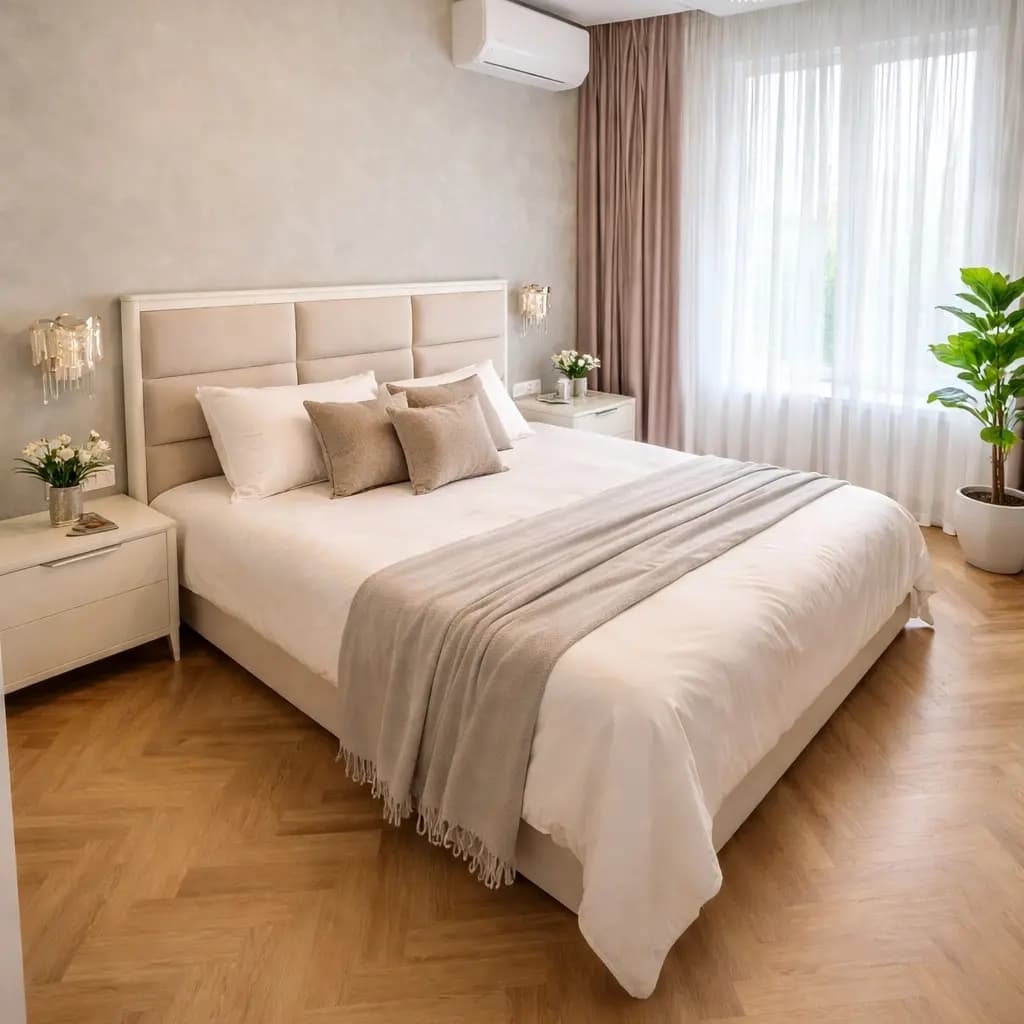
Deciding Between San Francisco and Boise
Match palette to high desert light in Boise
Earth tones like rust, sage, warm terracotta, and saddle leather catch the sharp Boise sun honestly and read as place-appropriate. Cool greys and bright whites that work in coastal markets often look chalky under that light. Specify warm woods and textured fabrics to make every photo feel grounded.
Honor original woodwork in North End bungalows
Boise's North End Craftsmans and foursquares carry fir floors, built-ins, and box-beam ceilings that buyers read as character. Choose furniture in walnut or white oak that complements the original wood, and avoid painted case goods or high-gloss finishes that fight the architecture rather than respecting it.
Stage Foothills new-builds with restraint and texture
Boise Foothills homes win on views and modern lines. Stage with layered textures like boucle, wool, and leather rather than oversized statement pieces. Keep sightlines to the hills clear, and let the architecture and the landscape lead the photos rather than competing for attention.
Use period-respectful staging for San Francisco Edwardians
Pacific Heights and Noe Valley Edwardians need restraint. Soft whites, foggy greys, a single muted accent, and unlacquered brass hardware honor the period. Skip oversized contemporary pieces and bright primary colors that fight the picture rails, crown molding, and bay windows that local buyers expect to see.
Calibrate virtual staging to local buyer expectations
For Boise vacants, brief virtual stagers toward warm woods, leather, and earth tones with golden-hour lighting cues. For San Francisco vacants, lean toward soft palettes with internal contrast and diffused fog light. Mismatched virtual staging is one of the fastest ways to lose buyer trust before they ever book a showing.
San Francisco vs Boise FAQ
Is San Francisco or Boise more affordable for homebuyers?
Boise is more affordable with a median home price of $445,000 compared to San Francisco's $1,350,000 — a difference of $905,000 (67%). However, affordability also depends on local incomes, property taxes, and cost of living. Both markets offer opportunities for buyers at different price points.
Which market is hotter, San Francisco or Boise?
San Francisco is currently the faster-moving market with homes averaging 30 days on market, compared to 40 days in Boise. A shorter time on market typically indicates stronger buyer demand and more competition. Agents in San Francisco need to list quickly — virtual staging helps get listings photo-ready in minutes, not weeks.
Should I stage my home when selling in San Francisco or Boise?
Absolutely — staged homes sell faster and for more money in both markets. In San Francisco (median $1,350,000), even a 1-2% price increase from staging can mean thousands more at closing. In Boise (median $445,000), the same applies. Virtual staging with Agent Lens costs just $0.10 per image, making it a no-brainer for agents in either market.
How does virtual staging help in competitive markets like San Francisco and Boise?
Virtual staging transforms empty rooms into beautifully furnished spaces in under 60 seconds. In competitive markets, first impressions matter — 97% of buyers start their search online. Staged listing photos get more clicks, more showings, and higher offers. At $0.10 per image, virtual staging delivers professional results at a fraction of physical staging costs ($2,000-$5,000+).
How different should my staging brief be for a Boise listing versus a San Francisco one?
Substantially different. Boise listings reward warm earth tones, leather, walnut, and a clear connection to outdoor lifestyle. San Francisco listings reward restraint, period-respectful materials, and softer palettes that handle fog light. Identical staging across both will leave one of the two listings looking imported. Brief each stager on the specific architecture, climate, and buyer pool to keep both photo sets working as hard as they should.
Do Boise buyers actually notice staging quality the way coastal buyers do?
They do, especially in the North End, East End, and Foothills where the buyer pool now includes many relocators from California, Oregon, and Washington. Those buyers bring coastal-market expectations and tour with sharp eyes for staging mistakes. A well-staged Boise listing routinely outperforms an unstaged or poorly staged one in the same neighborhood, particularly for homes priced above the local median where the buyer pool is most design-literate.
How should I handle a vacant listing in either city if I am leaning on virtual staging?
Treat the brief seriously. For Boise, specify warm woods, leather, and earth tones with golden-hour lighting cues that match local photography defaults. For San Francisco, specify soft palettes with internal contrast and diffused fog light. In both cases, scale and perspective have to match the photographer's lens, or the inserted furniture will read as fake immediately. A careful brief produces virtual staging that performs nearly as well as physical staging in many cases.
Which Boise neighborhoods reward the strongest staging investment?
The North End, East End, Foothills, and increasingly Northwest Boise reward strong staging because the buyer pools there expect polished presentations. Boise Bench and outlying suburbs benefit from staging too, but the level of investment can be lighter. Match the staging budget to the neighborhood's buyer sophistication and price point rather than treating Boise as one market with one brief.
Are there architectural styles that need especially careful staging in either city?
In San Francisco, Edwardians and Victorians need the most careful staging because original details are buyer triggers and easy to disrespect. Mid-century flats are forgiving but reward thoughtful palettes. In Boise, North End Craftsmans and foursquares need similar care to honor original fir floors and built-ins. Foothills new-builds reward staging that respects the views. Each style has a vocabulary, and ignoring it produces listings that read generic instead of place-specific.