

San Francisco vs Austin: Which city is better for real estate?
After fifteen years writing offers in both Bay Area and Central Texas, I can tell you these two markets reward completely different staging instincts. San Francisco buyers walk into Edwardian flats in Pacific Heights or 1920s Marina cottages expecting bay windows framed, original picture rails respected, and a clear answer to one question: where does the king bed actually fit in this awkward second bedroom? Austin shoppers crossing thresholds in Mueller, Tarrytown, or Zilker want the opposite story. They want airy oak floors, a screened porch that reads as a second living room, and proof that two adults plus a Goldendoodle move through the kitchen at the same time. Listing photos carry the entire weight of that translation, because Austin buyers from California, New York, and Chicago shop on phones before they ever board a plane. AI virtual staging lets a San Francisco agent show a furnished primary suite inside a Noe Valley Victorian without trucking in a queen bed up three flights, and lets an Austin agent transform a builder-grade flip in Easton Park into a warm, lived-in family home in under an hour. Both cities punish empty rooms in photographs, but for opposite reasons I will unpack below.
San Francisco vs Austin
Real Estate Market Comparison
Thinking about buying or selling property? Compare the San Francisco, CA and Austin, TX real estate markets side by side — from median prices and days on market to top neighborhoods and staging strategies.
Migration Insight
San Francisco inventory skews vertical and historic. You are usually working with bay-window living rooms 11 by 16 feet, narrow galley kitchens, and bedrooms that share a wall with the staircase. The staging job is proving the floor plan works. In Austin, especially in Mueller, Crestview, and the new Whisper Valley sections, rooms are wider, ceilings hit ten feet, and the patio matters as much as the den. I tell my Austin sellers we are staging four rooms: living, primary, kitchen banquette, and outdoor. In San Francisco I stage three plus the dining nook, because dining nooks sell flats above Divisadero. Climate also drives wardrobe. Austin photos benefit from linen, rattan, and unlined curtains that move. San Francisco photos hold up better with wool rugs, leather, and warmer table lamps because the natural light through fog reads cool on camera. Both cities reward keeping original details visible, whether that is Austin shiplap or San Francisco wainscoting.
- Pacific Heights
- Noe Valley
- Marina District
- Russian Hill
- SoMa
- South Congress
- Zilker
- East Austin
- Westlake
- Cedar Park
San Francisco is the most expensive major market in the US with median prices over $1.3M. At these price points, professional staging is non-negotiable — buyers expect flawless presentation. Virtual staging delivers luxury presentation at a fraction of traditional staging costs.
Austin's tech-driven economy brings design-savvy buyers who expect modern, well-staged listings. The market has cooled from its 2022 peak, making professional presentation more important than ever. Virtual staging helps Austin agents compete for tech workers with high aesthetic standards.
Market Dynamics: San Francisco vs Austin
### What buyers actually scroll past
The scroll problem looks identical on Zillow but plays out differently on each side. San Francisco shoppers trained on Pacific Heights and Cole Valley listings will not stop on a vacant living room. They assume the room is too small, the layout is broken, or the seller ran out of money. Even one staged seating arrangement, a low credenza under the bay window, a wool rug sized correctly to the room, signals the property is move-in ready. Austin buyers, especially relocators, scroll past empty primary suites and empty back patios. The patio is where Austin sells itself: string lights, a steel firepit, two Adirondack chairs, and a glimpse of native landscaping turn a generic flip into a lifestyle. AI virtual staging handles both jobs without the freight, the warehouse rental, or the three-day install window that physical staging companies still require in tight neighborhoods like Russian Hill.
### Where the markets diverge on style
San Francisco buyers are conservative on furniture and adventurous on art. A Marina two-bedroom photographs best with a tailored sofa in a quiet color, a brass floor lamp, and one large piece of contemporary art over the mantel. Filling the walls with abstract florals and farmhouse signs reads like a flip and depresses offers. Austin runs the opposite way. Buyers in Travis Heights and Bouldin Creek expect personality. Vintage leather, a Saarinen tulip table, a worn Persian rug layered over jute, and bookshelves with actual books make the room feel like a real Austin household. Color tolerance is also higher in Austin, where a deep green primary bedroom or a terracotta dining wall photographs warmly under that strong Texas sun. The technical lesson is to match staging style to neighborhood expectation, not to a national catalog. Real Estate Staging Association data has long shown that staged listings move faster than vacant ones, and the gap widens in markets like Austin where new construction inventory competes head-to-head every weekend.
Key Takeaways
Price difference: $825,000 (61%)
Austin ($525,000) is $825,000 more affordable than San Francisco ($1,350,000).
Speed difference: 25 days
Homes in San Francisco sell in 30 days on average vs 55 days in Austin.
More affordable: Austin, TX
With a median price of $525,000, Austin offers more entry-level options for first-time buyers and investors.
Faster market: San Francisco, CA
At 30 days on market, San Francisco moves faster. Sellers in this market benefit most from being listing-ready on day one — virtual staging delivers in under 60 seconds.
Stage Your Listing in Either Market
Transform empty rooms into stunning staged photos in 60 seconds. Starting at $0.10 per image.
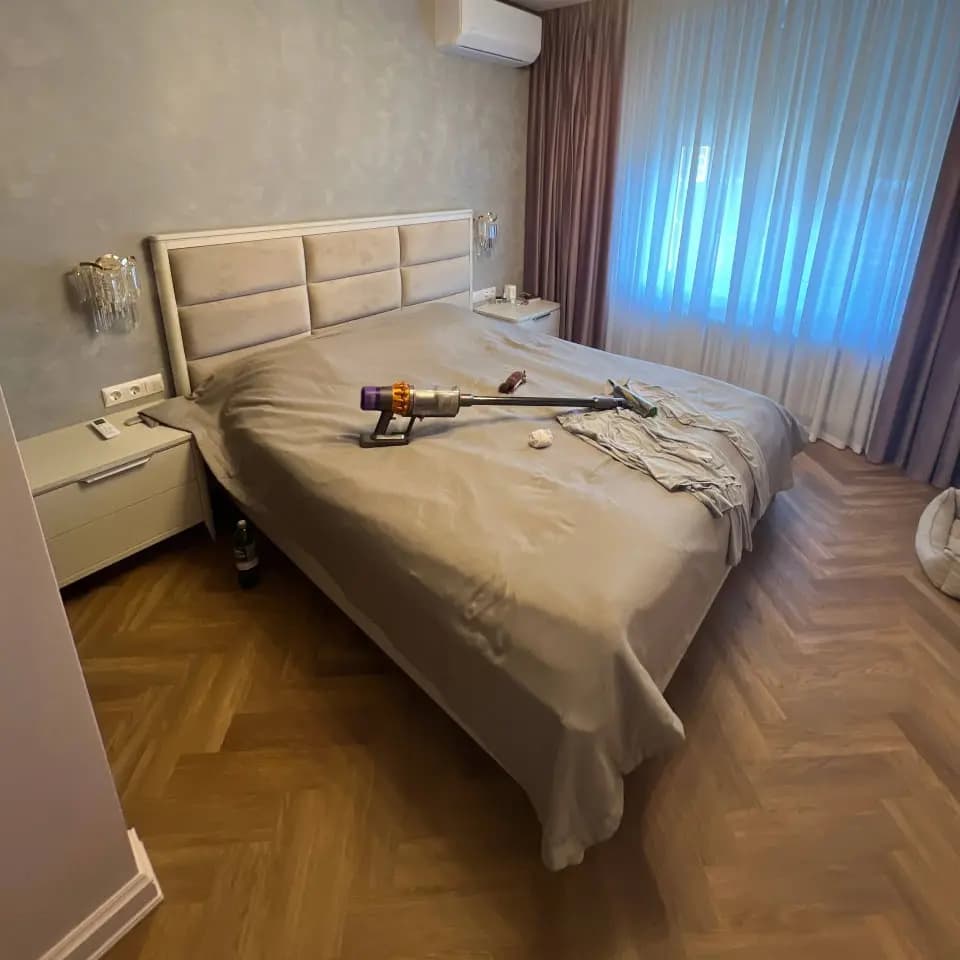
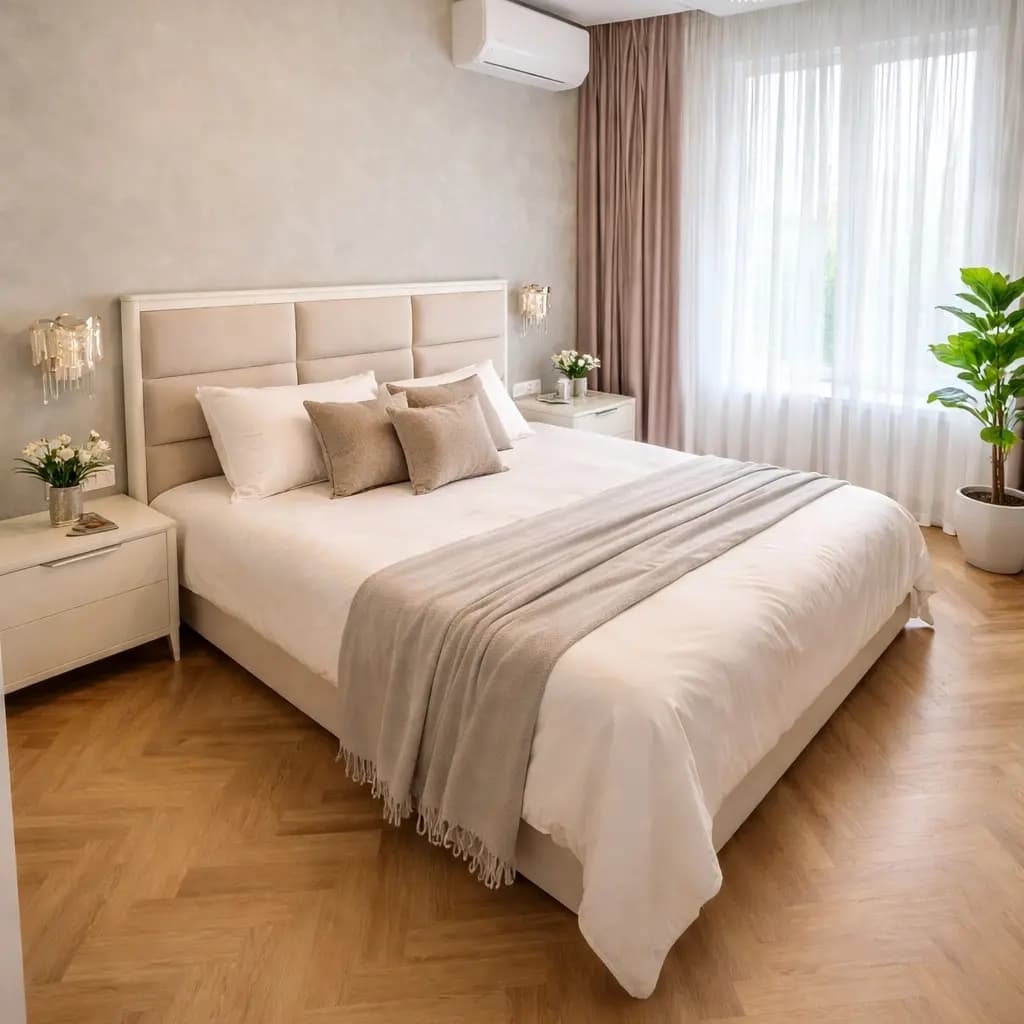
Deciding Between San Francisco and Austin
Stage the bay window first in San Francisco
Bay windows are the architectural signature buyers came to see. Center a low console or a slim writing desk under the window and keep the seating arrangement perpendicular. This proves the room functions and frames the natural light, which photographs cooler in fog than agents expect.
Show the Austin patio as a second living room
On any Austin listing with a covered porch or back deck, virtually stage a full conversation set with a rug, lighting, and shade. Relocators from California and the Northeast read outdoor square footage as bonus interior space, especially March through November when the photos go live.
Respect original millwork in both cities
Do not let virtual furniture cover wainscoting in a Pacific Heights flat or shiplap in a Hyde Park bungalow. Pull sofas eight to ten inches off the wall in the render so the original detail stays visible. Buyers in both markets pay a premium for intact period work.
Match light temperature to the city
Use warmer 2700K lamp renders for San Francisco living rooms because fog reads cool on camera. For Austin interiors with strong south light, a 3000K balance keeps the wood floors honest and prevents that orange cast that screams over-edited listing photo.
Stage the awkward second bedroom honestly
San Francisco flats almost always have one bedroom that fits a queen only diagonally. Stage it as a full guest room with the actual bed size that fits. Austin homes usually have a flex room. Stage that as a dedicated home office with a real desk, not a peloton and a yoga mat.
San Francisco vs Austin FAQ
Is San Francisco or Austin more affordable for homebuyers?
Austin is more affordable with a median home price of $525,000 compared to San Francisco's $1,350,000 — a difference of $825,000 (61%). However, affordability also depends on local incomes, property taxes, and cost of living. Both markets offer opportunities for buyers at different price points.
Which market is hotter, San Francisco or Austin?
San Francisco is currently the faster-moving market with homes averaging 30 days on market, compared to 55 days in Austin. A shorter time on market typically indicates stronger buyer demand and more competition. Agents in San Francisco need to list quickly — virtual staging helps get listings photo-ready in minutes, not weeks.
Should I stage my home when selling in San Francisco or Austin?
Absolutely — staged homes sell faster and for more money in both markets. In San Francisco (median $1,350,000), even a 1-2% price increase from staging can mean thousands more at closing. In Austin (median $525,000), the same applies. Virtual staging with Agent Lens costs just $0.10 per image, making it a no-brainer for agents in either market.
How does virtual staging help in competitive markets like San Francisco and Austin?
Virtual staging transforms empty rooms into beautifully furnished spaces in under 60 seconds. In competitive markets, first impressions matter — 97% of buyers start their search online. Staged listing photos get more clicks, more showings, and higher offers. At $0.10 per image, virtual staging delivers professional results at a fraction of physical staging costs ($2,000-$5,000+).
Does virtual staging work for historic San Francisco Victorians?
Yes, and it usually works better than physical staging in those buildings. Narrow staircases in Alamo Square and Buena Vista Heights make freight expensive and slow. AI virtual staging lets you keep the empty bay window photo in the gallery and add a furnished version, so listing agents satisfy both the buyer who wants to see the bones and the buyer who needs help imagining the layout. Most Bay Area MLS rules require disclosure that images are virtually staged, which my office handles in the photo caption.
How should I stage an Austin new-construction flip differently from a resale?
Builder-grade flips in Easton Park, Goodnight Ranch, and the EastVillage need warmth fast. Layer a textured rug, a lived-in leather chair, real plants, and warm metal lamps so the rooms stop reading as model home. Resales in Tarrytown or Travis Heights need the opposite move. They have personality already, so use cleaner Scandinavian or transitional staging to widen the buyer pool without erasing the character that made the listing worth more.
Which rooms move the needle most in each market?
In San Francisco the living room with the bay window and the primary bedroom carry the gallery. Buyers often skip past the kitchen because they expect to renovate it anyway. In Austin the primary suite, the open kitchen-living combo, and the outdoor space drive showings. Stage those four hardest, and use AI virtual staging to keep one before image of each so buyers can verify the room is real, not a render-only fantasy.
How long should staging take with AI tools?
On a typical four-bedroom listing I batch process the photos in about an hour, including reviewing every render for plausibility before publishing. The cycle that used to take a physical staging company three to five days, plus a coordination call with the seller, now happens between the photo shoot Friday afternoon and the MLS launch Monday morning. That speed matters most in Austin during spring relocation season, when a week of delay loses you the relocation cohort entirely.
Will buyers feel deceived when they see the empty house in person?
Not when staging is honest about scale and layout. The complaints I hear come from listings where the virtual sofa was eleven feet long in a nine-foot room, or where the render hid a structural column. Use furniture sized to the actual room, keep architectural elements visible, and disclose virtual staging in the listing remarks. National Association of Realtors guidance is consistent on disclosure, and buyers in both cities reward agents who follow it.