

Portland vs Denver: Which city is better for real estate?
Portland and Denver share Mountain West buyer overlap but speak different visual dialects on MLS photos. Portland's Alberta Arts, Sellwood, and Laurelhurst neighborhoods feature Old Portland Foursquares, English cottage revivals, and 1920s bungalows with clinker brick chimneys and leaded glass. Denver's Park Hill, Wash Park, and Berkeley districts carry Denver Squares, Tudor cottages, and post-war ranches built into the high-plains grid. The same generic staging template fails in both cities for opposite reasons: Portland buyers expect lived-in warmth that respects mossy gardens and rain-light interiors, while Denver buyers want crisp, sun-bright compositions that match 300 days of high-altitude clarity. AgentLens at aistage.pro generates virtual staging that adapts to these regional reading habits, giving listing agents room compositions that match how local buyers and relocation prospects already filter photos. This comparison breaks down architectural patterns, light conditions, and furniture scale choices that separate winning Portland listings from winning Denver listings, with practical guidance for agents working either Willamette Valley or Front Range inventory who want their photos to convert showings rather than scroll-by traffic.
Portland vs Denver
Real Estate Market Comparison
Thinking about buying or selling property? Compare the Portland, OR and Denver, CO real estate markets side by side — from median prices and days on market to top neighborhoods and staging strategies.
Migration Insight
Portland buyers in Sellwood, Hawthorne, and Mount Tabor reward staging that nods to Pacific Northwest craft traditions: Pendleton wool throws, hand-thrown ceramics, fiddle-leaf fig in a glazed planter, and unfinished oak coffee tables. Denver buyers in LoHi, Sloan's Lake, and Stapleton (now Central Park) respond to a cleaner aesthetic with white oak veneer, blackened steel accents, and southwestern-influenced textiles in muted clay and sage. Relocation traffic differs too. Portland still pulls heavily from California Bay Area buyers seeking single-family options, who respond to staging that signals craft and locality. Denver pulls from Texas, the Midwest, and California tech, with buyers who want move-in-ready presentation showing how contemporary furniture handles the open-plan ranches dominating Wash Park and Park Hill. In Portland's Alameda and Irvington, virtual staging should preserve original Douglas fir floors and box beam ceilings rather than crowd them with oversized pieces. Denver's Berkeley and Highland bungalows benefit from staging that opens sightlines to backyard ADUs, since detached units have become a primary selling feature in those zip codes.
- Pearl District
- Alberta Arts
- Hawthorne
- Northwest
- Sellwood
- Cherry Creek
- LoHi
- Washington Park
- RiNo
- Highland
Portland buyers value sustainability, design, and character. The market appreciates unique, well-curated spaces over cookie-cutter staging. Virtual staging can match Portland's eclectic aesthetic with mid-century modern, industrial, and bohemian styles.
Denver's outdoor-lifestyle market attracts young professionals and families from both coasts. Modern and contemporary styles dominate buyer preferences, and staged listings stand out in a competitive market that values clean, aspirational aesthetics.
Market Dynamics: Portland vs Denver
### Light Behavior Drives Different Color Stories
Portland averages 156 sunny days per year while Denver averages 245, and the difference dictates virtual staging color decisions more than any trend forecast. Portland interior photos read with a gentle gray-green cast from overcast windows and surrounding cedar and Douglas fir. Virtual staging there benefits from saturated warm accents like rust, mustard, and deep terracotta that punch through the cool ambient light without feeling artificial. Denver's high-altitude sun reads sharp and slightly yellow, especially in south-facing rooms in Wash Park and Cherry Creek. Staging there can lean into desaturated, dusty palettes: bone, oat, sage, and clay. Pure white walls that look crisp in Portland photos can read bleached and harsh in Denver light. Wood tones also shift. Walnut and rich oak ground Portland rooms; lighter rift-cut oak and natural pine flatter Denver's high-light interiors.
### Architectural Scale and Furniture Vocabulary
Portland's bungalow and foursquare stock features narrower hallways, smaller bedrooms, and tighter dining rooms than Denver's older inventory. A 1912 foursquare in Laurelhurst typically has a 12-by-14 living room and 11-by-12 dining room, scaled for Stickley-era furniture that respects built-in benches and pocket doors. Cramming a deep modern sectional into that footprint kills the photo. Denver Squares, despite the name, often have larger main floors with pass-through dining and broader kitchen footprints, and they accept more substantial upholstered pieces. Mid-century ranches in Krisana Park and Virginia Vale want low-profile teak credenzas, walnut dining sets, and Knoll-style chairs. Tudor cottages in Hilltop and Belcaro want darker stained pieces with linen upholstery and brass accents. Match the furniture vocabulary to the architectural era and the room scale rather than pulling from a single staging template, and the photos start carrying their own narrative for buyers scrolling Zillow at 11 p.m.
Key Takeaways
Price difference: $65,000 (11%)
Portland ($510,000) is $65,000 more affordable than Denver ($575,000).
Speed difference: 8 days
Homes in Denver sell in 34 days on average vs 42 days in Portland.
More affordable: Portland, OR
With a median price of $510,000, Portland offers more entry-level options for first-time buyers and investors.
Faster market: Denver, CO
At 34 days on market, Denver moves faster. Sellers in this market benefit most from being listing-ready on day one — virtual staging delivers in under 60 seconds.
Stage Your Listing in Either Market
Transform empty rooms into stunning staged photos in 60 seconds. Starting at $0.10 per image.
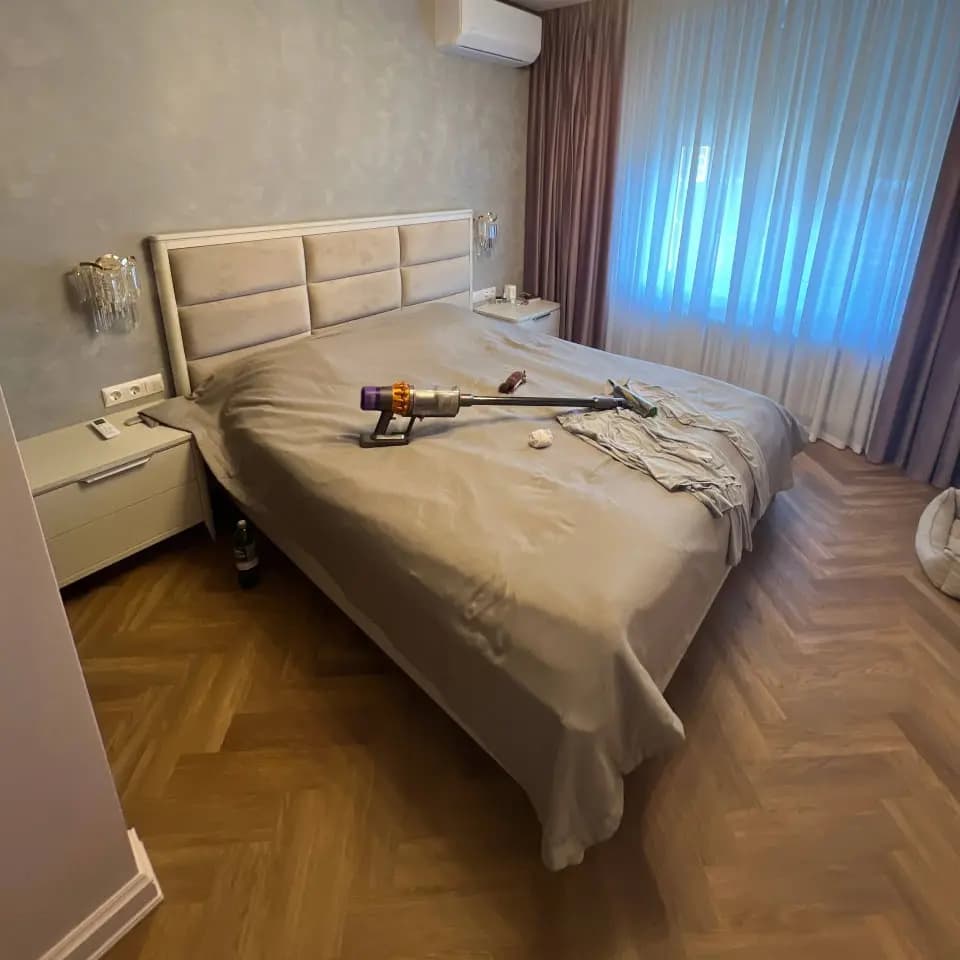
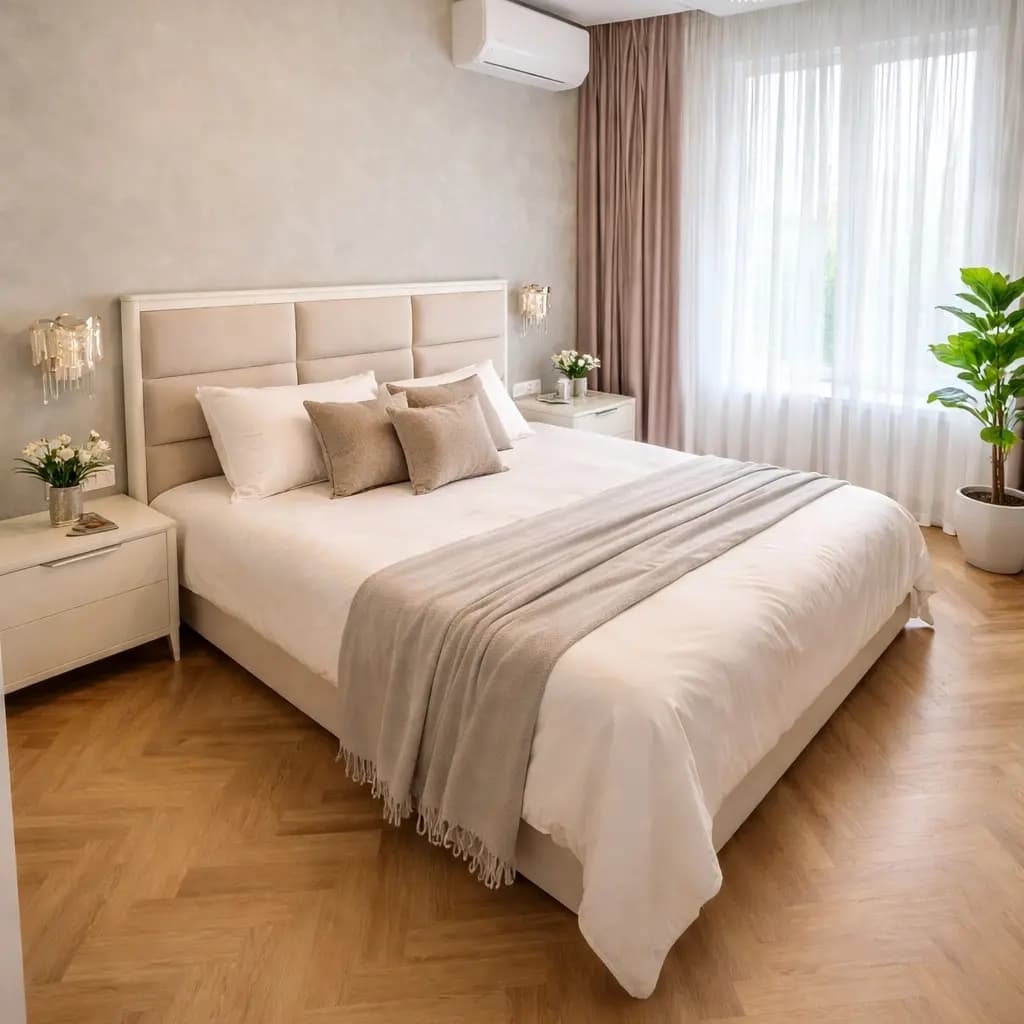
Deciding Between Portland and Denver
For Portland Alberta and Mississippi listings near the
For Portland Alberta and Mississippi listings near the historic streetcar lines, virtually stage with Pendleton-pattern textiles and ceramic table lamps to signal local craft culture buyers actively search for.
In Denver's Wash Park and Bonnie Brae, request
In Denver's Wash Park and Bonnie Brae, request staging that keeps original picture windows clear so the park-adjacent sightlines and high-plains light remain the room's hero.
For Portland foursquares with original built-in buffets, stage
For Portland foursquares with original built-in buffets, stage the dining room with a smaller table that lets the buffet read as the focal point rather than competing with bulky modern pieces.
In Denver mid-century ranches in Krisana Park and
In Denver mid-century ranches in Krisana Park and Virginia Village, choose teak or walnut staging pieces with visible legs so the floor plane stays visible and rooms photograph larger.
For both metros, ask for staging that introduces
For both metros, ask for staging that introduces one piece of locally relevant art - Pacific Northwest landscape lithograph for Portland, abstract Front Range geometry for Denver - to make spec interiors feel curated.
Portland vs Denver FAQ
Is Portland or Denver more affordable for homebuyers?
Portland is more affordable with a median home price of $510,000 compared to Denver's $575,000 — a difference of $65,000 (11%). However, affordability also depends on local incomes, property taxes, and cost of living. Both markets offer opportunities for buyers at different price points.
Which market is hotter, Portland or Denver?
Denver is currently the faster-moving market with homes averaging 34 days on market, compared to 42 days in Portland. A shorter time on market typically indicates stronger buyer demand and more competition. Agents in Denver need to list quickly — virtual staging helps get listings photo-ready in minutes, not weeks.
Should I stage my home when selling in Portland or Denver?
Absolutely — staged homes sell faster and for more money in both markets. In Portland (median $510,000), even a 1-2% price increase from staging can mean thousands more at closing. In Denver (median $575,000), the same applies. Virtual staging with Agent Lens costs just $0.10 per image, making it a no-brainer for agents in either market.
How does virtual staging help in competitive markets like Portland and Denver?
Virtual staging transforms empty rooms into beautifully furnished spaces in under 60 seconds. In competitive markets, first impressions matter — 97% of buyers start their search online. Staged listing photos get more clicks, more showings, and higher offers. At $0.10 per image, virtual staging delivers professional results at a fraction of physical staging costs ($2,000-$5,000+).
Which market sees stronger results from virtual staging compared to physical staging?
Both markets see strong virtual staging adoption, but Denver's faster pace and high relocation share make virtual staging especially valuable because listings often go live within days of vacancy. Portland's slower listing cadence allows for either approach, though virtual staging still wins on cost and speed. Real Estate Staging Association data shows staged listings consistently outperform unstaged comparables across both metros.
How should staging differ for new-construction townhomes versus older single-family homes?
Denver new construction in RiNo, Sunnyside, and Berkeley usually delivers gray-and-white spec finishes that need warming through staging: rust upholstery, walnut accents, and clay ceramics. Portland new infill in Cully and Foster-Powell often arrives with darker finishes that benefit from lighter staging - oat linen, pale oak, soft brass - to brighten interiors without fighting the built-in palette.
Do relocation buyers from California respond differently in Portland versus Denver?
California buyers heading to Portland often seek craft-forward, Pacific Northwest-rooted aesthetics and respond to staging that emphasizes natural materials and local references. California buyers heading to Denver tend toward cleaner contemporary or modernist looks that match Front Range new construction. Tailoring staging vocabulary to these distinct preferences improves call-back rates from out-of-state photo browsing.
Should I stage outdoor spaces like patios and decks in these markets?
Yes, especially in Denver where outdoor living drives buyer decisions in Wash Park, Park Hill, and Hilltop with their generous backyards. Stage patios with a small bistro set, a fire pit cluster, and weather-appropriate textiles. In Portland, covered decks and screened porches carry similar weight in Sellwood, Mount Tabor, and Alameda; stage them as transitional rooms with weatherproof seating and potted greenery.
How do I handle listings with significant deferred maintenance visible in photos?
Virtual staging cannot remove visible damage like cracked plaster or worn floors, and ethical practice requires keeping structural reality intact. What staging can do is direct the eye toward room potential rather than current condition. For older homes in Portland's Brooklyn or Denver's Athmar Park needing updates, request staging that defines functional zones and shows lifestyle potential while clearly disclosing the property is sold as-is in listing remarks.