

Portland vs Boise: Which city is better for real estate?
Portland and Boise share Pacific Northwest cultural DNA but speak distinct visual languages on listing photos. Portland's Sellwood, Alberta, and Laurelhurst neighborhoods carry 1910-1930 Foursquares, Old Portland bungalows, and English cottage revivals with leaded glass and clinker brick chimneys. Boise's North End and East End feature similarly aged Craftsman and Tudor stock alongside Foothills mid-century ranches and Harris Ranch transitional farmhouses. Buyers crossing between the two metros - and increasingly they do, with Boise pulling steady inflow from Portland - bring expectations that listing photos must address. AgentLens virtual staging at aistage.pro generates compositions tuned to each market's architectural vocabulary and buyer reading habits, helping listing agents present properties in the visual register local and relocation buyers already trust. This comparison breaks down how Portland's overcast marine light and craft-forward buyer culture create different staging requirements than Boise's sunnier high-desert valley conditions and suburban-leaning Treasure Valley new construction. Practical guidance follows on furniture scale, color palettes, and architectural detail preservation across both Willamette Valley and Treasure Valley listings.
Portland vs Boise
Real Estate Market Comparison
Thinking about buying or selling property? Compare the Portland, OR and Boise, ID real estate markets side by side — from median prices and days on market to top neighborhoods and staging strategies.
Migration Insight
Portland buyers in Mount Tabor, Hawthorne, and Sellwood reward staging steeped in Pacific Northwest craft traditions: Pendleton wool throws, hand-thrown ceramic vessels, fiddle-leaf fig in glazed planters, and oak coffee tables with visible joinery. Boise buyers in the North End and East End respond to similar warmth but in slightly cleaner compositions, often with Modern Farmhouse influence: matte black hardware, sage and clay accents, and lighter oak veneer. The Foothills neighborhoods like Hidden Springs and Northwest Boise pull California Bay Area and Portland relocation traffic, and those buyers expect staging that nods to their origin markets. Treasure Valley new construction in Eagle, Meridian, and Star arrives with builder-spec gray palettes that need warming through virtual staging - rust upholstery, walnut accents, ceramic lamps with linen shades. Portland's new infill in Cully, Foster-Powell, and Brooklyn often delivers darker contemporary finishes that benefit from lighter staging in oat linen, pale oak, and soft brass to brighten interiors without fighting built-in finish choices.
- Pearl District
- Alberta Arts
- Hawthorne
- Northwest
- Sellwood
- North End
- Downtown
- Eagle
- Meridian
- Hyde Park
Portland buyers value sustainability, design, and character. The market appreciates unique, well-curated spaces over cookie-cutter staging. Virtual staging can match Portland's eclectic aesthetic with mid-century modern, industrial, and bohemian styles.
Boise's explosive growth has attracted California and Pacific Northwest buyers seeking affordability and outdoor lifestyle. These relocating buyers have elevated expectations from expensive home markets. Virtual staging helps Boise agents meet coastal buyer standards in this competitive mountain west market.
Market Dynamics: Portland vs Boise
### Light, Climate, and Color Palette
Portland averages 156 sunny days while Boise averages 206, and the difference shapes virtual staging color decisions. Portland interiors photograph under predominantly overcast or partly cloudy conditions, with a cool blue-green cast filtering through Douglas fir and cedar canopy. Successful staging introduces warming counterweights: rust, ochre, and deep terracotta accents, walnut and oiled oak furniture, brass hardware. Boise's high-desert valley light reads warmer and more golden, especially in afternoon photos in the East End, Warm Springs Mesa, and Foothills. Staging can lean into cooler accents - dusty teal, slate blue, pale moss - without making rooms feel chilly. Wood tones flatter both markets but with shifts: walnut grounds Portland rooms in marine light, while lighter rift-cut oak and natural pine flatter Boise's clearer afternoon conditions in Northwest Boise and Hidden Springs.
### Architectural Vocabulary and Furniture Grammar
Portland's bungalow and foursquare stock features tighter floor plans than buyers from California or Texas often expect. A 1916 foursquare in Laurelhurst typically has a 12-by-14 living room with original built-in benches and bookshelves, scaled for Stickley-era Craftsman furniture rather than oversized modern sectionals. Boise's North End shares similar proportions, with Craftsman bungalows on Resseguie and Franklin Streets running 11-by-13 living rooms with original clinker brick fireplaces and oak built-ins. Both markets reward staging that respects these proportions. Where they diverge is in newer construction. Portland's mid-century ranches in Northeast and Eastmoreland want low teak credenzas and walnut dining sets. Boise's Foothills tri-levels and Harris Ranch farmhouses accept more substantial upholstered pieces because room scales run larger. Treasure Valley great rooms in Eagle and Meridian often measure 18-by-22 or larger and need furniture vocabulary that fills the space without overwhelming - meaning paired sofas rather than single oversized sectionals, and dining tables that comfortably seat eight.
Key Takeaways
Price difference: $65,000 (13%)
Boise ($445,000) is $65,000 more affordable than Portland ($510,000).
Speed difference: 2 days
Homes in Boise sell in 40 days on average vs 42 days in Portland.
More affordable: Boise, ID
With a median price of $445,000, Boise offers more entry-level options for first-time buyers and investors.
Faster market: Boise, ID
At 40 days on market, Boise moves faster. Sellers in this market benefit most from being listing-ready on day one — virtual staging delivers in under 60 seconds.
Stage Your Listing in Either Market
Transform empty rooms into stunning staged photos in 60 seconds. Starting at $0.10 per image.
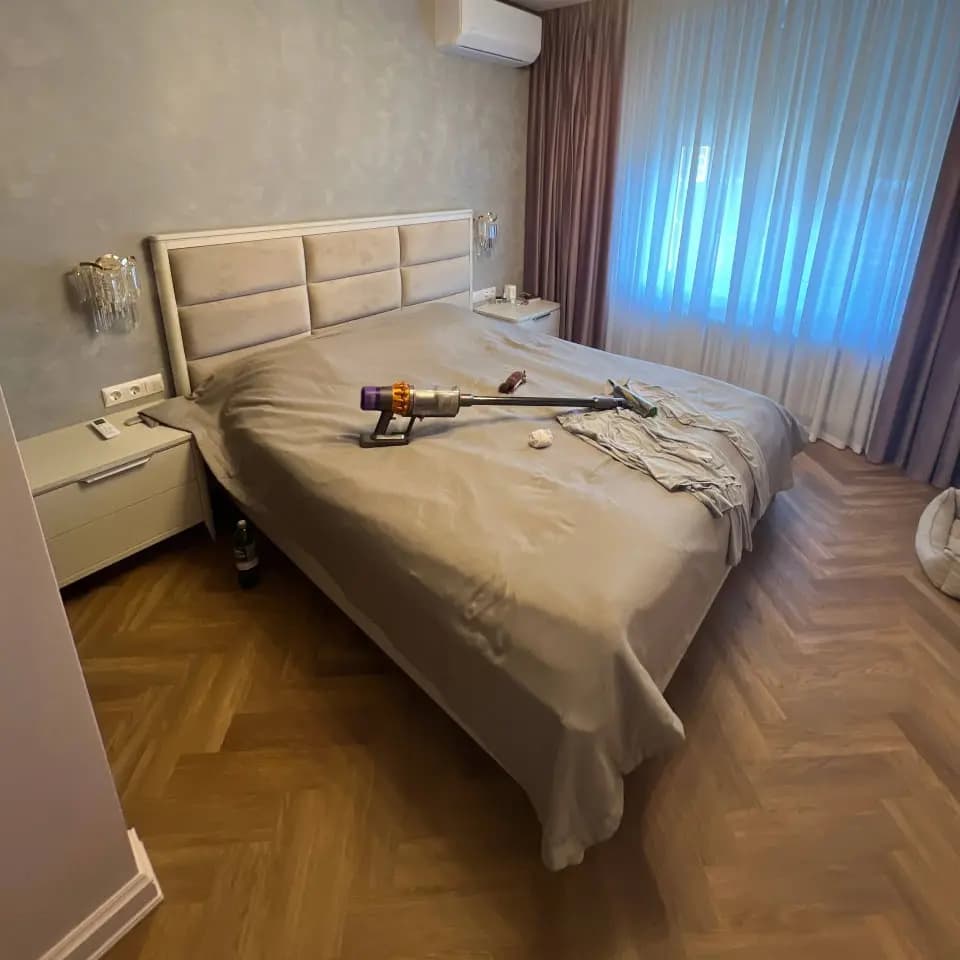
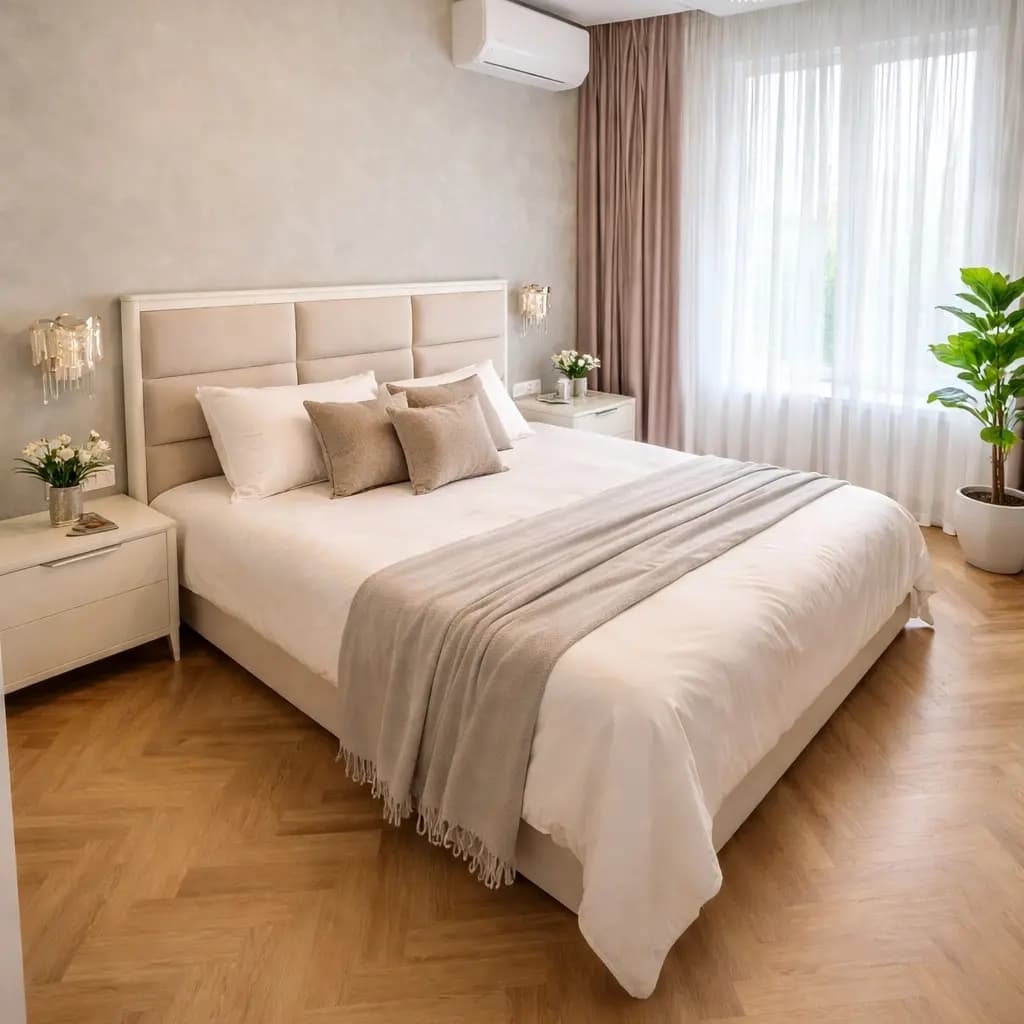
Deciding Between Portland and Boise
For Portland foursquares in Laurelhurst and Irvington, request
For Portland foursquares in Laurelhurst and Irvington, request staging that keeps original built-in buffets and pocket doors fully visible; choose smaller dining tables that let the architectural detail read as the focal point.
In Boise's North End, virtually stage Craftsman bungalows
In Boise's North End, virtually stage Craftsman bungalows with leather club chairs and oak coffee tables that respect original clinker brick fireplaces rather than masking them with oversized sectionals.
For Portland mid-century ranches in Eastmoreland and Mount
For Portland mid-century ranches in Eastmoreland and Mount Scott, choose teak or walnut staging pieces with visible legs so the floor plane stays open and rooms photograph larger.
In Boise Foothills and Harris Ranch new construction,
In Boise Foothills and Harris Ranch new construction, counter builder-spec gray with virtual staging that introduces warm oak, rust upholstery, and clay-toned ceramics for lived-in atmosphere.
For both metros, ask for one piece of
For both metros, ask for one piece of locally relevant art - Pacific Northwest landscape lithograph for Portland, watercolor of the Boise River or Sawtooths for Boise - to make staged interiors feel curated rather than generic.
Portland vs Boise FAQ
Is Portland or Boise more affordable for homebuyers?
Boise is more affordable with a median home price of $445,000 compared to Portland's $510,000 — a difference of $65,000 (13%). However, affordability also depends on local incomes, property taxes, and cost of living. Both markets offer opportunities for buyers at different price points.
Which market is hotter, Portland or Boise?
Boise is currently the faster-moving market with homes averaging 40 days on market, compared to 42 days in Portland. A shorter time on market typically indicates stronger buyer demand and more competition. Agents in Boise need to list quickly — virtual staging helps get listings photo-ready in minutes, not weeks.
Should I stage my home when selling in Portland or Boise?
Absolutely — staged homes sell faster and for more money in both markets. In Portland (median $510,000), even a 1-2% price increase from staging can mean thousands more at closing. In Boise (median $445,000), the same applies. Virtual staging with Agent Lens costs just $0.10 per image, making it a no-brainer for agents in either market.
How does virtual staging help in competitive markets like Portland and Boise?
Virtual staging transforms empty rooms into beautifully furnished spaces in under 60 seconds. In competitive markets, first impressions matter — 97% of buyers start their search online. Staged listing photos get more clicks, more showings, and higher offers. At $0.10 per image, virtual staging delivers professional results at a fraction of physical staging costs ($2,000-$5,000+).
How should staging differ between Portland's older neighborhoods and Boise's North End?
Both markets carry similarly aged Craftsman and bungalow stock with comparable proportions, so furniture scale recommendations align: respect 12-by-13 living rooms, preserve built-ins, choose pieces with visible legs. Where they diverge is color and material story. Portland's marine light wants warmer wood tones and saturated jewel accents. Boise's clearer high-desert light flatters lighter oak, cooler dusty accents, and matte black hardware that nods to Modern Farmhouse influence common in Idaho relocation buyer expectations.
Do relocation buyers from Portland to Boise respond differently than local Boise buyers?
Yes. Portland-origin buyers heading to Boise often seek the craft-forward Pacific Northwest cues they left behind, responding to staging with Pendleton textiles, hand-thrown ceramics, and natural oak. Local Boise buyers and Treasure Valley families lean toward Modern Farmhouse and transitional aesthetics common in newer Eagle and Meridian construction. Listing agents working Foothills properties drawing relocation interest can request staging that bridges both reading habits.
What virtual staging approach works best for new construction in both markets?
Portland new infill in Cully, Foster-Powell, and Brooklyn often delivers darker contemporary finishes that benefit from lighter staging - oat linen, pale oak, soft brass. Treasure Valley new construction in Eagle, Meridian, and Star arrives with builder-gray palettes that need warming through virtual staging: rust upholstery, walnut accents, ceramic lamps with linen shades. Both approaches counter the spec-finish neutrality and create emotional pull buyers respond to in MLS photos.
Should I prioritize virtual staging for vacant or occupied listings?
National Association of Realtors data shows vacant homes consistently sit on market longer than staged comparables. Vacant listings benefit most from virtual staging because empty rooms force buyers to imagine furniture placement, often inaccurately. Occupied listings with dated or oversized furniture can also benefit from virtual staging that replaces existing pieces digitally, particularly in Portland bungalows and Boise Foothills homes where outdated furniture sometimes makes rooms photograph smaller than they actually are.
How important is staging the kitchen and dining area in these markets?
Real Estate Staging Association research identifies kitchens as the highest-priority space for buyers across most U.S. markets, with dining areas close behind. In Portland's Sellwood and Hawthorne bungalows, the breakfast nook often serves as the daily-use dining space and benefits from staging with a small table, two chairs, and ceramic accents. In Boise's North End and Foothills, formal dining rooms still carry weight; stage them with appropriately sized tables and one statement light fixture visible in photos.