

Phoenix vs Tucson: Which city is better for real estate?
Phoenix and Tucson sit roughly two hours apart on Interstate 10 and feel like different states once you start writing offers in each. Phoenix is a sprawling, multi-generational metro with a wide buyer pool, deep relocator inflows from California and the Midwest, and submarkets that range from 1920s Tudor Revival in Willo to glass-forward infill in Roosevelt Row. Tucson is a smaller, more academic city anchored by the University of Arizona, Davis-Monthan Air Force Base, and a strong medical sector, with neighborhoods built around saguaro-studded foothills and historic adobe stock that you simply will not find further north. After listing in both cities for years, I have learned to rebuild my staging set, my photo priorities, and even my MLS remarks before I cross the county line into Pima. This guide is for agents who want a working comparison rather than a generic overview. We walk through buyer psychology, neighborhood character, dominant architecture, AI virtual staging style choice, and copy adjustments that match each city's real listing pool. Phoenix rewards a slightly more polished, relocator-oriented presentation. Tucson rewards staging that respects regional architecture, lower price points, and a buyer pool that includes more academics and healthcare professionals than relocator capital. The notes below combine current Zillow Research market reports, NAR staging research, and Pima and Maricopa County listing patterns I see week to week.
Phoenix vs Tucson
Real Estate Market Comparison
Thinking about buying or selling property? Compare the Phoenix, AZ and Tucson, AZ real estate markets side by side — from median prices and days on market to top neighborhoods and staging strategies.
Migration Insight
Phoenix inventory varies by mile. Arcadia and Arcadia Lite carry mid-century ranch on irrigated citrus lots. Willo and Encanto offer 1920s and 1930s bungalows under mature canopy. North Phoenix and Ahwatukee lean suburban Spanish Colonial spec inventory. Downtown Phoenix and Roosevelt Row pull creative urban buyers. Tucson inventory pulls from a different architectural well. Sam Hughes and Armory Park carry Sonoran Revival, Spanish Colonial Revival, and original adobe. Foothills neighborhoods like Catalina Foothills, Skyline, and Ventana Canyon carry custom Southwest contemporary on view lots overlooking the Catalinas. Oro Valley, technically a separate municipality north of the city, carries newer suburban inventory near master-planned communities. Civano and Rita Ranch lean energy-efficient, environmentally minded design. Buyers in Phoenix weigh commute, school zoning, and HOA structures. Buyers in Tucson weigh foothill view orientation, proximity to U of A or Banner UMC, and the quirks of older adobe construction including roof systems and historic district overlays. Stage and photograph each city to its actual buyer rather than to a Sun Belt template that flattens the difference.
- Scottsdale
- Arcadia
- Paradise Valley
- Tempe
- Chandler
- Catalina Foothills
- Sam Hughes
- Oro Valley
- Marana
- Sabino Canyon
Phoenix's booming market attracts relocating buyers from California and the Midwest. Desert modern and southwestern styles resonate with buyers, and staged listings sell faster in this competitive sunbelt market. Virtual staging helps showcase outdoor living spaces that are central to the Arizona lifestyle.
Tucson's affordable desert market attracts retirees and remote workers seeking sunshine and value. Desert contemporary and southwestern staging styles match buyer expectations. Virtual staging helps Tucson agents present properties beautifully at budget-friendly costs.
Market Dynamics: Phoenix vs Tucson
### Buyer Composition and Pricing Posture
Phoenix buyers split across a wide spectrum: first-time buyers, mid-career families, design-driven creatives, and luxury relocators from California, Illinois, and the Northeast. Listing posture in most Phoenix submarkets sits close to comp value at launch, with sellers expecting spring traffic to push competitive bids in tight pockets like Arcadia and Willo. Tucson buyers run differently. Many work at the University of Arizona, Banner University Medical Center, Raytheon, or Davis-Monthan AFB. The buyer pool includes professors, doctors, military families, and retirees relocating from colder regions. Pricing posture in Tucson generally tracks comp value carefully, with less appetite for aggressive launch pricing outside the Catalina Foothills luxury segment. Days on market patterns reflect this. Zillow Research data consistently shows Phoenix moving faster overall on entry-level and mid-tier inventory, while Tucson moves at a steadier pace year-round with less seasonal volatility.
### Architecture, Staging, and Photo Priorities
Phoenix staging splits across submarkets. Arcadia ranch homes want warm woods and low-slung mid-century furniture. Willo bungalows want classic transitional with vintage layering. Spanish Colonial spec inventory in North Phoenix wants warm terra-cotta and wrought iron. Tucson staging tilts more consistently regional. Sam Hughes adobe and Sonoran Revival homes call for warm desert palettes, saturated leathers, woven textures, hand-thrown ceramics, and respect for original viga ceilings. Catalina Foothills custom contemporaries want clean stone, light woods, and sculptural lighting that frames mountain view corridors. Civano and Rita Ranch want a slightly more sustainable, neutral palette. Photo priorities differ as well. Phoenix listings reward exterior hero shots showing mature landscape, irrigation, or porch life. Tucson listings reward shots that capture saguaro silhouettes, mountain views, and original architectural detail like vigas, kiva fireplaces, and stucco texture. AI virtual staging helps agents test multiple regional palettes before a shoot day. Tools like AIStage allow vacant Tucson adobe and vacant Phoenix mid-century ranch to present in the right architectural language without scheduling parallel physical stagers across two cities.
Key Takeaways
Price difference: $105,000 (24%)
Tucson ($330,000) is $105,000 more affordable than Phoenix ($435,000).
Speed difference: 2 days
Homes in Tucson sell in 42 days on average vs 44 days in Phoenix.
More affordable: Tucson, AZ
With a median price of $330,000, Tucson offers more entry-level options for first-time buyers and investors.
Faster market: Tucson, AZ
At 42 days on market, Tucson moves faster. Sellers in this market benefit most from being listing-ready on day one — virtual staging delivers in under 60 seconds.
Stage Your Listing in Either Market
Transform empty rooms into stunning staged photos in 60 seconds. Starting at $0.10 per image.
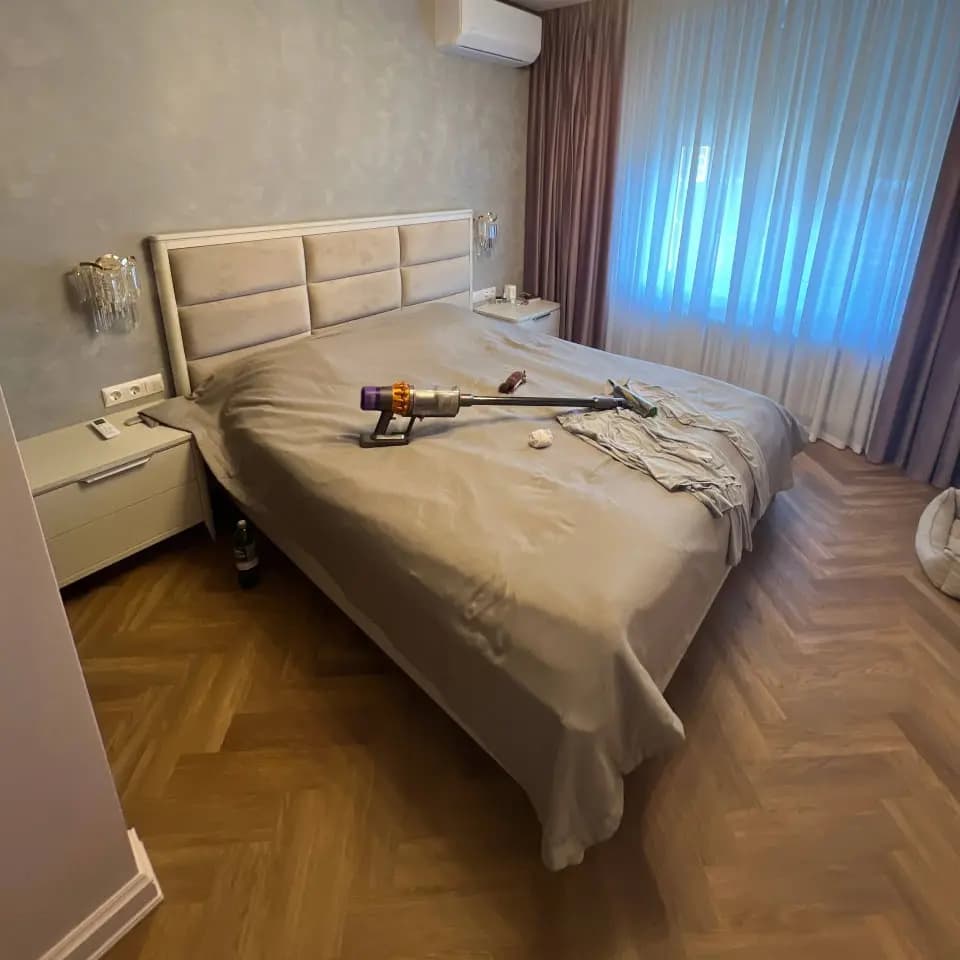
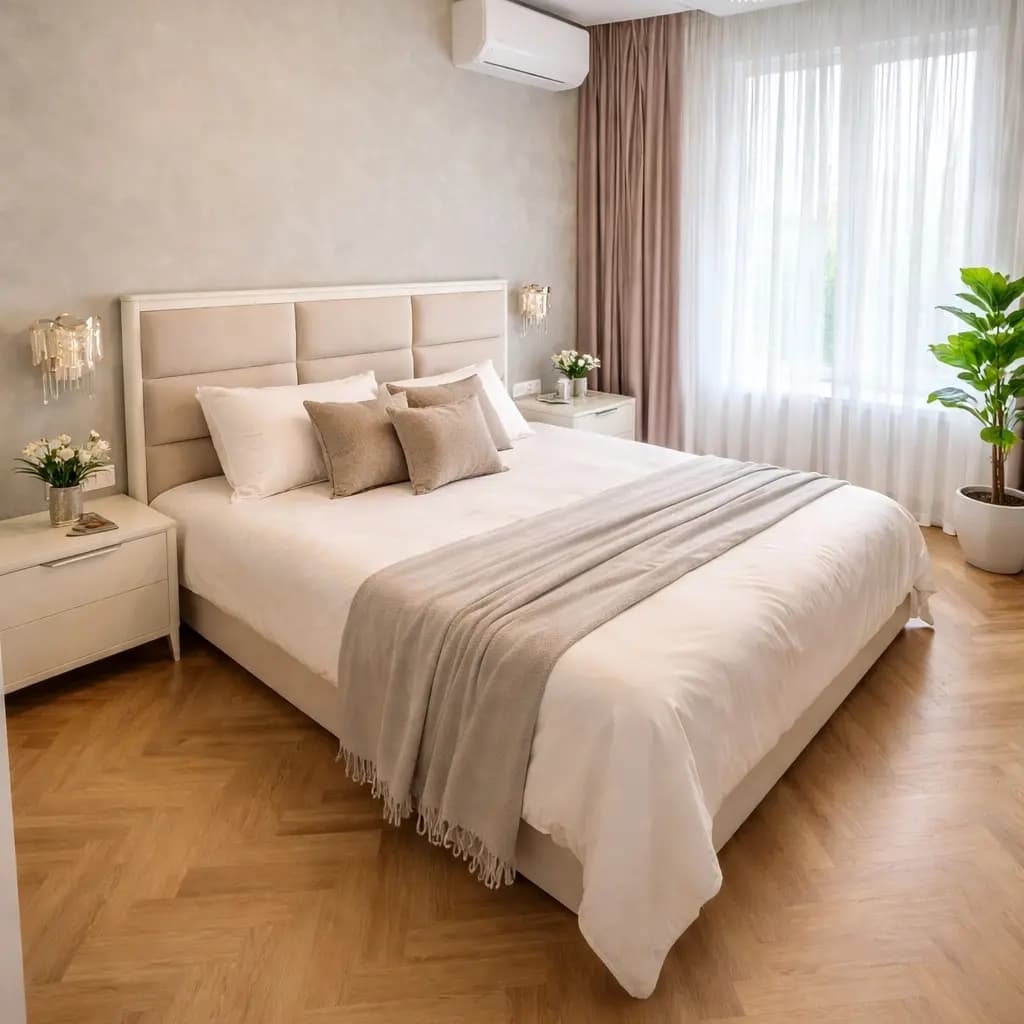
Deciding Between Phoenix and Tucson
Honor Regional Architecture in Tucson
Sonoran Revival, adobe, and Sam Hughes bungalows demand staging that respects original detail. Generic farmhouse or ultra-modern furniture fights the architecture and shortens online dwell time on Realtor.com.
Use Submarket-Specific Staging in Phoenix
Arcadia ranch, Willo bungalow, and Ahwatukee Spanish Colonial each want different furniture languages. AIStage lets you switch palette and style per room so each listing matches the buyer pool actively shopping that ZIP code.
Photograph the Mountains in Tucson
Catalina Foothills, Tucson Mountains, and Rincons frame nearly every Tucson neighborhood. Capture view corridors at golden hour, especially from primary suites and outdoor living spaces. Buyers pay for the view and they expect to see it clearly.
Lead With the Right Hero Image
Phoenix exterior shots reward mature landscape and porch life. Tucson exterior shots reward saguaro silhouettes and mountain backdrops. Pick the cover image deliberately because it controls click-through more than any other single asset on Zillow.
Disclose Adobe and Historic Specifics Early
Tucson historic districts and original adobe construction carry inspection considerations buyers ask about: roof systems, plumbing routing, and window restoration. Put answers in MLS remarks to reduce buyer-agent attrition during the inspection period.
Phoenix vs Tucson FAQ
Is Phoenix or Tucson more affordable for homebuyers?
Tucson is more affordable with a median home price of $330,000 compared to Phoenix's $435,000 — a difference of $105,000 (24%). However, affordability also depends on local incomes, property taxes, and cost of living. Both markets offer opportunities for buyers at different price points.
Which market is hotter, Phoenix or Tucson?
Tucson is currently the faster-moving market with homes averaging 42 days on market, compared to 44 days in Phoenix. A shorter time on market typically indicates stronger buyer demand and more competition. Agents in Tucson need to list quickly — virtual staging helps get listings photo-ready in minutes, not weeks.
Should I stage my home when selling in Phoenix or Tucson?
Absolutely — staged homes sell faster and for more money in both markets. In Phoenix (median $435,000), even a 1-2% price increase from staging can mean thousands more at closing. In Tucson (median $330,000), the same applies. Virtual staging with Agent Lens costs just $0.10 per image, making it a no-brainer for agents in either market.
How does virtual staging help in competitive markets like Phoenix and Tucson?
Virtual staging transforms empty rooms into beautifully furnished spaces in under 60 seconds. In competitive markets, first impressions matter — 97% of buyers start their search online. Staged listing photos get more clicks, more showings, and higher offers. At $0.10 per image, virtual staging delivers professional results at a fraction of physical staging costs ($2,000-$5,000+).
Which market is friendlier for a newer agent to break into?
Tucson generally offers an easier entry. Average price points are lower than most Phoenix submarkets, transaction volume is steady year-round, and the buyer pool of academics, military, and medical professionals is more predictable. Newer agents often build a base in Sam Hughes, Oro Valley, or Rita Ranch before testing Catalina Foothills luxury. Phoenix offers higher transaction count but sharper competition for listings, especially in Arcadia, Willo, and North Central.
Do staging styles really differ between Phoenix and Tucson?
They differ meaningfully. Phoenix splits across mid-century, Spanish Colonial, transitional, and contemporary depending on submarket. Tucson tilts more consistently toward Sonoran Revival, adobe, and Southwest contemporary, especially in Sam Hughes, Armory Park, and the Catalina Foothills. RESA consumer insights and NAR profiles both show buyers respond more strongly to staging that matches local architectural expectations rather than a generic neutral set.
How do view corridors change Tucson listing prep?
Mountain views drive a meaningful share of Tucson buyer interest, especially in Catalina Foothills, Skyline, and Tucson Mountains submarkets. Capture view corridors with care: golden hour exteriors, primary suite shots framing the Catalinas, and outdoor living shots that show the saguaro skyline. Cluttered listing photography that hides the view directly reduces click-through and lengthens days on market on Zillow and Realtor.com.
Are pricing strategies similar in both cities?
Not quite. Phoenix sellers more often test the upper bound at launch, especially in Arcadia and Biltmore. Tucson sellers generally price closer to comp value, with the Catalina Foothills luxury segment as the main exception. Zillow Research market reports consistently show Tucson with steadier seasonal pricing patterns and less volatility than Phoenix. Calibrate launch pricing and seller expectations to the actual market rather than a generic Arizona average.
Should I use virtual staging in Tucson the same way as in Phoenix?
Use virtual staging in both, but with different style sets. In Phoenix, alternate between mid-century, Spanish Colonial, transitional, and contemporary depending on the submarket. In Tucson, lean more often toward Sonoran Revival, Southwest contemporary, and refined regional palettes that respect adobe and Sam Hughes architecture. AIStage lets you switch palettes per room so vacant inventory in either city presents in the architectural language local buyers expect to see.