

Phoenix vs Denver: Which city is better for real estate?
Phoenix and Denver attract overlapping pools of relocating buyers, especially from California and the Midwest, and listing agents in both markets often draw from the same playbook. That is a mistake. Fifteen years of broker experience across both cities tells me the architectural inventory, light conditions, and buyer expectations are distinct enough that a one-size staging plan leaves money on the table. Phoenix is a desert market with a strong mid-century stock, formal pool-centered backyards, and harsh midday sun that punishes lazy photography. Denver is an altitude market with prewar streetcar neighborhoods, brick bungalows, and a winter that strips landscaping bare for half the year. Phoenix buyers spend more time inside the home in summer; Denver buyers spend more time in the yard from May through September. Those rhythms shape what photographs well and what AI virtual staging should emphasize. This comparison covers the inventory you will actually be marketing, the buyer profile reading the photos, and the staging choices that move listings from saved-favorite to showing request in each city. Use it to align your photographer, stager, and seller before you publish to ARMLS or REcolorado.
Phoenix vs Denver
Real Estate Market Comparison
Thinking about buying or selling property? Compare the Phoenix, AZ and Denver, CO real estate markets side by side — from median prices and days on market to top neighborhoods and staging strategies.
Migration Insight
Phoenix's most photogenic resale pockets include Arcadia, Marlen Grove, Encanto-Palmcroft, Willo, and the Biltmore corridor, plus newer product in DC Ranch, Silverleaf, and Verrado. Mid-century ranches dominate the older neighborhoods, with block construction, low-pitched roofs, and clerestory windows. Denver's strongest resale neighborhoods include Park Hill, Berkeley, Sloan's Lake, Wash Park, Stapleton (Central Park), and the Highlands. Prewar brick bungalows, Tudors, and Denver Squares are the spine of the city's identity. Phoenix backyards almost always feature a pool, citrus trees, and a covered patio; Denver yards feature mature deciduous trees, detached garages, and back decks. Staging in Phoenix should pull the eye toward the patio and pool through staged sightlines and warm interior lighting at twilight. Staging in Denver should respect the brick exterior and original interior trim with furniture scaled for older, smaller rooms. Buyer commutes also differ: Phoenix freeway-dependent buyers tolerate longer drives, while Denver buyers near light rail value walkability and stage their third bedroom as an office accordingly.
- Scottsdale
- Arcadia
- Paradise Valley
- Tempe
- Chandler
- Cherry Creek
- LoHi
- Washington Park
- RiNo
- Highland
Phoenix's booming market attracts relocating buyers from California and the Midwest. Desert modern and southwestern styles resonate with buyers, and staged listings sell faster in this competitive sunbelt market. Virtual staging helps showcase outdoor living spaces that are central to the Arizona lifestyle.
Denver's outdoor-lifestyle market attracts young professionals and families from both coasts. Modern and contemporary styles dominate buyer preferences, and staged listings stand out in a competitive market that values clean, aspirational aesthetics.
Market Dynamics: Phoenix vs Denver
### Architecture and what photographs well
Phoenix's mid-century ranches in Arcadia and the Biltmore area are some of the most photogenic homes in the Southwest when staged correctly. Original block walls, terrazzo or polished concrete floors, and floor-to-ceiling glass to the patio reward period-aware staging: walnut credenzas, low-profile sofas in oatmeal or bone, and a dining table sized to the actual room rather than the magazine. Historic districts like Willo and Coronado have smaller 1920s and 1930s bungalows where furniture scale is critical and AI virtual staging often outperforms physical staging because real furniture rentals arrive too large.
Denver's prewar inventory in Park Hill, Wash Park, and Berkeley features brick exteriors, coved ceilings, original oak floors, and formal dining rooms separated from kitchens by butler-pantry passages. Staging there must respect the architectural rhythm, not overwrite it. A Denver Square in Congress Park wants a wool runner that complements original red oak, a leather chair in the front parlor, and a dining set scaled to a 12-by-13 room. Newer infill duplexes and pop-tops from the 2015 to 2022 wave handle cleaner contemporary staging, but the third-floor primary suite must still photograph as a real bedroom rather than a hotel suite.
### Buyer behavior and conversion
Phoenix buyers in 2026 skew toward relocating families and remote workers, plus a healthy move-up segment. They read the photo set carefully and pay close attention to the kitchen, primary bath, and backyard. Stage for those rooms first. Twilight exterior shots with the pool lit and patio furniture in place consistently outperform midday shots in showing-request rates. Denver buyers spend more time evaluating the third bedroom, the home office potential, and the basement or garage. They are budget-aware and notice when staging hides flaws rather than addresses them.
AI virtual staging earns its place in both markets but for different reasons. In Phoenix, it solves vacant flips and mid-century ranches where period-appropriate furniture is hard to source quickly. In Denver, it solves small-room scale issues in prewar bungalows and lets agents test multiple buyer profiles, such as an office versus nursery setup for the third bedroom, without moving physical furniture. In both cities, disclosure on the listing photo and in the public remarks is mandatory under the National Association of Realtors Code of Ethics, and clean disclosure protects the agent, the seller, and the cooperating broker.
Key Takeaways
Price difference: $140,000 (24%)
Phoenix ($435,000) is $140,000 more affordable than Denver ($575,000).
Speed difference: 10 days
Homes in Denver sell in 34 days on average vs 44 days in Phoenix.
More affordable: Phoenix, AZ
With a median price of $435,000, Phoenix offers more entry-level options for first-time buyers and investors.
Faster market: Denver, CO
At 34 days on market, Denver moves faster. Sellers in this market benefit most from being listing-ready on day one — virtual staging delivers in under 60 seconds.
Stage Your Listing in Either Market
Transform empty rooms into stunning staged photos in 60 seconds. Starting at $0.10 per image.
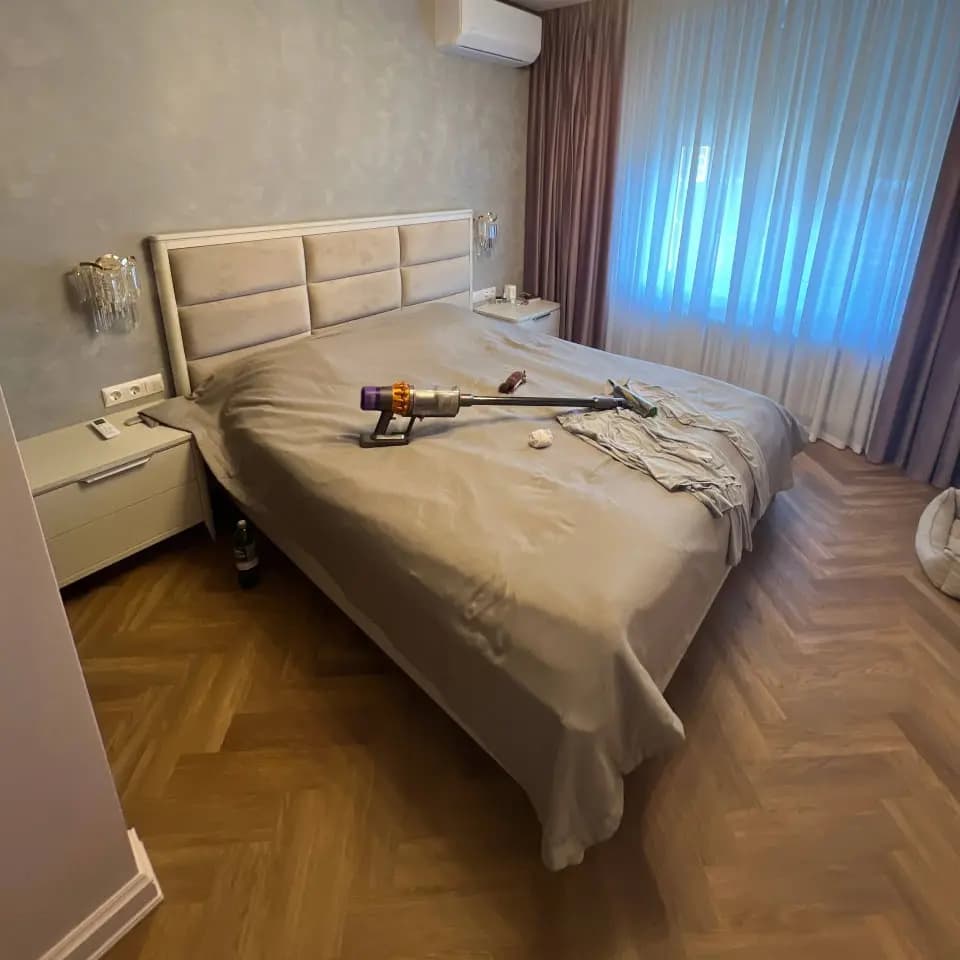
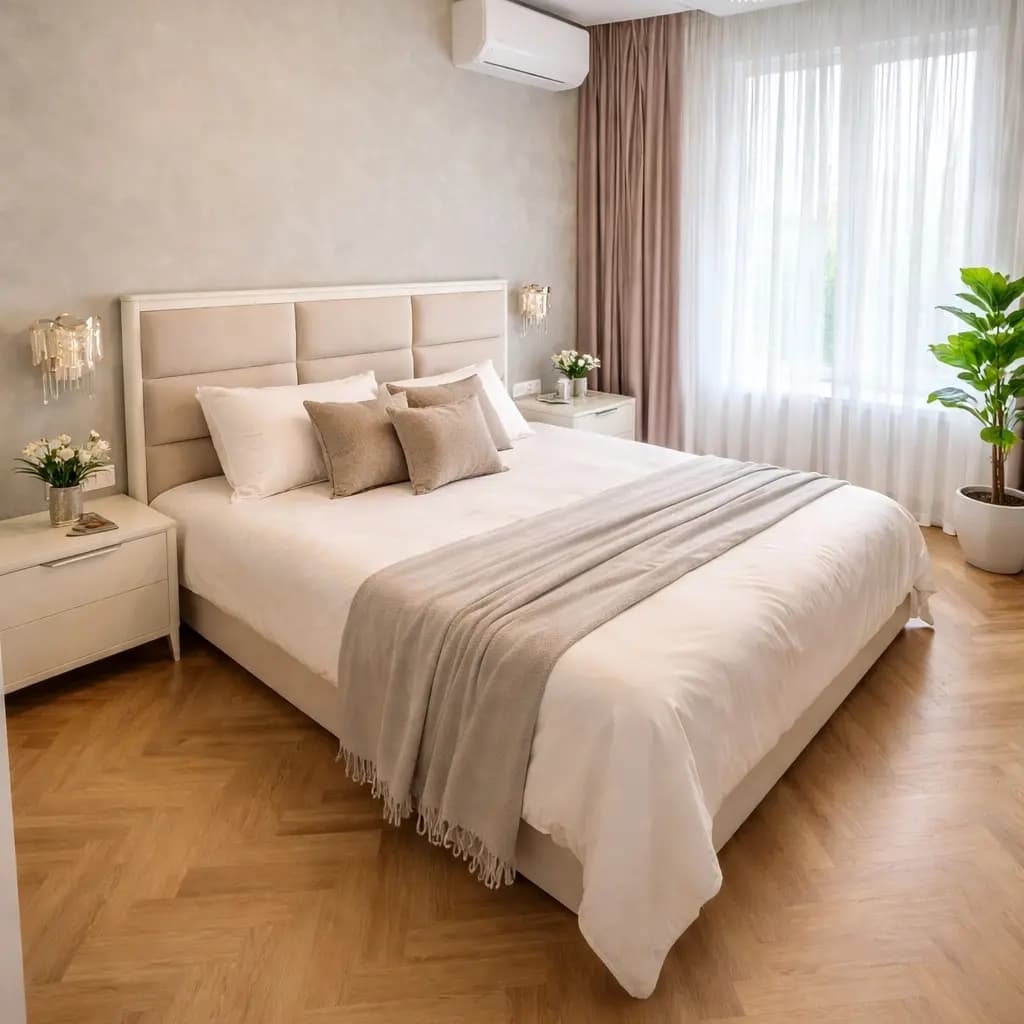
Deciding Between Phoenix and Denver
Stage Phoenix mid-century with period-correct lines
Walnut, teak, and low-slung sofas read true in Arcadia and the Biltmore. Avoid generic farmhouse or transitional templates. AI virtual staging tools set to mid-century modern outperform other styles on these homes in showing-request conversion.
Match Denver staging to the home's era
Park Hill bungalows and Berkeley Tudors deserve furniture scaled for smaller rooms, with leather, wool, and brass accents that complement original oak. Modern minimalist templates feel cold on these listings and lose buyers who specifically want character homes.
Use twilight exteriors in Phoenix, golden hour in Denver
Phoenix pool homes photograph best at twilight with the pool lit and interior lights warm. Denver brick homes photograph best at golden hour with mature trees catching the light. Brief your photographer accordingly and align AI virtual staging interiors to the same color temperature.
Stage the third bedroom for the right buyer in each city
Denver buyers often stage the third bedroom as a home office because light rail to downtown is unreliable from outer neighborhoods. Phoenix buyers more often want it as a guest room or secondary primary because the relocating-family segment is larger. Match the staging to the dominant buyer profile.
Respect HOA and master-plan polish in newer subdivisions
Verrado, Eastmark, and DC Ranch in Phoenix, plus Stapleton (Central Park) and parts of Stanley Marketplace in Denver, compete directly with builder-staged model homes. Your AI virtual staging must match or exceed that polish or the listing reads as undercooked next to the builder's inventory.
Phoenix vs Denver FAQ
Is Phoenix or Denver more affordable for homebuyers?
Phoenix is more affordable with a median home price of $435,000 compared to Denver's $575,000 — a difference of $140,000 (24%). However, affordability also depends on local incomes, property taxes, and cost of living. Both markets offer opportunities for buyers at different price points.
Which market is hotter, Phoenix or Denver?
Denver is currently the faster-moving market with homes averaging 34 days on market, compared to 44 days in Phoenix. A shorter time on market typically indicates stronger buyer demand and more competition. Agents in Denver need to list quickly — virtual staging helps get listings photo-ready in minutes, not weeks.
Should I stage my home when selling in Phoenix or Denver?
Absolutely — staged homes sell faster and for more money in both markets. In Phoenix (median $435,000), even a 1-2% price increase from staging can mean thousands more at closing. In Denver (median $575,000), the same applies. Virtual staging with Agent Lens costs just $0.10 per image, making it a no-brainer for agents in either market.
How does virtual staging help in competitive markets like Phoenix and Denver?
Virtual staging transforms empty rooms into beautifully furnished spaces in under 60 seconds. In competitive markets, first impressions matter — 97% of buyers start their search online. Staged listing photos get more clicks, more showings, and higher offers. At $0.10 per image, virtual staging delivers professional results at a fraction of physical staging costs ($2,000-$5,000+).
Do ARMLS and REcolorado allow virtually staged photos?
Yes. Both ARMLS in the Phoenix market and REcolorado in the Denver metro permit virtually staged images when they are clearly disclosed. Add a Virtually Staged label to the affected photos and note the disclosure in public remarks. This aligns with National Association of Realtors guidance on truthful advertising and protects you, the seller, and the cooperating agent from later disputes about what the buyer actually saw.
Which neighborhoods see the strongest lift from staged photo packages?
In Phoenix, Arcadia, Willo, North Central, the Biltmore corridor, and master-planned Verrado consistently reward staging investment because the buyer pool actively shops design. In Denver, Park Hill, Berkeley, Sloan's Lake, Wash Park, and Stapleton produce the largest lift. Production subdivisions in both markets still benefit, but the marginal gain is smaller because price and floor plan dominate the buyer's decision.
How does altitude and light affect staging photography in Denver?
Denver's high-altitude light is brighter and more contrasty than most photographers expect, especially against red brick. Schedule shoots earlier in the morning or later in the afternoon, avoid midday on south-facing facades, and consider twilight shots in winter when landscaping is dormant. AI virtual staging interiors should match the cooler exterior color temperature rather than defaulting to warm Sun Belt presets.
Should I virtually stage a vacant Phoenix flip?
Almost always yes. Vacant flips photograph as cold, oversized boxes, especially with polished concrete or new LVP floors. Virtual staging clarifies room purpose, defines great-room zones, and helps buyers gauge furniture fit. Disclose it clearly, keep the rendered furniture proportional to the actual room, and never use staging to obscure defects. Used honestly, virtual staging on a Phoenix flip materially increases qualified showing requests.
Do Phoenix and Denver buyers expect different staging styles?
Yes. Phoenix buyers respond to warm desert palettes, period-correct mid-century in older neighborhoods, and pool-forward backyard staging. Denver buyers prefer staging that respects original architecture, with leather, wool, and brass accents in prewar homes and cleaner contemporary lines in newer infill. Applying a Phoenix template to a Park Hill bungalow reads wrong, and vice versa. Tailor AI staging to the submarket and the home's era.