

Philadelphia vs Pittsburgh: Which city is better for real estate?
Philadelphia and Pittsburgh share a state and almost nothing else when it comes to selling a house. Philadelphia is a row-house city of 1.5 million where the building stock is overwhelmingly attached, narrow, and old. Most homes in Fishtown, Point Breeze, Graduate Hospital, and Passyunk Square measure fourteen to eighteen feet wide, three stories, with original heart-pine floors and party walls that share heat with neighbors. Pittsburgh, at roughly 300,000 residents inside the city limits, is a topography problem first and a real-estate problem second. Hills, hollows, and bridges define what a buyer can drive to in five minutes, and the housing stock leans toward detached frame Victorians, brick four-squares, and post-war ranches in neighborhoods like Squirrel Hill, Highland Park, Brookline, and Mount Lebanon. After fifteen years working both markets, my honest read: Philadelphia rewards style-confident agents who can stage a 14-foot-wide trinity to feel airy. Pittsburgh rewards agents who understand that a buyer's commute up Beechwood Boulevard or down to the Strip District is the actual product. Get those two truths right and the rest of the listing strategy follows naturally for serious agents.
Philadelphia vs Pittsburgh
Real Estate Market Comparison
Thinking about buying or selling property? Compare the Philadelphia, PA and Pittsburgh, PA real estate markets side by side — from median prices and days on market to top neighborhoods and staging strategies.
Migration Insight
Philadelphia row houses present a specific staging challenge: depth without width. A typical Fishtown trinity has a first floor of perhaps 350 square feet split between a front room, a kitchen, and a back yard or patio. Stage with a 72-inch sofa rather than an 84, a round dining table for four, and a runner rug that pulls the eye lengthwise toward the rear window. Avoid armchairs in the front room; they fight the natural traffic flow. In larger row houses in Graduate Hospital or Passyunk Square, a small dining nook between the living room and kitchen photographs better with a pendant light at counter height. Pittsburgh's hill geography means many houses have walk-out basements that function as primary living space, particularly in Mount Washington, the South Side Slopes, and Greenfield. Stage the lower level as the family room or media room when the upper floor is small, and use the upper as the formal living space. In Squirrel Hill and Point Breeze, brick Victorians benefit from staging that respects the original woodwork: leather, wool, brass, and oil paintings rather than glass and chrome.
- Rittenhouse Square
- Fishtown
- Manayunk
- Center City
- Northern Liberties
- Shadyside
- Lawrenceville
- Squirrel Hill
- Strip District
- Mt. Lebanon
Philadelphia's historic rowhomes and diverse neighborhoods offer unique staging opportunities. Traditional and transitional styles complement the city's architectural heritage. Virtual staging helps agents show the potential in Philly's many historic properties.
Pittsburgh's affordable housing and tech renaissance make it a rising star market. With strong universities and growing tech employment, buyers are increasingly design-savvy. Virtual staging helps Pittsburgh agents appeal to this evolving demographic at budget-friendly costs.
Market Dynamics: Philadelphia vs Pittsburgh
### Two Cities, Two Buyer Mindsets
Philadelphia buyers in the urban core are largely first-time owners coming out of Center City rentals, plus a growing professional class from CHOP, Penn, Drexel, and Comcast. They want walkability, a small outdoor space, and a finished third floor that can serve as a bedroom or office. They will accept a small kitchen if the rest of the house photographs well. Pittsburgh buyers split into three pools: medical and tech professionals from UPMC, Pitt, and CMU concentrating in the East End; families pulled to the South Hills and North Hills for school districts like Mount Lebanon, Upper St. Clair, and North Allegheny; and a steady inflow of remote workers attracted to the city's walkable older neighborhoods. The first pool will pay for renovation quality, the second pool will pay for school district, and the third pool will pay for character. Stage accordingly.
### Material Choices That Photograph Honestly
In Philadelphia, the worst staging mistake I see is whitewashing original brick or covering heart-pine floors with gray paint. Buyers in Fishtown and Northern Liberties specifically search for unpainted brick and original boards. Stage with leather club chairs, a worn Persian rug, brass library lamps, and bookshelves filled with real books, not props. For South Philly trinities, a small writing desk in the front room reads as a remote-work setup that buyers can immediately see themselves using. In Pittsburgh, the architectural inheritance is heavier: leaded glass, oak pocket doors, mantels, and wainscoting. Stage these features rather than competing with them. A Stickley-style dining table, a wool runner in muted tones, and pendant lights with amber shades will let a Highland Park Victorian sell itself. In post-war ranches in Brookline or Whitehall, mid-century pieces work but only if they look real; reproduction Eames chairs in beige plastic photograph as cheap and date the listing immediately. Choose teak, walnut, or oak instead.
Key Takeaways
Price difference: $40,000 (15%)
Pittsburgh ($225,000) is $40,000 more affordable than Philadelphia ($265,000).
Speed difference: 5 days
Homes in Pittsburgh sell in 45 days on average vs 50 days in Philadelphia.
More affordable: Pittsburgh, PA
With a median price of $225,000, Pittsburgh offers more entry-level options for first-time buyers and investors.
Faster market: Pittsburgh, PA
At 45 days on market, Pittsburgh moves faster. Sellers in this market benefit most from being listing-ready on day one — virtual staging delivers in under 60 seconds.
Stage Your Listing in Either Market
Transform empty rooms into stunning staged photos in 60 seconds. Starting at $0.10 per image.
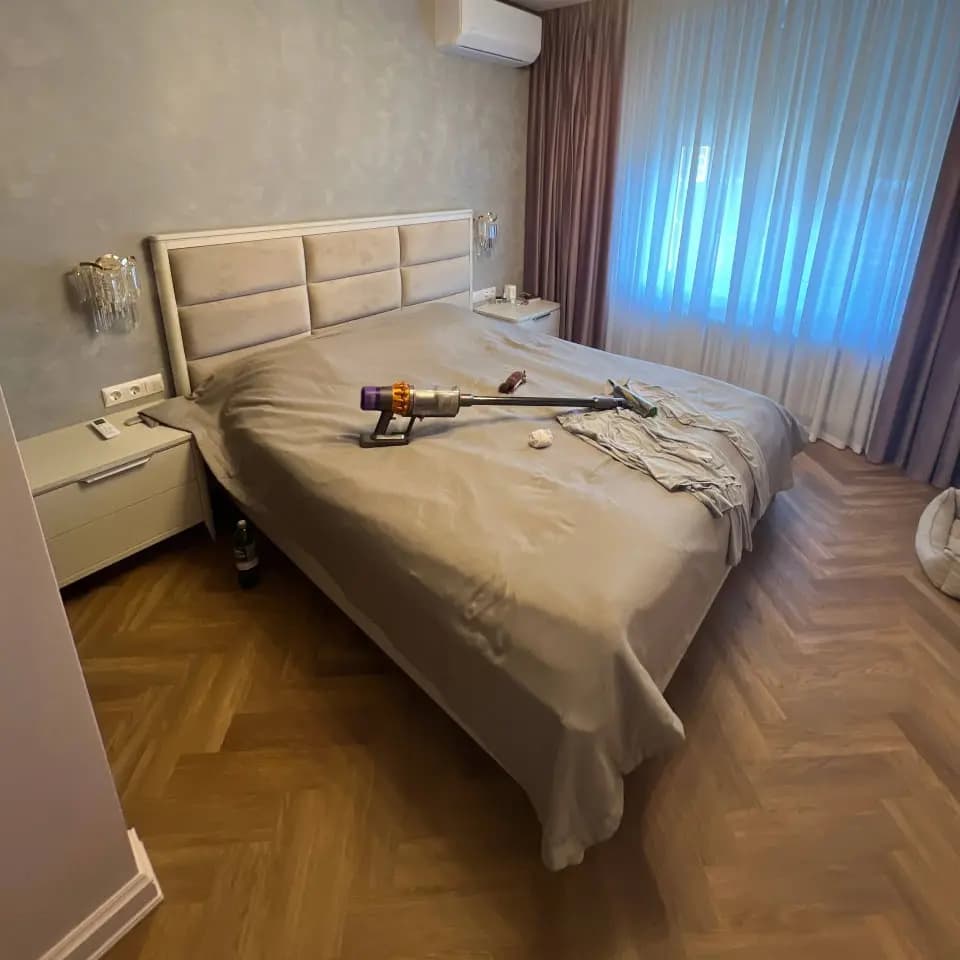
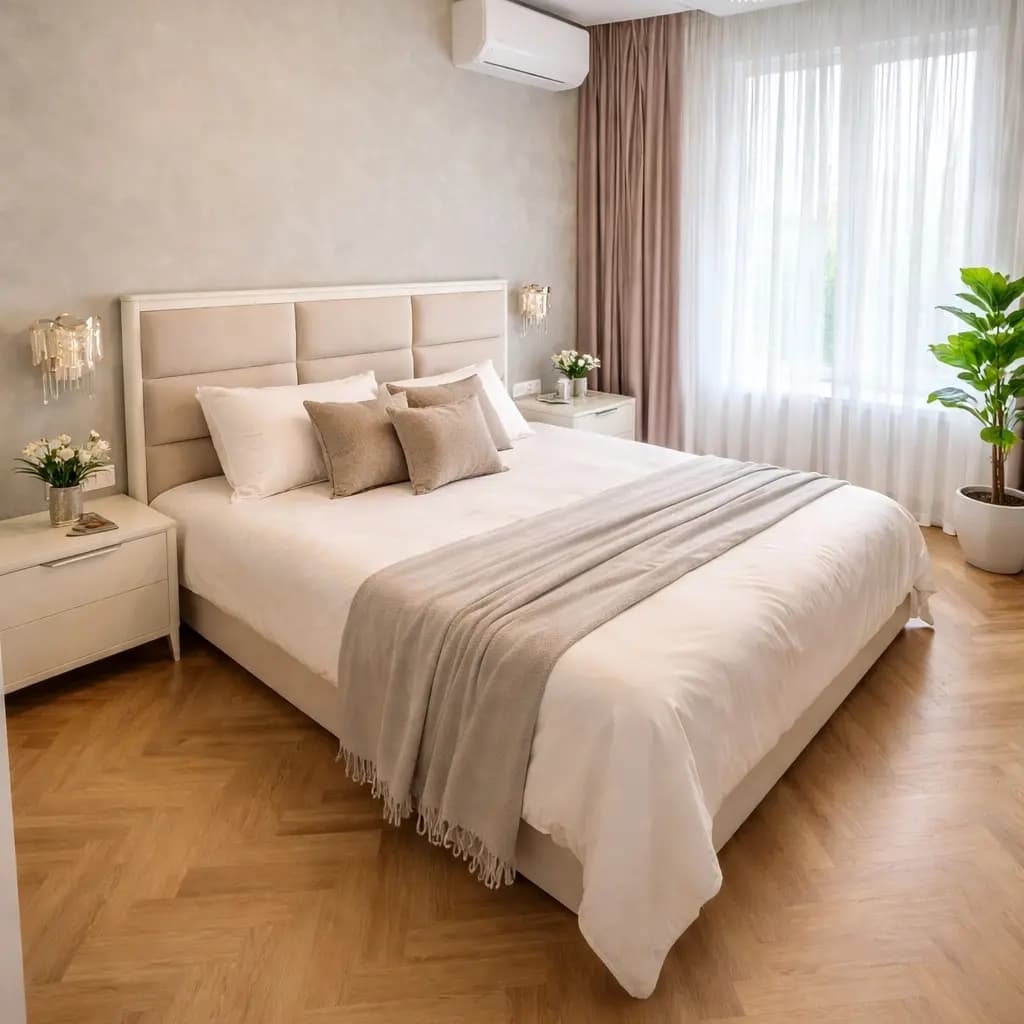
Deciding Between Philadelphia and Pittsburgh
Stretch the row house with a runner
A long, narrow runner rug pulls the eye from the front door through the living room and toward the kitchen window. This single move makes a 14-foot-wide Philadelphia row house feel substantially deeper in photos. Avoid square area rugs in trinities; they cut the room visually.
Stage the walk-out in Pittsburgh
Hill-built Pittsburgh homes in Mount Washington, Greenfield, and the South Side Slopes often have walk-out lower levels with full daylight. Stage these as the primary family room with a TV, sectional, and rug, and let the upper floor read as the formal living space. Buyers respond to this honest use of vertical geography.
Preserve original details in both cities
Heart-pine floors in Philadelphia and oak pocket doors in Pittsburgh are non-negotiable selling points. Never paint, sand to bare wood, or cover them with overstaged rugs. Buyers in Fishtown, Squirrel Hill, and Highland Park are specifically searching for unmolested original detail and will pay for it.
Light Philly third floors warmly
Third-floor primary suites in row houses often feel like an afterthought. Stage with a real bed, two nightstands with reading lamps at 2700K, and a small bench at the foot. A wall-mounted TV across from the bed signals primary suite rather than spare attic.
Show the commute in Pittsburgh photos
Include one exterior shot from the street that shows the neighborhood context: a tree-lined block in Highland Park, a view from Mount Washington, or the walk to Frick Park. Pittsburgh buyers care intensely about which side of which hill the house sits on, and that context sells the listing before they ever schedule a showing.
Philadelphia vs Pittsburgh FAQ
Is Philadelphia or Pittsburgh more affordable for homebuyers?
Pittsburgh is more affordable with a median home price of $225,000 compared to Philadelphia's $265,000 — a difference of $40,000 (15%). However, affordability also depends on local incomes, property taxes, and cost of living. Both markets offer opportunities for buyers at different price points.
Which market is hotter, Philadelphia or Pittsburgh?
Pittsburgh is currently the faster-moving market with homes averaging 45 days on market, compared to 50 days in Philadelphia. A shorter time on market typically indicates stronger buyer demand and more competition. Agents in Pittsburgh need to list quickly — virtual staging helps get listings photo-ready in minutes, not weeks.
Should I stage my home when selling in Philadelphia or Pittsburgh?
Absolutely — staged homes sell faster and for more money in both markets. In Philadelphia (median $265,000), even a 1-2% price increase from staging can mean thousands more at closing. In Pittsburgh (median $225,000), the same applies. Virtual staging with Agent Lens costs just $0.10 per image, making it a no-brainer for agents in either market.
How does virtual staging help in competitive markets like Philadelphia and Pittsburgh?
Virtual staging transforms empty rooms into beautifully furnished spaces in under 60 seconds. In competitive markets, first impressions matter — 97% of buyers start their search online. Staged listing photos get more clicks, more showings, and higher offers. At $0.10 per image, virtual staging delivers professional results at a fraction of physical staging costs ($2,000-$5,000+).
Does staging a Philadelphia row house actually help or just add cost?
Staging a vacant row house pays back consistently in days on market and showing volume. Tight rooms read as cramped without furniture for scale, and online buyers scrolling Zillow on a phone cannot read square footage from an empty photo. Even a light stage with a sofa, dining table, and a bedroom set turns abstract floor plans into a visualizable home, which is the entire job in a market where buyers tour twenty listings a weekend.
Are virtual staging services accepted in Pittsburgh MLS?
Yes, virtual staging is permitted on West Penn Multi-List as long as the listing remarks disclose it clearly and the unstaged photo is also available. Buyers in Squirrel Hill, Highland Park, and the South Hills are accustomed to seeing both versions. Use virtual staging for vacant homes where physical staging is impractical, particularly small estate sales and properties with steep stair access common in the South Side Slopes.
How should I stage a Philadelphia trinity differently from a standard row?
Trinities are stacked one room per floor, so each floor must read as a complete, intentional space. Stage the first floor as living and dining together, the second as a primary bedroom with a small reading chair, and the third as either a second bedroom or a home office. Avoid putting two beds on one floor; trinities cannot accommodate it spatially without looking forced.
What about staging Pittsburgh's older brick foursquares?
Brick foursquares in Highland Park, Friendship, and Point Breeze have generous proportions and original woodwork. Stage with formal furniture: a Chesterfield sofa, oriental rug, oil-rubbed bronze fixtures, and a dining set that seats six. Avoid modern minimalist staging in these homes; it fights the architecture and reads as rental-grade. The buyer pool for these specific houses wants traditional, lived-in elegance.
Should I stage outdoor space in either city?
Absolutely in Philadelphia, where a 12x14 patio behind a Fishtown row house is genuine living space three seasons a year. Stage with a small bistro set, a grill, and a planter or two. In Pittsburgh, decks and porches matter more than yards, particularly in hill neighborhoods where flat ground is rare. Stage a porch with two chairs and a small table to suggest morning coffee with a view, which is the real Pittsburgh selling point.