

New York vs Denver: Which city is better for real estate?
New York and Denver sell housing on opposite physics. Manhattan and Brooklyn agents work prewar co-ops, narrow brownstone parlors, and Long Island City glass towers where every square foot fights for visual breathing room, while Denver agents move ranch homes in Park Hill, Victorian carriage houses near Capitol Hill, and modern townhomes climbing the Highlands. Virtual staging carries different weight in each metro because the listing photo serves a different decision moment. New York buyers preview dozens of apartments through StreetEasy before requesting a single in-person tour, so the AI-staged hero shot decides whether the showing happens at all. Denver buyers, especially those relocating from California or Texas, browse Zillow and Redfin while still 1,500 miles away and rely on staging to translate raw room dimensions into livable scenes. AgentLens users in both markets generate multiple furniture variants per room, but the optimization targets diverge: New York staging compresses scale to make a 380-square-foot studio feel like a real apartment, while Denver staging expands warmth to make a vacant ranch read as a family home rather than a flip. Treating both cities with the same staging preset wastes the local buyer signal that drives saved-listing and tour-request rates.
New York vs Denver
Real Estate Market Comparison
Thinking about buying or selling property? Compare the New York, NY and Denver, CO real estate markets side by side — from median prices and days on market to top neighborhoods and staging strategies.
Migration Insight
REBNY in New York and REcolorado in Denver enforce divergent listing rules, and both affect how AI-staged photos clear MLS review. REBNY requires the RLS data feed to flag staged images explicitly inside the photo description metadata, and Manhattan brokerages typically use the phrase virtually staged inside the caption layer rather than a watermark overlay because StreetEasy strips overlays from gallery view. REcolorado, the dominant Denver MLS, accepts staged photos when the listing remarks include disclosure language and asks agents to upload a paired empty-room version when possible. Climate-driven photo timing matters too. Denver gets 300 sunny days but harsh midday glare across south-facing windows, so AgentLens users capture raw plates between 9 AM and 11 AM in summer to preserve interior detail before staging. New York interior light is filtered by tall buildings on most blocks below 96th Street, so HDR raw captures and AI staging tuned for low-light interiors outperform bright presets. Closing timelines diverge sharply. New York co-op board approval can stretch contract-to-close past sixty days, while Denver closings routinely finish under thirty. Build your photo refresh cadence around the local closing rhythm rather than a single national template.
- Manhattan
- Brooklyn Heights
- Upper East Side
- Williamsburg
- Tribeca
- Cherry Creek
- LoHi
- Washington Park
- RiNo
- Highland
New York City real estate moves fast and competes globally. With apartments averaging $770K and fierce competition, staged listings stand out in crowded online searches. Virtual staging is especially valuable for NYC's many pre-war and compact apartments where every square foot counts.
Denver's outdoor-lifestyle market attracts young professionals and families from both coasts. Modern and contemporary styles dominate buyer preferences, and staged listings stand out in a competitive market that values clean, aspirational aesthetics.
Market Dynamics: New York vs Denver
### Scale Compression Versus Scale Expansion
Manhattan and Brooklyn rooms photograph small because they often are small, and the staging job is to clarify function within tight constraints. A 600-square-foot Upper West Side one-bedroom built in 1925 typically carries 9-foot ceilings, prewar plaster details, and a single window per room. The right AgentLens output uses a low-profile sofa in heathered grey wool, a round walnut bistro table that doubles as desk and dinner spot, and a sisal rug that visually extends the floor. Wall color in Benjamin Moore Classic Gray or Pale Oak photographs cleanly and avoids fighting the original crown molding. Denver ranches in Park Hill or Wash Park sit on wider lots with open floor plans, original oak floors, and brick fireplaces. Staging there pulls the opposite direction: a deeper sectional in camel leather, a live-edge oak coffee table, and a vintage Turkish rug in faded indigo all make the volume feel intentional rather than empty. Sherwin Williams Accessible Beige on walls and Iron Ore on a fireplace surround read warm under Colorado's brighter sun.
### Buyer Decision Path and Output Strategy
New York buyers arrive at a listing already exhausted from filtering, so the staged hero shot must answer one question fast: can I live here. AgentLens variants should foreground a single clear use case per room, with one alternate scene for buyers who plan to convert a dining alcove to a home office. Denver buyers, particularly out-of-state relocations from Austin, Phoenix, and Los Angeles, want to see how the home holds family life across seasons. Generating exterior staging that swaps current-season grass and tree foliage for green spring scenes helps winter listings, and adding patio furniture variants on back decks in Sunnyside or Berkeley converts neutral yards into entertainment spaces. Texture choice diverges as well. New York staging benefits from layered fabrics, wool drapery, velvet pillows, and matte ceramics, because filtered light makes glossy surfaces look harsh. Denver staging tolerates and rewards mixed metals, brushed brass with matte black, because the bright daylight gives those finishes definition without glare.
Key Takeaways
Price difference: $195,000 (25%)
Denver ($575,000) is $195,000 more affordable than New York ($770,000).
Speed difference: 34 days
Homes in Denver sell in 34 days on average vs 68 days in New York.
More affordable: Denver, CO
With a median price of $575,000, Denver offers more entry-level options for first-time buyers and investors.
Faster market: Denver, CO
At 34 days on market, Denver moves faster. Sellers in this market benefit most from being listing-ready on day one — virtual staging delivers in under 60 seconds.
Stage Your Listing in Either Market
Transform empty rooms into stunning staged photos in 60 seconds. Starting at $0.10 per image.
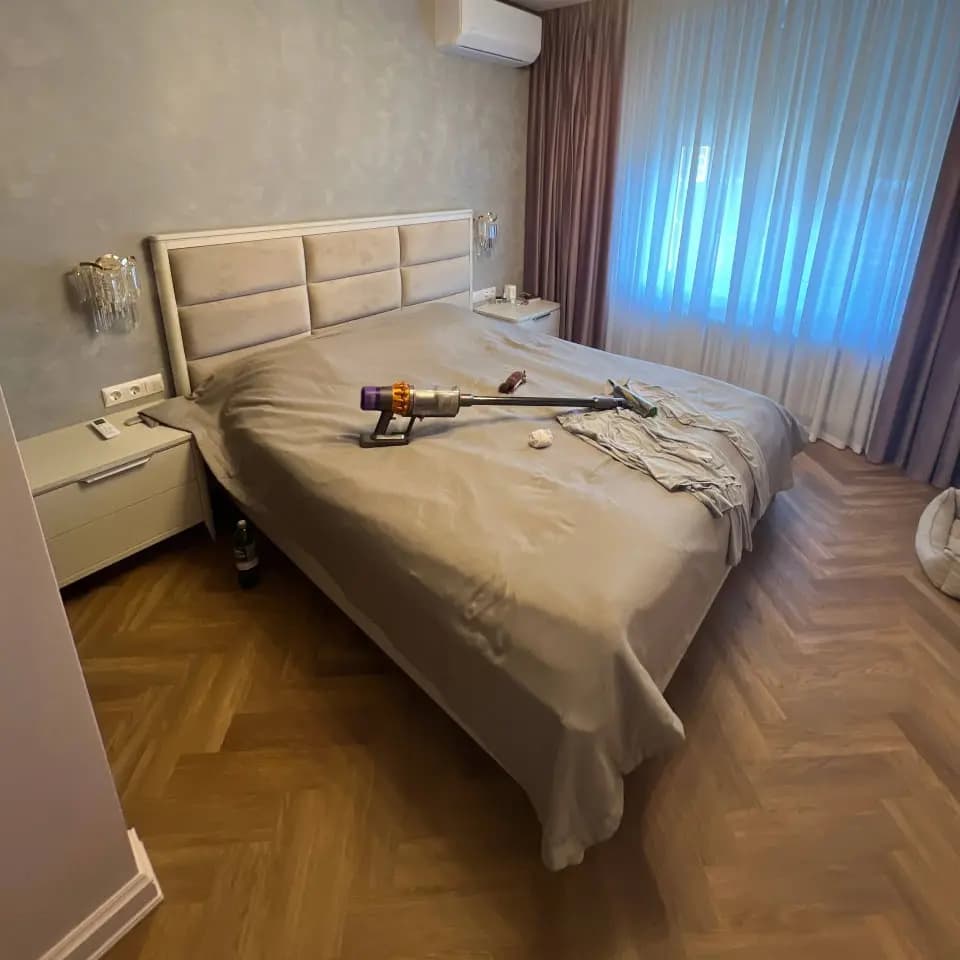
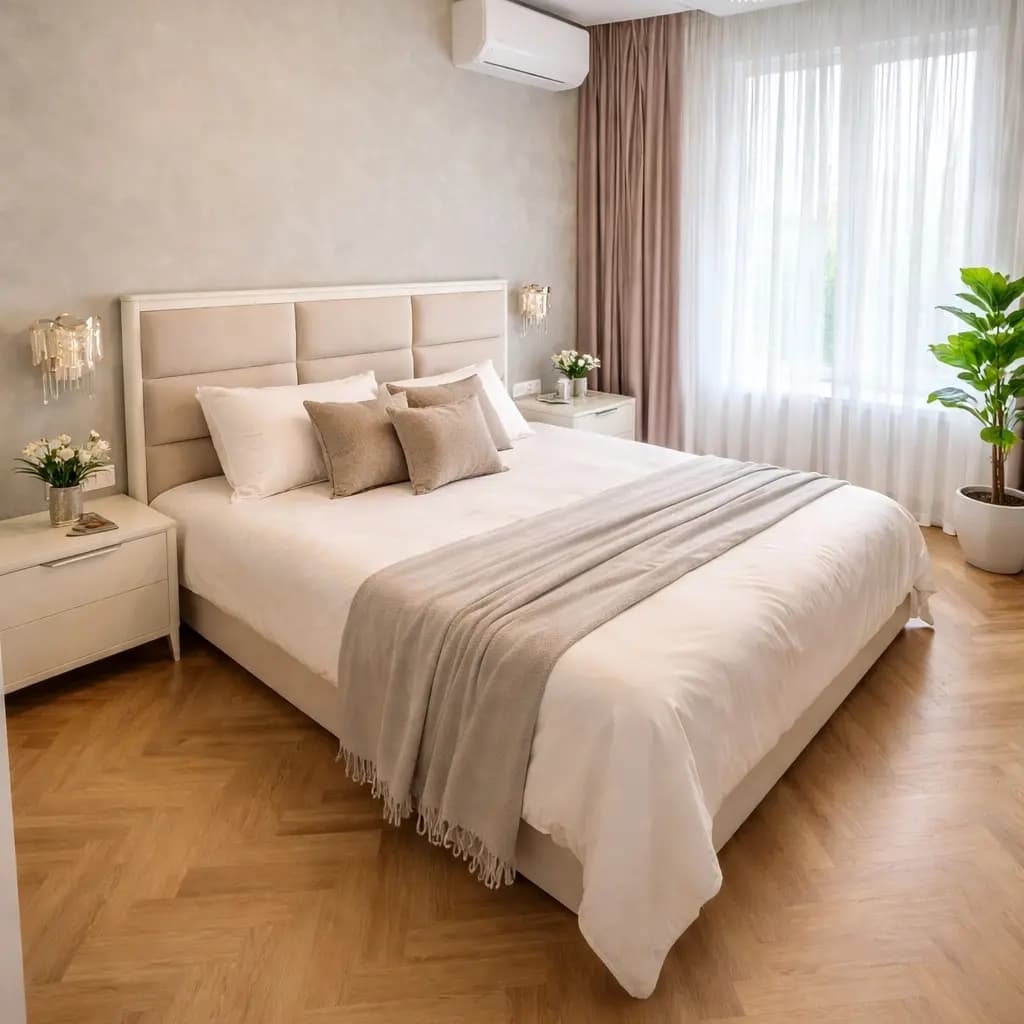
Deciding Between New York and Denver
Shoot Manhattan interiors with HDR bracketing before AgentLens
Shoot Manhattan interiors with HDR bracketing before AgentLens staging; single-exposure raws lose window detail and produce blown-out staged composites that REBNY photo review flags.
Disclose virtual staging inside the StreetEasy listing description,
Disclose virtual staging inside the StreetEasy listing description, not only in the photo caption, because RLS feed parsers sometimes drop caption metadata before syndication.
For Denver ranches, capture exterior plates from a
For Denver ranches, capture exterior plates from a 4-foot tripod height to keep roofline proportion accurate when AI adds landscaping or patio furniture.
Generate two seasonal exterior variants per Denver listing,
Generate two seasonal exterior variants per Denver listing, one summer-green and one autumn-gold, so social ads can rotate without re-shooting through Colorado weather changes.
On New York studios under 500 square feet,
On New York studios under 500 square feet, generate one staged scene that combines living, sleeping, and work zones rather than three separate room variants; buyers want to see the whole layout in a single image.
New York vs Denver FAQ
Is New York or Denver more affordable for homebuyers?
Denver is more affordable with a median home price of $575,000 compared to New York's $770,000 — a difference of $195,000 (25%). However, affordability also depends on local incomes, property taxes, and cost of living. Both markets offer opportunities for buyers at different price points.
Which market is hotter, New York or Denver?
Denver is currently the faster-moving market with homes averaging 34 days on market, compared to 68 days in New York. A shorter time on market typically indicates stronger buyer demand and more competition. Agents in Denver need to list quickly — virtual staging helps get listings photo-ready in minutes, not weeks.
Should I stage my home when selling in New York or Denver?
Absolutely — staged homes sell faster and for more money in both markets. In New York (median $770,000), even a 1-2% price increase from staging can mean thousands more at closing. In Denver (median $575,000), the same applies. Virtual staging with Agent Lens costs just $0.10 per image, making it a no-brainer for agents in either market.
How does virtual staging help in competitive markets like New York and Denver?
Virtual staging transforms empty rooms into beautifully furnished spaces in under 60 seconds. In competitive markets, first impressions matter — 97% of buyers start their search online. Staged listing photos get more clicks, more showings, and higher offers. At $0.10 per image, virtual staging delivers professional results at a fraction of physical staging costs ($2,000-$5,000+).
Does virtual staging work better in New York or Denver listings?
Both benefit but for different reasons. New York staging closes the gap between a tiny empty room and a livable apartment, lifting tour-request rates from StreetEasy browsers. Denver staging helps out-of-state buyers, especially those relocating from California and Texas, picture daily life inside a ranch or townhome before they fly in. The performance gain depends on whether your listing strategy targets local browsers or remote relocations.
How do REBNY and REcolorado disclosure rules differ?
REBNY requires staged-image disclosure inside the RLS photo description metadata, and most Manhattan brokerages embed the phrase in the caption layer because StreetEasy strips overlay watermarks. REcolorado accepts disclosure inside the public listing remarks and welcomes a paired empty-room photo. Compliance failures in New York usually trace to missing caption metadata; in Denver they trace to remarks-field omissions during MLS upload.
Which rooms gain the most from AI staging in each city?
New York studios and one-bedroom prewar units gain the largest perceived-livability lift because empty small rooms read as impossibly tight. Denver flex rooms, finished basements in Park Hill, and back patios in Wash Park benefit most because buyers struggle to assign function to multi-use space. AgentLens variants that show three purpose options per flex room capture broader buyer intent in Denver while single-use clarity wins in New York.
How does light affect staging output in each market?
New York interiors below 96th Street face filtered light from neighboring buildings, so AI staging tuned for low-light raw plates preserves shadow detail and prevents flat composites. Denver enjoys 300 sunny days, but midday glare on south-facing windows blows out interior detail. AgentLens users in Denver shoot between 9 and 11 AM in summer and use linen-panel staging variants to soften harsh light. Different physics, different staging recipes.
Should staged photos refresh on the same cadence in both cities?
No. New York co-op board approvals stretch contract-to-close past sixty days, so staged hero images stay live longer and need higher resolution exports for retina displays. Denver closings often finish inside thirty days, rewarding agents who push fresh staging variants weekly to keep retargeting ads engaging. Plan your AgentLens render queue around closing rhythm and seasonal photo decay rather than a single fixed schedule.