

New York vs Austin: Which city is better for real estate?
New York and Austin sit on opposite ends of the American real estate temperament. One is vertical, dense, and governed by century-old buildings with rules written into the cooperative bylaws. The other is horizontal, recently built, and shaped by tech relocations that pushed the city limits west toward Bee Cave and south toward Buda. After working both markets, I can tell you the staging choices that succeed in a Greenwich Village walk-up will fail in a Mueller new-build, and the open-plan furniture that flatters a Tarrytown ranch in East Austin will overwhelm a Lenox Hill alcove studio. The work begins with reading the inventory honestly. A 1908 Manhattan apartment is not a blank canvas, and a 2022 Austin home built by Brookfield Residential is not a museum piece. Each carries an expected visual language that local buyers absorbed long before they reached the showing. Agents who learn that language stage faster, photograph cleaner, and spend less time defending their pricing on day twenty-one. The agents who do not learn it tend to reach for stock packages and wonder why the listing feels generic in two very specific cities.
New York vs Austin
Real Estate Market Comparison
Thinking about buying or selling property? Compare the New York, NY and Austin, TX real estate markets side by side — from median prices and days on market to top neighborhoods and staging strategies.
Migration Insight
Manhattan staging lives inside constraints. A typical Upper East Side prewar one-bedroom runs about seven hundred square feet with a galley kitchen, a single bathroom, and a dining alcove that doubles as a home office. The successful staging compresses function without crowding sightlines. In contrast, Austin staging works with abundance. A new-build in Mueller or a renovated bungalow in Travis Heights gives you twenty-two-hundred square feet, an open kitchen-living-dining footprint, and a covered back patio that demands its own furniture vignette. East Austin listings around East Cesar Chavez and Holly want furniture that nods to the neighborhood's 1940s and 1950s housing stock, so mid-century pieces in walnut and tweed photograph correctly. Westlake and Tarrytown listings expect heavier transitional furniture, warm leather, and stone accents that match the limestone exteriors. Downtown high-rises in the Rainey Street district and Second Street District want minimalist staging with one strong piece of Texas-made art. Each Austin micromarket carries its own visual contract, and treating Austin as a single market is as costly as treating Manhattan as a single market.
- Manhattan
- Brooklyn Heights
- Upper East Side
- Williamsburg
- Tribeca
- South Congress
- Zilker
- East Austin
- Westlake
- Cedar Park
New York City real estate moves fast and competes globally. With apartments averaging $770K and fierce competition, staged listings stand out in crowded online searches. Virtual staging is especially valuable for NYC's many pre-war and compact apartments where every square foot counts.
Austin's tech-driven economy brings design-savvy buyers who expect modern, well-staged listings. The market has cooled from its 2022 peak, making professional presentation more important than ever. Virtual staging helps Austin agents compete for tech workers with high aesthetic standards.
Market Dynamics: New York vs Austin
### Pacing of the sale in each city
Manhattan listings move through a structured choreography. The open house schedule is tight, the broker-to-broker network is dense, and the board interview adds a layer of due diligence that influences how the unit should photograph. Buyers expect the staging to communicate that the apartment is well-maintained, quiet, and ready for a board package that will hold up under scrutiny. Austin listings, especially in zip codes like 78704 and 78745, often see faster decision cycles driven by relocations from California and the Pacific Northwest. Buyers may visit only once before submitting an offer, so the photography and staging carry more of the persuasion weight than they do in Manhattan, where most serious buyers visit two or three times and bring a parent, a designer, or a contractor on the second visit.
### Furniture language by neighborhood
In Manhattan, a Tribeca loft on Reade Street wants industrial materials, raw steel, and a leather Chesterfield that respects the cast-iron history of the building. A Sutton Place classic six wants traditional millwork, silk drapery, and a mahogany dining table that seats eight. A West Village townhouse wants painted wood floors, a Lawson sofa, and a fireplace dressed with restraint. In Austin, the language shifts by zip code. A Clarksville bungalow wants vintage Texas pieces, a wool kilim, and a kitchen styled with cast iron and a wooden cutting board. A Mueller new-build wants clean-lined upholstery, ceramic table lamps, and a dining table that handles eight without crowding the open plan. A Westlake estate wants leather, limestone, and a great room that respects the Hill Country views through ten-foot windows. The Real Estate Staging Association has documented for years that buyers respond best when staging matches both the architectural period and the regional vernacular. Skipping that match in either city produces photographs that feel imported, and imported is the word buyers use right before they move on to the next listing.
Key Takeaways
Price difference: $245,000 (32%)
Austin ($525,000) is $245,000 more affordable than New York ($770,000).
Speed difference: 13 days
Homes in Austin sell in 55 days on average vs 68 days in New York.
More affordable: Austin, TX
With a median price of $525,000, Austin offers more entry-level options for first-time buyers and investors.
Faster market: Austin, TX
At 55 days on market, Austin moves faster. Sellers in this market benefit most from being listing-ready on day one — virtual staging delivers in under 60 seconds.
Stage Your Listing in Either Market
Transform empty rooms into stunning staged photos in 60 seconds. Starting at $0.10 per image.
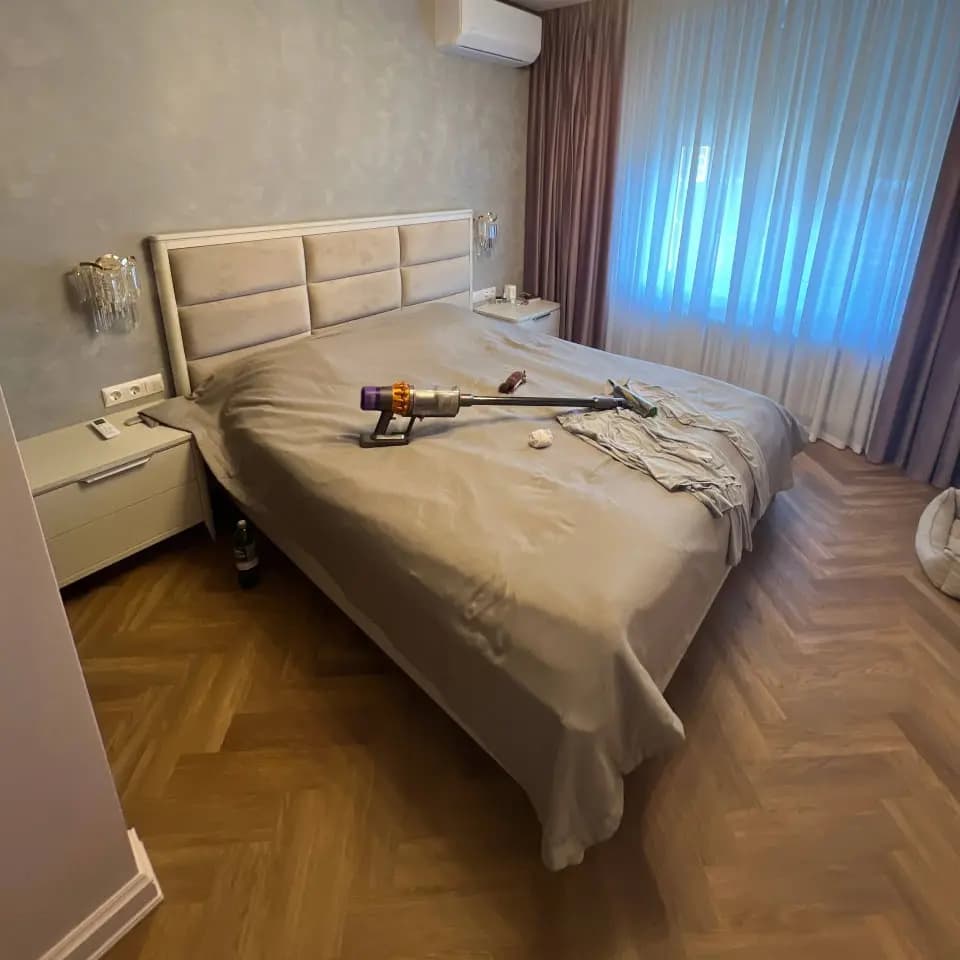
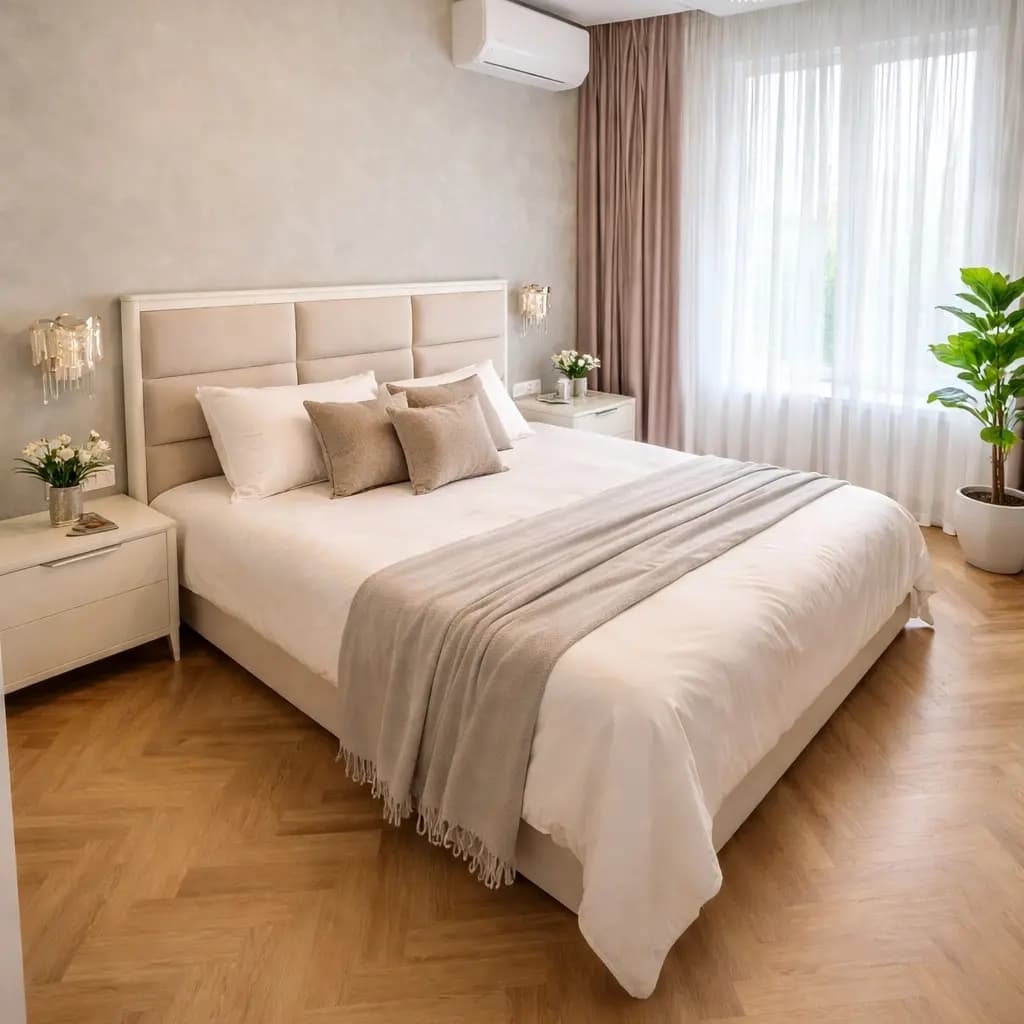
Deciding Between New York and Austin
Photograph Manhattan listings in late afternoon for warmth
Prewar buildings on the Upper West Side and Upper East Side photograph best between three and five in the afternoon, when the light angles through the window and warms the herringbone floors. Schedule shoots during this window and supplement with two practical lamps at twenty-seven-hundred Kelvin.
Stage Austin patios as a second living room
In zip codes like 78704, 78702, and 78745, the covered back patio is part of the daily routine for nine months a year. Stage it with an outdoor sofa, two chairs, a low table, and a string of warm-white bulbs. Photograph it at dusk to capture the lighting and the live-oak canopy.
Use vintage Texas pieces in East Austin
Listings in Holly, East Cesar Chavez, and Govalle photograph stronger when the staging includes one or two vintage pieces sourced locally. A walnut credenza, a tweed lounge chair, or a 1960s ceramic lamp from a South Congress dealer reads as authentic to buyers familiar with the neighborhood's history.
Respect prewar moldings with neutral wall colors
Manhattan prewar apartments in buildings designed by Rosario Candela or Emery Roth carry plaster crown molding that disappears under saturated paint. Stage and photograph with walls in soft warm white or pale putty so the architecture reads. Buyers in these buildings are paying for the millwork.
Show the Westlake stone in every exterior frame
Westlake and Tarrytown listings often feature limestone walls and stone fireplaces that buyers associate with the area. Stage interiors so the stone reads from the seating area, and shoot the exterior at golden hour to capture the warm tones. Hide construction-grade landscaping with potted oaks if the budget allows.
New York vs Austin FAQ
Is New York or Austin more affordable for homebuyers?
Austin is more affordable with a median home price of $525,000 compared to New York's $770,000 — a difference of $245,000 (32%). However, affordability also depends on local incomes, property taxes, and cost of living. Both markets offer opportunities for buyers at different price points.
Which market is hotter, New York or Austin?
Austin is currently the faster-moving market with homes averaging 55 days on market, compared to 68 days in New York. A shorter time on market typically indicates stronger buyer demand and more competition. Agents in Austin need to list quickly — virtual staging helps get listings photo-ready in minutes, not weeks.
Should I stage my home when selling in New York or Austin?
Absolutely — staged homes sell faster and for more money in both markets. In New York (median $770,000), even a 1-2% price increase from staging can mean thousands more at closing. In Austin (median $525,000), the same applies. Virtual staging with Agent Lens costs just $0.10 per image, making it a no-brainer for agents in either market.
How does virtual staging help in competitive markets like New York and Austin?
Virtual staging transforms empty rooms into beautifully furnished spaces in under 60 seconds. In competitive markets, first impressions matter — 97% of buyers start their search online. Staged listing photos get more clicks, more showings, and higher offers. At $0.10 per image, virtual staging delivers professional results at a fraction of physical staging costs ($2,000-$5,000+).
How different are buyer expectations between New York and Austin?
Substantially different. New York buyers expect the building, the layout, and the staging to communicate stability and long-term value. Austin buyers, especially relocations from coastal markets, expect the staging to communicate lifestyle, outdoor flow, and how the home handles entertaining. Adjust the photography brief and the staging package to address those distinct emotional priorities before you list.
Can the same virtual staging library serve both cities?
I would not recommend it. Build two libraries. The Manhattan library should emphasize prewar grammar, traditional upholstery, and tighter scale. The Austin library should emphasize open plans, mid-century pieces for East Austin, transitional pieces for Westlake, and outdoor vignettes for the back patio. Tagging your virtual staging assets by neighborhood saves time and prevents mismatches.
How do new-build homes in Austin differ from new condos in Manhattan?
Austin new-builds in Mueller, Easton Park, and Goodnight Ranch tend to favor open plans, ten-foot ceilings, and one large great room. Manhattan new condos in Hudson Yards or Long Island City favor compressed layouts, eight-foot ceilings, and floor-to-ceiling windows. Stage Austin new-builds for flow and Manhattan new condos for view, and the photographs will land correctly with each buyer pool.
Does the time of year change staging strategy in either city?
Yes. Manhattan staging in winter benefits from warmer textiles, lit fireplaces in townhouses, and table lamps that compensate for short daylight. Austin staging benefits from cooler tones in summer because buyers feel the heat and respond to visual relief. Linen, oatmeal upholstery, and ceramic lamps work well for July and August Austin shoots.
How important is the kitchen in each market?
Critical in both, but for different reasons. Manhattan kitchens are often small and need staging that proves they function for daily cooking, including a single bowl of fruit and a clean cutting board. Austin kitchens are central to entertaining and need staging that communicates capacity, including a styled island with a wooden board, two stools, and one large vase. The photograph should answer the question buyers are silently asking about each city's typical kitchen footprint.