

New York vs Atlanta: Which city is better for real estate?
New York and Atlanta represent two ends of the same listing playbook. Manhattan brokers work prewar co-ops in Lenox Hill, brownstone duplexes in Park Slope, and steel-and-glass towers along the Hudson Yards corridor, where every staged image fights for attention against thousands of competing studios on StreetEasy. Atlanta agents move 1920s craftsman bungalows in Grant Park, ranch homes across Decatur, brick Tudors on Buckhead side streets, and new-build townhomes pushing east into Kirkwood. Virtual staging plays a different role in each market because buyers approach the photos with different mental questions. New York shoppers ask whether the apartment fits a working life inside a constrained footprint, while Atlanta buyers, including a steady stream of relocations from California, New York itself, and the Northeast corridor, ask whether the house supports family routines, garden weekends, and the longer commute distances common across DeKalb and Fulton counties. AgentLens users running both metros tell us the same raw photo set produces wildly different conversion outcomes depending on which staging vocabulary the AI applies. Treat each city as a distinct buyer brief and the saved-listing rate climbs on both sides.
New York vs Atlanta
Real Estate Market Comparison
Thinking about buying or selling property? Compare the New York, NY and Atlanta, GA real estate markets side by side — from median prices and days on market to top neighborhoods and staging strategies.
Migration Insight
REBNY in New York and First Multiple Listing Service in Atlanta operate under different disclosure norms, and the difference shapes how AgentLens output reaches public-facing portals. REBNY requires staged-image disclosure inside the RLS photo description metadata, and StreetEasy syndication often strips overlay watermarks during caption rendering, so Manhattan brokerages embed the phrase in the metadata layer rather than relying on visual marks. FMLS in Atlanta accepts virtual staging when the listing remarks include disclosure language and additionally requires a paired empty-room image be available on request. Climate also drives photo strategy. Atlanta humidity above 70 percent in July and August fogs camera glass during the first hour outside cool interiors, so AgentLens users capture raw plates either before 10 AM or use lens warming tools before exterior shots. New York winter shoots between November and February face short daylight windows below seven hours, pushing photographers into HDR bracketing to preserve window detail before AI staging. Closing rhythm diverges as well. New York co-op approvals push closings past sixty days; Atlanta closings often finish inside thirty-five. Calibrate your photo refresh and social-ad rotation to the local closing tempo.
- Manhattan
- Brooklyn Heights
- Upper East Side
- Williamsburg
- Tribeca
- Buckhead
- Midtown
- Virginia-Highland
- Decatur
- Inman Park
New York City real estate moves fast and competes globally. With apartments averaging $770K and fierce competition, staged listings stand out in crowded online searches. Virtual staging is especially valuable for NYC's many pre-war and compact apartments where every square foot counts.
Atlanta's diverse and growing market spans luxury estates to starter homes across a massive metro area. Staged listings perform especially well here, where buyers often search online across multiple neighborhoods before visiting. Virtual staging helps agents cover more listings efficiently.
Market Dynamics: New York vs Atlanta
### Architectural Vocabulary and Furniture Pairing
The staging brief flips on architecture. A Park Slope brownstone built between 1880 and 1910 carries 11-foot parlor ceilings, original mahogany pocket doors, and bay windows over the front stoop. The right AgentLens output features a low Chesterfield sofa in tobacco leather, a brass-and-marble coffee table, and a Persian Tabriz rug in deep navy that grounds the parlor without competing with the original woodwork. Benjamin Moore Hale Navy on the dining alcove or Simply White on trim photographs sharply under filtered Brooklyn light. Grant Park bungalows in Atlanta, built mostly between 1910 and 1935, sit on smaller lots with deep front porches, original heart-pine floors, and gabled roofs. Staging those interiors works best with a linen-upholstered sectional in warm oatmeal, a round oak farmhouse table with mismatched ladder-back chairs, and a flat-weave dhurrie rug rather than a heavy Persian. Sherwin Williams Alabaster on trim and Naval on a single accent wall reads well under Georgia's bright humid daylight.
### Buyer Funnel and Variant Strategy
New York and Atlanta buyers arrive at the listing photo through different funnels. New York shoppers filter aggressively on StreetEasy and Zillow before clicking, so the staged hero shot must answer functional questions immediately: where does the bed go, where does the work-from-home setup live, can two adults share the kitchen. Generating one primary scene plus one alternate office-in-alcove variant satisfies most Manhattan use cases. Atlanta buyers, particularly out-of-state relocations and growing families moving from intown rentals to first-purchase homes in Decatur or East Atlanta Village, want lifestyle context. AgentLens users should generate a primary furnished living scene, a backyard scene with patio seating and string lights, and a porch scene with rocking chairs because porch-life is part of the value proposition in southern markets. Texture and color choices diverge too. New York rooms carry layered fabrics like wool drapery and velvet pillows because filtered light flattens glossy surfaces. Atlanta rooms reward natural fibers, jute rugs, linen drapery, and brushed brass that handles the brighter ambient light without glare.
Key Takeaways
Price difference: $375,000 (49%)
Atlanta ($395,000) is $375,000 more affordable than New York ($770,000).
Speed difference: 28 days
Homes in Atlanta sell in 40 days on average vs 68 days in New York.
More affordable: Atlanta, GA
With a median price of $395,000, Atlanta offers more entry-level options for first-time buyers and investors.
Faster market: Atlanta, GA
At 40 days on market, Atlanta moves faster. Sellers in this market benefit most from being listing-ready on day one — virtual staging delivers in under 60 seconds.
Stage Your Listing in Either Market
Transform empty rooms into stunning staged photos in 60 seconds. Starting at $0.10 per image.
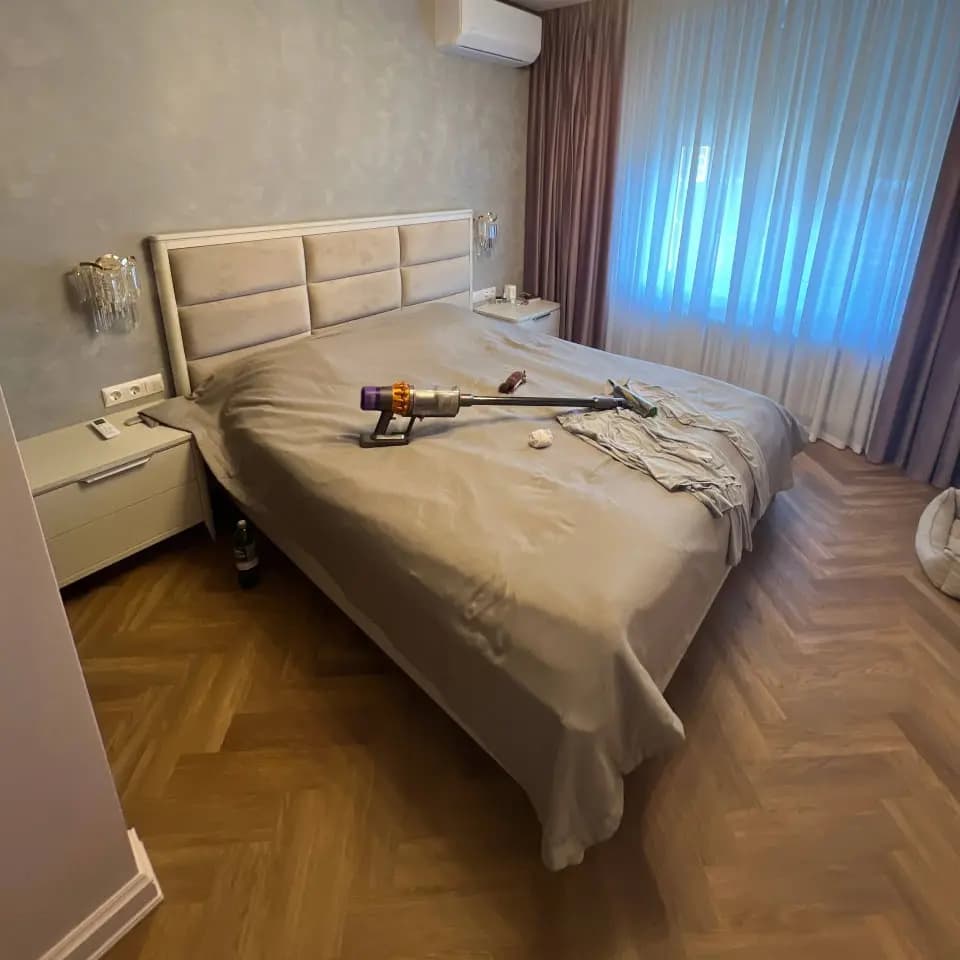
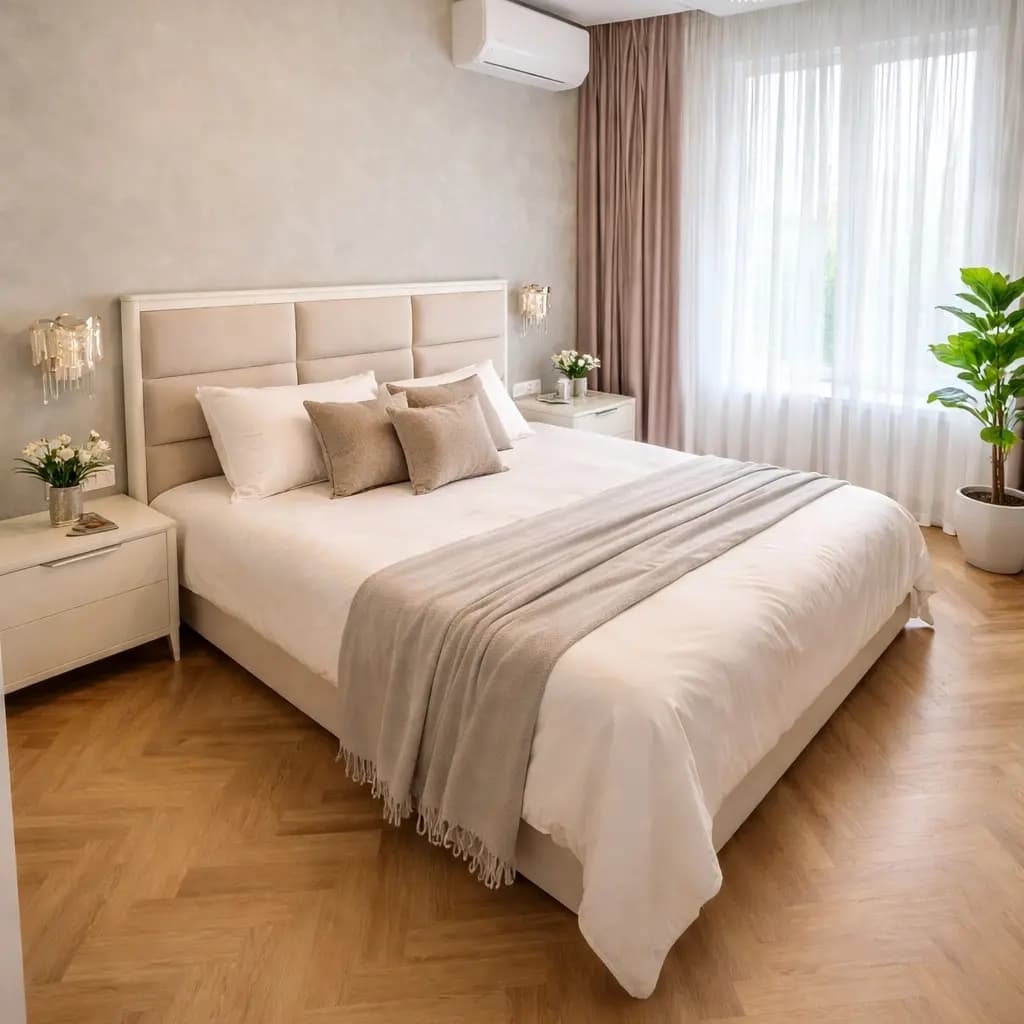
Deciding Between New York and Atlanta
Capture New York interiors with HDR bracketing across
Capture New York interiors with HDR bracketing across at least three exposures so AgentLens staging preserves window detail without blown highlights from prewar single-pane glass.
Schedule Atlanta exterior shoots before 10 AM during
Schedule Atlanta exterior shoots before 10 AM during summer to avoid lens fogging when stepping from cooled interiors into 70-plus percent humidity.
Disclose virtual staging inside RLS photo description metadata
Disclose virtual staging inside RLS photo description metadata for Manhattan listings; StreetEasy strips overlay watermarks during caption rendering and metadata-only disclosure remains visible.
Generate three exterior variants per Atlanta listing, one
Generate three exterior variants per Atlanta listing, one summer-green, one autumn-gold, one early-spring with dogwood blooms, to match seasonal social-ad cycles without re-shooting.
On Atlanta bungalow front porches, generate two AgentLens
On Atlanta bungalow front porches, generate two AgentLens scenes, one with rocking chairs for traditional buyers and one with a hanging swing for younger buyers; the porch is the first emotional anchor in southern listings.
New York vs Atlanta FAQ
Is New York or Atlanta more affordable for homebuyers?
Atlanta is more affordable with a median home price of $395,000 compared to New York's $770,000 — a difference of $375,000 (49%). However, affordability also depends on local incomes, property taxes, and cost of living. Both markets offer opportunities for buyers at different price points.
Which market is hotter, New York or Atlanta?
Atlanta is currently the faster-moving market with homes averaging 40 days on market, compared to 68 days in New York. A shorter time on market typically indicates stronger buyer demand and more competition. Agents in Atlanta need to list quickly — virtual staging helps get listings photo-ready in minutes, not weeks.
Should I stage my home when selling in New York or Atlanta?
Absolutely — staged homes sell faster and for more money in both markets. In New York (median $770,000), even a 1-2% price increase from staging can mean thousands more at closing. In Atlanta (median $395,000), the same applies. Virtual staging with Agent Lens costs just $0.10 per image, making it a no-brainer for agents in either market.
How does virtual staging help in competitive markets like New York and Atlanta?
Virtual staging transforms empty rooms into beautifully furnished spaces in under 60 seconds. In competitive markets, first impressions matter — 97% of buyers start their search online. Staged listing photos get more clicks, more showings, and higher offers. At $0.10 per image, virtual staging delivers professional results at a fraction of physical staging costs ($2,000-$5,000+).
Does the same AI staging style work for both New York and Atlanta?
It does not. New York buyers expect tight functional clarity inside small prewar footprints, with darker rugs and layered fabrics that handle filtered urban light. Atlanta buyers expect lifestyle context including porches, patios, and warm wood-floored living scenes that read well under bright humid daylight. Running both metros through one AgentLens preset flattens the regional voice and reduces saved-listing rates inside StreetEasy and FMLS portals.
How do REBNY and FMLS disclosure rules compare?
REBNY requires staged-photo disclosure inside RLS metadata because StreetEasy syndication strips overlay watermarks during caption rendering. FMLS in Atlanta accepts disclosure inside the public listing remarks and additionally asks agents to keep an empty-room version available on request. Manhattan compliance failures usually trace to missing metadata fields, while Atlanta failures trace to omitted remarks language during the initial MLS upload workflow.
Which property types benefit most from staging in each city?
New York studios, junior one-bedrooms, and small two-bedroom co-ops gain the largest perceived-livability lift because empty small rooms read as impossibly tight on listing portals. Atlanta bungalow flex rooms, finished basements in Decatur, and outdoor spaces including back patios and front porches gain the most because buyers struggle to picture lifestyle without furniture cues. AgentLens variants tuned to those room types convert significantly better than blanket whole-house staging.
How do relocations affect staging strategy in Atlanta?
Atlanta receives steady inbound relocation from New York, California, and the Northeast, and those buyers shop listings remotely for weeks before flying down. AgentLens output should help them visualize southern lifestyle markers including front porches with rocking chairs, screened back patios, and gabled bungalow exteriors with established landscaping. Generating multiple seasonal exterior variants helps remote buyers see the home across the buying decision window.
Should staged photos refresh at the same cadence in both markets?
No. New York co-op board approvals can stretch contract-to-close past sixty days, so staged hero images stay live longer and need higher resolution exports for retina mobile devices. Atlanta closings often finish inside thirty-five days, rewarding agents who push fresh staging variants to social channels weekly. Calibrate your AgentLens render queue around the local closing rhythm and seasonal photo decay rather than a single national schedule.